Post Moves Basketball: The Essential Techniques Every Player Must Know
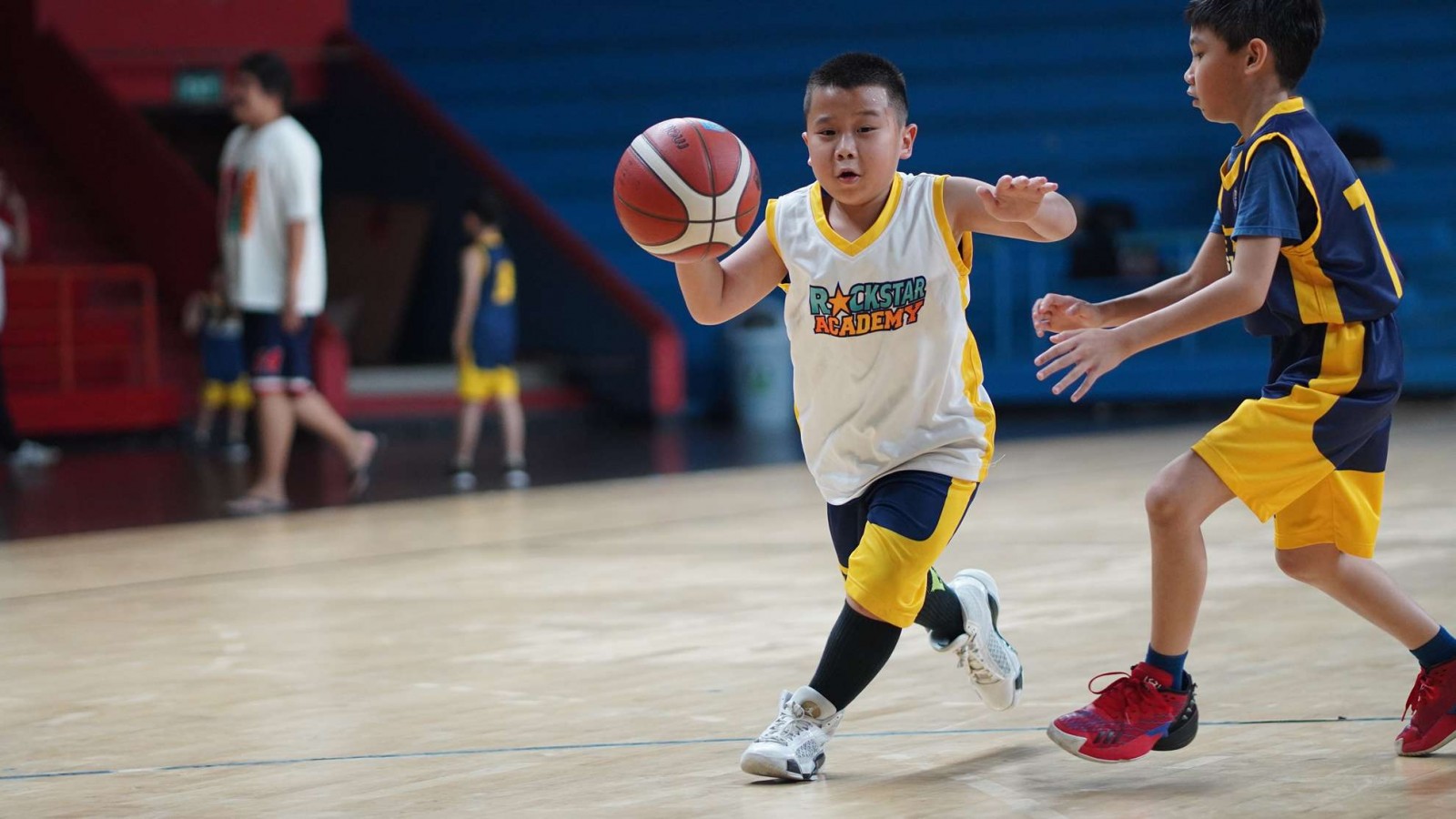
In basketball, post moves are offensive techniques used by players when they "post up" typically operating near the basket with their back to the defender. Even in today’s game, developing strong post moves gives you a huge advantage.
In fact, it actually helps you finish inside with power, counter defenders who overcommit, especially in man to man defense and draw fouls. To learn it further, we will explain what post moves are, break down the most important ones, and offer some effective drills to practice them. Let’s check it out!
What Is a Post Move?
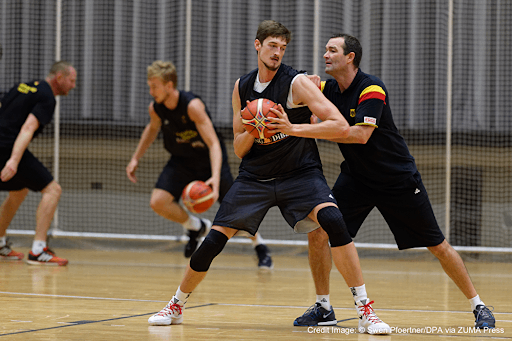
To post up means to establish a position close to the basket, usually in the “paint” so you can receive the ball and make a scoring move. The “post” refers to areas near the low block (closest to the baseline and basket) or the high post (around the free-throw line).
When you catch the ball in the post, it’s not just about brute strength: good post play depends on footwork, body control, and smart counters. Before making a move you need to “get position” back straight, feet wide, elbows out, and meet the pass with a jump stop so you can pivot.
Once you’re set, you can execute a range of post moves, each designed to exploit the defender’s positioning.
Five Key Post Moves Every Player Should Learn
Learning a few essential post moves can make a big difference in your scoring ability near the basket. Here are the five key moves:
1. Jump Hook
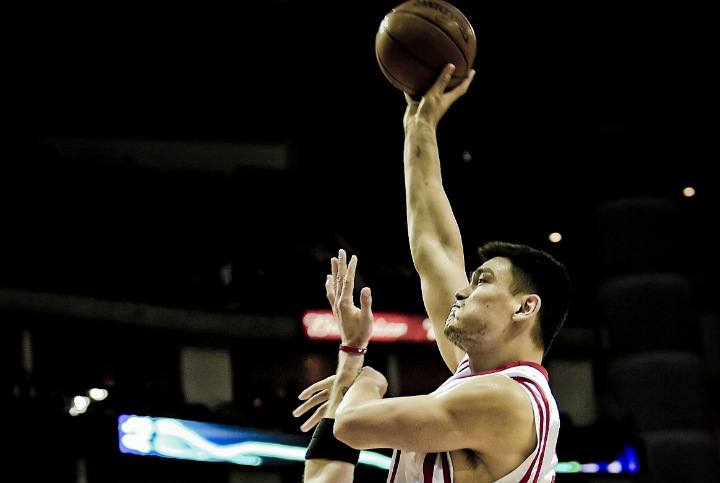
The jump hook is a fundamental post scoring move. The technique involves catching the ball on the block, getting into a low, wide stance, faking if needed, then performing a two-foot jump stop.
You bring the ball up by your outside shoulder, shield with your non-shooting hand, and snap your wrist to shoot. It works well because it’s quick and difficult for defenders to block when properly protected.
2. Up and Under
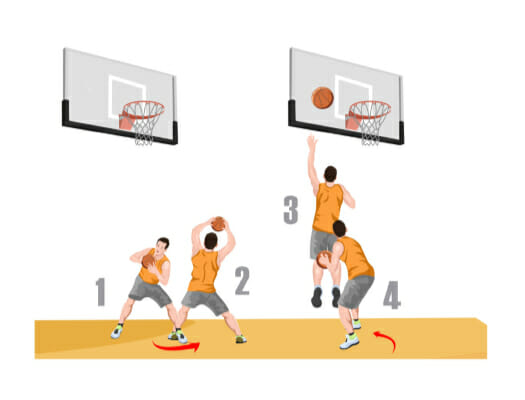
The up and under is a classic counter move. It involves faking a hook shot to make the defender react, then stepping through with your outside foot toward the hoop and finishing with a layup. This move is effective when defenders begin to overcommit to your jump hook attempts.
3. Drop Step
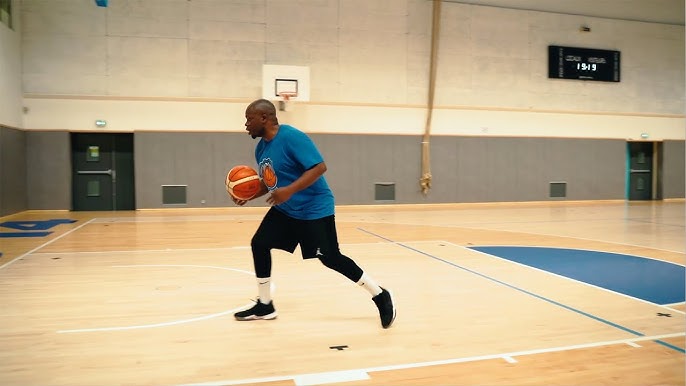
The drop step is one of the most powerful post moves. The technique involves reading the defender’s position, executing a reverse pivot with either foot depending on the court, taking a strong dribble, and finishing aggressively at the rim while protecting the ball with your body.
It’s effective because it uses your body to seal off the defender, leading to a high-percentage shot.
4. Fadeaway
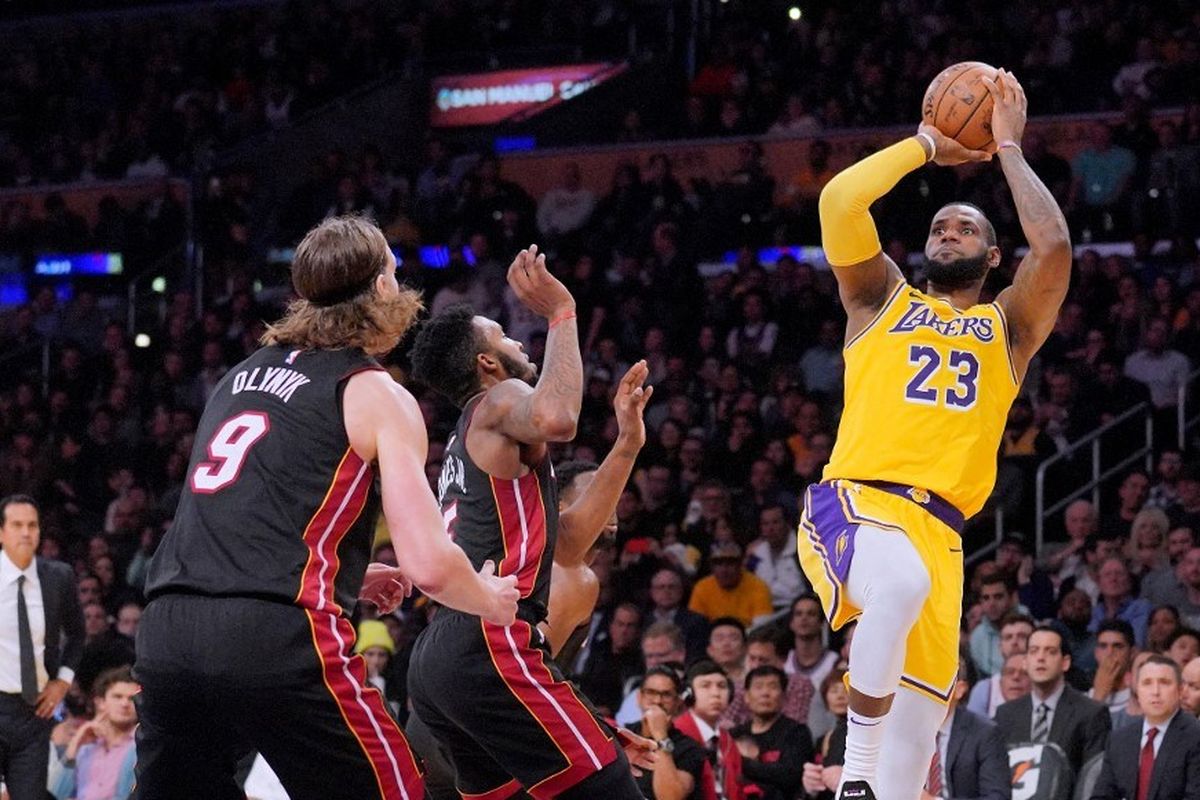
The fadeaway is a more advanced but highly effective post move. The technique involves backing down the defender, faking an inside move, then pushing off to jump away from the basket, squaring up mid-air before shooting. This move requires good balance, strength, and touch to execute well.
5. Quick Spin
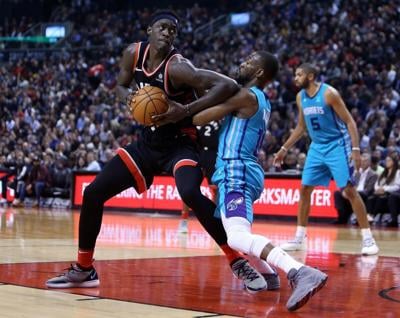
The quick spin is a post move used when a defender leans heavily or overcommits. The technique involves sensing the defender’s balance upon catching the ball, then spinning off their body using your pivot foot while protecting the ball, and finishing strong. It works because off-balance defenders become vulnerable once their balance is shifted.
Post Move Drills: How to Practice Effectively
Learning post moves isn’t just about knowing them, you need to drill them in a structured and progressive way. Here are some effective drills:
1. Post Moves Drill (Breakdown Drill)
.png)
The drill starts with a coach passing to a post player on the low block while a defender contests. Initially, players practice moves without defense to focus on footwork and finishing, then add a defender for challenge.
Key moves practiced include drop steps, up-and-unders, turn-and-shoots, short corner cuts, and face-up fakes with dribbles. Finally, the drill progresses to live play where the offensive player can use any move against full defense.
2. Rebound–Outlet–RePost Drill
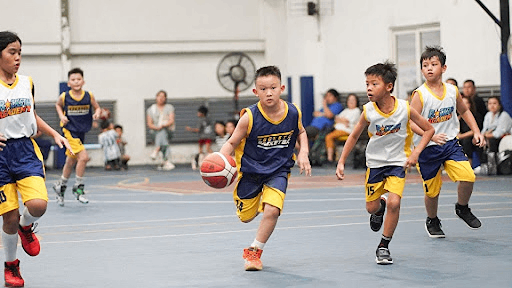
After securing a rebound, the post player quickly outlets the ball to a coach or wing, then immediately repositions in the post, receives the ball again, and executes a post move to finish. This drill is valuable because it simulates real-game situations of rebounding, passing, and quickly re-establishing position for scoring.
3. 2-on-2 Live Drill
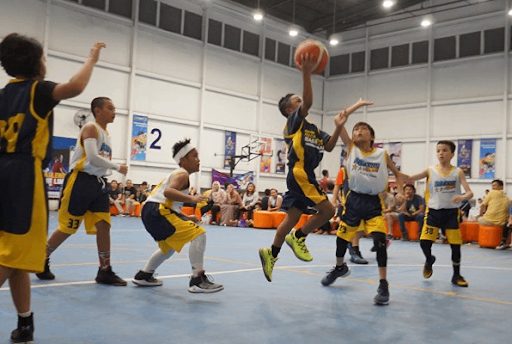
This drill involves two post players and defenders, with the coach passing the ball in. Players must react, read the defense, set screens, and post up. It helps develop decision-making, understanding, help defense, spacing, screening, and overall offensive and defensive awareness.
Learn Post Moves Basketball and Get More Points!
Mastering post moves is a vital step for any basketball player aiming to excel in scoring and dominating during the game. If you're serious about developing your basketball skills, Rockstar Academy, a leading Sports & Performing Arts Academy, offers an expert basketball program with a supportive environment to help you grow.
Our Basketball Program at Rockstar Academy doesn’t just teach skills—it gives students real opportunities to shine through exciting competitions like the Elite Championships and RockOlympics.
These events push young athletes to aim higher, stay active, and build strong discipline and sportsmanship. Kids learn how to handle both winning and losing with confidence, all while growing into better players and stronger individuals.
For those who want to take their training to the next level, our Dream Team is the ultimate challenge—120 minutes of high-intensity coaching with our most experienced instructors on professional courts.
Plus, you can start with a free trial class to experience firsthand the benefits of training at Rockstar. With locations spread across major cities in Indonesia, Rockstar Academy makes it easy for players nationwide to elevate their game and achieve their basketball goals.
FAQ
Do guards need to learn post moves?
Absolutely. While post play is often associated with bigs, guards who can post up (especially against smaller defenders) can exploit mismatches. Also, post moves teach footwork, body control, and scoring options that translate all over the court.
Which post move should I learn first?
The jump hook and drop step are great starting points. They’re fundamental, high-percentage, and often open up other moves like spin or up-and-under. Hooper University also lists these as top moves.
How often should I practice post moves?
Ideally, incorporate them into your regular training: warm-up with Mikan drills, work post moves in breakdown drills, and simulate live action in 2-on-2 or 1-on-1 post finishing drills. Consistent repetition builds muscle memory and in-game confidence.