Becoming a Triple Threat: How to Develop Acting, Singing, and Dancing Skills
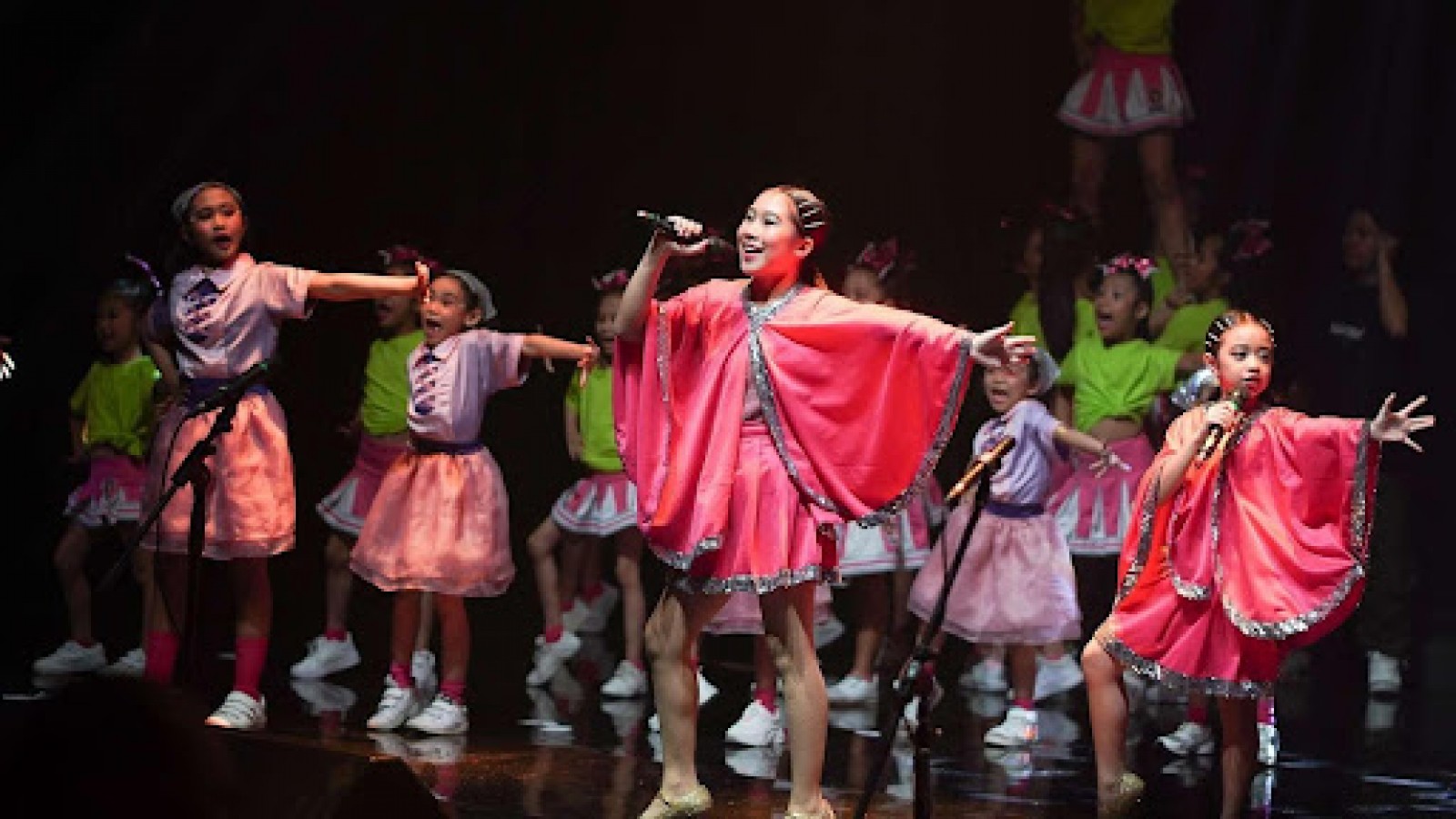
In the performing arts, being a triple threat excelling in acting, singing, and dancing, is a key to versatility and career success. Whether on Broadway or film sets, performers who master these skills through dedicated acting, singing, and dancing courses gain a creative edge, adaptability, and confidence across many roles.
But what does it truly mean to be a triple threat, why is it so valuable, and how can you develop these skills from the ground up? This article will walk you through everything, from choosing which skill to focus on first to building a well-rounded foundation as a complete performer. Let’s keep reading!
What Does Triple Threat Mean?

A triple threat is a performer skilled in acting, singing, and dancing, the core abilities needed in musical theatre and many other performance settings. The term began in Broadway, where performers often shift between scenes, songs, and choreography, but it now applies across film musicals, TV, tours, cruise ships, theme parks, commercials, corporate shows, and competitive academies.
Being a triple threat doesn’t mean mastering everything perfectly, it simply means having strong, balanced skills in all three areas so you can perform with confidence, stamina, and clear storytelling.
The Benefits of Becoming a Triple Threat
Becoming a triple threat opens the door to more opportunities and greater versatility as a performer. When you can act, sing, and dance confidently, you become more marketable, more adaptable, and far better equipped to shine in auditions and onstage.
It’s a powerful way to stand out and build a long-lasting, dynamic career in the performing arts. Here are other benefits you can gain:
1. More Opportunities
Directors love working with performers who can do it all. Triple threats fit into a wider range of roles and can adapt quickly when productions require diverse talent.
2. Strong Stage Presence
Training in multiple disciplines sharpens your rhythm, coordination, timing, expression, and emotional clarity. These all are essential for compelling performances.
3. Better Storytelling
Musicals and theatre rely on performers who can express a full narrative through voice, body, and movement. Triple threats communicate more deeply and dynamically.
4. Increased Confidence
When you’re comfortable acting, singing, and dancing, you step onstage knowing you can handle anything—from spontaneous choreography to sudden script adjustments.
5. Career Longevity
The more skills you master, the more you stay relevant. Triple threats rarely run out of roles because they can adapt to industry trends.
How to Become a Triple Threat
Becoming a triple threat is a marathon, not a sprint. You don’t have to master everything at once, but you do need a consistent training routine and a long-term mindset. Here’s how to get started:
1. Identify Your Strongest Skill
Most performers naturally excel in at least one of the three threats. You might already know which one you’re strongest at, but if you don’t, ask yourself these questions:
- Which activity do I feel most confident doing?
- Which one have I trained in before?
- Which discipline comes naturally to me?
Knowing your baseline helps you tailor your training plan. Many actors begin with acting, dancers often start with dance, and singers may lean toward singing. But remember: there’s no right or wrong starting point.
2. Train Your Weakest Skill First
Experts often recommend building your weakest skill first. Here’s why:
- It balances your abilities
- It prevents one area from holding you back
- It expands your casting range faster
3. Develop Each Discipline with Consistent Practice
Let’s break down how to improve each threat:
-
Acting
Acting centers on presence, honesty, and emotional connection. To grow stronger, you should study scripts, explore character development, practice scenes and monologues, join productions, and observe skilled actors. Training your emotions, voice, and movement deepens your storytelling, making acting the core skill that enhances both singing and dancing.
-
Singing
Singing blends technique with expression, and improving it means working with a vocal coach, developing breath support, strengthening your head, chest, and mix voices, and practicing pitch control and ear training.
Daily warm-ups and building a solid song repertoire also help. Even if you don’t plan to become a full-time singer, strong vocal stamina is crucial for musical theatre and any triple-threat performer.
-
Dancing
Dance develops strength, rhythm, and physical storytelling. To improve, join structured dance classes focusing on foundational styles like ballet and jazz, practice choreography regularly, and work on flexibility, strength, balance, and coordination.
Watching performances and recording yourself can help refine your form. Combining dance with strong acting and singing skills makes you a highly valuable performer on stage.
Let’s Become a Triple Threat Actor, Singer and Dancer!
Becoming a triple threat opens doors to endless opportunities in the performing arts, and Rockstar Academy is here to help you on that journey. As a leading Sports & Performing Arts Academy, Rockstar offers expert coaching in acting, singing, and dancing through our comprehensive Broadway Class.
With exciting events like the Broadway Recital, Elite Championships, and RockOlympics students get the chance to showcase their talents on big stages and gain invaluable experience. Joining Rockstar means learning from passionate instructors, training in a supportive environment, and building confidence that extends beyond the stage.
Plus, with Rockstar’s free trial class, you can explore all the programs risk-free and discover how becoming a triple threat can elevate your performance skills and career. Join us today!
FAQ
Do I need to be perfect at all three skills to be a triple threat?
Not at all. You simply need strong competence in acting, singing, and dancing. Most performers are stronger in one or two areas but train the third consistently.
How long does it take to become a triple threat?
The timeline varies. With consistent training—around 3–5 classes per week—you can see significant improvement in 1–2 years. Becoming highly advanced can take longer.
What age is best to start?
There’s no “perfect age.” You can start as a child, teen, or adult. Many successful performers began later in life.
I’m terrible at singing. Can I still become a triple threat?
Yes! Singing is a trainable skill. With proper coaching, breathing technique, and practice, almost anyone can improve dramatically.
What dance style should I learn first?
Ballet and jazz are the top recommendations. They build balance, control, strength, and lines that support all other dance forms.