Shakespeare Acting Techniques: Interpreting Text, Mastering Iambic Pentameter, and Beyond
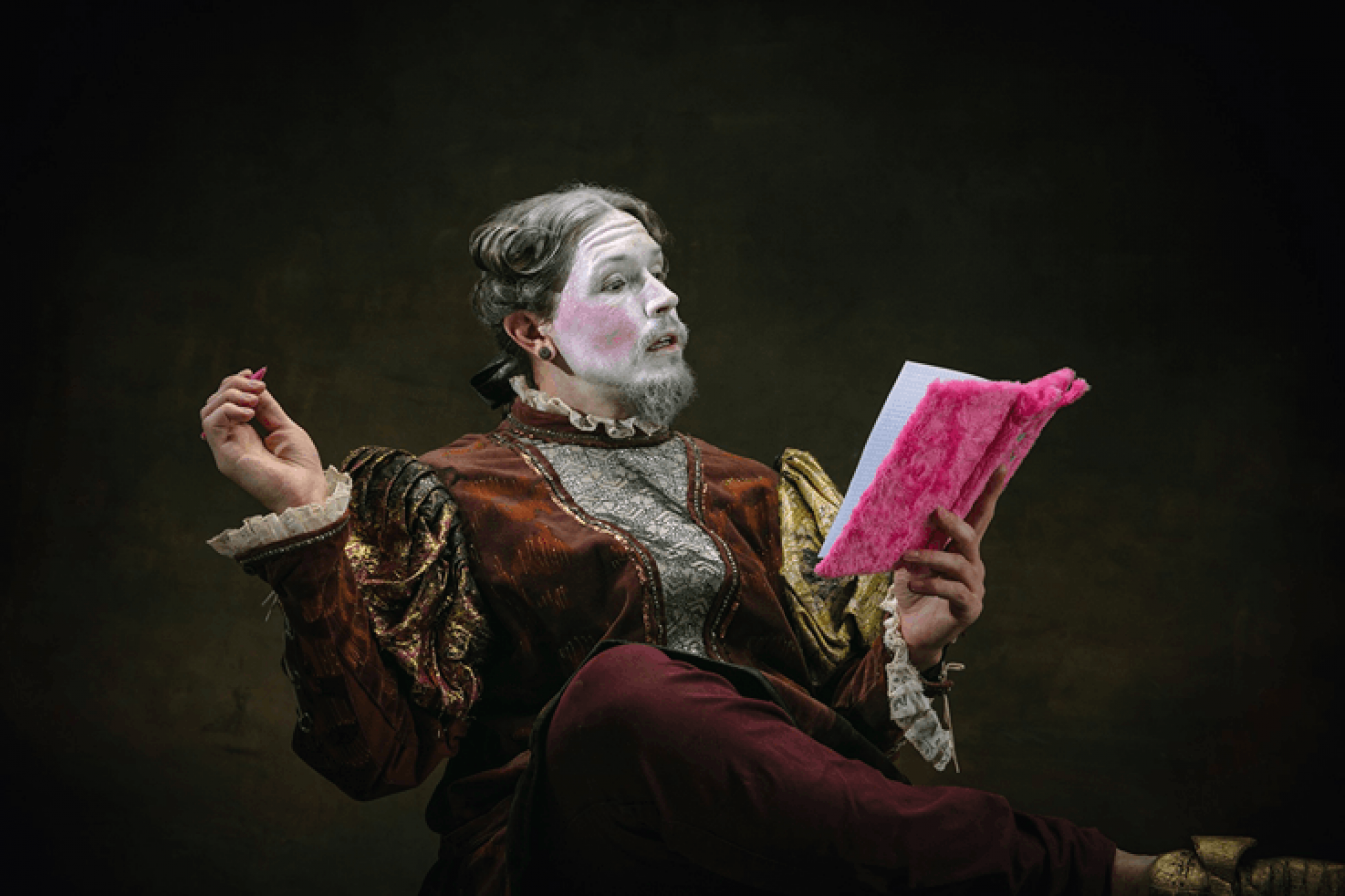
Shakespeare acting technique is both challenging and rewarding, requiring expressive language skills, emotional depth, strong technique, and a well-trained theater voice.
The poetic structures differ from modern scripts, so understanding rhythm, intention, and classical tools is essential.
Let’s learn the basics of Shakespeare acting techniques, key plays to know, how to interpret his text, why he uses prose and verse, and how to strengthen your overall classical performance.
What Is Shakespeare Acting Technique?

Shakespeare acting technique is a collection of skills designed to help actors understand and communicate Shakespearean text with clarity, emotional truth, and technical precision.
Because Shakespeare wrote over 400 years ago, his language can feel unfamiliar, but it’s far from impossible to understand. Shakespeare acting training teaches actors how to decode that language and bring it to life.
Shakespeare Plays Actors Should Know
While every Shakespeare play offers excellent material, a few stand out as essential for actors studying classical technique. These works give you a strong understanding of Shakespeare’s range from comedy to tragedy to history.
1. Hamlet

Hamlet is famous for its psychological depth, emotional shifts, and iconic monologues like “To be or not to be.” Working on Hamlet trains you to handle philosophical dialogue while keeping it grounded and relatable. The text forces you to explore internal conflict, grief, hesitation, and moral struggle—all at once.
2. Macbeth
Macbeth is perfect for training bold emotional choices and sustaining intensity. The story is driven by ambition, fear, guilt, and the pull of the supernatural. It is ideal for practicing explosive moments alongside quiet, psychological ones.
3. Romeo and Juliet
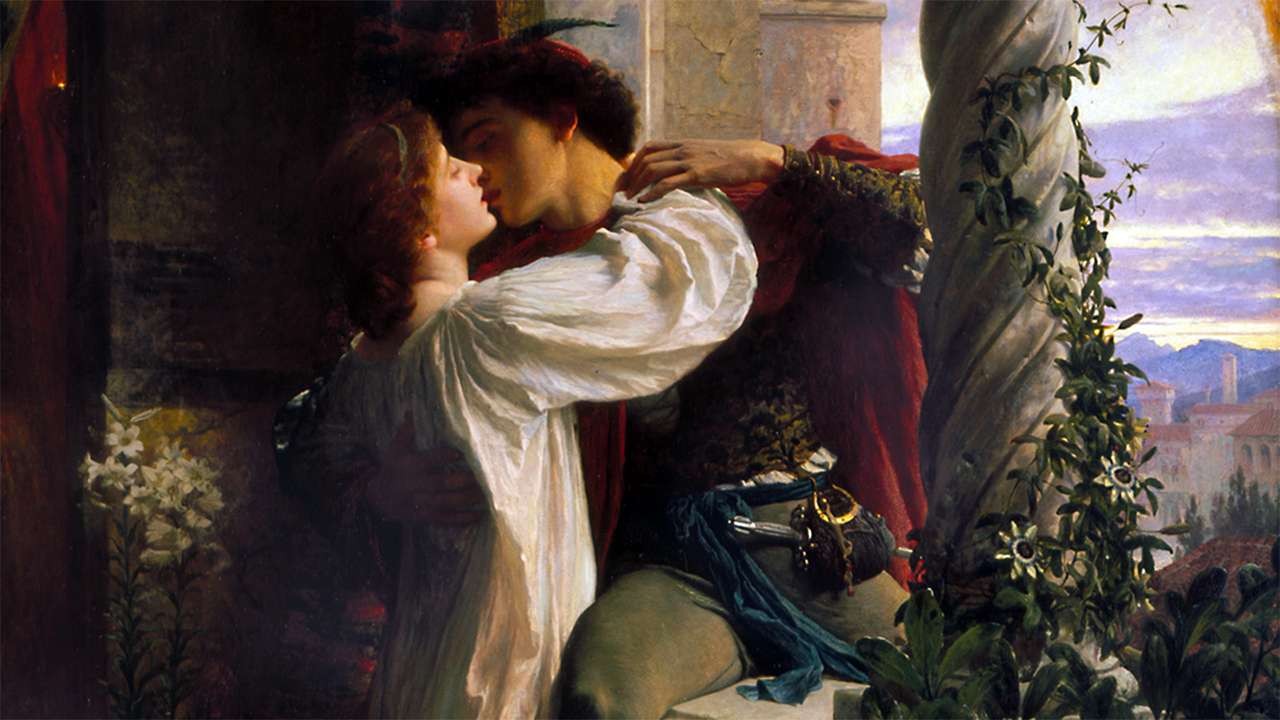
Romeo and Juliet play is FULL of emotion. You will perform love, passion, anger, impulsiveness, and heartbreak. It’s a great introduction to Shakespeare’s verse because the intentions behind the lines are so clear and rooted in youthful intensity.
4. A Midsummer Night’s Dream
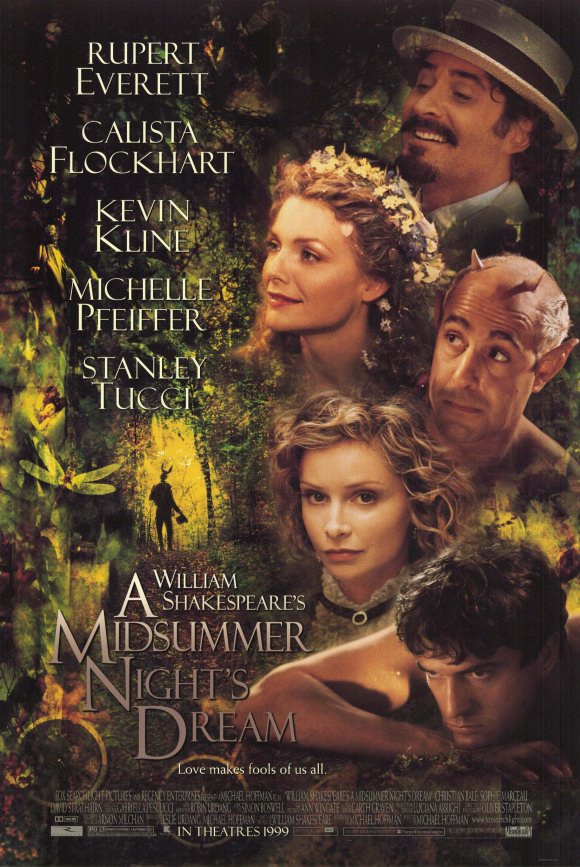
A Midsummer Night’s Dream is one of Shakespeare’s funniest, most playful works. It lets you tap into your comedic instincts and move in physical, imaginative ways. From mischief to romance to magical confusion, the tone is light but surprisingly disciplined.
5. Julius Caesar

Julius Caesar play is excellent for mastering speeches that rely on argument, logic, and power. It’s also very ensemble-driven, which trains you to work as part of a larger dramatic machine.
How to Interpret Shakespeare’s Text
Interpreting Shakespeare is a detective-like process. Everything you need is already in the text, the rhythm, punctuation, structure, and word choices are deliberate tools that guide actors. Here’s how to approach interpretation:
1. Start With Understanding the Meaning
Before you perform a line, you must understand what you’re saying. Use modern translations, glossaries, or line-by-line resources if needed. But always return to the original text for nuance.
2. Break the Text Into Thought Units
Shakespeare's lines are structured around thoughts, not sentences. Each breath or punctuation mark often signals a new idea.
3. Identify Operative Words
Operative words are the most important ones in the line, usually verbs, nouns, or key adjectives. They help shape intention and meaning.
4. Use the Given Circumstances
Shakespeare gives you detailed clues: social status, relationships, emotional shifts, and worldview. Treat these clues with the same respect you would in modern scripts.
5. Follow the Emotional Logic
Even in heightened language, the emotional truth must remain grounded. Your job is to make Shakespeare feel human, not historical.
Why Shakespeare Uses Both Prose and Verse
Shakespeare’s choice to use both prose and verse is intentional and purposeful. Each form helps shape character, emotion, and storytelling in different ways.
By switching between them, Shakespeare signals shifts in status, mood, or thought, giving actors valuable clues about how a line should be delivered. Understanding why he uses both forms helps you interpret his text with greater depth and nuance.
1. Prose
Prose is everyday speech. Characters speak in prose when they are:
- Relaxed
- Comedic
- Of lower social status
- Drunk, babbling, or being informal
2. Verse
The verse follows a rhythmic structure, most commonly iambic pentameter.
Characters speak in verse when they are:
- Noble or high-status
- Emotional or passionate
- Speaking about love, death, or philosophy
- Casting spells (in the case of witches)
- Engaged in heightened situations
How to Improve Iambic Pentameter, Scansion, Punctuation and Classical Text
Improving iambic pentameter, scansion, punctuation, and classical text begins with understanding verse rhythm and structure. Here’s what you need to know:
1. Iambic Pentameter
Strengthen your sense of rhythm by tapping the beat, speaking lines slowly, and marking stresses. Practice shifting between natural and metered speech, record yourself for feedback, and work with a coach to make your delivery smooth and natural.
2. Scansion
Scansion helps you mark stresses and pauses in the verse, revealing a character’s emotions, intentions, pacing, and hidden meanings. Irregular rhythms often show inner conflict. By scanning lines, you understand how Shakespeare shapes thought and can deliver the text with greater truth.
3. Punctuation
Shakespeare’s punctuation guides performance. Commas create small pauses, periods complete thoughts, colons and semicolons build ideas, question marks signal inquiry, and exclamation marks show strong emotion. Following these cues helps actors find shifts in intention and bring the text to life.
4. Classical Text
Improving classical text skills comes from regular practice. Read aloud, build your vocabulary, develop breath control, and use your body to support expression. Watching skilled actors also helps. Over time, the language becomes clearer, more natural, and more rewarding to perform.
Mastering Shakespeare Acting Techniques With Rockstar!
As you continue developing your classical skills, remember that growth comes from consistent practice, curiosity, and the courage to explore bold choices on stage.
If you’re looking for a place to sharpen these skills, Rockstar Academy Sports & Performing Arts Academy offers a broadway class where young performers can train with professional coaches and gain real stage experience.
Students can even join exciting opportunities such as Broadway Recital, Elite Championships and RockOlympics, where they learn discipline, teamwork, storytelling, and performance confidence on a larger scale.
With multiple locations across Indonesia and a welcoming community of passionate instructors, Rockstar Academy provides programs that support students at every level from beginners discovering classical text to advanced performers preparing for higher-level productions.
Best of all, you can experience the program firsthand with a free trial class, giving you the chance to explore their acting, music, dance, or performing arts programs before fully joining. Join our broadway class today!
FAQ
Is Shakespeare acting harder than modern acting?
It’s not necessarily harder, just different. You need more technical tools, but once you learn them, Shakespeare becomes exciting and intuitive.
Do I have to speak with a British accent?
No. Shakespeare works in any accent as long as clarity and rhythm are maintained.
How can I memorize Shakespeare faster?
Break lines into chunks, follow thought patterns, and use rhythm to your advantage. The structure actually helps with memorization.