Musicality in Dance: Dancing Between the Beats
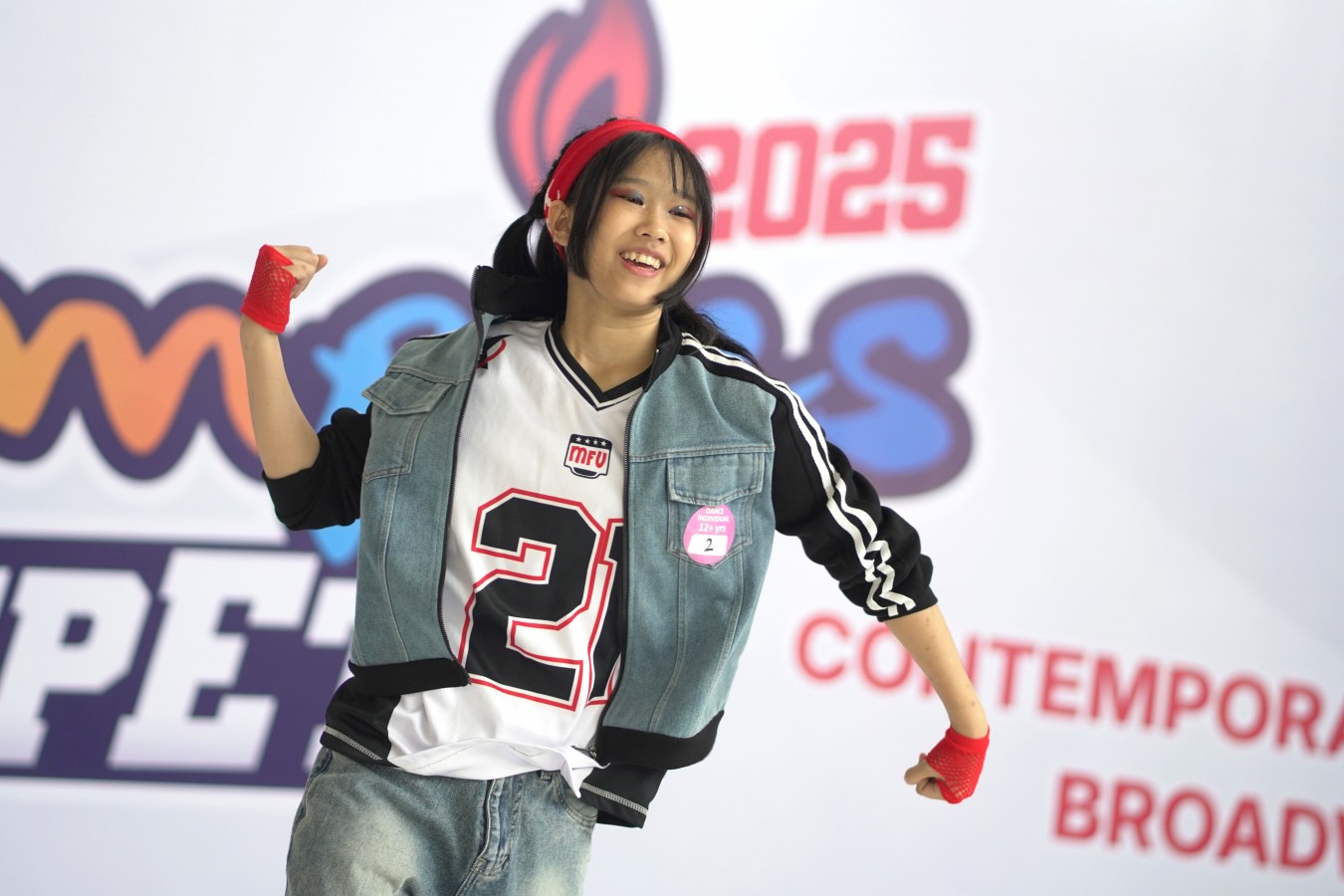
Some dancers move on the beat. Others play with it. That difference comes down to musicality in dance. It’s the ability to hear more than just “1–2–3–4” and translate the layers of a song into movement. The drums, the lyrics, the pauses, the build-ups, everything becomes part of how you choose to move.
When musicality is strong, your dance choreography feels intentional, creative, and emotionally connected to the music. In this article, we’ll explore what musicality really means, why it matters so much, and practical ways to train your listening skills so your dancing feels more dynamic and expressive.
What Is Musicality in Dance?
Musicality in dance is about how a dancer listens to music and turns what they hear into movement. It’s about choosing which sounds to move to, whether that’s the beat, the melody, the lyrics, or even the quiet pauses in between.
Dancers show musicality through how they hit accents, match their energy to the music, and express the mood or emotion of a song. When musicality is strong, the dance feels connected, intentional, and like it truly belongs to the music.
Why Rhythm and Texture Matter
Rhythm and texture are what give music its personality, and that’s exactly why they matter so much in dance. Rhythm is the structure of the song, the steady beat that keeps everything grounded. It helps you stay on time and gives your movement a clear foundation.
But if you only follow the basic beat, your dancing can start to feel predictable. That’s where texture comes in. Texture is all the layers inside the music, the bass hitting deep, the snare snapping sharp, the vocals flowing smoothly, or a sudden pause that creates tension.
When you start paying attention to these details, your movement becomes more dynamic. You might hit sharp moves on strong accents, flow through smooth melodies, or freeze during a dramatic pause.
How to Develop a Better Ear for Music as a Dancer
Developing a better ear for music doesn’t require you to be a professional musician. It just takes curiosity, exposure, and consistent listening. The more intentionally you listen, the more details you’ll start to notice, and that’s when your musicality in dance really begins to grow. Here are some practical ways to train your ear as a dancer:
1. Learn an Instrument
Picking up an instrument like a piano, guitar, or even a bass can completely change how you hear music. When you play music yourself, you start to understand rhythm, timing, and dynamics on a deeper level.
You’ll notice patterns, transitions, and emotional shifts more clearly. Even basic lessons can help you connect sound and movement in a more natural way.
2. Expose Yourself to Live and Recorded Performances
Go to live concerts, watch performance recordings, or listen to orchestras and symphonies. Live music especially helps you feel energy changes, tempo shifts, and emotional build-ups in real time.
The more styles of music you explore, like hip-hop, classical, R&B, or jazz, the more textures and rhythms you’ll recognize in choreography.
3. Practice Active Listening
Don’t just play music in the background, you have to really listen to it. Pay attention to how instruments rise and fall, when the beat drops, when the volume gets softer, or when the mood shifts.
Notice bright sounds like snares and high notes, and deeper sounds like bass and drums. Try focusing on one instrument at a time and imagine how your body would move to it.
4. Let the Music Lead Your Movement
If you’re used to choreographing in a very structured, count-based way, try loosening up. Instead of forcing moves to fit counts, let the music inspire the movement first.
Ask yourself: Is this part sharp or smooth? Heavy or light? Emotional or aggressive? Allow the sound to guide your choices, and your dance will feel more natural and expressive.
5. Stay Consistent and Curious
Like any skill, developing your ear takes practice. The more time you spend listening deeply and experimenting with different music styles, the stronger your musical awareness becomes. Stay open, explore new genres, and challenge yourself to hear beyond the obvious beat.
Practical Ways to Improve Your Musicality
Improving your musicality in dance is about training your ears and your body to respond to music in a deeper way. If you want your choreography to feel more dynamic, intentional, and connected, here are some practical ways to level it up:
A. Mark the Layers of the Song
Play a song and try dancing to just one layer at a time. First, move only to the beat. Then try dancing to the melody. After that, focus on the bass or even the lyrics.
This helps you understand that music has multiple textures, and you can choose which one to highlight in your choreography.
B. Play With Timing
Not every move has to land exactly on the main beat. Try hitting slightly before, slightly after, or holding a pause during a dramatic moment.
Adding pauses, slow motions, or sudden accents makes your choreography less predictable and more interesting.
C. Use Dynamics in Your Movement
Match your energy to the music. If the sound is sharp and punchy, use clean, strong hits. If it’s smooth and emotional, make your movements flow. Think of it like volume control, sometimes you go big and powerful, sometimes small and subtle.
D. Freestyle Regularly
Freestyling forces you to react in real time. Put on different genres of music and let your body respond naturally. Don’t overthink it, just explore. This builds instinct and helps you feel comfortable experimenting with musical textures.
E. Count Less, Feel More
Counting “5-6-7-8” is helpful, especially for beginners. But once you’re comfortable, try dancing without counting out loud. Focus on what you hear instead of numbers. Let the music guide your choices instead of forcing moves into strict counts.
F. Study Choreographers With Strong Musicality
Watch dancers known for their musicality and observe how they interpret songs. Notice where they pause, what sounds they hit, and how they change their energy. Then try applying similar ideas to your own choreography.
Dance Between the Beats!
Musicality in dance is what transforms movement into art. Anyone can learn steps, but not everyone can make the music visible through their body. When you truly understand rhythm, layers, and dynamics, your dancing becomes more intentional and more captivating to watch.
If you’re looking for a place to grow your skills and confidence through movement, the dance class at Rockstar Academy is the perfect choice. As a leading Sports & Performing Arts Academy, Rockstar Academy offers structured and exciting training in styles like hip hop dance, where students learn strong foundations, sharp choreography, and expressive performance skills.
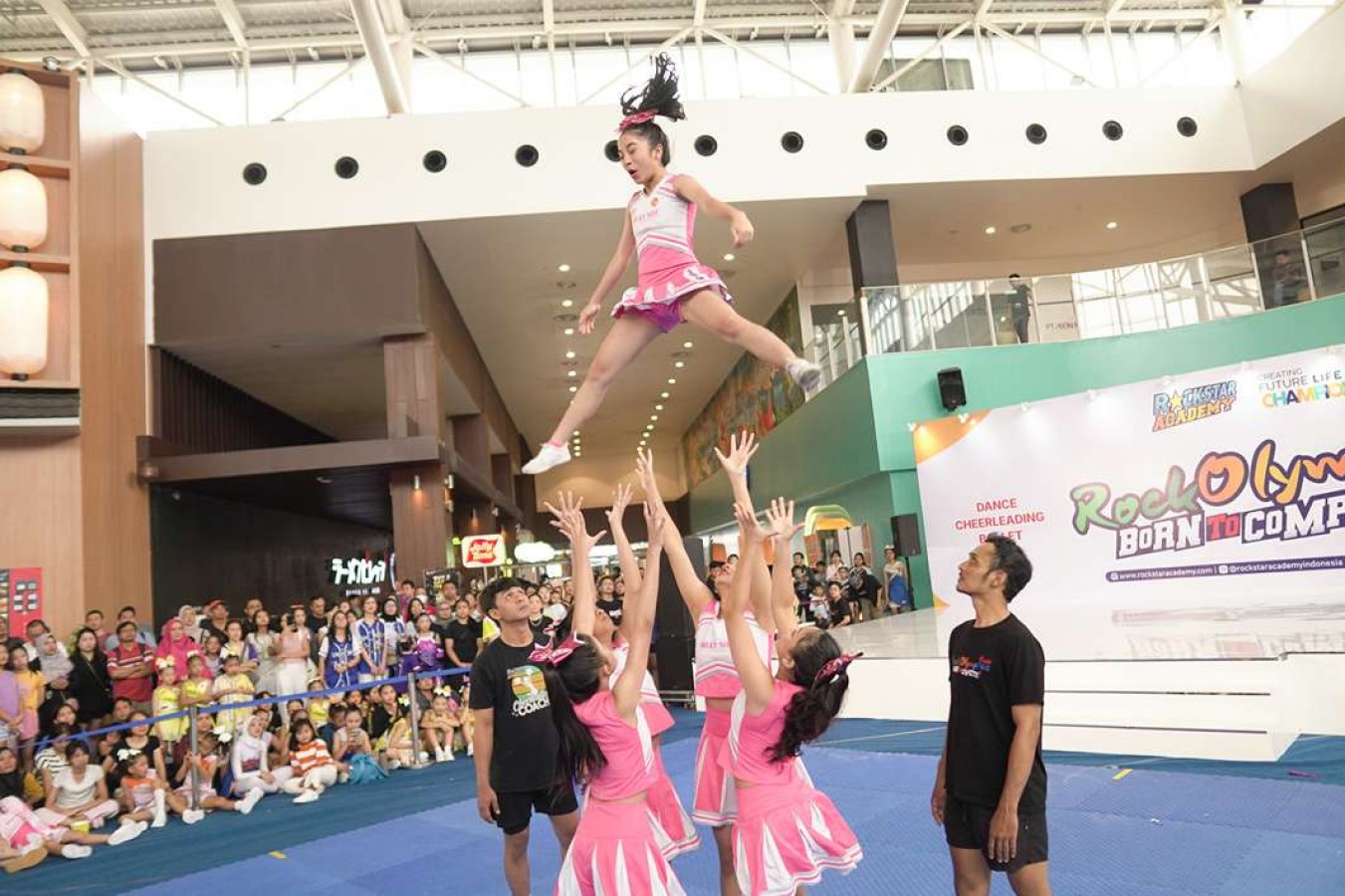
Rockstar Academy’s dance program is designed not only to improve technique but also to build stage presence and teamwork. Students even get the chance to showcase their progress in a professionally organized dance recital, giving them real performance experience and unforgettable memories. It’s more than just a dance class—it’s a place where passion, creativity, and confidence come to life.
Students will engage in a structured curriculum that also offers the chance to compete in Elite Championships and RockOlympics, unforgettable experiences that push them to realize their full dance potential.
Experience the joy of movement at Rockstar Academy with a free trial class. This no-obligation session gives you a chance to immerse yourself in our vibrant dance program, whether you're a beginner or looking to refine your skills. You'll engage with passionate instructors dedicated to helping you unleash your creativity and build confidence. Sign up for your free trial class today and take the first step on your exciting dance journey!
FAQ
What is an example of musicality in dance?
Hitting a sharp move exactly on a drum accent or freezing during a pause in the music is a simple example of musicality.
Why is musicality important in dance?
Because it makes your movement feel connected to the music, more expressive, and more engaging to watch.