Cheer Basket Toss: Understanding the Roles and Technique
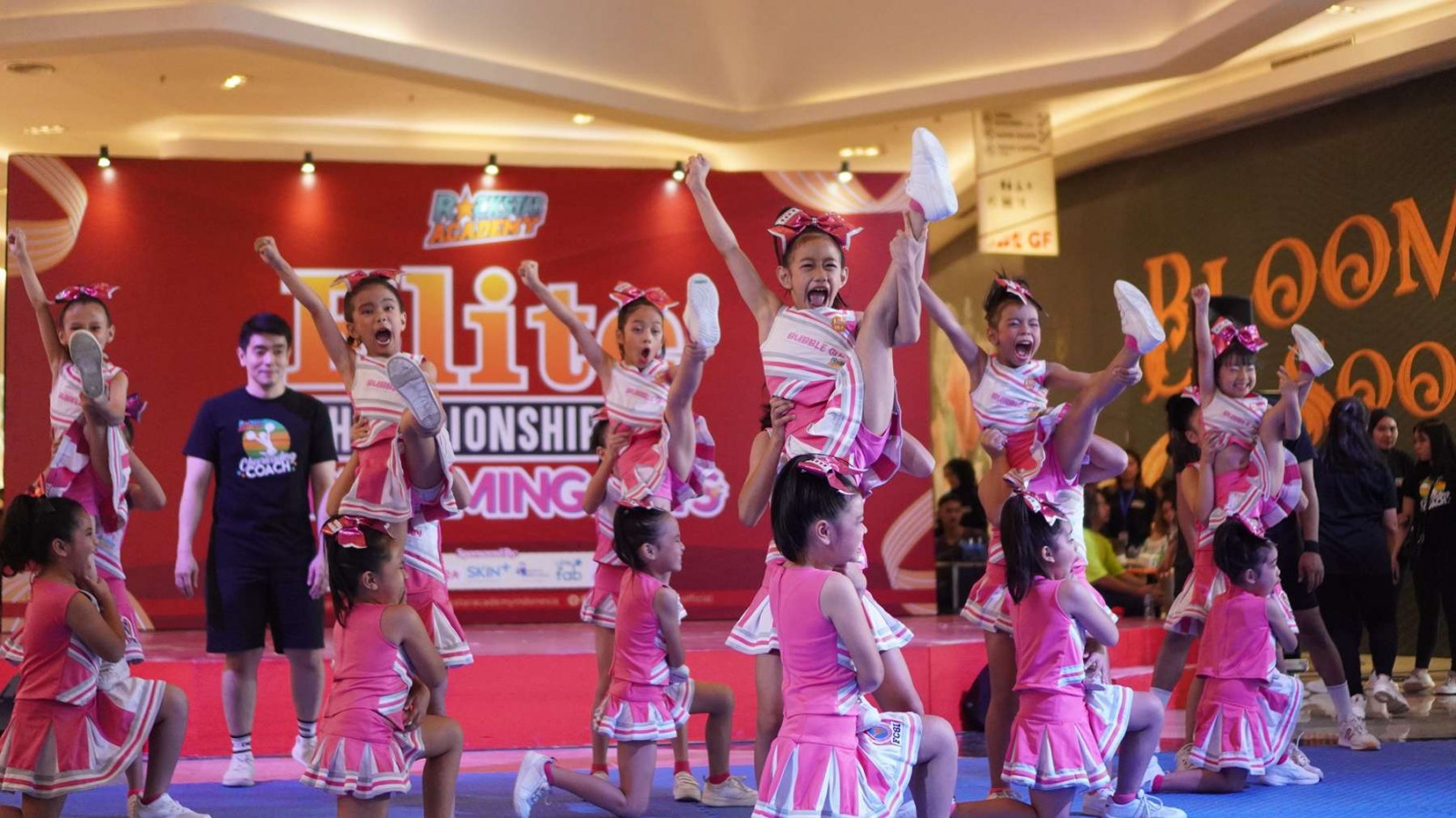
Big, powerful, and impossible to ignore—the cheer basket toss is one of those cheer skills that instantly grabs attention. In this article, we’ll take a closer look at what makes this skill so special. You’ll learn what a cheer basket toss is, how the technique works, and why teamwork plays a huge role in making it successful. Let’s check it out!
What Is a Cheer Basket Toss?
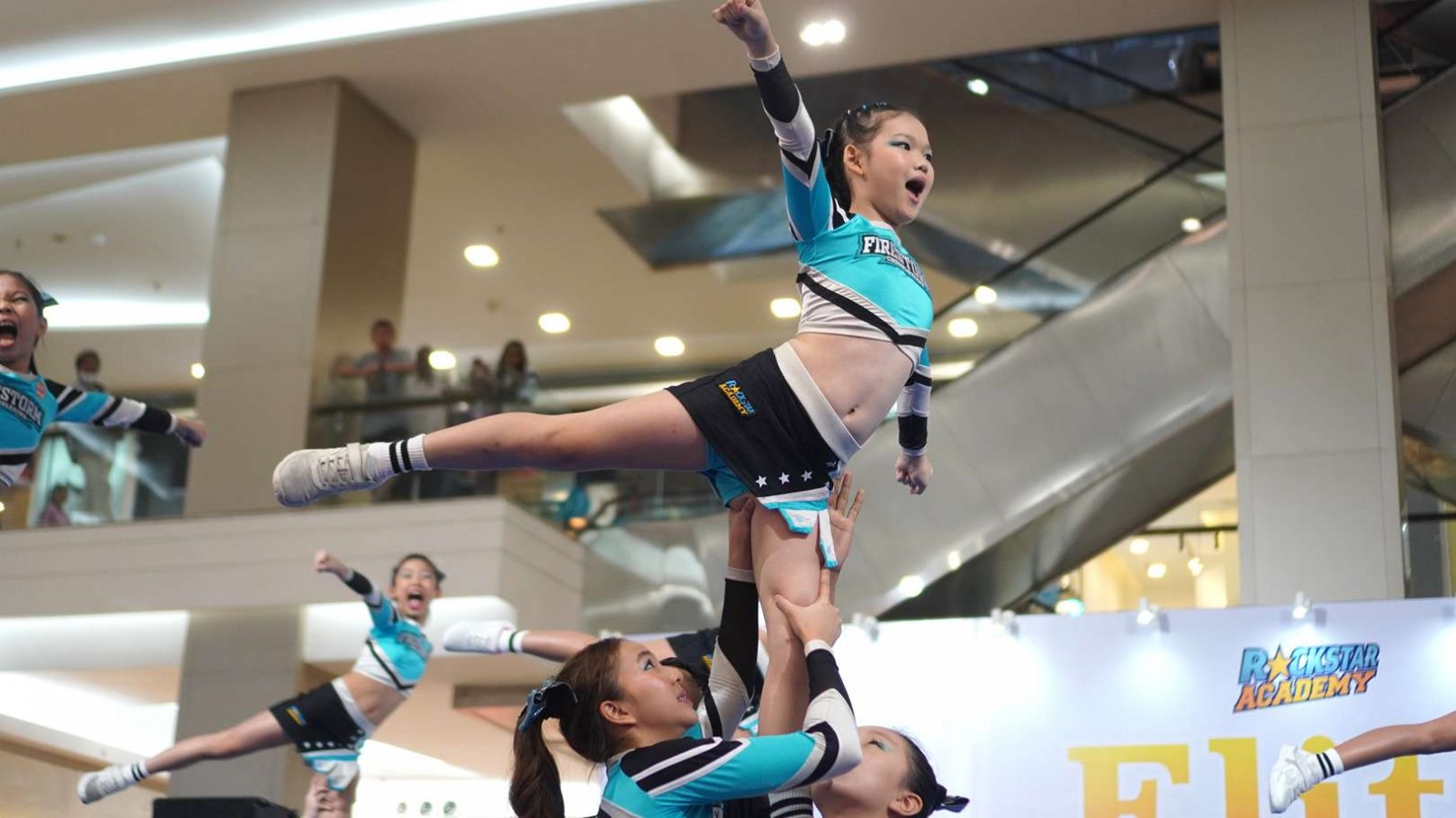
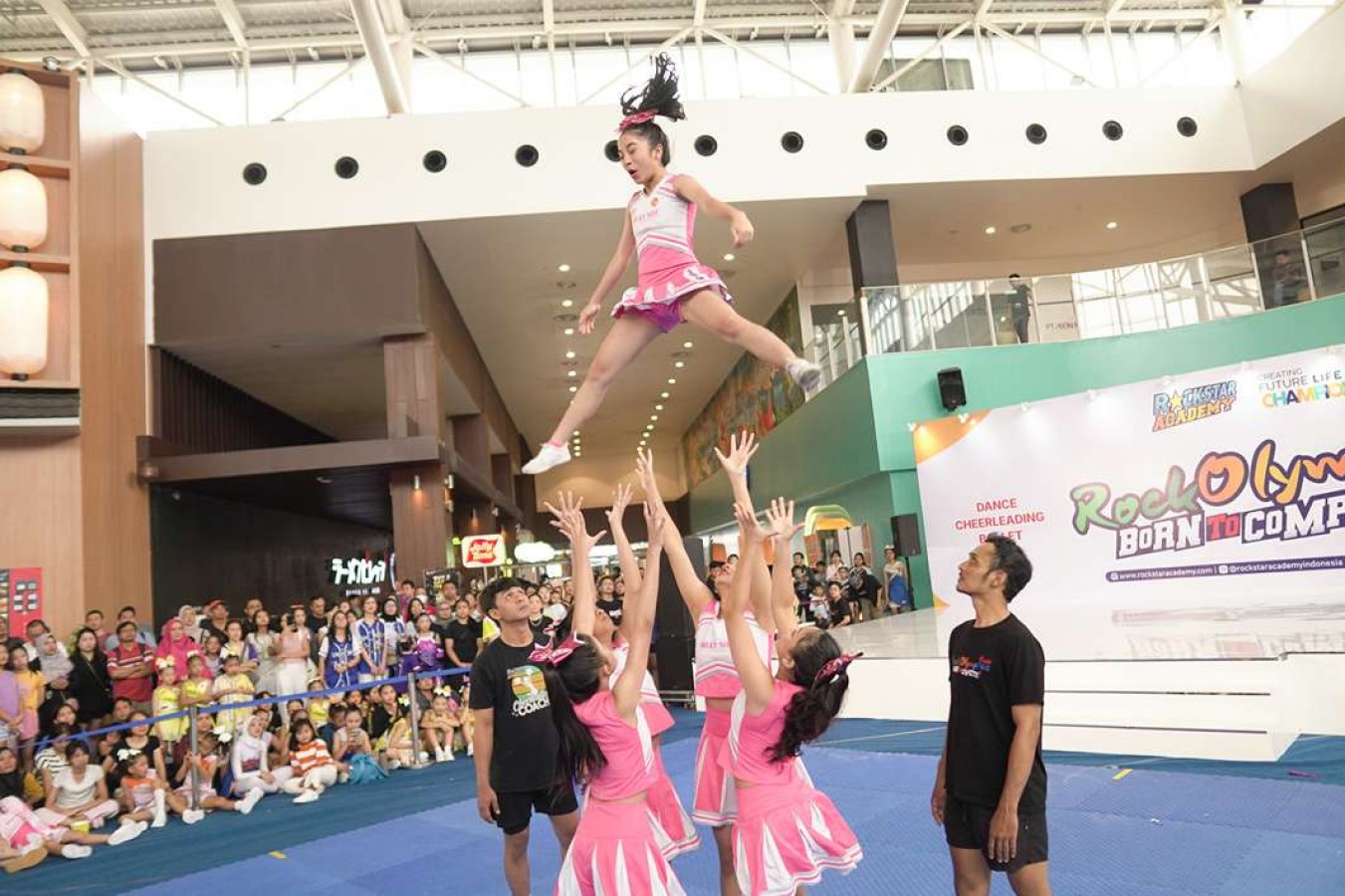
A cheer basket toss is a cheerleading stunt where a group of bases and a back spot use their hands to create a “basket” and toss a flyer high into the air. The flyer jumps with the group, performs a skill at the top of the toss and then gets caught safely by the team.
Basket tosses are exciting to watch because they show power, timing, and teamwork, and they require a lot of trust between the flyer and the bases to be done cleanly and safely.
How to Do a Cheer Basket Toss
A cheer basket toss is one of the most exciting and high-energy stunts in cheerleading. It requires perfect timing, strong technique, and full trust between the flyer, bases, and scoop.
When done correctly, the basket toss looks powerful, clean, and effortless. Below is a step-by-step breakdown of each phase of the basket toss, explaining what every role should do and why each detail matters.
1. Loading In
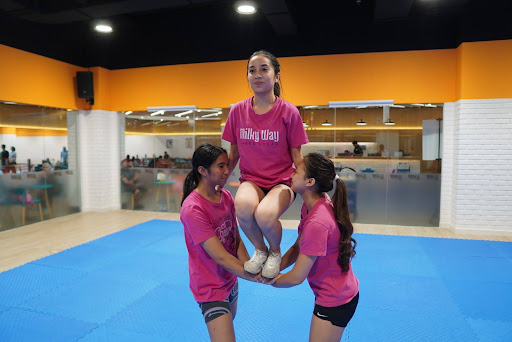
The loading phase sets the foundation for the entire basket toss. If the load is rushed or unstable, the toss will lose height and control.
- Bases
Bases should begin by standing close together with their feet about shoulder-width apart. This stance gives stability and allows the bases to generate power from their legs.
Keep your back upright and chest lifted—this helps protect the lower back and ensures the toss is driven by the legs and shoulders rather than improper lifting.
Remember to stay low during the load to make it easier for the flyer to jump in. A low, controlled position allows the flyer to enter the basket smoothly instead of being lifted awkwardly.
Make sure your basket grip is tight and consistent with your partner’s grip. If a front base is used, their role is to support under the basket during the load. Once the flyer is set and the toss begins, the front base should step away to clear space for the release and catch.
- Flyer
The flyer should stand close to the bases to minimize unnecessary movement. Place your hands firmly on the bases’ shoulders for balance and support.
As you load in, jump using your legs and pull with your arms. The flyer must always help herself into the basket—relying only on the bases can throw off timing and balance.
2. Landing in the Basket (The Dip)
.png)
This phase is all about timing and synchronization. The dip creates the power that launches the flyer into the air.
- Bases
As the flyer lands in the basket, follow her timing closely. The dip should be smooth, controlled, and unified between both bases. During the dip, your hands should travel below your knees to create maximum power.
Avoid rushing or dipping unevenly, as this can send the basket off-center. After the dip, explode upward through your legs and lift through your shoulders.
This upward drive is what builds height and stability in the toss. Strong legs and controlled timing are more important than arm strength alone.
- Flyer
When landing in the basket, place your toes in the center with your heels slightly off the back. This positioning helps prevent slipping forward as the toss begins.
Most of your weight should stay in your arms rather than pressing down through your feet. As the bases dip, keep your hips above your knees.
Letting your hips sink too low can cause the basket to travel backward, which is a common mistake in basket tosses.
3. Scoop (Back Spot Role)
.png)
The back spot role plays a critical safety role throughout the basket toss. The scoop may assist the flyer into the basket, but should never lift her too high. The flyer must still be responsible for jumping in on her own.
Once the flyer’s feet are about to land, the scoop places their hands under the basket to add support and power. Follow the same timing as the bases during the dip and toss.
When throwing, always throw straight up—never pull the basket toward yourself. After the release, keep your arms up and ready to catch the flyer as high as possible, focusing on protecting the head and shoulders.
4. The Takeoff
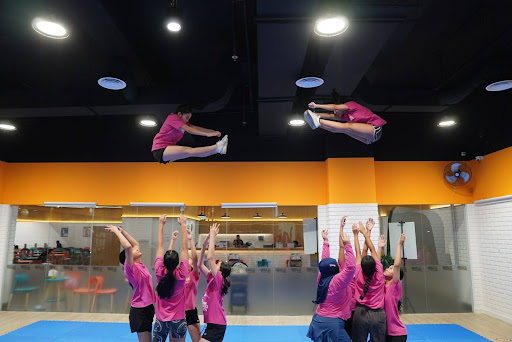
The takeoff phase determines the height and quality of the basket toss.
- Bases
Continue the explosive motion created at the bottom of the dip. Drive upward through your legs, shoulders, and arms. At the top, release with a controlled flick to help the flyer gain extra height.
Notice that strong bases lift through their entire body, including rising onto their toes. Once you release the flyer, keep your arms extended upward.
This prepares you immediately for the cradle catch and helps maintain awareness of the flyer’s position in the air.
- Flyer
As the basket leaves your feet, lift through your shoulders and arms to pull yourself upward. Avoid pushing down too hard with your legs, as this can interrupt the bases’ momentum.
Stay tall and tight until you reach the peak of the toss. Once you feel the top of your height, smoothly pike into a cradle position. Keep this controlled since throwing your head or shoulders backward can cause over-rotation and unsafe landings.
Before adding skills like toe touches, the flyer should master straight tosses, known as timers. Skills should always be performed at the very top of the toss for safety and control.
5. The Catch (Cradle)
.png)
The final phase focuses on safety, control, and clean technique.
- Bases
Bases should catch high with arms fully extended. Standing close together with an upright back allows the flyer’s weight to be absorbed properly.
One arm should support the flyer’s lower back, while the other supports under the thighs. As the flyer lands, resist her weight and bend through your legs to cushion the impact. Never let the flyer drop into the catch—control is key.
- Flyer
Land in a strong open pike position with pointed toes. Avoid folding too tightly into a full pike. Hold onto the bases’ shoulders for extra safety and stability. Grabbing the lower back may feel comfortable, but it offers no real protection.
- Scoop
The scoop should also catch high and use their legs to absorb the landing. Support the flyer under the shoulders using the middle of the forearm.
Catching with elbows too close increases the risk of injury, so proper spacing is essential.
Ready to Take Your Stunts Higher?
The cheer basket toss shows how much cheerleading depends on trust and timing. When everyone understands their job and moves together, the basket toss becomes smooth, controlled, and impressive to watch.
If you want to level up your cheer skills and truly understand your flyer role, the Cheerleading Program at Rockstar Academy is the place to be. As a leading Sports & Performing Arts Academy, we focus on building strong fundamentals, safe stunting techniques, and confident performers.
Training sessions are designed to improve strength, timing, and trust, all while preparing athletes for high-level performances and competitions like Cheer Recital, Elite Championships and RockOlympics.
You will train with experienced coaches in a supportive environment that pushes you to grow, perform, and shine on the mat. Curious to experience it yourself? Rockstar Academy offers a free trial class, so you can jump in, train with the team, and feel the difference before committing!
FAQ
What is a basket toss in cheerleading?
A basket toss is a cheer stunt where bases and a back spot throw a flyer into the air, the flyer performs a skill, and then gets caught safely in a cradle.
What skills can a flyer do in a basket toss?
Common skills include straight rides (timers), toe touches, pikes, and layouts.