Taekwondo Flexibility: The Secret to Powerful and High Kicks
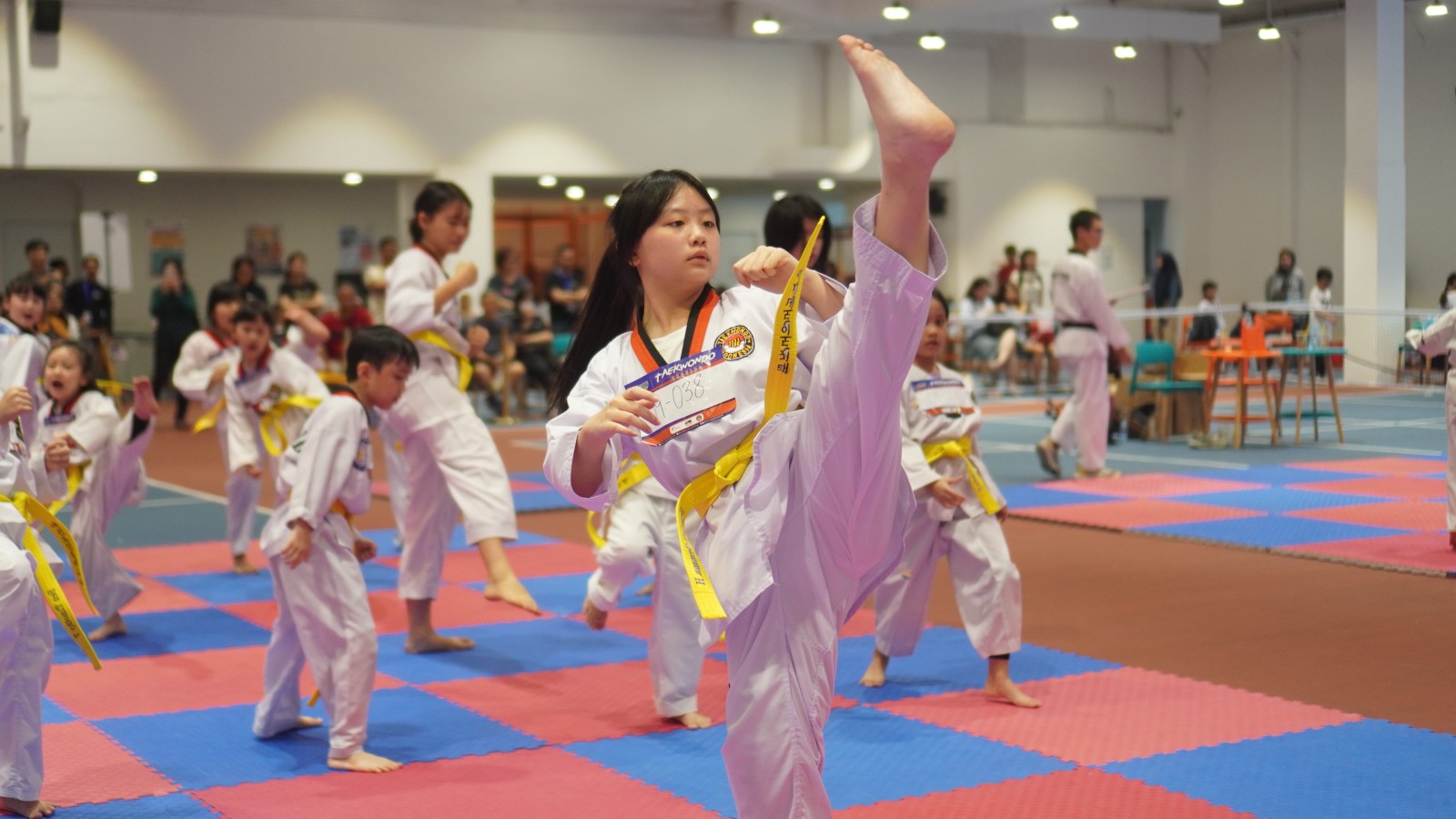
Big, high kicks are the signature of Taekwondo, but they don’t come from strength alone. The real secret behind explosive kicks is taekwondo flexibility. Without good flexibility, kicks feel heavy, limited, and harder to control. With it, your legs move faster, your technique looks sharper, and reaching head level feels natural instead of forced.
Flexibility allows your hips to open, your muscles to extend fully, and your body to generate power without tension. That’s why Taekwondo athletes spend just as much time stretching as they do kicking. In this article, we’ll explore how flexibility directly affects kick height and power, the most effective stretches used in Taekwondo training, and simple ways to improve your range of motion for better performance.
Effective Taekwondo Flexibility Drills
If you want real progress in taekwondo flexibility, you need drills that actually prepare your body for high, powerful taekwondo kick moves. The goal is to warm up properly, increase your range of motion, and build control at the same time. Below are some effective flexibility drills that Taekwondo practitioners commonly use to boost performance safely and consistently.
1. Dynamic Leg Swings
This is a perfect warm-up drill to loosen up your hips before training. Stand next to a wall for balance and swing one leg forward and backward in a controlled motion. Start low, then gradually increase the height as your muscles warm up.
Do about 15 swings per leg. Keep your core tight and avoid snapping or jerking the leg. Smooth control is what improves flexibility and kicking power.
2. Front Split Practice
Front splits are great for improving hamstrings and hip flexibility, which directly helps with front kicks and axe kicks. From a kneeling position, extend one leg forward and slowly slide down until you feel a deep stretch.
Hold for 20-30 seconds, then switch sides. If you’re still building flexibility, use yoga blocks or cushions for support. The key is steady progress, not forcing your body too fast.
3. Side Split Stretch
Side splits target the inner thighs and hips, which are crucial for side kicks and roundhouse kicks. Sit with your legs extended wide apart, place your hands on the floor in front of you, and gently lean forward.
Hold the stretch for 20-30 seconds. Don’t rush the process. Flexibility improves over weeks and months, not overnight. Stay patient and avoid pushing into pain.
4. Butterfly Stretch
This simple stretch helps open up the hips and inner thighs for a smoother kicking motion. Sit down, press the soles of your feet together, and hold them with your hands.
Use your elbows to gently press your knees toward the floor. Hold for 20-30 seconds while keeping your back straight. Avoid rounding your shoulders. Good posture makes the stretch more effective.
5. Lunge Stretch
Tight hip flexors can limit your kick height, so lunges are a must. Step one foot forward into a deep lunge while keeping your back leg extended. Hold for 20-30 seconds on each side.
For a deeper stretch, add a gentle twist by reaching one arm toward the ceiling. This not only improves hip mobility but also helps with balance and rotation during kicks.
6. Standing Hamstring Stretch
Flexible hamstrings are essential for clean, high kicks. Stand upright, place one heel on a low surface, and lean forward with a straight back until you feel a stretch.
Hold for 20-30 seconds per leg. Avoid bouncing, steady pressure works better and reduces the risk of injury.
7. Spinal Twists
Flexibility isn’t just about your legs. A flexible spine improves balance and allows smoother turning for spinning or roundhouse kicks. Sit with your legs extended, cross one leg over the other, and twist your torso toward the bent knee.
Hold for 20-30 seconds, then switch sides. Move slowly and breathe deeply to maximize the stretch.
Specific Stretches Used by Taekwondo Practitioners
When it comes to improving taekwondo flexibility, athletes don’t just stretch randomly. They use specific types of stretching at the right time to get the best results. Some stretches are meant to warm up the body before training, while others help increase flexibility after practice.
Here are the main types of stretches commonly used by Taekwondo practitioners:
A. Dynamic Stretching
Dynamic stretching is usually done before training to warm up the muscles and prepare the body for kicking. These stretches involve controlled movement rather than holding a position.
Examples include leg swings, walking lunges, and light hip rotations. The goal is to increase blood flow, activate the muscles, and improve mobility without making the body feel loose or weak. This type of stretching helps you kick higher and faster during practice.
B. Static Stretching
Static stretching is performed after training, when your muscles are already warm. This involves holding a stretch for about 20-30 seconds to lengthen the muscles gradually.
Common examples in Taekwondo include front splits, side splits, and seated hamstring stretches. Static stretching helps improve long-term flexibility, reduce muscle tightness, and support better recovery after intense kicking sessions.
C. PNF Stretching
PNF (Proprioceptive Neuromuscular Facilitation) stretching is a more advanced method often done with a partner. It combines stretching and muscle contraction to achieve deeper flexibility gains.
For example, you stretch your leg, gently contract the muscle for about 5-10 seconds, then relax and stretch further. This technique can significantly improve range of motion, but it should be done carefully and with proper guidance to avoid injury.
Why Flexibility Is Key to Powerful High Kicks
Flexibility is the secret weapon behind powerful high kicks because it allows your body to move freely without fighting against tight muscles. When your hips, hamstrings, and inner thighs are flexible, you can lift your leg higher with less effort and better control.
That means more speed, smoother technique, and stronger impact. Instead of forcing the kick and losing balance, your body flows naturally through the motion.
Good flexibility also improves your range of motion, which helps you generate more power from your hips, where real kicking strength comes from. Simply put, the more flexible you are, the easier and more explosive your high kicks become.
How to Improve Your Range of Motion Safely
Improving your range of motion is important, but doing it safely is even more important. You don’t want faster progress, you want steady, injury-free progress. Here’s how to increase your flexibility the smart way:
1. Always Warm Up First
Never stretch cold muscles. Do 5-10 minutes of light cardio like jogging, jumping rope, or dynamic leg swings before deep stretching. Warm muscles respond better and reduce the risk of strains.
2. Stretch Consistently (Not Aggressively)
Flexibility improves with regular practice, not by forcing one intense session. Stretch at least 3-5 times per week and focus on gradual improvement. If it hurts sharply, you’re pushing too far.
3. Use Controlled Movements
Avoid bouncing during static stretches. Slow, steady pressure is much safer and more effective. Controlled movement helps your muscles relax and lengthen properly.
4. Focus on Breathing
Don’t hold your breath. Slow, deep breathing helps your muscles relax and allows you to stretch a little deeper naturally. Exhale as you ease into the stretch.
5. Progress Gradually
Increase your stretch depth little by little. For example, aim to hold a stretch for 20–30 seconds and try to go slightly deeper each week, not each day. Flexibility gains usually take several weeks to notice real changes.
6. Listen to Your Body
There’s a difference between discomfort and pain. Mild tension is normal. Sharp or stabbing pain is not. If something feels wrong, stop and adjust.
Start with Better Range of Motion!
If you want higher, faster, and more powerful kicks, improving taekwondo flexibility should be a top priority. It’s the foundation behind impressive head kicks, spinning techniques, and explosive combinations.
The Taekwondo Program at Rockstar Academy is designed to help students master strong technique, sharp discipline, and explosive taekwondo kicks moves in a structured yet motivating environment.
As a leading Sports & Performing Arts Academy, Rockstar Academy combines professional coaching, proper fundamentals, and performance-focused training to help every student improve step by step—whether they’re beginners or preparing for competition.
With a clear pathway toward events like RockOlympics, students not only build skill and flexibility but also confidence and competitive spirit. The best part? You can experience the training atmosphere and see the progress for yourself through a free trial class at Rockstar Academy.
FAQ
Do I need to be flexible to start Taekwondo?
No. You don’t need to be flexible at the beginning—flexibility is something you build during training.
Does Taekwondo make you more flexible?
Yes. With regular practice and stretching, Taekwondo naturally improves your flexibility over time.