Mastering the Teep Kick: Muay Thai’s Ultimate Distance Control Tool
Sometimes the simplest move in Muay Thai is the one that gives you the biggest advantage. That’s exactly what the teep kick does. Often called the “push kick,” the teep might look basic at first glance, but don’t let that fool you. This technique is one of the most powerful tools for controlling distance, breaking your opponent’s rhythm, and setting up your own attacks.
In this article, we’ll break down what a teep really is, how it helps you control distance and timing in a fight, different ways to execute it effectively, and practical tips to help you sharpen this essential Muay Thai weapon.
What Is The Teep Kick in Muay Thai?
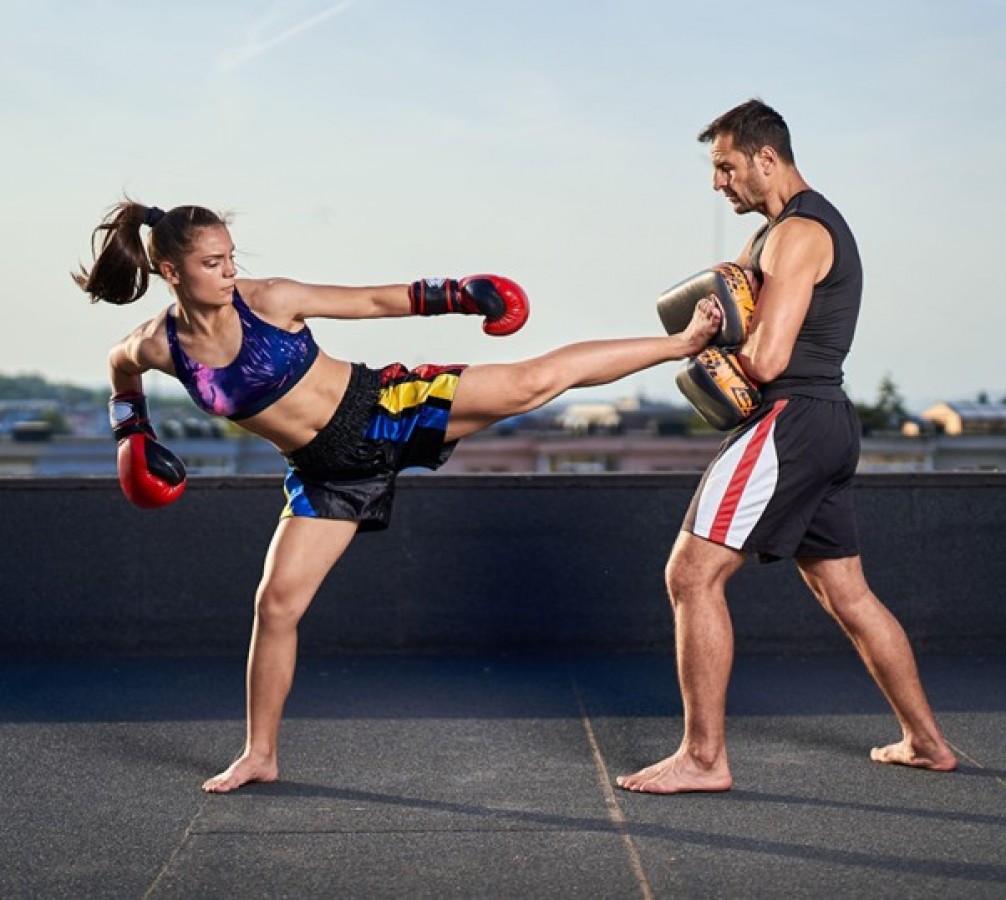
The teep kick in Muay Thai, often called the push kick, is a straight front kick where you lift your leg and drive the ball of your foot into your opponent’s body, usually the stomach, chest, or hips. It’s not swinging hard like a roundhouse; it’s more like a sharp, controlled shove with your foot.
The goal is to create space, mess up your opponent’s balance, and interrupt their attack before it even starts. The teep kick becomes super powerful when you use it with good timing and precision, making it one of the smartest and most useful tools in Muay Thai.
How to Use the Teep Kick to Control Distance and Timing
Using the teep kick to control distance is all about smart placement and timing. When your opponent tries to step in, you simply lift your front leg and push them back before they can launch their attack. It acts like a barrier, keeping them at the end of your range and stopping them from getting close enough to punch, kick, or clinch.
That’s why the teep is perfect for managing space and setting the pace of the fight. But you need a good balance and sharp timing, not just sticking your foot out. The best teeps land right as your opponent moves forward, knocking them off rhythm and forcing them to reset.
Different Ways to Execute the Teep Kick
You can use the teep kick in different ways depending on your goal, your opponent, and the situation in front of you. Sometimes it’s light and fast, sometimes it’s heavy and punishing. By mixing up how you throw your teep, you become harder to read and much more annoying to deal with. Below are some of the most effective ways to execute the teep kick in Muay Thai moves, each with its own purpose and advantage:
1. Touch Teep (Range Finder)
This version works like a jab, but with your foot. It’s light, quick, and mainly used to measure distance or provoke a reaction. You don’t need to fully thrust your hips, just extend your knee and lightly tap your opponent’s thigh or stomach.
It’s usually thrown with the lead leg because it’s faster and easier to retract. If you’re taller, this teep technique is amazing for keeping opponents stuck on the outside and frustrating them. It can also act as a feint, setting up a stronger strike right after.
2. Abdomen Teep (Body Stopper)
A teep straight to the stomach or lower abdomen is perfect for stopping an aggressive opponent in their tracks. When timed correctly, especially if they’re stepping forward, it can knock them off balance and even hurt their breathing.
You don’t always need full power; clean timing and accuracy are enough to disrupt their movement.
If you land it hard to the lower abdomen, it can make them fold slightly, dropping their head and opening chances for follow-up attacks like an uppercut, roundhouse kick, or knee. This technique is simple, but incredibly effective.
3. Thigh Teep (Rhythm Breaker)
Targeting your opponent’s lead thigh with a teep is a great way to annoy and slow them down. It breaks their rhythm and makes it harder for them to step in confidently. Over time, consistent thigh teeps can reduce their movement speed and timing.
This strike is usually done with the lead leg against their lead leg. To avoid slipping off a sweaty thigh, slightly turn your heel outward so more of your foot makes contact. It’s a small adjustment that makes a big difference.
4. Chest Teep (Power Push Back)
This is where the teep becomes more aggressive. A strong chest teep is designed to drive your opponent backward, not just stop them. You’ll need to fully extend your hips and push through the target, usually the solar plexus or upper chest, to knock them off balance.
Keep your opposite hand tight to your head for protection in case they try to counter. The rear leg push kick works great here because it generates more momentum. You can even add a small jump or scissor motion for extra power. After pushing them back, you’ll often have space to follow up with a strong low kick or combination.
5. Head Teep (High Risk, High Reward)
The head teep is the most dangerous version. It follows the same motion as the chest teep, but you lift your knee higher and aim for the face or chin. If it lands clean with speed and power, it can seriously damage or even knock out your opponent.
However, it also carries more risk because your leg is higher and easier to catch. That’s why it’s best used when your opponent is already backing up, off-balance, or hurt. You can jump into it for extra impact, but timing is everything.
Tips for Mastering the Teep Kick
Throwing a teep kick is easy, but mastering it takes consistent practice and attention to the small details. A few focused habits in training can make your teep stronger, faster, and way more effective in real fights or sparring. Here are some practical tips to help you sharpen your teep kick and use it with confidence:
A. Emphasize Stance and Balance
Everything starts with your stance. If your base is unstable, your teep will feel weak and easy to counter. Make sure your weight is centered, your guard is up, and your standing leg is strong before you lift your kicking leg.
After every teep, focus on landing back in position and not falling forward or off-balance. A good habit is to pause for a second after each kick during Muay Thai drills and check your posture. If you can teep and still feel grounded, you’re doing it right.
B. Hip Engagement Drills
Power in the teep doesn’t come from the leg alone, it comes from your hips. Practice driving your hips forward as you extend your kick, especially for stronger teeps to the body or chest.
Shadowboxing with slow, controlled teeps while focusing on hip thrust and full extension helps build muscle memory.
You can even do 3 rounds of shadowboxing (around 2–3 minutes each) just focusing on clean hip engagement. Over time, this will make your teep sharper, stronger, and more explosive.
C. Footwork Exercises
A great teep depends on good footwork. If your feet are in the wrong position, your timing and balance will suffer. Add simple Muay Thai footwork drills into your training, like stepping in and out, pivoting, and moving laterally before throwing a teep. Practice adjusting your distance quickly, then firing the kick.
This trains you to use the teep in real fight situations, not just in a static position. The smoother your footwork, the more natural and effective your teep kick will feel in sparring or competition.
Control the Distance, Control the Fight!
The teep kick might seem simple, just a push with the foot. But once you start using it with proper timing, balance, and intention, you’ll realize it’s one of the smartest weapons in Muay Thai. It controls distance, disrupts your opponent’s rhythm, protects you from pressure, and creates openings for powerful combinations. Few techniques can do all of that at once.
The Martial Arts Program at Rockstar Academy is designed to build more than just fighting skills, it develops confidence, discipline, strength, and mental focus in a fun yet structured environment.
As a leading Sports & Performing Arts Academy, Rockstar Academy combines professional coaching with proven training methods inspired by real competition experience, including preparation for events like RockOlympics.
Whether you’re a beginner looking to learn the basics or an athlete aiming to sharpen your technique, this program helps you grow step by step while staying motivated and challenged. Best of all, you can experience the training firsthand with a free trial class and see how Rockstar Academy can help you unlock your full potential.
FAQ
Do teep kicks hurt?
Yes. A well-timed teep kick can be very painful, especially to the body, and it can knock the wind out of you.
Is a teep to the face disrespectful?
Traditionally, yes. But in modern Muay Thai and competition, it’s considered a legitimate technique when used properly.