How to Overcome Fear in Parkour: Conquer Your Mind to Conquer the Wall
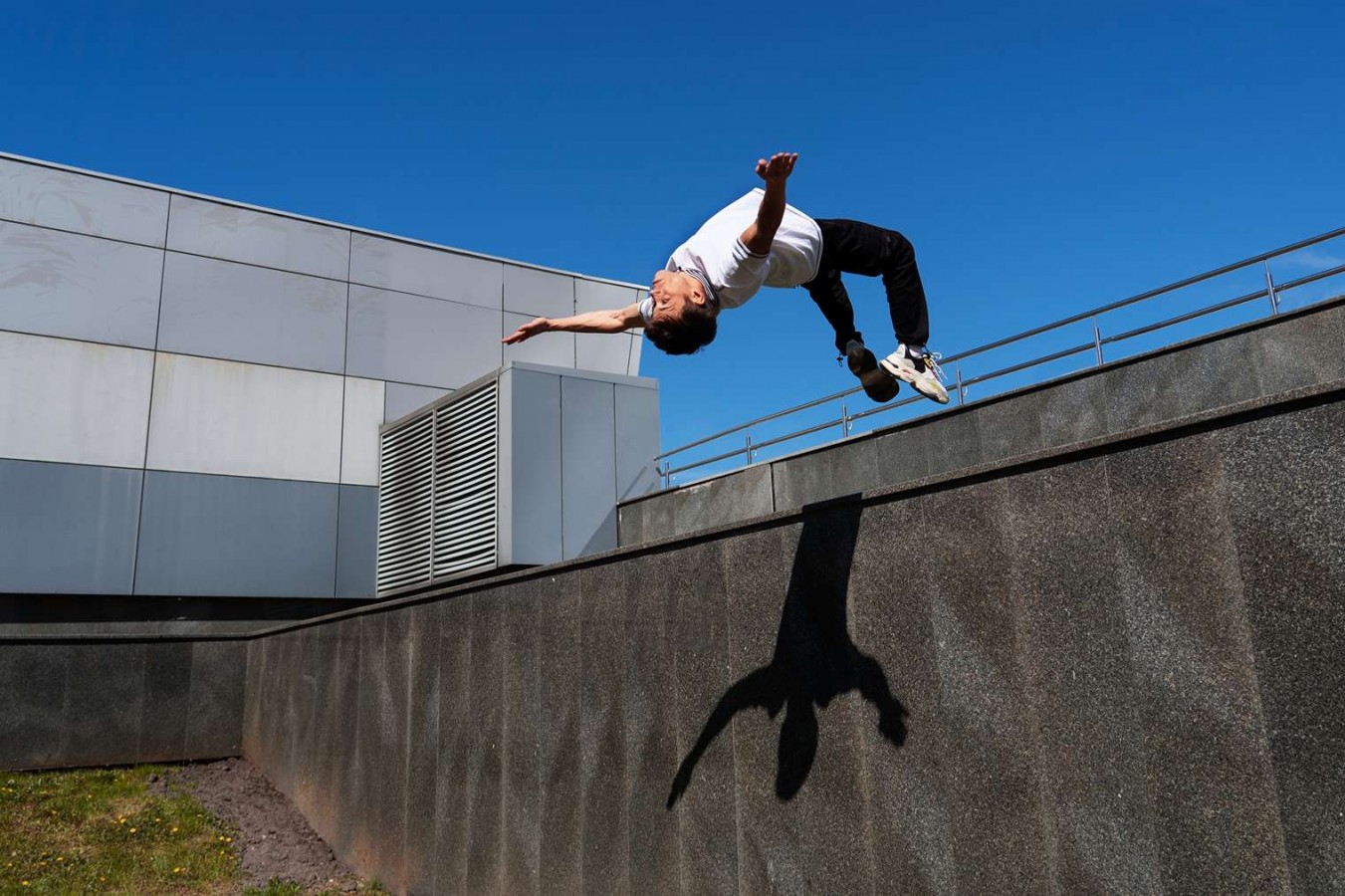
Parkour looks cool and there’s no denying that. Running up walls, jumping between rails, vaulting over obstacles feel like you’re starring in your own action movie. But let’s be honest: even the bravest traceur has felt that little shake in the knees before attempting a jump.
Fear in parkour is completely normal. In fact, it’s a sign that you’re human, aware, and mentally alive. And guess what? With the right mindset and step-by-step approach, you can train your mind just as effectively as you train your physical skills. This article will guide you on how to overcome fear in parkour. So, let’s check it out!
Why Fear Happens in Parkour
Before we tackle how to beat fear, let’s understand why it appears. Your brain is designed to keep you alive. When it senses risk—like jumping from one obstacle to another—it goes into protective mode. This triggers:
- Increased heart rate
- Sweaty palms
- Tight breathing
- Overthinking worst-case scenarios
Fear, at its core, is your brain’s way of saying, “Hey! Are we sure about this? Because this looks kinda dangerous.”
And that’s okay! Instead of fighting fear, you need to work with it.
Steps on How to Overcome Fear in Parkour
When you train your mind, your confidence grows. Confidence makes your movements controlled, precise, and calm. Here what you can do:
1. Start Small and Build Up
One of the most effective ways to manage fear in parkour is to break each movement into small, achievable steps. Instead of immediately attempting a big gap jump, begin with a much smaller version of the same movement.
Practice stepping through the motion, try landing the precision on the ground first, and repeat the mechanics until they feel completely natural in your body. Each small success convinces your brain that the movement is safe, reducing the intensity of fear.
2. Visualize Before You Move
Visualization is a mental technique used by top athletes worldwide, and it works beautifully in parkour. Before attempting a move, close your eyes and imagine the entire sequence: how you’ll approach the obstacle, the moment you take off, the exact way your body will move in the air, the landing, and the satisfying feeling of pulling it off successfully.
Because the brain responds to imagined practice almost like real practice, visualization helps prepare your mind, minimize uncertainty, and soften fear before you even take the first step.
3. Control Your Breathing
Fear often disrupts your breathing, causing shallow or rapid inhales that signal your body to panic. By controlling your breath, you can send a calming message to your nervous system.
Try this simple pattern: breathe in for four seconds, hold for two seconds, and breathe out for six seconds. This slows your heart rate, restores clarity, and brings your body back under control.
4. Analyze the Move With Logic, Not Emotion
Fear loves to exaggerate danger and fill your mind with dramatic what-ifs, such as “What if I slip?” or “What if I break something?” To overcome this, shift from emotional thinking to logical assessment.
Ask yourself practical questions: How many times have I practiced this movement? Is the surface safe and stable? Do I have the strength and technique necessary? Have I completed similar jumps before? More often than not, logic reveals that the actual risk is far smaller than what your fear is telling you.
5. Do Fear-Testing Drills
To get comfortable with the feeling of fear, it helps to introduce mild, controlled challenges into your training. This might include jumping from a slightly higher platform, practicing balance on narrower rails, or attempting precision jumps with crash mats nearby.
You can also work on safe landings, controlled falls, and rolls to build trust in your ability to recover. The purpose isn’t to push yourself recklessly but to gently expose your mind to discomfort. Over time, your brain gets used to these sensations, and fear becomes much easier to manage.
6. Trust Your Progression
Many athletes feel fear because they want to progress quickly or feel pressured by others’ achievements. But progression in parkour is deeply personal. Just like building a house, you need a strong foundation for higher-level skills to stand safely.
When you follow a proper progression, your skills and confidence grow naturally. Trust the training you’ve done. If you’ve prepared correctly, your body is ready to handle the movement.
7. Use Positive Self-Talk
Your internal dialogue has a huge impact on your performance. Negative thoughts like “I can’t do this” or “I’m going to mess up” quickly increase fear and hesitation.
Replace them with supportive, encouraging statements such as “I’ve trained for this,” “One step at a time,” or “I got this.” Positive self-talk helps settle your nerves, sharpens your focus, and creates a mental environment that supports success rather than fear.
8. Train With People You Trust
Having the right people around you can make overcoming fear much easier. A good training partner or coach can spot your movement, correct your form, provide motivation, and help you evaluate risk realistically.
When you train in a supportive environment, fear feels lighter because you’re not facing it alone.
9. Respect Fear, But Don’t Let It Control You
Fear isn’t something you should ignore or fight against. It’s your body’s built-in safety alarm, reminding you to pay attention. Respect your fear, listen to what it’s telling you, and evaluate whether it’s warning you of real danger or simply holding you back.
But if it’s just your mind exaggerating the risk, challenge yourself with smart, controlled, and safe training. The more you learn to recognize the difference, the more empowered you become.
Self-Assessment Questions Before Attempting a Parkour Move
Before doing any move, ask yourself these mental checklist questions:
A. Skill & Readiness
- Have I mastered the basics needed for this move?
- Have I done similar movements before?
- Do I feel physically strong and warmed up?
B. Safety & Environment
- Are the surfaces dry and stable?
- Is there enough landing space?
- Do I have mats or a spotter if needed?
C. Mental State
- Am I calm right now?
- Is my fear helpful or exaggerated?
- Do I need more repetitions on an easier variation?
D. Risk Evaluation
- What could go wrong—and how likely is it?
- Can I bail out safely?
- Did I identify all the obstacles around me?
E. Confidence Level
- On a scale of 1 to 10, how confident am I?
- If the number is low—why?
- What can I do to increase that number by 1 or 2?
Variables That Affect Fear and Mental Performance in Parkour
Let’s break down the most common variables that influence your mental performance in parkour.
1. Skill Level
Your current skill level plays a huge role in how you perceive fear. When you’re still learning parkour, everything feels a bit intimidating. But as you practice, repeat, and refine the same movements, they become familiar. With familiarity comes automaticity, and with automaticity comes confidence.
2. Previous Injuries or Bad Experiences
Your brain has a protective instinct, and one of its jobs is to remember painful or scary experiences so it can warn you in the future. If you’ve ever slipped, landed wrong, or had a minor injury while training, your brain might replay that moment whenever you face a similar obstacle.
This doesn’t mean you’re weak—it just means your brain is trying to keep you safe. The good news is that positive, controlled training can rewrite these memories. When you take slow, safe steps to rebuild trust in your body, those old alarm bells start to quiet down. Just give yourself patience and time.
3. Physical Condition
Your physical state on any given day has a direct impact on your mental performance. When you’re well-rested, hydrated, warmed up, and fueled with the right nutrition, your body feels strong and responsive.
But if you’re tired, hungry, sore, or stiff, even familiar movements can suddenly feel risky. This is why sleep, nutrition, warm-ups, and recovery are essential ingredients in reducing fear.
4. Environment
The environment around you can dramatically change the way you feel about a movement. Height is one of the most common factors. Your brain senses the extra risk and amplifies fear.
Similarly, the texture of the surface (slippery, rough, uneven), the weather (hot, windy, rainy), noise in the area, or even having a big audience watching you can affect your mental state.
5. Peer Pressure
Training with others can be motivating, but it can also add unnecessary pressure. Sometimes you might feel rushed to attempt a movement simply because your friends are doing it or because people are watching.
This pressure can cloud your judgment and increase fear. It can even push you to attempt something you’re not ready for, which isn’t safe. Remember that the right people will support your pace, not rush it.
6. Mental Health & Stress Levels
Your mental state outside of parkour plays a huge role in how you handle fear during training. If you’re stressed, anxious, overwhelmed, or emotionally drained, fear becomes louder and more dramatic.
On days when your mental health is not at its best, it’s completely okay to take it slow, work on basics, or use training as a gentle way to release tension. Listening to your emotional state is just as important as listening to your physical one.
Master Parkour With Rockstar Academy!
Overcoming fear in parkour is ultimately about believing in yourself, trusting your training, and understanding how your mind and body work together. And if you want your children to experience this empowering journey, we encourage you to enroll them in the Parkour Program at Rockstar Academy.
As the leading Sports & Performing Arts Academy, Rockstar Academy offers a wide range of physical activity programs supported by a strong, structured curriculum. Your children will even have the incredible opportunity to participate in RockOlympics and Elite Championships, exciting learning experiences that help students unlock their true potential.
You can even start with a free trial class—the perfect way to introduce your child to the world of parkour with confidence and excitement. Let them discover what they’re truly capable of!
FAQ
Is fear normal in parkour?
Absolutely! Even advanced traceurs feel fear. The difference is that they’ve learned how to manage it.
How long does it take to overcome fear?
It varies. Some fears go away in days, others take weeks or months. The key is consistent, safe exposure.
What if I never feel fully confident?
You don’t have to be completely fearless. You just need to be confident enough to perform the move safely and calmly.