The Cheerleading Tumbling Progression: Basic Moves to Advanced Skills Explained
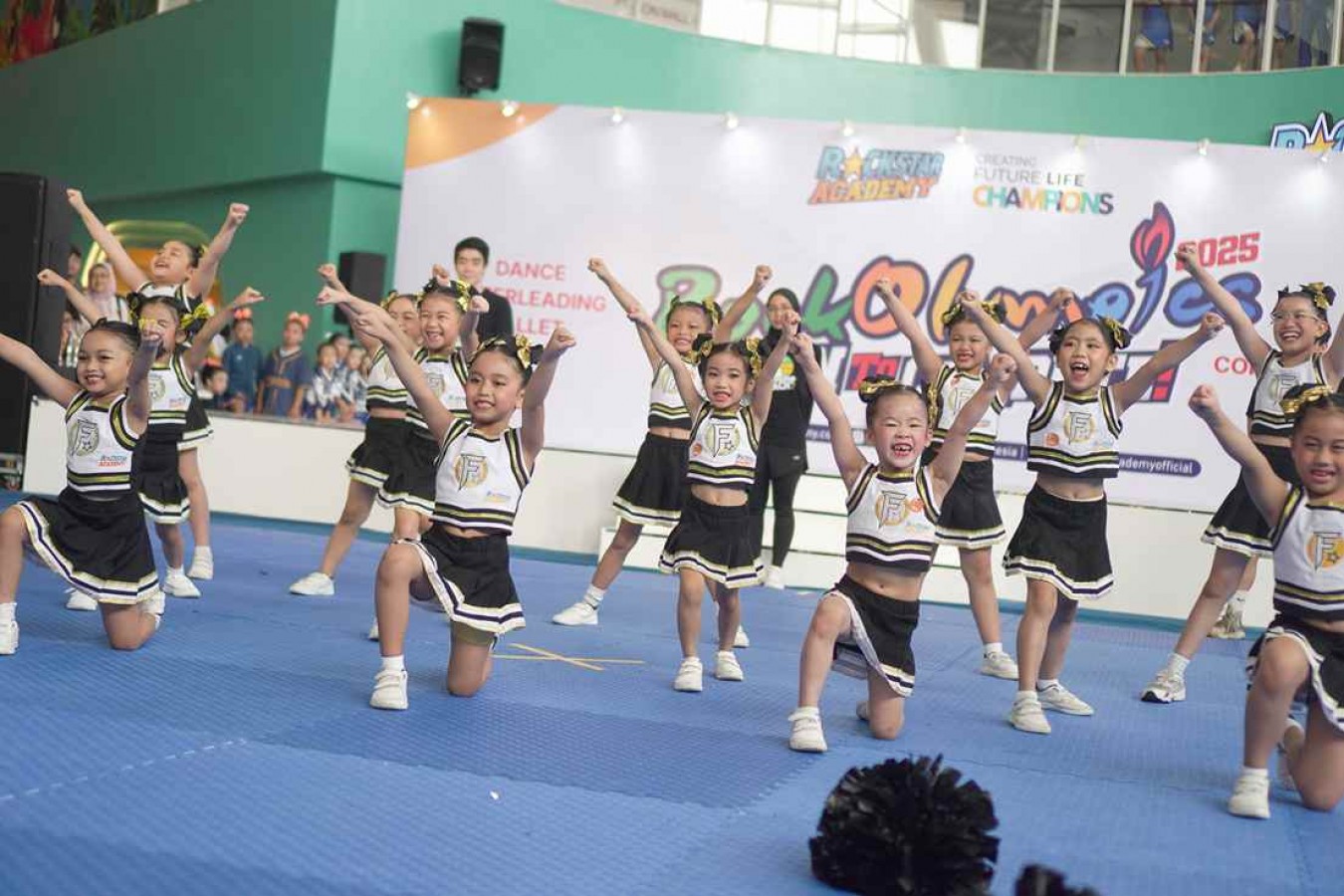
Tumbling in cheerleading is one of those cheer skills that looks effortless on the mat—but behind every clean pass is a clear learning path. That path is called a tumbling progression. Instead of jumping straight into advanced tricks, cheerleaders develop their skills gradually, stacking strength, control, and confidence one level at a time.
In this article, we’ll explore how tumbling moves evolve from simple foundations to more complex skills, and why following the right progression makes all the difference. Let’s keep reading!
Tumbling Progression
Every level in the tumbling progression plays a vital role. Skipping steps may look tempting, but strong basics always create stronger athletes. Let’s break down each level so you can really understand what’s happening at every stage of the journey:
A. Level 1.0: The Foundation
Level 1.0 is where everything begins. Think of this stage as learning how your body moves through space. Skills like forward rolls, backward rolls, handstands, and cartwheels may look simple, but they’re incredibly important.
They teach body awareness, coordination, and basic strength. Handstand snap-downs and bridge downs help athletes understand weight transfer and control, while opposite cartwheels improve balance and coordination on both sides of the body.
At this level, athletes also start developing flexibility and core strength. Without mastering these basics, moving forward safely becomes very difficult.
B. Level 1.5: Building Momentum
Once the foundation is solid, Level 1.5 adds a bit more energy and flow. Athletes now learn how to connect movements and generate momentum. Skills like 2-step round-offs and power hurdle round-offs introduce speed, power, and proper entry techniques.
Front and back walkovers build flexibility, shoulder strength, and control while teaching athletes how to move smoothly from one position to another. The backward roll press-up challenges core and upper body strength, while the Valdez introduces a graceful, controlled way to move from the floor to standing.
This level is all about control with movement where you’re learning how to move with intention instead of just completing a skill.
C. Level 2.0: Introducing the Back Handspring
Level 2.0 is a big milestone because this is where the iconic back handspring appears. It’s often considered the gateway skill to higher-level tumbling. Athletes also start working on round-off back handsprings, front handsprings, and front walkover-round-offs.
These skills demand stronger shoulders, better core engagement, and increased confidence moving backward. Spatial awareness becomes more important here as athletes must know where they are in the air without seeing the floor.
Back extension rolls also help reinforce body control and alignment. This level builds power while refining technique.
D. Level 2.5: Mastery of the Back Handspring
At Level 2.5, it’s not just about doing a back handspring—it’s about doing it well and more than once. Athletes work on multiple back handsprings and connecting skills smoothly, like front walkover to round-off back handspring.
This level emphasizes rhythm, timing, and fluidity. Tumbling starts to look less like separate skills and more like a continuous pass. Athletes develop endurance and confidence, which are key for preparing the body and mind for harder, airborne skills ahead.
E. Level 3.0: Daring Heights
Level 3.0 is where tumbling really starts to feel high-flying. Athletes should now be comfortable with both standing and running tumbling. Skills like standing tucks, round-off back handspring tucks, and aerials are introduced.
Punch fronts, coin tosses, and toe touch back handsprings add explosive power and dynamic body shapes.
This level challenges athletes to jump higher, rotate faster, and land with control. Mental focus is just as important here—trusting your technique makes all the difference when skills get bigger.
F. Level 4.0: Layouts & Advanced Skills
Level 4.0 is all about extension and precision. Layouts require athletes to maintain a tight, straight body while rotating in the air, which demands strong core control and excellent technique.
Skills like round-off back handspring layouts, whip throughs, and cartwheel tucks push athletes to refine their air awareness.
Advanced connections such as punch front step-outs, front handspring front punches, and Onodis challenge coordination and timing. At this stage, tumbling becomes more powerful, cleaner, and more visually impressive.
G. Level 5.0: Full Twisting and Arabians
By Level 5.0, athletes are entering advanced territory. Full twists, Arabians, whip tucks, toe touch tucks, and standing fulls require strength, speed, and precise technique.
Twisting adds a new layer of complexity, demanding strong core control and excellent takeoff mechanics. Fulls with kicks also appear, combining flexibility with power.
Athletes at this level must be consistent and confident, as mistakes can be risky. Conditioning, flexibility, and recovery all become essential parts of training.
H. Level 6.0: Elite Tumbling
Level 6.0 is the peak of the tumbling progression. Athletes here perform elite-level skills like back handspring fulls, whip punch double twists, and Arabian step-outs to double twists.
These skills require total body control, explosive power, and advanced air awareness. Athletes must execute difficult passes cleanly and safely.
Mastery at this level shows years of disciplined training, patience, and respect for the progression. It’s not just about talent, but dedication and trust in the process.
Level Up With Confidence!
There’s no shortcut to great tumbling, and that’s a good thing. A solid tumbling progression allows cheerleaders to grow safely while sharpening technique at every stage. Each roll, walkover, and handspring plays a role in preparing the body for what comes next.
At Rockstar Academy, our Cheerleading Program is designed to help athletes grow with confidence, strength, and smart technique.
As a leading Sports & Performing Arts Academy, we focus on safe progressions, proper form, and personalized coaching so every athlete can master skills step by step, from basics to elite-level tumbling.
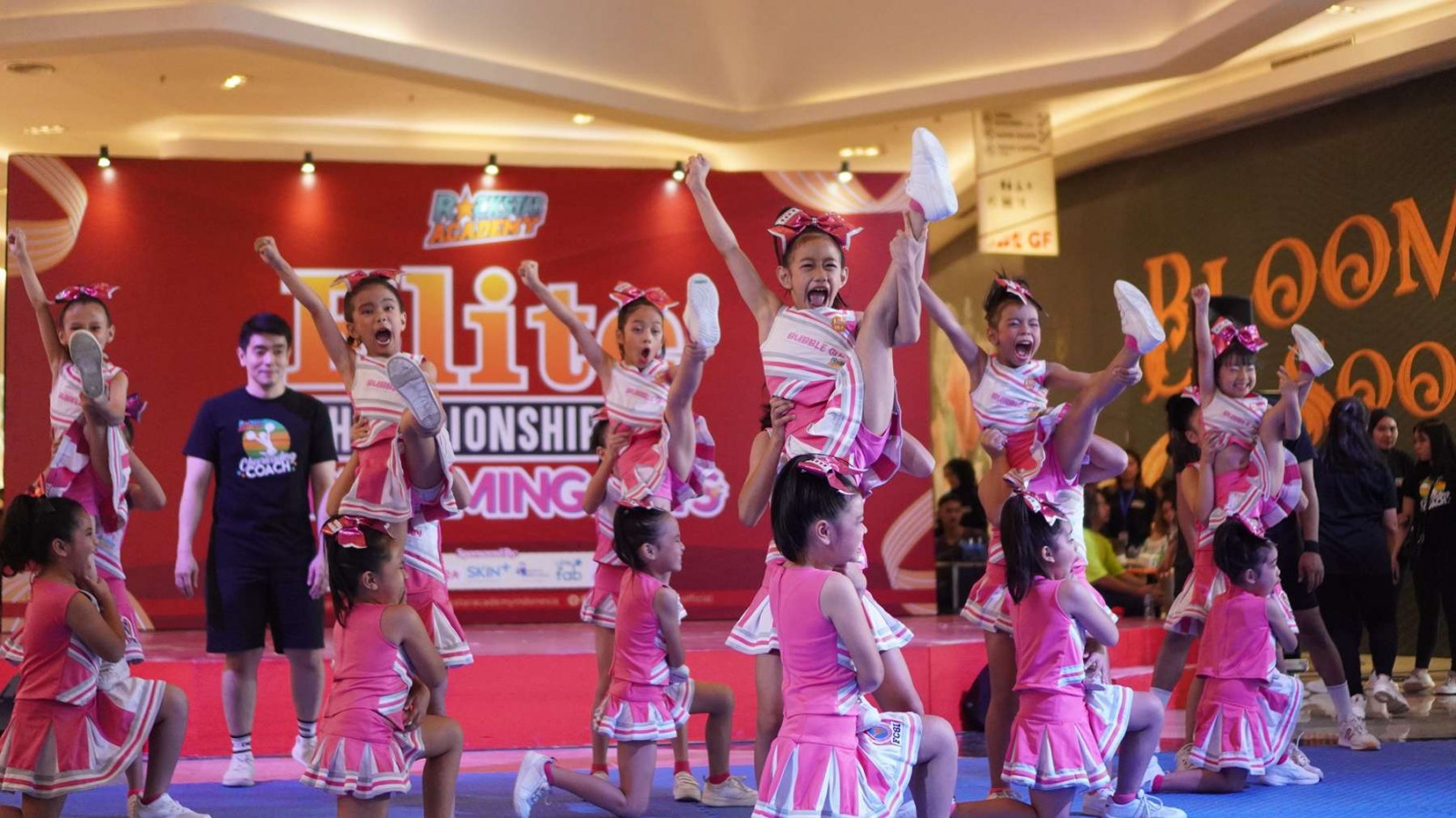
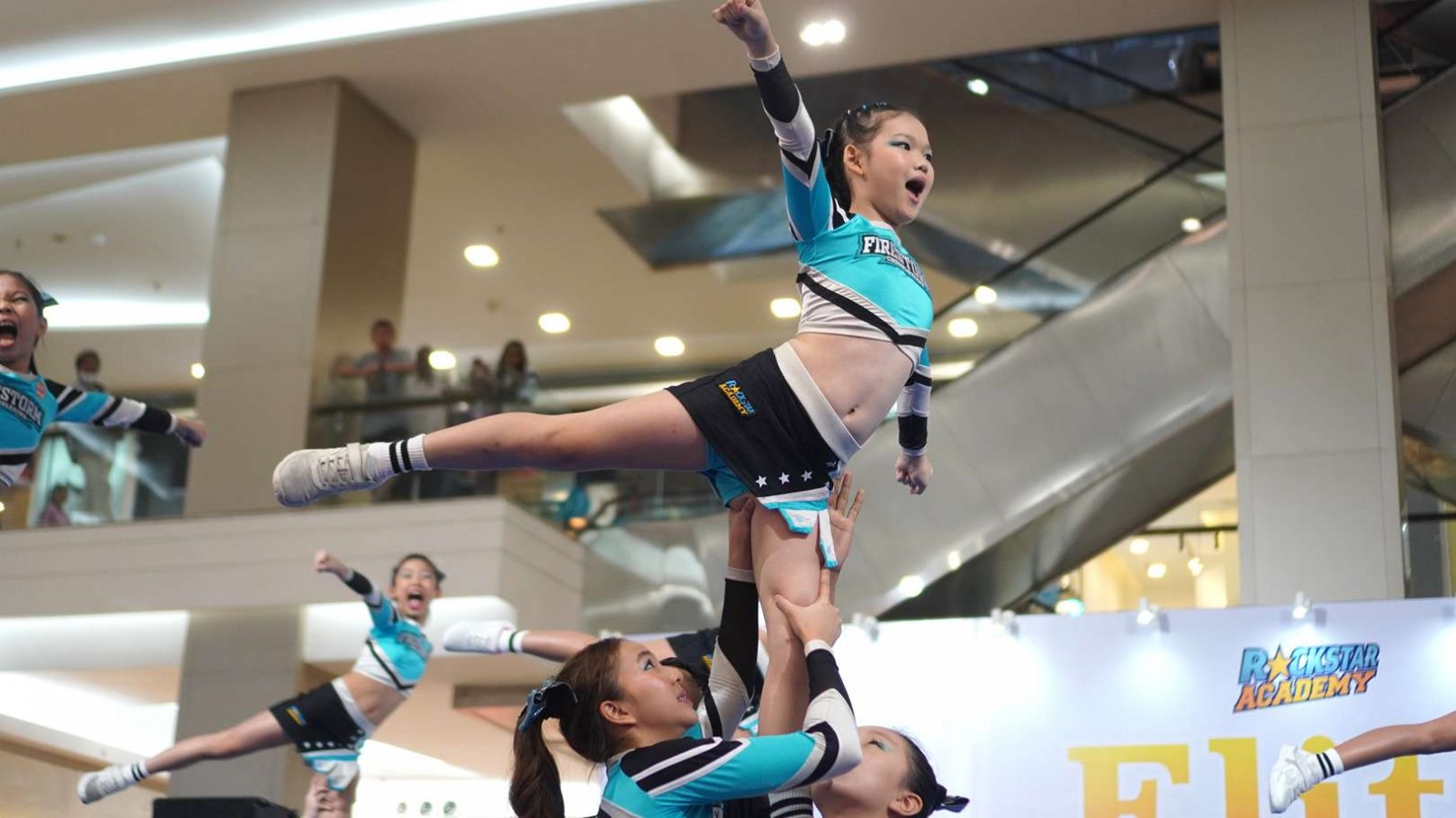
Our structured training prepares cheerleaders not only to perform with power and precision, but also to compete confidently on big stages like the Cheer Recital, Elite Championships and RockOlympics.
Whether your goal is stronger fundamentals or advanced competition-ready skills, Rockstar Academy provides a supportive, high-energy environment to help you shine. Join our free trial class and see how our cheer program can take your skills to the next level!
FAQ
What is the hardest tumbling skill?
One of the hardest tumbling skills is the double twisting double back, because it requires extreme power, air awareness, timing, and perfect technique.
Do beginners need to follow tumbling progression?
Yes, proper progression helps beginners develop correct form from the start.
Can athletes skip levels in tumbling progression?
Usually no, each level prepares the body for the next skill.