Gymnastics Cross Training: Sharpening Other Sport Skills Through Flexibility and Power
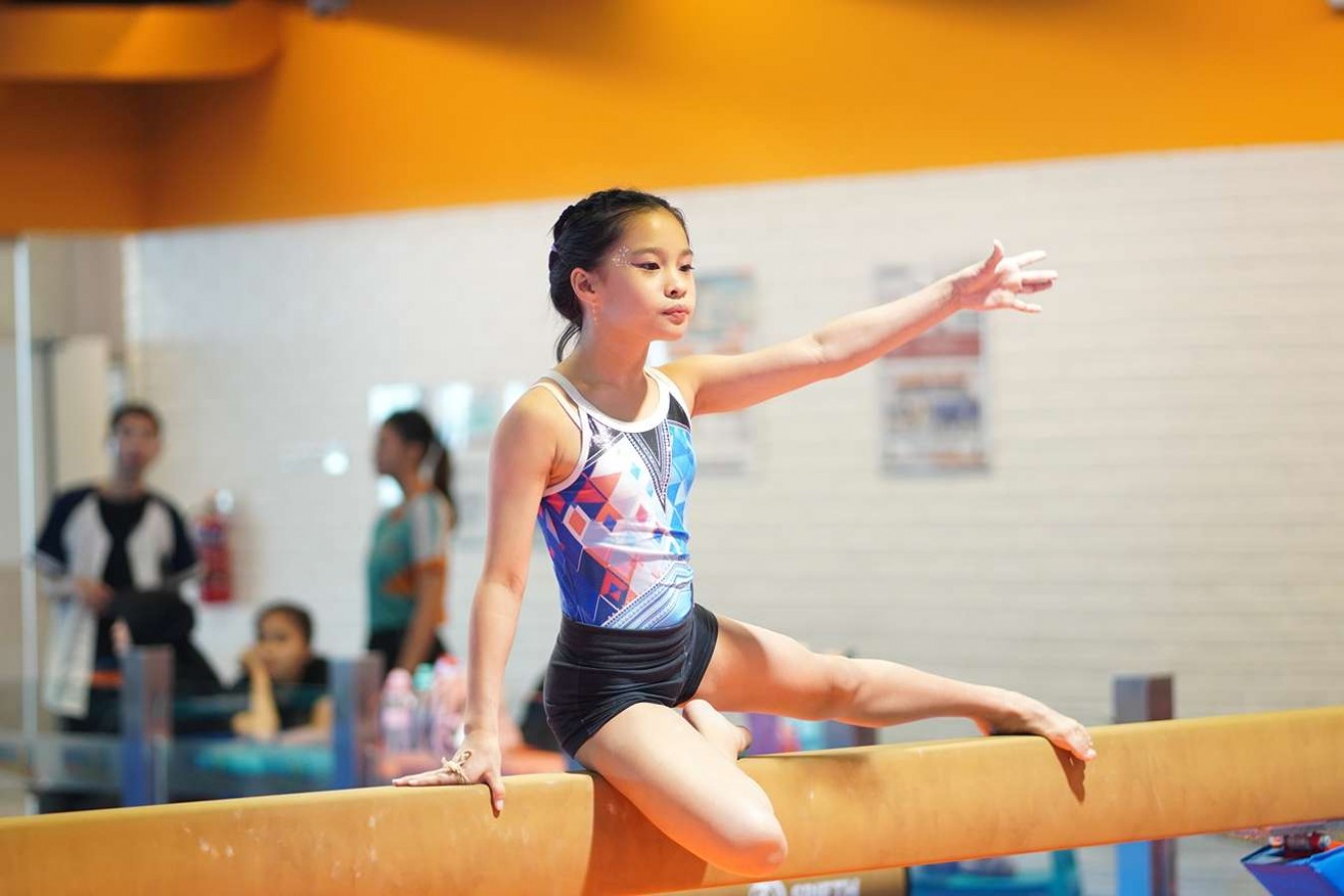
When people think of gymnastics, they often picture flips, handstands, and balance beams. But gymnastics offers much more than competition routines. Through gymnastics cross training, athletes from many different sports can improve flexibility, strength, coordination, and body control.
That is why coaches from soccer, basketball, martial arts, and even swimming often use gymnastics-based training to build better all-around athletes. In this article, we will explore how gymnastics cross training helps enhance performance in other sports and highlight specific skills that improve through gymnastics practice.
How Gymnastics Cross Training Improves Other Sports
Gymnastics is one of the best forms of cross training because it develops the body and mind at the same time. Through gymnastics cross training, athletes gain strength, flexibility, balance, focus, and agility that directly transfer to many other sports.
Below is a clear breakdown of how gymnastics helps improve performance, along with specific sport skills that benefit the most.
1. Building Strength and Power
Gymnastics develops impressive strength and power because athletes constantly move and control their own body weight. Skills like handstands, tumbling, vaulting, and bar work build strong legs, arms, shoulders, and especially the core.
This full-body strength helps athletes move more explosively and stay stable during intense actions in other sports. Specific sport skills improved, such as:
- Football
Gymnastics improves tackling power by strengthening the core and upper body, allowing players to drive through opponents more effectively. It also helps athletes maintain balance during contact, making it easier to stay on their feet after collisions.
- Basketball and Volleyball
Explosive leg power developed through jumps, bounding drills, and tumbling directly improves vertical jump height. This leads to better rebounds, stronger blocks, and more powerful spikes during games.
- Track and Field
Gymnastics strengthens sprint mechanics by improving core stability and leg drive. Athletes benefit from better takeoff power in jumping events and improved body control during throws.
2. Enhancing Flexibility and Range of Motion
Flexibility is a core element of gymnastics training. Regular stretching and mobility work increase joint range of motion and muscle elasticity. This allows athletes to move more freely, reduce stiffness, and perform skills with better efficiency. Several cases such:
- Dance and Figure Skating
Increased flexibility allows dancers and skaters to achieve higher leg extensions and smoother transitions. Movements become more fluid, controlled, and visually appealing during performances.
- Soccer and Tennis
Better hip and leg mobility improves kicking height, stride length, and quick directional changes. Players can reach for the ball more easily and recover faster after explosive movements.
- Swimming
Greater shoulder and hip flexibility helps swimmers achieve longer, more efficient strokes. This also improves turns and reduces shoulder strain during high-volume training.
3. Improving Balance and Coordination
Balance and coordination are constantly trained in gymnastics through beam work, floor routines, and controlled landings. Athletes learn to stabilize their bodies while moving through space, which translates extremely well to sports that require precision and control. As an example:
- Snowboarding
Improved balance helps riders stay stable on uneven terrain and during jumps. Gymnastics-trained athletes adapt faster to shifts in weight and body position.
- Martial Arts
Better coordination improves kicking accuracy, spinning techniques, and transitions between attacks and defense. Fighters also maintain balance more easily when striking or avoiding attacks.
- Cycling
Enhanced body awareness helps cyclists maintain control during sharp turns or rough terrain. This leads to smoother handling and improved riding efficiency.
4. Boosting Mental Toughness and Focus
Gymnastics demands intense concentration, body awareness, and confidence. Athletes must perform precise movements under pressure, often with little room for error. This mental training carries over strongly into other sports. Specific sport skills improved:
- Golf and Archery
Gymnastics-trained athletes often show better focus and emotional control. This helps maintain accuracy and consistency during high-pressure shots.
- Soccer and Basketball
Mental resilience helps players stay calm during crucial moments like penalty kicks or last-second plays. Athletes are better able to recover from mistakes and stay locked into the game.
- Endurance Sports (Marathon Running, Cycling)
Gymnastics builds mental discipline and pain tolerance. Athletes learn how to push through fatigue and maintain form even when physically exhausted.
5. Enhancing Agility and Quickness
Gymnastics routines require fast reactions, sharp footwork, and quick changes in direction. Tumbling passes and floor drills train athletes to move efficiently and react instantly, which is essential in fast-paced sports. Specific sport skills improved, such as:
- Soccer
Improved agility helps players change direction quickly while dribbling or defending. This makes it easier to beat opponents and react to sudden plays.
- Basketball and Hockey
Faster lateral movement improves defensive positioning and fast-break performance. Athletes become quicker when accelerating, stopping, and turning.
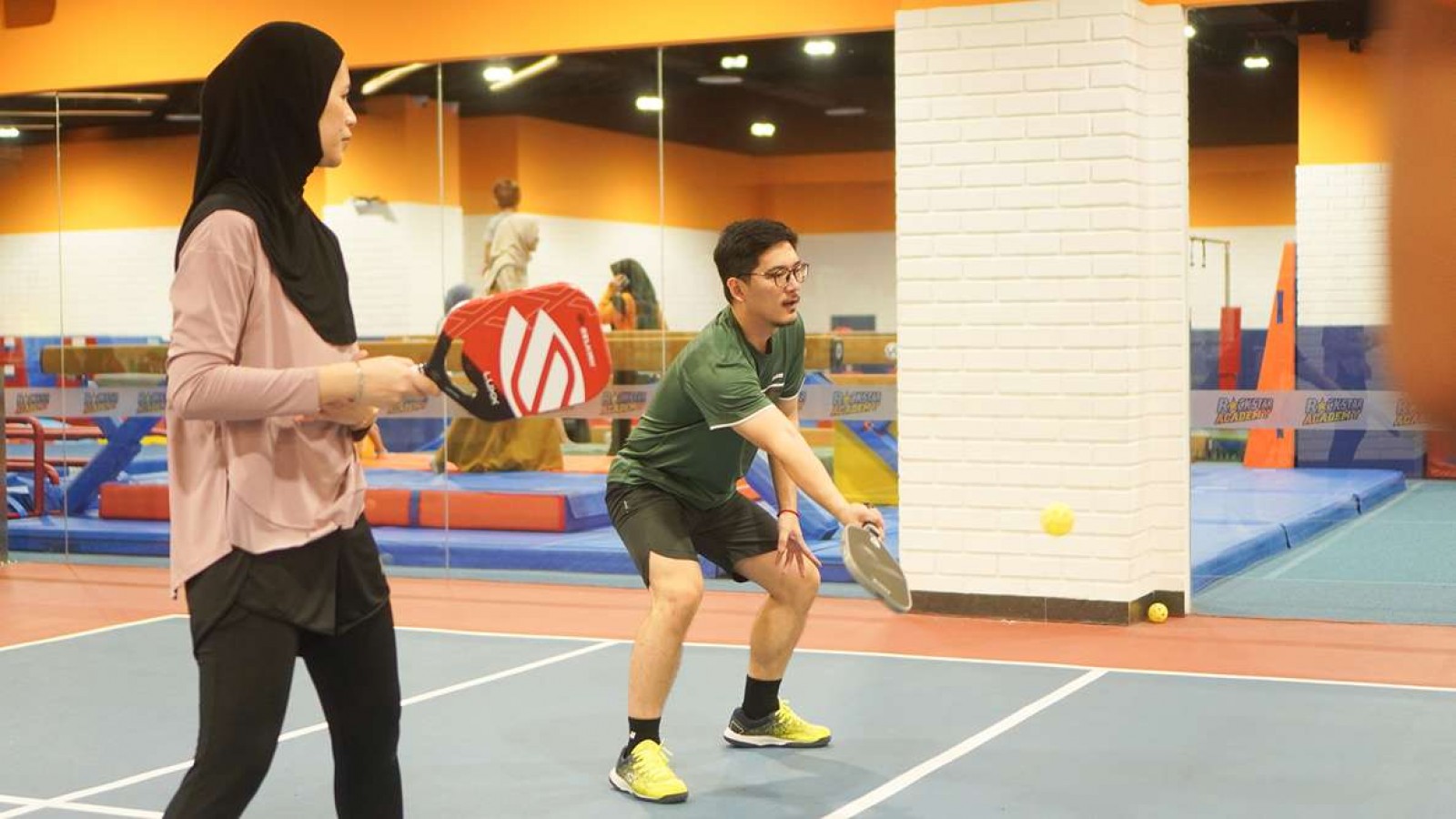
- Tennis and Pickleball
Gymnastics enhances reaction time and foot speed, allowing players to cover the court more effectively. This leads to quicker responses to fast shots and better overall movement.
6. Better Landing Mechanics and Injury Prevention
Gymnastics places strong emphasis on safe landings and body control. Athletes learn how to absorb impact through proper joint alignment and muscle engagement, which reduces injury risk. Specific sport skills improved:
- Volleyball
Proper landing mechanics reduce stress on the knees and ankles after repeated jumps. This helps athletes stay healthy throughout long seasons.
- Basketball
Improved landing control lowers the risk of ankle sprains and knee injuries during rebounds. Players also regain balance faster after jumping.
- Parkour and Action Sports
Gymnastics teaches athletes how to land safely from heights. This skill is crucial for reducing impact injuries and improving movement confidence.
Train Smarter and Move Better!
Gymnastics cross training is one of the most effective ways to become a stronger, more flexible, and more athletic competitor in any sport. No matter your main sport, adding gymnastics to your training routine can give you a serious performance edge.
At Rockstar Academy, the gymnastics program is built to shape strong, confident athletes through smart training and clear progress. As a leading Sports & Performing Arts Academy, the focus goes beyond skills on the mat—students experience real benefits of gymnastics such as improved strength, coordination, flexibility, and mental focus.
Training is supported by regular participation in events and competitions—Gymnastics Testing, Elite Championships and RockOlympics—helping athletes understand their growth and set new goals in a fun and motivating way.
If you want to see how this approach feels in action, you can try the program through a free trial class and train with the Rockstar Academy team firsthand. Sign up now!
FAQ
What is a cross-training example?
A cross-training example is a soccer player practicing gymnastics to improve balance, agility, and core strength.
How can gymnastics enhance performance in other sports?
Gymnastics builds strength, flexibility, coordination, and body control that transfer directly to many other sports.