Teaching Children the Difference Between Assertiveness and Aggression

Have you ever seen a child say “NO!” loudly and confidently—and wondered, is that a good thing or a problem? The truth is, it depends! Teaching kids how to express themselves is a big part of growing up, but there’s a fine line between being assertive and being aggressive.
When children understand that difference, they learn how to stand up for themselves without hurting others. And that’s a life skill they’ll carry forever.
In this article, we’ll explore what assertiveness and aggression really mean, how to tell them apart, and how you can guide children to communicate their thoughts and feelings in a confident yet respectful way.
What Is Assertiveness?
Assertiveness is the ability to express thoughts, feelings, and needs clearly, honestly, and respectfully. It’s about standing up for yourself while also considering other people’s feelings.
An assertive child might say:
- “I don’t like that. Please stop.”
- “Can I have a turn after you?”
- “I feel upset when you take my toy without asking.”
Notice something important? The child is calm, clear, and respectful.
What Is Aggression?
Aggression, on the other hand, is when a child expresses their needs or emotions in a way that hurts, threatens, or disrespects others. It often comes from frustration, anger, or not knowing a better way to communicate.
An aggressive child might say or do:
- “Give it to me NOW!”
- “You’re stupid!”
- Pushing, hitting, or grabbing
- Yelling or interrupting constantly
Aggression focuses only on “me”, ignoring how others feel.
Assertiveness vs Aggression: What’s the Difference?
Let’s break it down so it’s easy to explain to kids.
| Assertiveness | Aggression |
| Calm and respectful tone | Loud, angry, or threatening tone |
| Uses polite words | Uses hurtful or rude words |
| Listens to others | Ignores or interrupts others |
| Expresses feelings clearly | Blames or attacks others |
| Solves problems peacefully | Creates conflict or fear |
How to Teach Children Assertiveness (Step-by-Step)
.jpg)
Teaching assertiveness is not a one-time lesson. Let’s break down how you can apply it easily in everyday life.
1. Model the Behavior Yourself (Be Their Everyday Example)
Children are like little mirrors—they naturally copy what they see and hear from adults around them. That’s why the way you communicate plays a huge role in how your child learns to express themselves.
If they often hear shouting, blaming, or harsh tones, they may think that’s the “normal” way to talk. On the other hand, when they see calm, respectful communication, they’re more likely to follow that example.
2. Teach “I” Statements (Give Them the Right Words)
Sometimes children behave aggressively not because they want to hurt others, but because they don’t know how to express what they’re feeling. Teaching them “I” statements gives them a simple and effective way to communicate their emotions without blaming others.
The formula is easy to remember: I feel + emotion + when + situation. For example, instead of saying “You’re mean!”, a child can learn to say, “I feel sad when you say that.” This small change makes a big difference because it focuses on expressing feelings rather than attacking someone else.
3. Role-Play Everyday Situations (Practice Through Play)
Children learn best when they’re having fun, and role-playing is a great way to teach assertiveness in an engaging way. By acting out everyday situations, kids get a chance to practice what to say and do before they face those situations in real life.
You can create simple scenarios such as someone cutting in line, a friend not wanting to share, or being asked to do something they don’t like. Then, ask your child, “What would an assertive response sound like?” You can also switch roles, letting your child act out different perspectives while you demonstrate assertive communication.
4. Help Them Understand Their Feelings
Before children can express their feelings, they first need to understand what those feelings are. Without this awareness, emotions like frustration or anger can quickly turn into aggressive behavior.
Start by helping children identify basic emotions such as angry, sad, frustrated, happy, or excited. Use everyday moments to point out what they might be feeling. For example, you can say, “You look frustrated. Is it because the game is hard?” or “You seem really excited about this!”
You can also make this more interactive by using tools like emotion charts or simply asking your child how they feel each day. When children learn emotions, they become better equipped to express them calmly instead of reacting impulsively.
5. Set Clear Boundaries (Feelings Are OK, Actions Have Limits)
One of the most important lessons children need to learn is that while all feelings are valid, not all actions are acceptable. It’s perfectly normal for children to feel angry, upset, or frustrated, but they need guidance on how to handle those emotions appropriately.
Using clear and simple language helps reinforce this idea. For example, you can say, “It’s okay to feel angry, but it’s not okay to hit,” or “You can say ‘stop,’ but you can’t yell at people.” These boundaries help children understand the difference between what they feel and how they should behave.
6. Praise Assertive Behavior (Catch Them Doing It Right!)
Positive reinforcement is a powerful tool when teaching children new skills. When you notice your child communicating assertively—even in small ways—take the time to acknowledge it.
Instead of giving general praise like “Good job,” try to be specific. For example, you might say, “I’m proud of how you asked nicely,” or “That was a great way to tell your friend how you feel.” This helps children understand exactly what they did well and encourages them to repeat the behavior.
7. Teach Problem-Solving Skills (Guide, Don’t Just Fix)
When children face conflicts, it can be tempting to step in and solve the problem right away. However, these moments are actually great opportunities to teach valuable problem-solving skills.
Instead of immediately providing a solution, guide your child by asking open-ended questions like, “What could you say instead?”, “What do you think would make this better?”, or “How can we solve this together?” This encourages them to think critically and come up with their own solutions.
What to Do When a Child Acts Aggressively
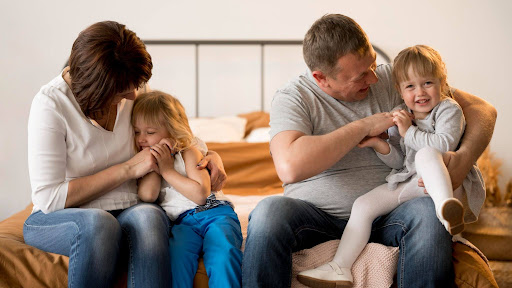
When a child acts aggressively, it’s important to remember that this moment is a valuable opportunity for learning. Instead of seeing aggression as “bad behavior” that needs punishment, try to view it as a signal that your child needs guidance on how to express their emotions in a better way.
The first and most important step is to stay calm. It can be challenging, especially in the heat of the moment, but responding with anger will only make the situation worse. When adults raise their voices or react harshly, children often mirror that energy. By keeping your tone steady and firm, you show your child how to handle strong emotions in a controlled way.
Next, take a moment to acknowledge your child’s feelings. Even if their behavior is not acceptable, their emotions are real and valid. You can say something like, “I can see you’re really angry.” This simple statement helps your child feel seen and understood, which can quickly reduce emotional intensity and make them more open to listening.
Once they feel heard, you can begin to redirect their behavior by showing them a better way to express themselves. For example, instead of hitting, you might say, “Instead of hitting, you can say ‘I’m upset.’” This teaches children that while their feelings are okay, there are more appropriate ways to communicate them.
Empowering Kids Through Quality Early Childhood Education
If you’re looking for the best place to support your child’s development, Preschool & Kindergarten at Rockstar Academy can be a great choice.
At the best Sports & Performing Arts Academy, children not only experience quality early education, but also enjoy a variety of physical activities, exciting events, and competitions tailored to different ages, skill levels, and interests.
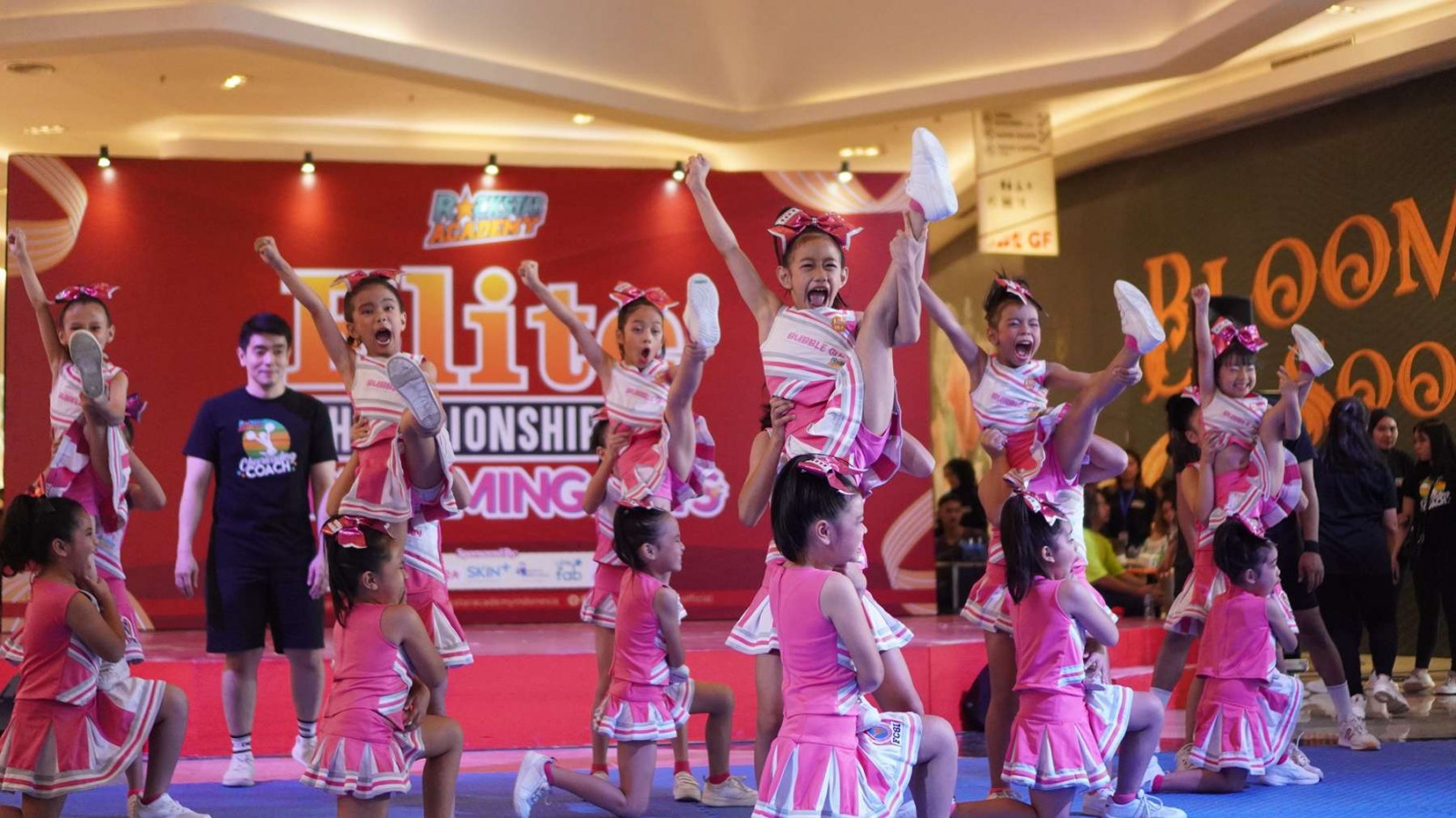
This includes the opportunity to participate in Elite Championships, a regular competitive platform to foster discipline and sportsmanship, allowing students to perform in exciting venues and earn recognition through trophies and certificates as they strive to become Life Champions.
With guidance from experienced teachers, children can become more adaptive, confident, and ready to take on new challenges. Even better, Rockstar Academy offers a free trial class, so your child can experience the fun and learning firsthand before enrolling!
FAQ
At what age can children learn assertiveness?
Children can start learning basic assertiveness as early as 2–3 years old, using simple phrases like “No” or “Stop.” As they grow, you can teach more complex communication skills.
Is it okay for children to say “no”?
Yes! Saying “no” is an important part of setting boundaries. The key is teaching them to say it politely and respectfully.
How do I handle a child who is very aggressive?
Stay calm, acknowledge their feelings, and guide them toward better communication. Consistent teaching and modeling are more effective than punishment alone.