Understanding the Different Types of Cheerleading
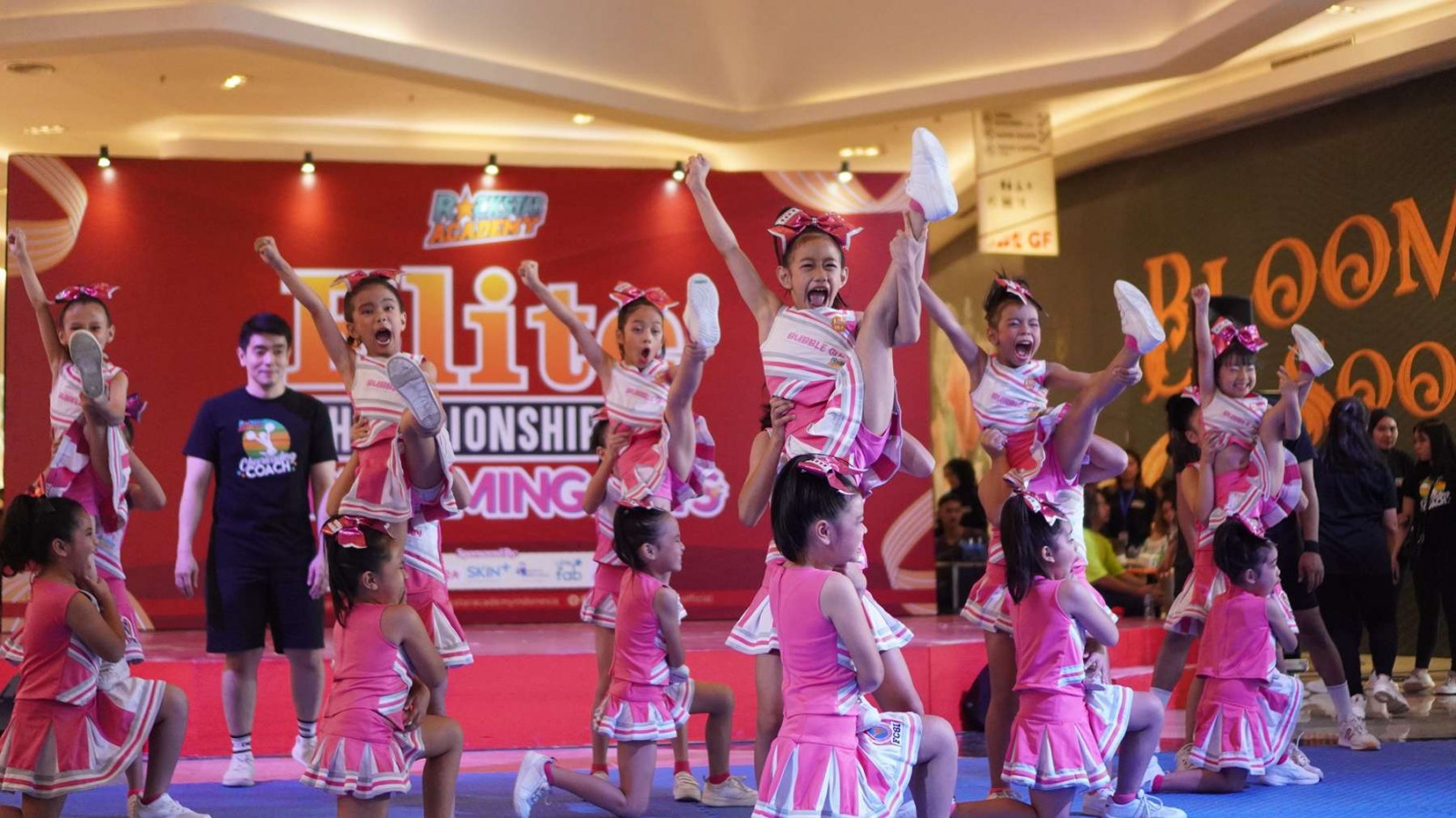
Cheerleading is way more than just waving pom-poms and shouting chants—it’s a sport full of variety, excitement, and skill. In this article, we’re diving into the different types of cheerleading, exploring everything from high school squads to professional teams and All-Star programs.
You’ll learn what makes each type unique, the skills and training they demand, and the culture that drives each team. By the end, you’ll see just how diverse and dynamic the world of cheer really is. Let’s keep reading!
Distinct Categories of Cheerleading
Before diving into the world of cheerleading, it’s important to know that not all cheer squads are the same. Each type of cheerleading has its own focus, requirements, and culture, whether you’re cheering for school spirit, competing at high levels, or performing professionally. Understanding the differences can help you decide which path fits your goals and style best.
A. All-Star Cheerleaders
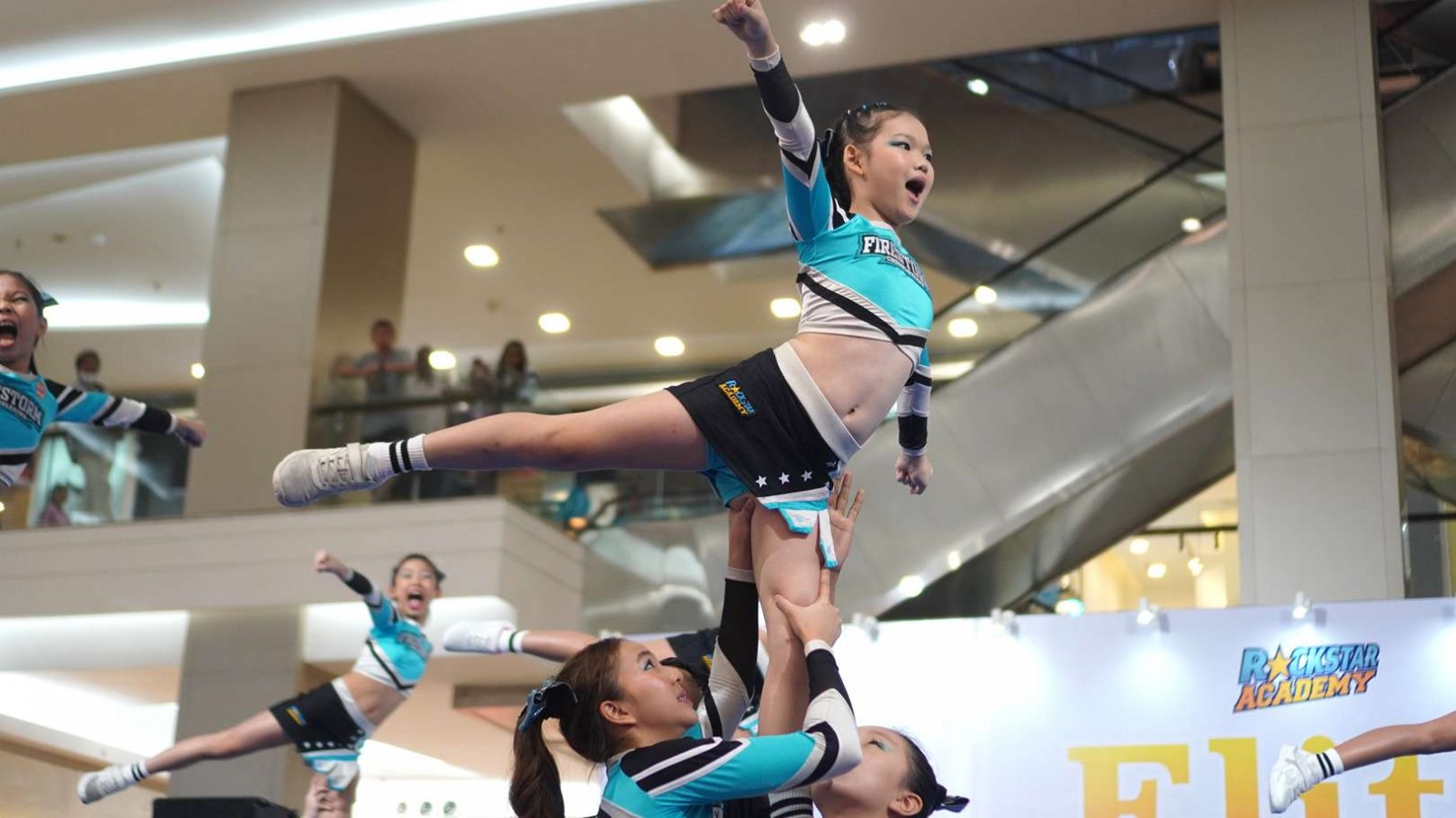
All-Star cheerleaders train at gyms that focus on tumbling, gymnastics, dance, and stunting. Their primary goal is competition, not cheering for school sports like football or basketball.
Instead of traditional chants, they perform competition cheers designed to impress judges with technical skills and synchronization.
All-Star athletes typically have high skill levels, often learning from specialized coaches such as tumbling instructors, stunting coaches, and choreographers. Joining an All-Star team usually requires a rigorous tryout process, and athletes are often selected from existing gym students.
While it’s considered the fastest-growing segment of cheerleading, it can be expensive due to costs like uniforms, travel, and lessons. Many All-Star teams follow regulations set by the United States All Star Federation (USASF).
B. Scholastic Cheerleaders
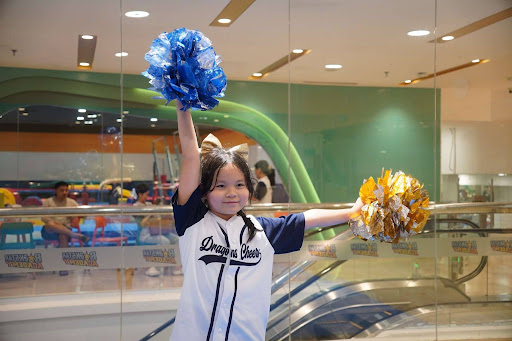
These are the cheerleaders most people picture when thinking of cheerleading—they represent schools and focus on boosting school spirit during games.
Scholastic cheerleaders may also compete, but their main role is to cheer for school sports. Tryouts are usually held in the spring and can involve either judged performance or votes from the student body.
Teams are often divided into varsity and junior varsity based on skill level or grade. Selection criteria can include ability, leadership, personality, grades, and conduct. Coaches are typically teachers or school advisors, and the program emphasizes both athletic skill and positive representation of the school.
C. Pro Cheerleaders
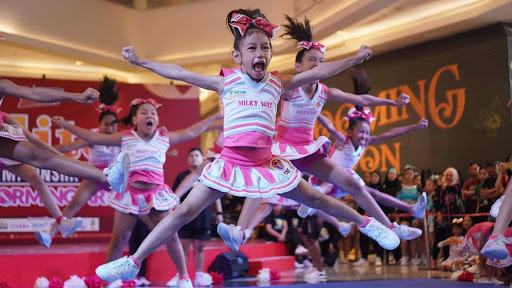
Pro cheerleaders perform for professional sports teams and are considered more entertainers than traditional cheerleaders. Selection is extremely competitive, focusing on dance ability, personality, communication skills, and appearance.
Pro cheerleaders are often paid modestly, but they gain opportunities for travel, appearances, and media projects. Most hold full-time jobs outside of cheerleading, and the experience can open doors in the entertainment industry.
Their routines focus on high-energy performances rather than traditional cheers or stunting.
The Culture of Cheerleading
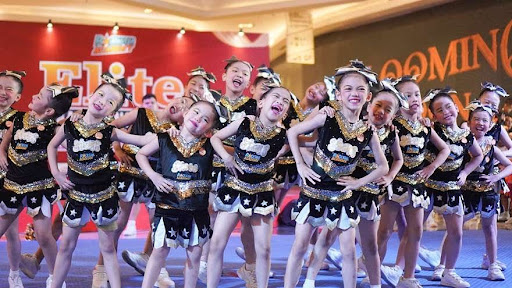
Cheerleading is a culture filled with teamwork, dedication, and a strong sense of community. Across all levels, the culture of cheer shapes how athletes train, perform, and connect with one another. Here are some key aspects of cheerleading culture:
1. Teamwork and Trust
At the core of cheerleading is teamwork. Flyers, bases, and back spots must trust each other completely to perform stunts safely. Practices focus not just on individual skills but on building coordination, timing, and confidence in teammates.
Trust develops over time as teams rehearse countless routines, and strong team chemistry can make the difference between a good performance and a flawless one.
2. Discipline and Work Ethic
Cheerleading demands commitment. Athletes often juggle school, jobs, or other responsibilities while maintaining rigorous training schedules.
Discipline comes in the form of attending practice consistently, mastering skills progressively, and pushing through physical and mental challenges.
This dedication is celebrated within cheer culture where hard work is respected and recognized by peers, coaches, and the community.
3. Competitive Spirit
Competition drives much of cheerleading culture, especially in All-Star and professional teams. Athletes constantly aim to improve stunts, tumbling passes, jumps, and choreography.
Competitions create a shared sense of purpose and excitement, and even teams that perform for school sports or entertainment carry a desire to be the best they can be.
The competitive mindset encourages athletes to take risks, innovate routines, and strive for perfection.
4. Leadership and Mentorship
Cheerleading culture values leadership at all levels. Senior team members or experienced athletes mentor younger or less experienced teammates, offering guidance on skills, technique, and performance mindset.
Captains and squad leaders often act as role models both on and off the floor, helping to maintain team morale, focus, and positivity. Leadership also extends to encouraging safety, proper training, and supporting peers through setbacks.
5. Creativity and Expression
Beyond athleticism, cheerleading celebrates creativity. Choreography, music selection, and routine construction are opportunities for expression. Teams develop unique styles, themes, and personalities that make their performances stand out.
Even in school cheer, creative chants, formations, and crowd interactions allow athletes to engage the audience and showcase individuality while maintaining cohesion with the team.
6. Community and Camaraderie
Finally, cheerleading fosters a strong sense of community. Teams often feel like a family, bonding through shared triumphs, challenges, travel, and late-night practices.
Supportive friendships, inside jokes, and shared goals create a positive culture that extends beyond the gym. Alumni networks and local cheer communities keep former members connected and inspired to give back, coach, or stay involved.
Discover the Excitement of All Cheer Styles!
Cheerleading comes in many forms, each with its own vibe, skill demands, and traditions. From school teams that focus on school spirit to professional squads performing at big events, and All-Star teams pushing the limits of stunts and routines, understanding the types of cheerleading helps you appreciate the sport even more.
No matter which path you choose, every style teaches teamwork, athleticism, and dedication, qualities that go beyond the mat. At Rockstar Academy, cheerleading is more than just cheers and flips, it's Cheerleading as a sport in its purest form.
Our cheerleading program at the Sports & Performing Arts Academy combines strength, agility, and precision with creativity, preparing students to perform at their absolute best.
From mastering stunts to perfecting routines, our experienced coaches guide every cheerleader with personalized attention, ensuring safety while building confidence and skill. Students not only develop physical prowess but also teamwork, leadership, and performance poise, all essential for success in competitions and showcases.
Dreaming of performing on big stages and competing like a pro? At Rockstar’s Cheerleading program, every athlete gets the full experience—structured training, consistent practice, and expert mentorship to help them grow and shine.
From local showcases to major events like Elite Championships, RockOlympics, or Cheerleading Recital, you’ll have exciting opportunities to compete, perform, and show off your skills with confidence.
Not sure where to start? Jump in with a free trial class and feel the energy for yourself! It’s the perfect way to experience what it’s like to be part of a top-tier cheerleading team—before taking your skills to the next level.
FAQ
What are the different styles of cheerleading?
School/Scholastic, All-Star, and Professional/Pro cheer.
What are the different categories of cheerleading?
Tumbling-focused, stunt-focused, dance-focused, and competition-focused squads.