Perfecting the Arabesque in Cheerleading Balance and Technique Tips
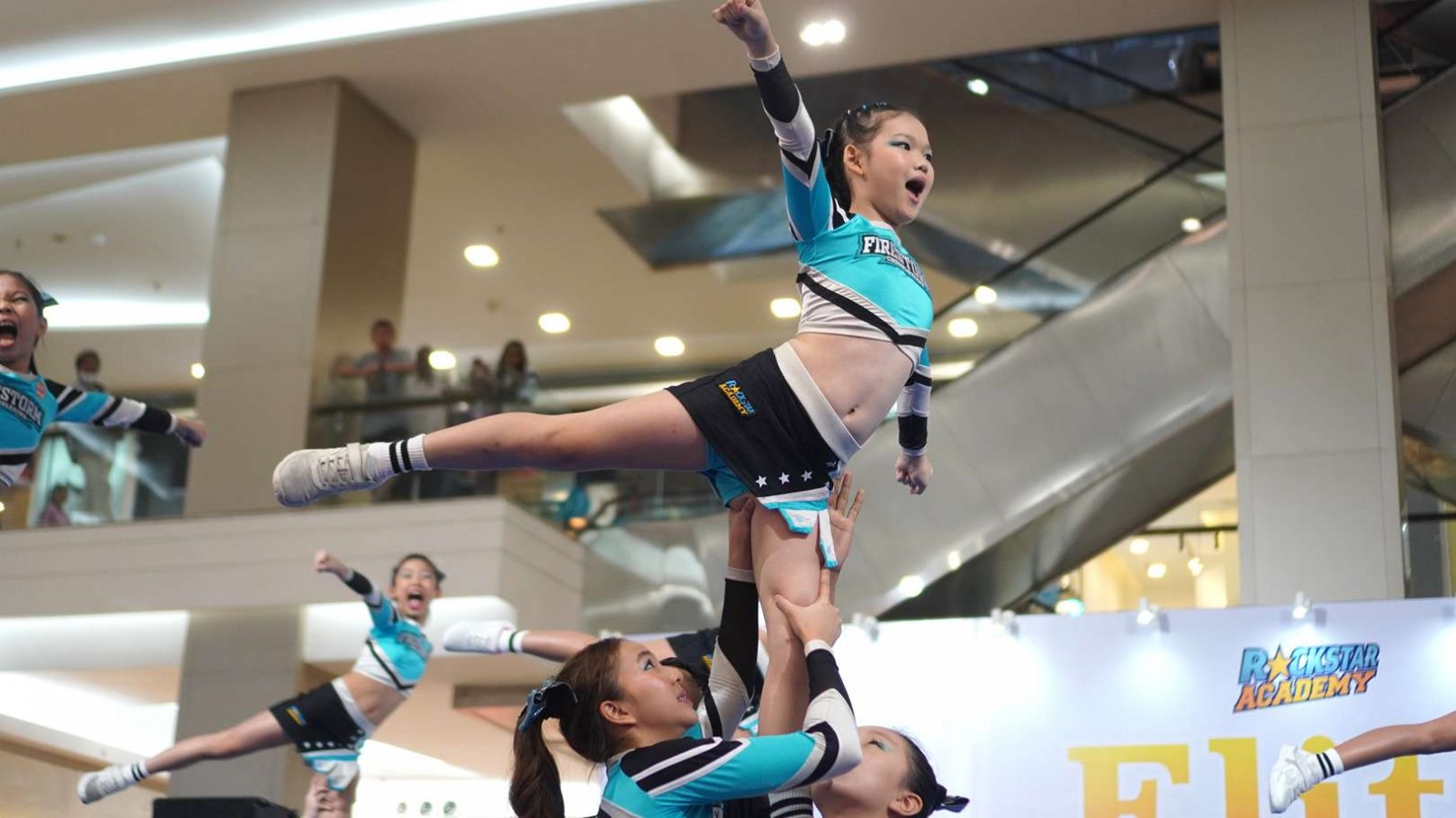
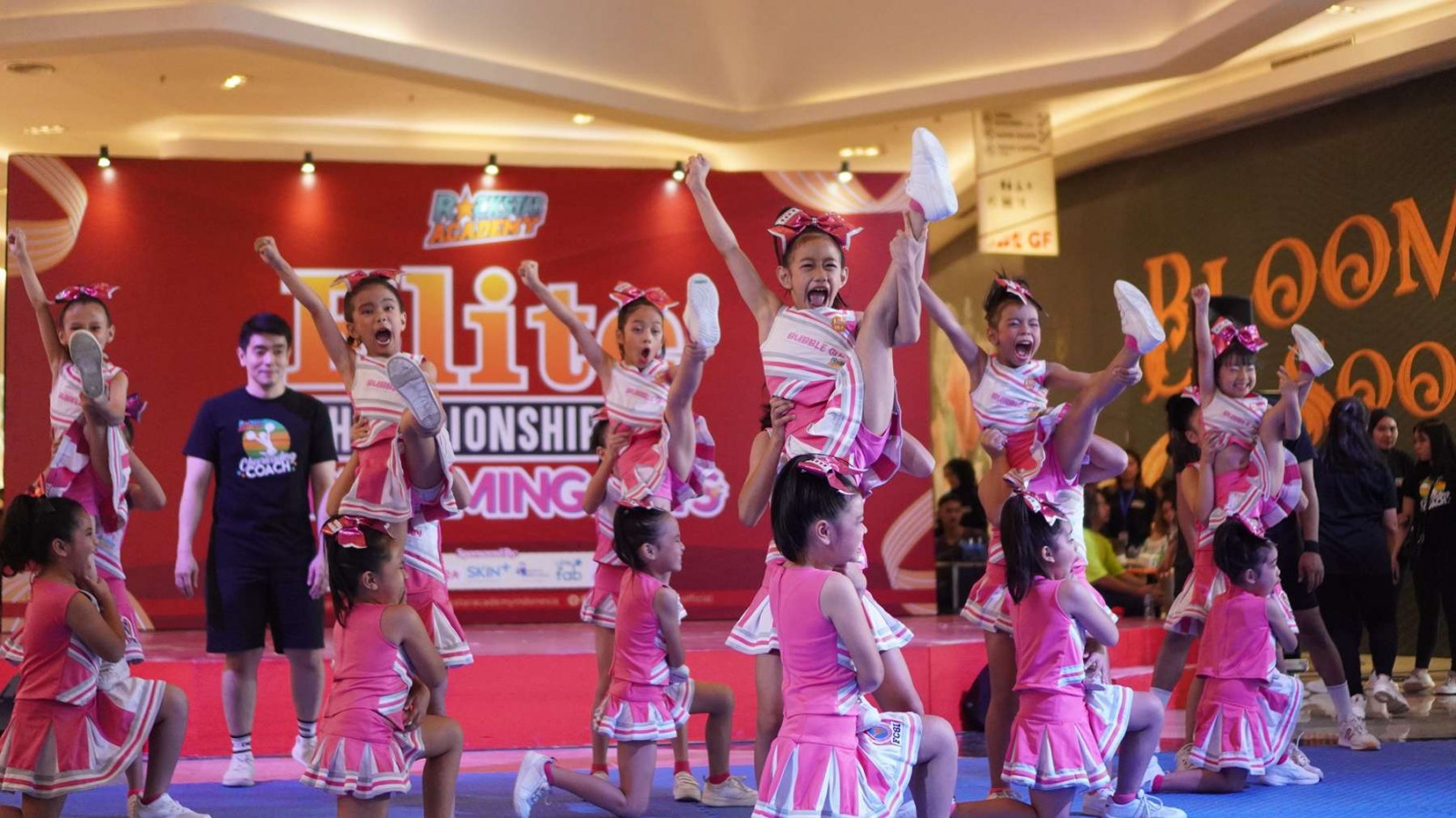
The arabesque cheer is one of the most stunning and recognizable moves in cheerleading. It showcases a flyer’s strength, balance, and flexibility all at once, making it a highlight in routines and performances.
Perfecting this position not only improves your technical skills but also boosts your confidence on the mat and enhances the visual appeal of your cheer.
In this article, we’ll explore everything you need to know to perfect your arabesque cheer—from proper body alignment and techniques to improve leg height, to targeted strength and flexibility drills for flyers aiming to master this elegant position.
How to Perform a Proper Arabesque
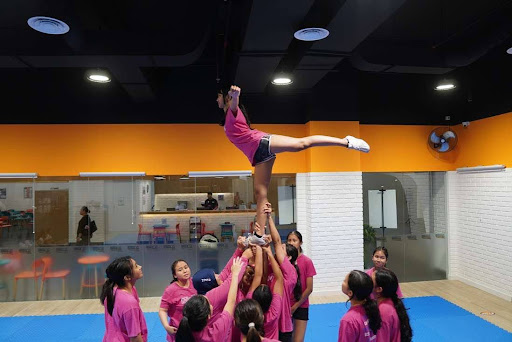
Mastering the arabesque cheer starts on the ground before attempting it in the air. Practicing safely on the floor allows cheerleaders to correct form and technique issues. Using a mirror can help visually identify areas that need adjustment. Here’s a step-by-step guide broken into key points:
1. Warm Up and Stretch
Begin with proper stretching to increase flexibility and reduce the risk of injury. Focus on hamstrings, hips, and back.
2. Starting Position
Stand upright with legs and feet together. Arms should be relaxed at the sides, with either the left or right shoulder facing the audience. Keep your chin up and posture tall.
3. Weight Placement
Shift your body weight onto the supporting leg, specifically on the inside of the foot. This leg will act as the stable base (or be held by bases in the air).
4. Leg Extension
Carefully raise the opposite leg straight behind you, keeping toes pointed. Extend it until it is parallel to the ground. The goal is a 90-degree angle between your back and raised leg.
5. Arm Position
Simultaneously lift your arms into a full T motion. Keep shoulders relaxed and chest lifted.
6. Hip Alignment
Keep your hips centered and square to the ground throughout the movement. Avoid letting them drop or twist.
7. Core and Back Engagement
Arch the back naturally and engage the core for stability. This helps maintain balance and prevents tipping forward.
8. Confidence and Presentation
Once stable, engage with the audience. Lift your head, smile, and direct your gaze confidently while holding the arabesque.
9. Transition to Air
Only attempt the arabesque in the air once you can consistently hold proper form on the ground. Ensure your coach and stunt mates are ready to support you.
10. Maintain Posture
Throughout the arabesque, keep hips, chin, and chest elevated. Dropping any of these can compromise balance and increase the risk of falling.
Tips for Improving Balance and Leg Height
Mastering balance and achieving higher leg extensions takes a combination of strength, control, and consistent practice—here are some key tips to help you improve:
- Build a Strong Core
A strong core helps flyers stay stable, especially when balancing on one leg in the air. It allows you to hold positions longer without wobbling.
- Strengthen Key Muscle Groups
Focus on training your:
- Back (for posture and control)
- Legs (for support and power)
- Hips (for flexibility and range)
- Glutes (for stability and lift)
- Core (for overall balance)
- Use Resistance Tools
Tools like resistance bands can help increase strength while improving flexibility and control at the same time.
- Practice Consistently
Regular training builds endurance, so you can maintain positions like arabesques longer and with better control.
- Focus on Form and Control
Don’t just aim for height! Remember to maintain clean lines and steady balance to keep your movements looking strong and graceful.
- Improve Flexibility Alongside Strength
Better flexibility allows for higher leg extensions, while strength ensures you can hold them with control.
- Train for Endurance
The longer you can hold positions without losing form, the more confident and consistent your performance will look.
Strength and Flexibility Drills for Flyers
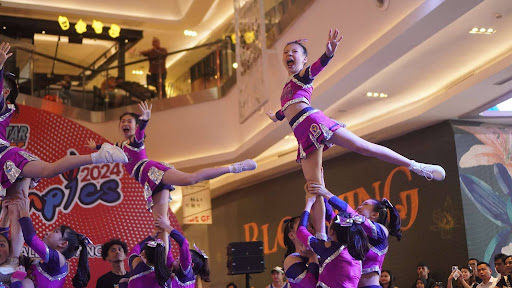
Mastering the arabesque cheer requires flyers to have both strength and flexibility. These drills are designed to target the muscles that keep you stable in the air, improve your leg height, and maintain perfect posture while performing this iconic move.
A. Core Strength Drills
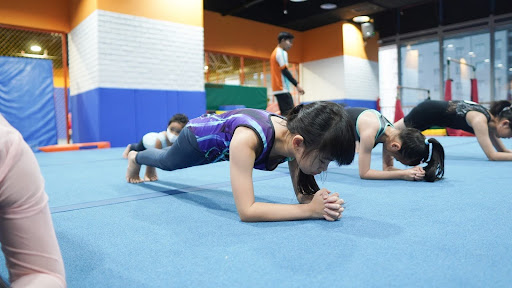
A strong core is the foundation for holding an arabesque in the air. Start with planks, holding for 30 to 60 seconds, gradually increasing your time as your strength improves.
Side planks and hollow body holds are also excellent for building obliques and stabilizers, which help maintain balance when your body is supported on one leg. Pilates-inspired exercises, like leg lifts and controlled roll-ups, enhance core control and make transitions in and out of the arabesque smoother.
B. Leg and Glute Strength
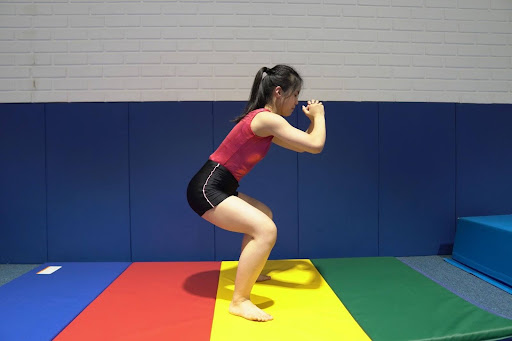
Flyers need powerful legs and glutes to extend the raised leg fully while staying stable on the supporting leg. Resistance band exercises, like side-lying leg lifts, kickbacks, and squats, help build this strength.
Single-leg deadlifts are especially effective because they mimic the balance challenge of the arabesque, forcing your muscles to stabilize while engaging the hamstrings, glutes, and lower back. Step-ups onto a low platform or box also train the legs for explosive power and endurance.
C. Hip Flexibility Drills
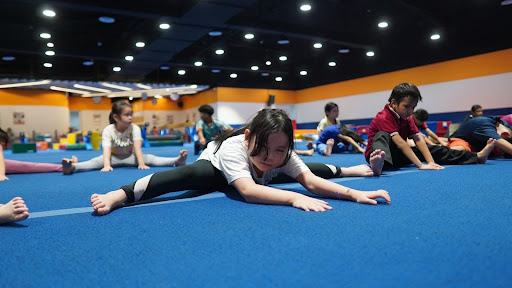
High leg extensions in an arabesque require open and flexible hips. Dynamic stretches, such as leg swings front to back and side to side, are great warm-up exercises.
For deeper flexibility, practice seated or standing splits, and use yoga-inspired moves like the pigeon pose to stretch the hip flexors and improve range of motion.
Remember to hold each stretch for at least 20-30 seconds and repeat on both sides for balanced flexibility.
D. Back and Shoulder Strength
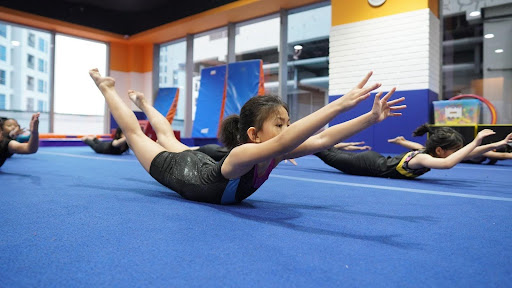
Maintaining a lifted chest and proper arm placement in a T-motion requires strong shoulders and upper back muscles.
Wall angels, reverse flys with light weights or resistance bands, and shoulder presses can improve strength and posture.
Superman lifts on the floor also strengthen the lower back, which helps keep the torso stable while the leg is raised.
E. Balance Practice
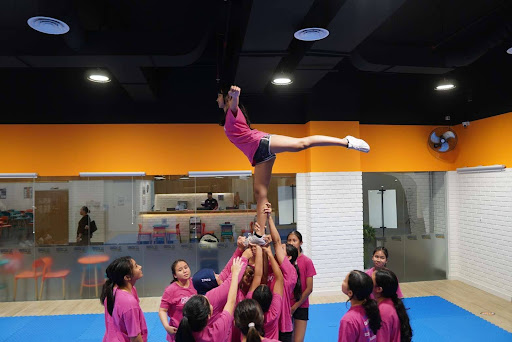
Finally, integrating balance drills into every session is crucial. Standing arabesques on the floor with or without a support, using a balance pad, or practicing with a resistance band held by a partner can train the stabilizer muscles and improve proprioception.
Incorporating slow, controlled transitions in these drills builds confidence for performing the arabesque in the air.
Shine in Every Routine!
Hitting the perfect arabesque cheer is all about practice, patience, and smart training. Focusing on technique, balance, and targeted drills will help you lift your leg higher, stay stable, and move with confidence.
Elevate your cheer skills with the Cheerleading Program at Rockstar Academy, where every athlete gets the guidance and training needed to master moves like the cheer scorpion with confidence and style.
At our Sports & Performing Arts Academy, experienced coaches focus on strength, flexibility, and technique, preparing you for high-level performances and competitions.
Students train with experienced coaches, learn teamwork and discipline, and get opportunities to showcase their skills on big stages like the Elite Championships, the RockOlympics, and the Cheerleading Recital.
Join today and experience the difference yourself with a free trial. Your first step toward becoming a standout flyer starts here!
FAQ
How to do an Arabesque in cheer?
Stand on one leg, lift the other straight behind you, arms in a T, hips square, and core engaged.
What is the hardest cheer stunt?
Stunts like the cheer scorpion or high-flying pyramids are among the most difficult due to balance, flexibility, and strength required.