Spin Ping Pong: How to Generate Every Spin Type for Maximum Effect

Ever feel like your ping pong game is missing that extra edge? The secret weapon is all in the spin ping pong! Spins can make the ball curve, bounce weirdly, and totally throw off your opponent’s rhythm.
In this guide, we’ll break down the types of spins, show you how to generate them, and give you drills and tips to make your shots tricky, powerful, and fun. Get ready to level up your ping pong skills!
What Is Spin in Ping Pong?
In ping pong, spin is the technique of putting a rotation on the ball to control its direction, speed, and bounce. By manipulating the spin, you can make the ball move unpredictably, making it much harder for your opponent to return.
Mastering spin is crucial because it gives you a strategic advantage and makes your shots more effective and tricky to handle.
Spin Types in Ping Pong
Understanding different types of spin is key to leveling up your ping pong game. Each spin affects the ball’s speed, bounce, and trajectory, giving you more control and the ability to confuse your opponent. Let’s break down the main types of spins you should know:
1. Topspin
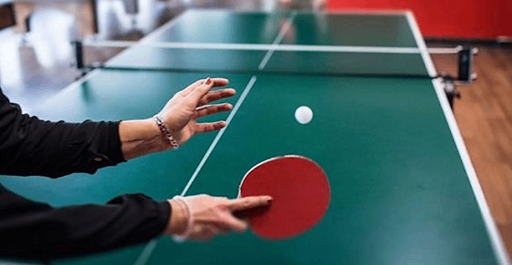
Topspin is the most common type of spin in ping pong, where the ball rotates forward as it travels. This spin is great for attacking because it makes the ball move faster and bounce lower after hitting the table.
Topspin also helps keep the ball on the table by pushing it downward, preventing it from flying off too far.
2. Backspin
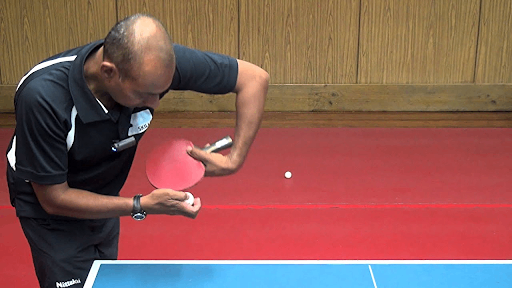
Backspin, also called underspin, gives the ball a backward rotation. This makes the ball slow down and bounce lower than usual. Backspin is mainly used for defensive plays, making it harder for your opponent to attack or smash effectively.
3. Sidespin
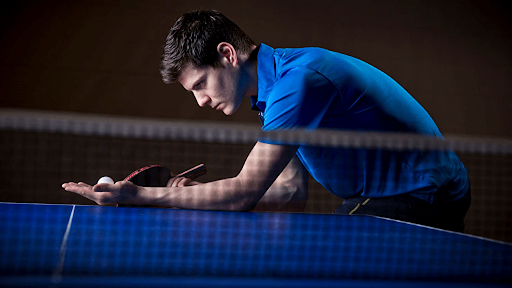
Sidespin puts a spin to the side of the ball, causing it to bounce sideways after hitting the table. This type of spin is often used in serves or rallies to confuse opponents.
You can also combine sidespin with topspin or backspin to create tricky, unpredictable shots.
4. Corkscrew Spin
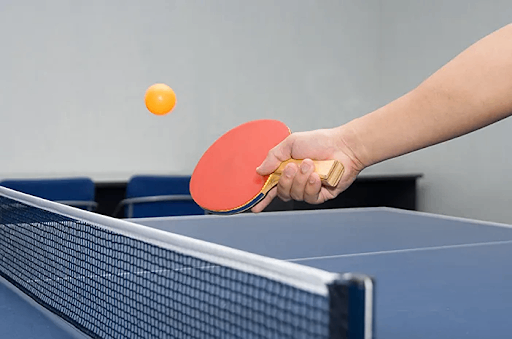
Corkscrew spin is a more advanced variation that combines vertical and horizontal rotation, producing a unique trajectory.
While less common, it’s very effective in surprising skilled opponents and making the ball’s direction difficult to read. This spin is usually used by experienced players looking to gain a strategic advantage.
How to Spin the Ping Pong Ball
To master spin ping pong, you need to know the basic techniques for topspin, backspin, and sidespin.
For topspin, start your stroke below and behind the ball, brush it upward at an angle, and the ball will curve down onto your opponent’s side with speed.
For backspin, stroke from high to low, brushing the bottom of the ball to slow it down and make it bounce low, making it hard for your opponent to attack.
Sidespin can be added by moving your paddle laterally — away from your body for a push sidespin or toward your body for a pull sidespin — causing the ball to curve left or right in unpredictable ways.
Why You Should Learn Spin
Knowing how to use spin effectively can make your shots more powerful, unpredictable, and strategic. Here’s why learning spin is so important:
A. Strengthen Attack and Defense
With different spins, you can hit more aggressively while also controlling defensive shots. Spin allows you to dictate the pace and keep opponents guessing.
B. Confuse Your Opponent
Spinning the ball makes it harder for your opponent to predict its direction and speed, increasing their chances of making mistakes.
C. Add Strategy to Your Game
Spin opens up new tactical options, like tricky serves or sharp angled shots, giving you more ways to outsmart your opponent and win points.
Spin Drills and Exercises
Want to take your spin ping pong skills to the next level? Practicing different spin drills is the key to controlling the ball, confusing opponents, and playing smarter. Here are some effective exercises to try:
1. Topspin Drill
Use a medium-speed ball to practice topspin. Hold your paddle at about a 45-degree angle and hit the ball with a smooth, upward brushing motion. Focus on generating good spin and controlling the ball’s direction.
2. Backspin Drill
Start with slower balls to get a feel for backspin. Keep your paddle more horizontal with the bottom slightly tilted backward, and strike the ball from high to low sharply. This helps the ball spin backward and bounce low, making it tricky for your opponent.
3. Sidespin Drill
Practice sidespin serves by brushing the ball from the side. Focus on moving your paddle laterally at the moment of contact. Repeat with different speeds and angles to improve your control and unpredictability.
4. Combination Spin Drill
Combine two types of spin, like topspin with sidespin, to create more advanced shots. Practice with a partner who can return the ball, so you can apply these spins in realistic game situations and improve your strategy.
When to Play a Spin
Here’s how to use different types of spin effectively in pickleball:
- Topspin: Use this when you want to attack and push your opponent back. It’s especially useful on mid-height balls, letting you hit hard while still keeping control of your shot.
- Backspin: Great for defense! Use backspin to slow down the rally, force your opponent into making errors, or set yourself up for a stronger next shot.
- Sidespin: Perfect for serves and trick shots. This spin makes the ball curve unpredictably, throwing off your opponent’s timing and positioning.
By choosing the right spin at the right moment, you control the pace, direction, and strategy of the game.
Tips to Shoot an Effective Spin
Want your spin ping pong shots to be more tricky, precise, and effective? Here are some top tips to help you nail your spin every time:
A. Pay Attention to Paddle Position and Angle
The angle and position of your paddle are key to generating the spin you want. Experiment with different angles to see how they affect the ball’s rotation.
B. Focus on Contact with the Ball
Really feel the moment your paddle touches the ball. The longer the ball stays on your paddle, the more control you have over its spin.
C. Practice at Different Speeds
Try hitting balls at different speeds to see how speed affects spin. Start slow to get the technique right, then gradually increase the speed.
D. Watch Professional Players
Watching pros is a great way to learn. Notice their hand movements, body position, and how they control the paddle to create different spins.
E. Practice Spin Serves
The serve is the perfect opportunity to use spin. Practice different types of spin on your serves to gain an advantage right from the start of the rally.
F. Use the Right Equipment
A paddle with good rubber can maximize your spin potential. Choose one that fits your playing style for better control and power.
Win More Points!
Once you get the hang of spin ping pong, the table becomes your playground. Mixing spins, timing them right, and practicing the drills will make your shots unpredictable and super effective. Keep experimenting, stay sharp, and enjoy the thrill of seeing your opponents scramble to keep up.
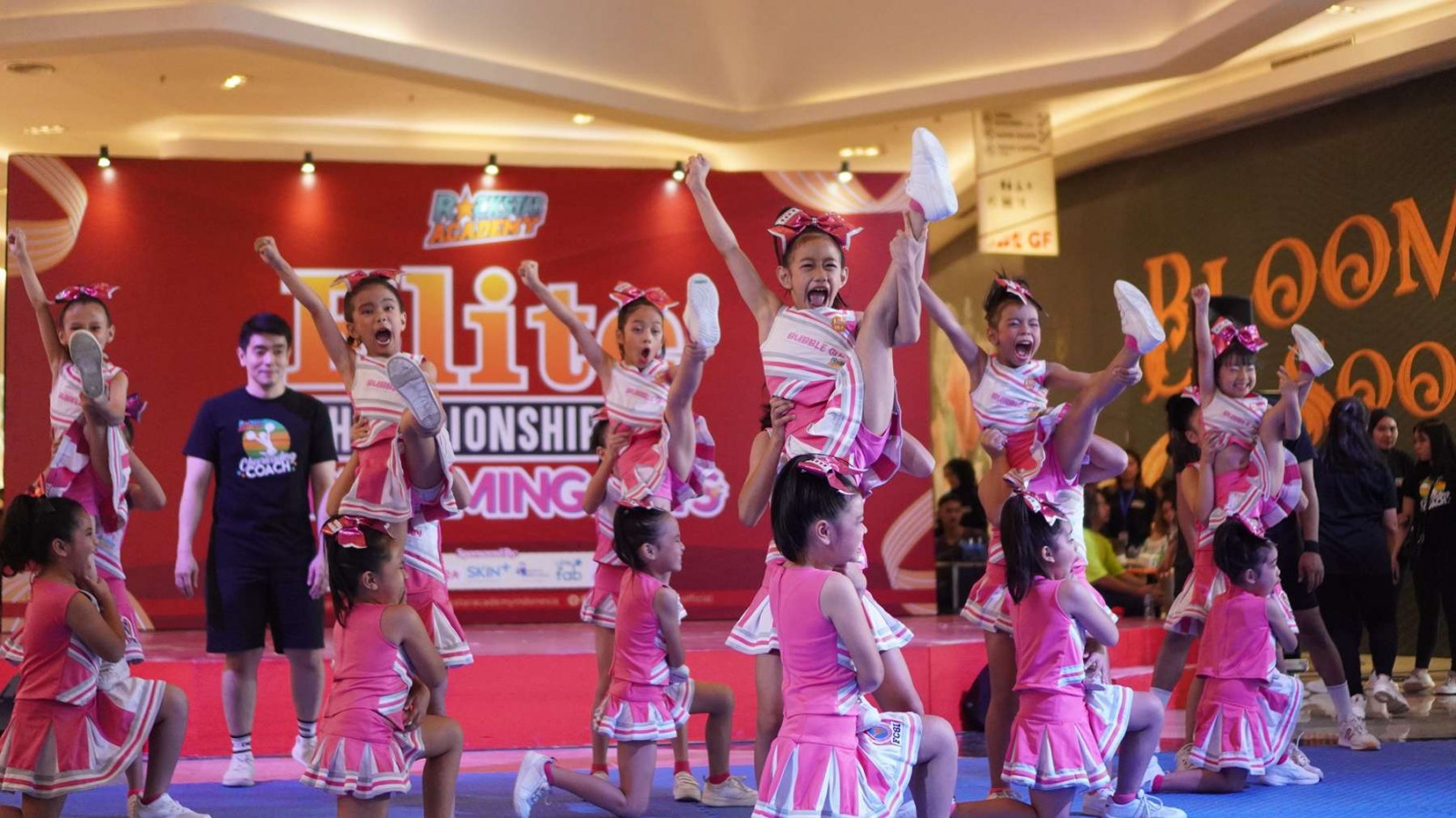
Ready to take your ping pong forehand and overall skills to the next level? At Rockstar Academy, our Sports & Performing Arts Academy offers a fun, structured Ping Pong Program designed for all skill levels.
You’ll get hands-on coaching, learn pro techniques, and prepare for competitions like Elite Championships for kids and Adults while improving your strategy, speed, and spin control. Don’t wait — try out the program with a free trial class and experience the excitement for yourself!
FAQ
What is a spin in tennis?
Spin is the rotation you put on the ball to change its bounce, speed, or trajectory, making it harder for your opponent to return.
How to beat spin in ping pong?
Adjust your paddle angle, read the spin carefully, and use counter-spin or push techniques to control the ball.