The Futsal Block & Screen: Mastering Off-Ball Tactics for Scoring
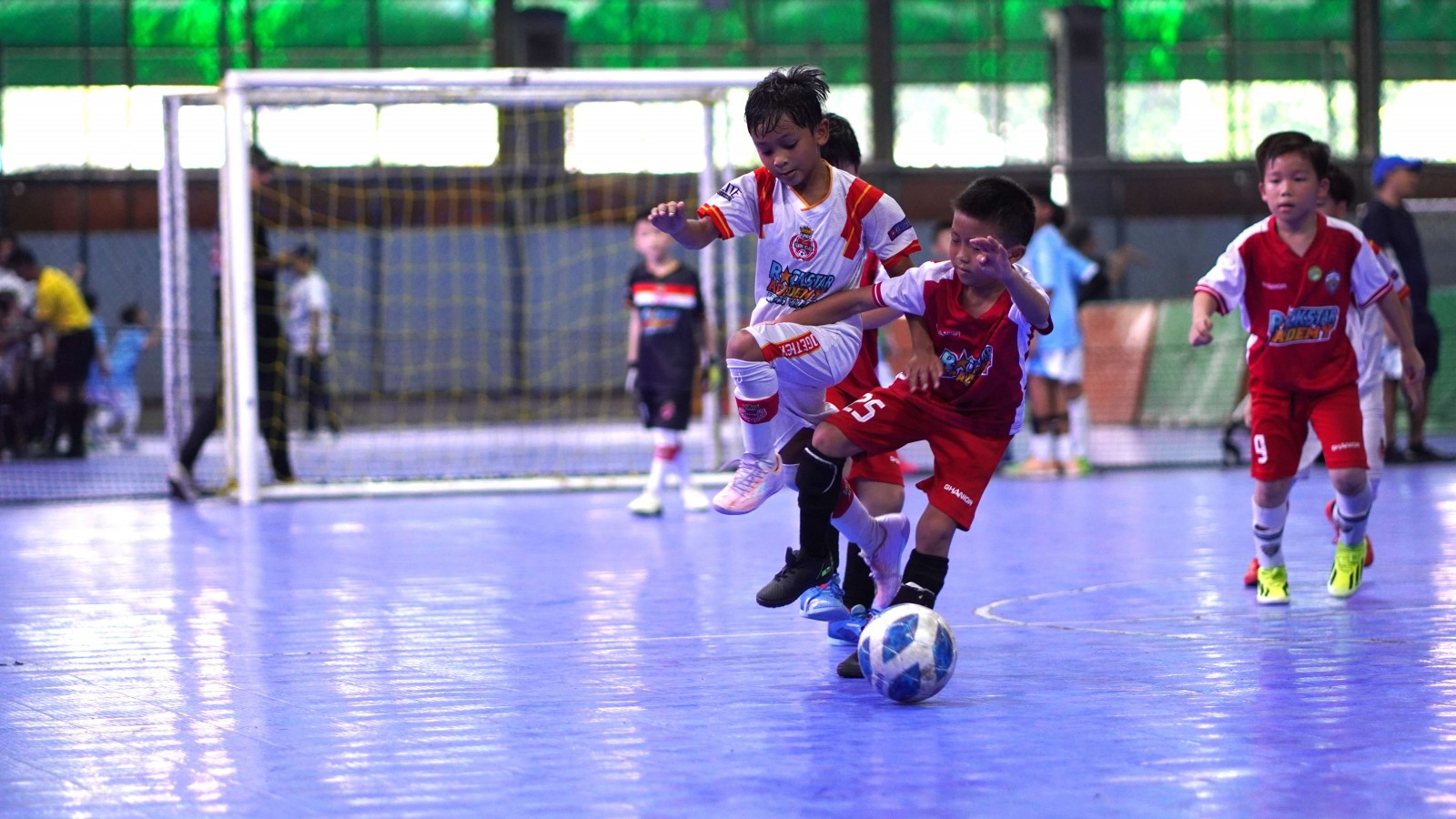
Some of the most dangerous futsal goals come from movements without the ball. That’s usually where futsal block and screen comes in. Think of them as smart, sneaky moves that create space, confuse defenders, and give your teammate the perfect chance to score.
In this article, we’ll break down what futsal blocks and screens are, why they are so effective, and the different types of blocks and screens used in futsal. Don’t worry—no complicated tactics here. Let’s check it out!
What Is a Block and Screen in Futsal?
In simple terms, a block or screen is an off-the-ball movement where a player uses their body position to stop or delay a defender—without fouling—so a teammate can get free.
- Block: Usually involves stepping into a defender’s path to briefly stop them.
- Screen: More passive where standing still in a smart position so the defender runs into you or has to go around.
Both have the same goal which is to create space.
Why Blocks and Screens Are So Effective in Futsal
Futsal is played in a fast, tight environment where decisions must be made in seconds. The court is small, defenders are always close, and attackers rarely have time to dribble freely.
Because of these conditions, blocks and screens become incredibly powerful tools.
1. Limited Space = Bigger Impact
In futsal, space is extremely valuable and very rare. Unlike outdoor football, where players can run into open areas, futsal players operate in tight channels with defenders only a step away. This means that even a half-second delay can be enough to create a clear scoring opportunity.
A well-timed block forces a defender to slow down, stop, or take a longer path. That tiny delay often allows the attacker to receive the ball cleanly, take a shot, or make a decisive pass.
2. Defenders Focus on the Ball
Most futsal defenders are trained to be ball-oriented. Their eyes naturally follow the ball, especially when it’s near the goal. While this focus is important defensively, it also creates an opportunity for attackers who move intelligently without the ball.
Blocks and screens take advantage of this habit. When defenders are watching the ball, they are less aware of what is happening around them. A smart off-the-ball screen can surprise them and disrupt their positioning before they even realize what’s happening.
3. Team Play Over Individual Skill
One of the best things about blocks and screens is that they don’t require fancy footwork, speed, or strength. They rely on understanding the game and working together. This makes them perfect for team communications in futsal.
Blocks and screens allow every player to contribute to the attack. A well-set screen can be just as important as the final pass or shot.
4. Perfect for Set Plays
Set plays are one of the most important moments in futsal. Kick-ins, corners, free kicks, and power plays happen often, and defenses are usually organized and compact. Breaking through that structure without blocks and screens is extremely difficult.
That’s why most successful set plays rely on precise, well-timed blocks. Screens create shooting lanes, disrupt man-marking, and force defenders to switch assignments.
Different Types of Futsal Blocks & Screens
Understanding the different types of blocks and screens will help players read the game better and contribute more effectively, even without touching the ball.
1. Direct Block
A direct block is the most straightforward type of block in futsal. It occurs when a player intentionally places their body directly in the defender’s running path to stop or delay them, allowing a teammate to get free.
Although it may look physical, a direct block is completely legal as long as the player stays balanced and does not push or use their arms.
How It Works:
- The blocker moves into the defender’s running line
- Feet stay planted or move naturally
- Arms stay close to the body
- The defender is forced to stop, slow down, or go around
Direct blocks are especially effective during set pieces such as kick-ins and corner kicks, or whenever defenders are tightly man-marking. These situations often require immediate separation, making the direct block an ideal option.
2. Pick and Roll
The pick and roll is a dynamic two-step movement adapted from basketball. It involves setting a screen for a teammate and then immediately moving into open space after the screen. This creates multiple attacking options and puts defenders under pressure to make quick decisions.
How It Works:
- Player A sets a screen on the defender
- Player B uses the screen to move with the ball or make a run
- Player A then rolls away from the screen, usually toward goal or open space
Pick and rolls are most effective in 2v2 situations, during rotations, or against defenders who like to apply high pressure. They work particularly well in structured attacking systems where players understand timing and spacing.
3. Indirect Block
An indirect block is a more subtle and intelligent form of blocking. Instead of directly stopping a defender, the blocker positions themselves to cut off the defender’s route or angle, forcing them to take a longer or less effective path.
How It Works:
- You position yourself between the defender and the space they want to cover
- You don’t make direct contact
- The defender must go around you
Indirect blocks are ideal during open play, rotational attacks, or when facing zonal defenses. They are also useful in matches where referees are strict, as this type of block looks very natural.
4. Disguise Block & Screen
A disguise block is an advanced tactic that hides the intention to block. The blocker pretends to make a normal run or ask for the ball, only to cut off the defender’s path at the last moment. The goal is to surprise the defender and delay their reaction.
How It Works:
- You pretend to make a normal run
- You act like you want the ball
- At the last moment, your movement cuts off the defender’s path
Disguise blocks are most effective against experienced defenders who can easily read standard set plays. They are often used in high-level matches or late in games when unpredictability becomes crucial.
Start Your Child’s Futsal Journey with Rockstar Academy!
If you want your children to truly grow and excel in futsal, the right environment and guidance make all the difference. At Rockstar Academy, the best Sports & Performing Arts Academy, our futsal program is designed to help young athletes develop not only technical skills, but also game intelligence, confidence, and teamwork.
Through a structured curriculum, students have the opportunity to compete in Elite Championships and RockOlympics, unforgettable experiences that challenge them to discover their true potential on and off the court.
For advanced players seeking higher intensity, our Dream Team program offers focused, competitive training, while our Private Instruction Program provides fully personalized, skills-based coaching tailored to each student’s goals.
Best of all, families can start with a free trial class, because every future futsal star deserves the chance to shine!
FAQ
Is blocking allowed in futsal?
Yes. Blocking is legal as long as there is no pushing, holding, or charging.
What’s the difference between a futsal block and a screen?
A block usually involves brief movement into a defender’s path, while a screen is more stationary. In practice, the terms are often used interchangeably.
Do I need to be strong to set good screens?
No. Balance, timing, and positioning are far more important than strength.