The Evolution and Technique of the Yurchenko Vault
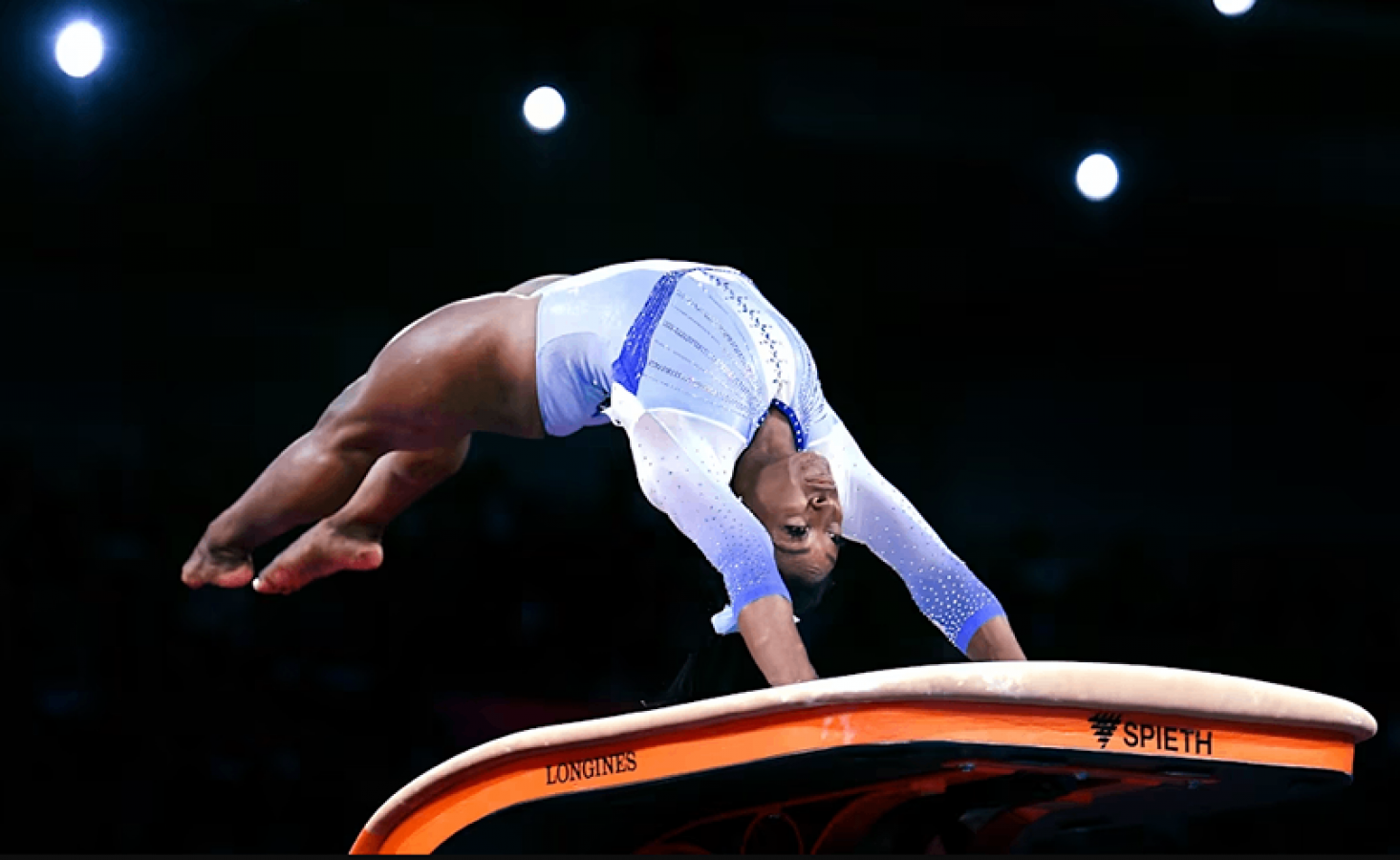
If you watch modern gymnastics, chances are you’ll see many athletes performing the yurchenko vault during their Vault routines. This vault style is easily recognizable because it starts with a round-off onto the springboard, followed by a back handspring onto the vault table, before the gymnast launches into a flip or twist in the air.
Even though it looks fast and smooth in competition, the Yurchenko vault actually requires careful timing and strong fundamentals. In this article, we’ll explore how the yurchenko vault works, why the back handspring onto the table is so important, and the safe training steps gymnasts follow to master it.
What Is a Yurchenko Vault?
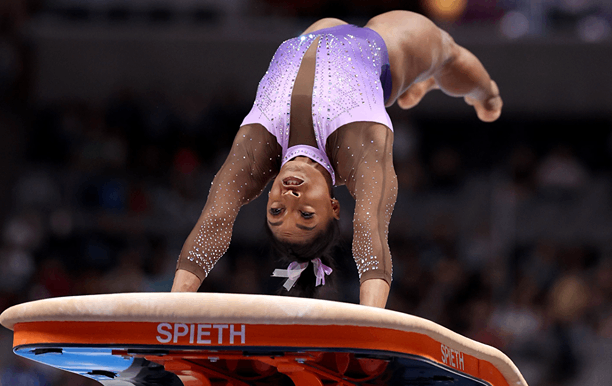
A yurchenko vault is a popular vaulting technique in gymnastics that starts with a round-off onto the springboard, followed by a back handspring onto the vault table, and then finishes with a flip or twist in the air before landing.
This unique entry makes the vault different from many others because the gymnast approaches the table facing away from it after the round-off, which requires strong timing and confidence.
The vault was first introduced by Natalia Yurchenko and is performed on the Vault. Today, many gymnasts use the Yurchenko entry because it allows them to generate a lot of speed and power, making it easier to perform advanced skills like layouts and twisting vaults.
The Importance of the Back Handspring Onto the Table
In a yurchenko vault, one of the most important moments happens during the back handspring onto the table. After the round-off onto the springboard, the gymnast quickly rebounds backward and places their hands on the Vault. This movement sets up the entire second half of the vault, so doing it correctly makes a huge difference in height, power, and control.
A. Builds Power for the Takeoff
The back handspring onto the table helps transfer the speed from the run and round-off into upward power.
When the gymnast blocks strongly through their shoulders, it creates a powerful push off the table, giving them the height needed to complete the flip or twist in the air.
B. Creates the Right Body Position
During the back handspring phase, the gymnast should keep their body tight and extended. A straight body line helps them rebound off the table more efficiently. If the body is loose or bent, the vault can lose power and become harder to control.
C. Controls Direction and Height
The way the gymnast hits the table during the back handspring affects the direction of the vault.
A good hand placement and strong block send the gymnast upward instead of forward, which gives them more time in the air to complete the salto or twist.
D. Sets Up the Final Skill
Whether the gymnast performs a layout, tuck, or twisting vault, the quality of the back handspring onto the table determines how well the next skill will go.
A strong block creates the lift needed to safely perform more advanced variations of the yurchenko vault.
Safe Progression from Timer to Twisting Vault
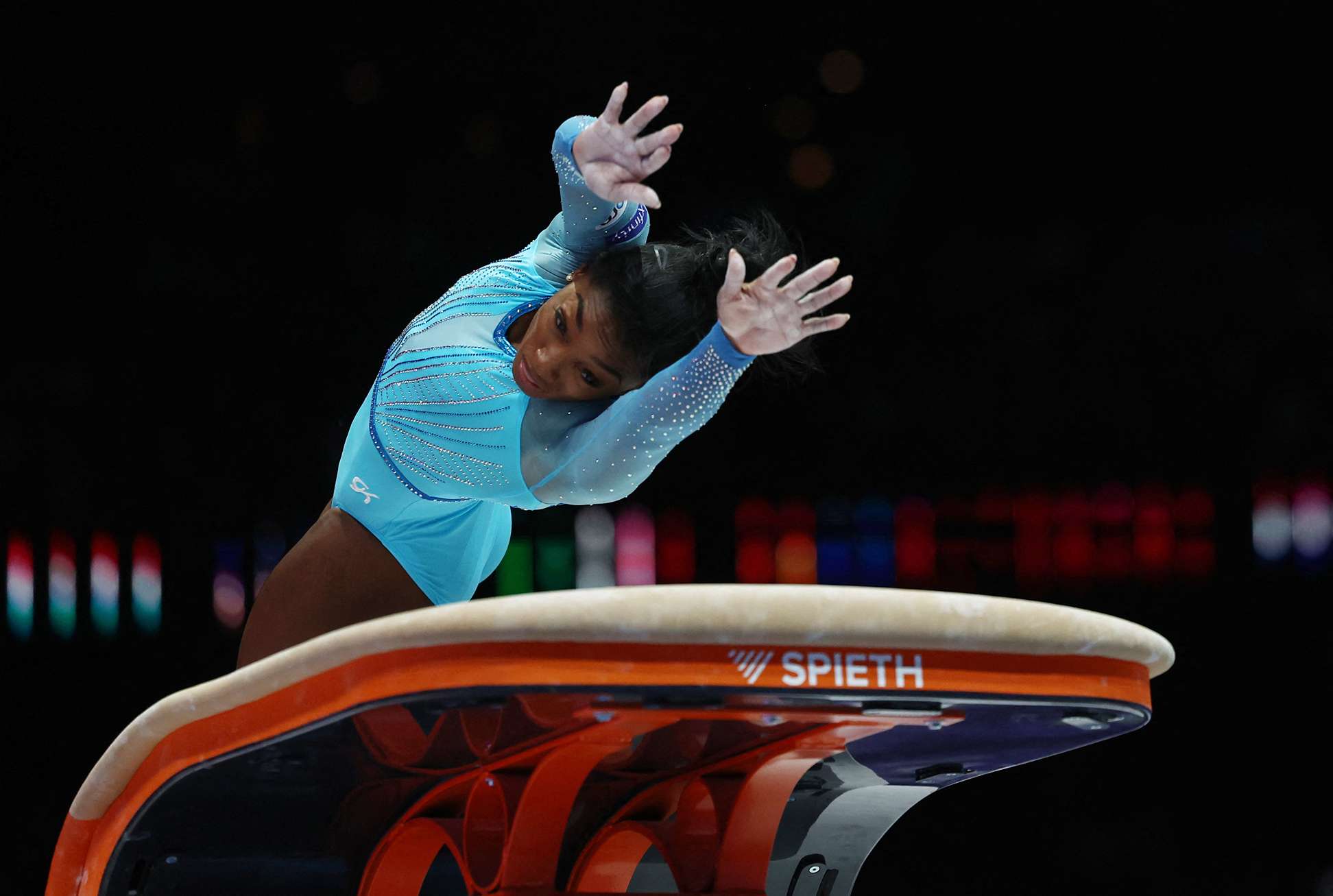
Learning a yurchenko vault is a step-by-step process. Gymnasts don’t jump straight into difficult twisting vaults right away. Instead, they build the skill gradually by mastering the basics first. This safe progression helps athletes develop the power, technique, and confidence needed to perform the vault successfully on the Vault.
1. Starting with the Yurchenko Timer
The first step most gymnasts learn is the Yurchenko timer. In this drill, the gymnast performs the run, round-off onto the springboard, and back handspring onto the table, but instead of flipping, they simply rebound upward and land safely on their back in a foam pit or on a stack of mats.
The goal here is to focus on the block off the table, meaning the gymnast pushes strongly through their shoulders to create height. This drill helps athletes understand how to transfer speed from the run into upward lift without worrying about a complicated flip.
2. Developing a Strong Block and Body Position
Once the timer feels comfortable, gymnasts continue practicing it to improve their blocking technique. Coaches usually emphasize keeping the arms straight, shoulders open, and body tight when hitting the table.
A strong block is what creates the height needed for the salto later. During this stage, athletes also work on keeping their body aligned during the round-off and back handspring, since good body position makes the vault more powerful and controlled.
3. Progressing to the Layout Vault
After mastering the timer, the next step is often a layout vault. In this version of the yurchenko vault, the gymnast performs the same round-off and back handspring entry but now continues into a straight-body flip after leaving the table.
This stage teaches the gymnast how to maintain a tight body line while rotating in the air. Coaches may still use soft landing surfaces or foam pits at first to help the athlete feel comfortable with the new skill.
4. Adding Controlled Twists
Once the layout vault becomes consistent, gymnasts can begin adding twists. They usually start with simpler variations like a half twist or full twist, gradually learning how to initiate the twist after the block.
Timing is very important here—the twist should begin after the gymnast has lifted off the table and established height in the air. Starting the twist too early can reduce the lift and make the vault harder to land.
5. Building Confidence Through Repetition
As gymnasts repeat each step of the progression, they gain better air awareness and confidence. Practicing timers, layouts, and controlled twists helps them understand how their body moves during the vault.
Over time, this consistent training allows athletes to safely progress to more advanced twisting variations while maintaining strong technique.
Build Your Power Step by Step!
The Yurchenko vault has become one of the most influential vault techniques in modern gymnastics. Its round-off entry, powerful back handspring onto the Vault Table, and explosive block allow gymnasts to perform some of the most exciting vaults in the sport.
At Rockstar Academy, kids and young athletes can build strong gymnastics skills in a fun, structured, and supportive environment. As a trusted Sports & Performing Arts Academy, Rockstar Academy focuses on helping students develop strength, flexibility, coordination, and confidence through professional coaching and progressive training programs.
Students also take part in regular gymnastics testing, which allows them to track their improvement, set new goals, and celebrate every milestone they achieve along the way. Additionally, students can also train in a structured setting that prepares them for the demands of high-intensity gymnastics like Elite Championships and RockOlympics.
For those ready to aim higher, Rockstar Academy’s Dream Team gymnastics program is the perfect next step. Designed to shape not only strong athletes but also strong character, this program helps students build resilience and lifelong skills through opportunities to compete in national and international events.
Open to both boys and girls, it includes 180 minutes of high-intensity training led by experienced professional coaches.
Want to see it in action? Rockstar Academy offers a free trial class, so students and parents can experience the training firsthand and discover just how fun and exciting it is before committing!
FAQ
Who was the Yurchenko vault named after?
The yurchenko vault was named after Natalia Yurchenko, a Soviet gymnast who first introduced the technique in competition.
Do male gymnasts do Yurchenko?
Yes, male gymnasts can perform the yurchenko vault on the Vault, although it is more commonly seen in women’s gymnastics.