Techniques for Perfecting Your Break Dance Freezes
If you’ve ever watched a Breakdancing battle, you’ve probably noticed those moments when a dancer suddenly stops in a powerful pose right on the beat. That move is called a break dance freezes, and it’s one of the most iconic elements in B-boying.
A freeze is when a dancer pauses their motion and holds a balanced position, often using their arms, shoulders, or head to support their body.
Even though freezes look simple at first, they actually require a lot of strength, balance, and body control. Dancers often use them to highlight the music, end a combo, or transition between moves.
In this article, we’ll explore what a break dance freeze is, the different types dancers commonly perform, why strength and balance matter so much, and how you can add freezes smoothly into your dance sets.
What Is a Break Dance Freeze?
A break dance freeze is a move where the dancer suddenly stops all body motion and holds a pose for a few seconds. The idea is to “freeze” in place right after a movement, almost like the dancer paused mid-action.
These poses are usually creative and require strong balance, because the dancer might be supporting their body with just their hands, arms, or head. Freezes often look stylish because dancers twist or shape their bodies into unique positions while holding the pose.
Many B-boys combine freezes with spins or power moves so the motion flows naturally into a strong stop on the beat.
Sometimes dancers even freeze in handstand-style positions and skilled breakers may add advanced techniques like threading their leg through a loop created by their arm and leg before locking into the freeze. All of this makes a break dance freeze an important move for adding style, control, and impact to a dance set.
Common Types of Break Dance Freezes
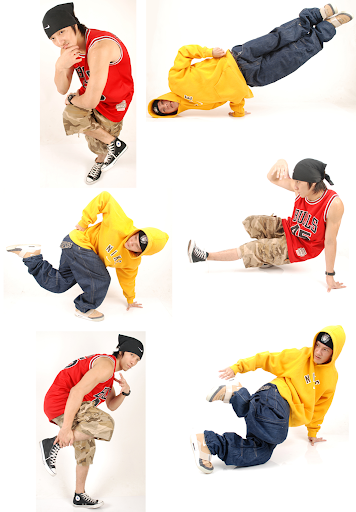
There are many variations of break dance moves, each showing different levels of strength, balance, and creativity. Some freezes focus on arm strength, while others rely on flexibility or body control. Here are some common types of freezes that dancers often practice:
1. Planche Freeze
The Planche (exercise) freeze is a powerful move where the dancer holds their body parallel to the ground while supporting their weight with straight arms.
The legs are usually straddled or extended, and the entire body stays lifted off the floor. This freeze requires a lot of upper-body strength and strong core control.
2. Baby Freeze
The Baby Freeze is one of the most popular beginner freezes. The dancer uses both hands for balance while placing one elbow near the waist or stomach and the knee on the other arm.
It’s a stable pose that helps dancers learn balance before moving on to harder freezes.
3. Airbaby Freeze
The Airbaby Freeze is a stylish variation where the dancer balances on one arm while the knee rests on the elbow of that supporting arm.
This move requires good balance and arm strength because most of the body weight is supported by a single arm.
4. Chair Freeze
In a Chair Freeze, the dancer leans back with the body slightly arched while one arm is placed behind the back to support the body.
The head or feet may touch the floor for stability, creating a relaxed-looking but controlled freeze.
5. Airchair Freeze
The Airchair is a more advanced version of the chair freeze. In this move, the dancer balances with the arm supporting the back while both the head and feet stay off the ground, usually facing upward. Dancers often add creative leg positions to make the freeze more stylish.
6. Handglide Freeze
The Handglide freeze is similar to a turtle freeze but uses one elbow pressed into the stomach area while the other arm extends outward for balance. This freeze is often used as a transition from handglide spins.
7. Hollowback Freeze
The Hollowback freeze is a flexibility-based move where the dancer arches their back deeply while supporting the body with the hands, head, or elbows. It looks like a bridge position but with the feet lifted off the floor.
8. Pike Freeze
In the Pike Freeze, the dancer supports their body with one hand while keeping the body lifted and the legs extended upward. The body forms a sharp angle, creating a clean and controlled shape.
9. Turtle Freeze
The Turtle Freeze is a classic freeze where both elbows press into the stomach area while the hands support the body on the floor. The body is lifted off the ground and balanced entirely on the arms.
10. Shoulder Freeze
A shoulder freeze balances the body on one shoulder while the legs move freely to create stylish shapes. This freeze is often used as a quick accent during transitions between moves.
Why Balance and Strength Matter
Balance and strength are key when performing a break dance freeze. Since many freezes require supporting your body weight on your hands, arms, shoulders, or even your head, strong muscles help you hold the position without collapsing.
At the same time, good balance allows you to control your body and stay steady while hitting the pose. When dancers combine strength with balance, their freezes look cleaner, more stable, and more impressive, making it easier to stop sharply on the beat and add style to their dance set.
How to Integrate Freezes Into Your Dance Sets
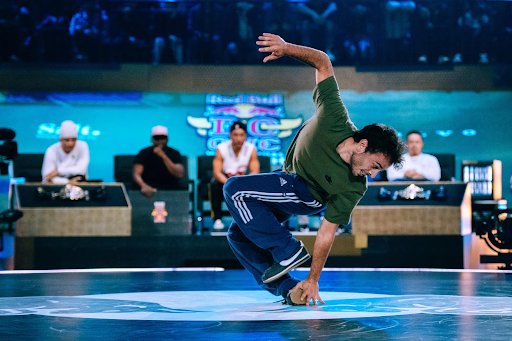
Adding a break dance freeze to your routine is a great way to make your Breakdancing sets look sharper and more exciting. Instead of just dancing continuously, freezes let you hit the beat, show control, and create memorable moments in your performance.
A. Hit the Beat with a Freeze
One of the easiest ways to use a freeze is by matching it with a strong beat in the music. After a spin, footwork combo, or power move, stop suddenly in a freeze.
This creates a dramatic effect that makes your movements look more intentional and musical.
B. Use Freezes to End a Combo
Freezes work really well as a finishing move. For example, after a set of footwork or a power move like a windmill, you can finish with a freeze such as a Baby Freeze. This helps give your combo a clean and powerful ending.
C. Transition Between Moves
Freezes can also act as a bridge between different moves. A quick freeze can connect footwork to power moves or help you change levels smoothly.
For instance, you might move from footwork into a Turtle Freeze before launching into another move.
D. Add Style and Creativity
Freezes are a great place to show your personal style. Once you’re comfortable with the basics, try experimenting with leg positions, angles, or creative variations. This makes your freezes unique and helps your dance stand out.
E. Don’t Hold Too Long
While freezes are meant to pause movement, holding them too long can break the flow of your set. Usually, holding the position for a second or two is enough to make an impact before transitioning back into motion.
Add a Powerful Style to Your Breakdancing Sets!
Learning how to perform a clean break dance freeze can make a huge difference in your overall style. As you continue training in Breakdancing, try experimenting with different freeze positions and connecting them with your footwork or power moves.
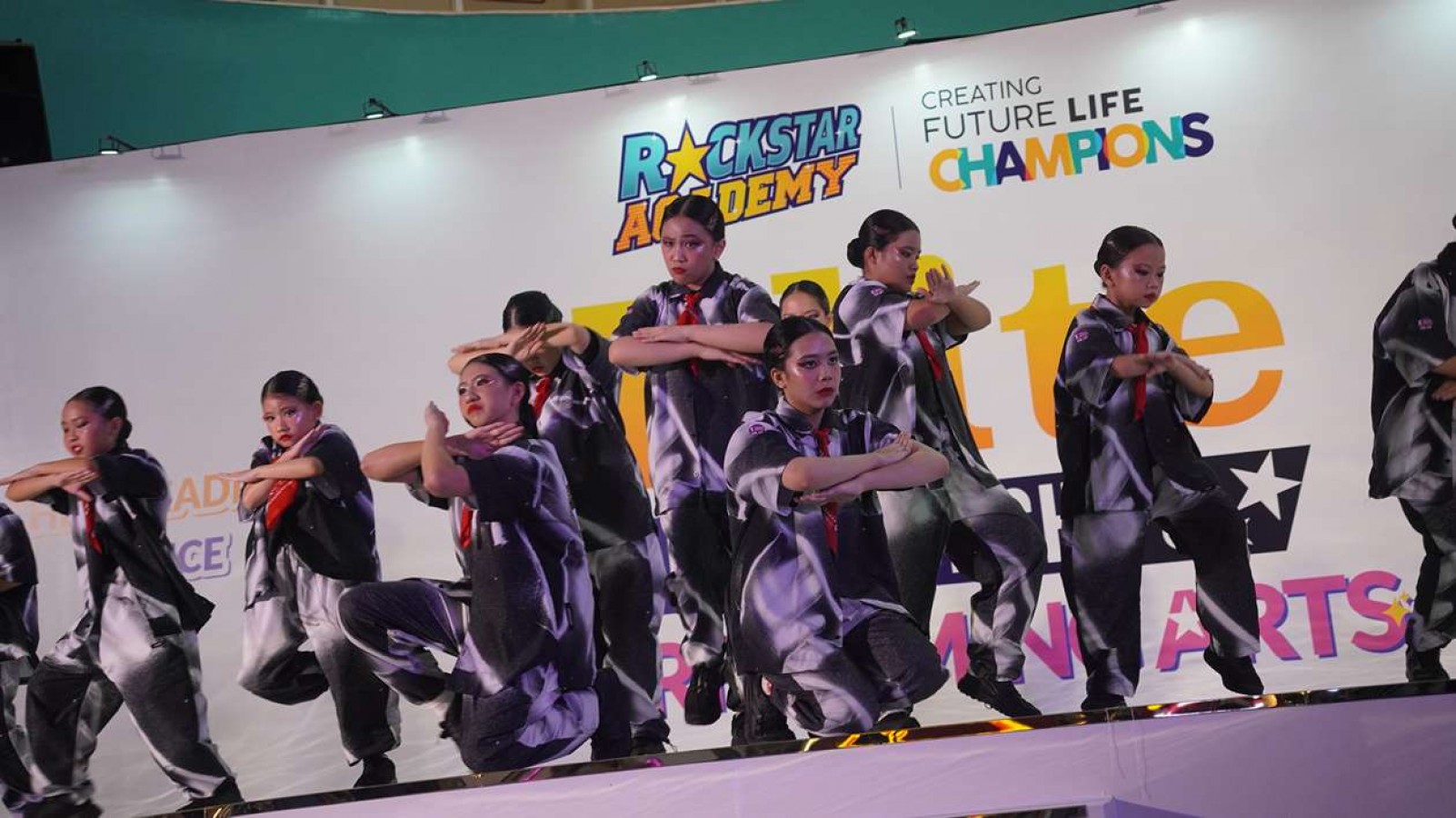
Looking for a place to grow your dance skills while having fun? At Rockstar Academy, students learn in an energetic environment designed to help them improve technique, rhythm, and stage confidence in our Dance Program.
As a trusted Sports & Performing Arts Academy, Rockstar Academy encourages dancers to express themselves, build strong foundations, and work toward exciting performances like a Dance Recital event.
In these recitals, students have the opportunity to proudly showcase their progress in dance training and experience the thrill of performing with special choreography, costumes, and lighting. The preparation for and participation in the recital not only help students improve their skills but also boost their confidence, promote teamwork, achieve their goals, and create lasting memories.
Every student is also given the exciting opportunity to participate in the Elite Championships and RockOlympics. These unforgettable events serve as a platform for dancers to push their boundaries and unlock their true potential, all while immersing themselves in a vibrant dance community.
If you’re curious to see how the classes work, you can try it first through a free trial, giving you a chance to experience the training and atmosphere before joining!
FAQ
What is a freeze in breakdance?
A break dance freeze is a move in Breakdancing where the dancer suddenly stops and holds a strong pose for a few seconds, usually balancing on the hands, head, or shoulders.
What are some popular dance freeze moves?
Some well-known freeze moves include the Baby Freeze, Turtle Freeze, Chair Freeze, and Airchair.