Understanding the Four Pillars of Dance Theory
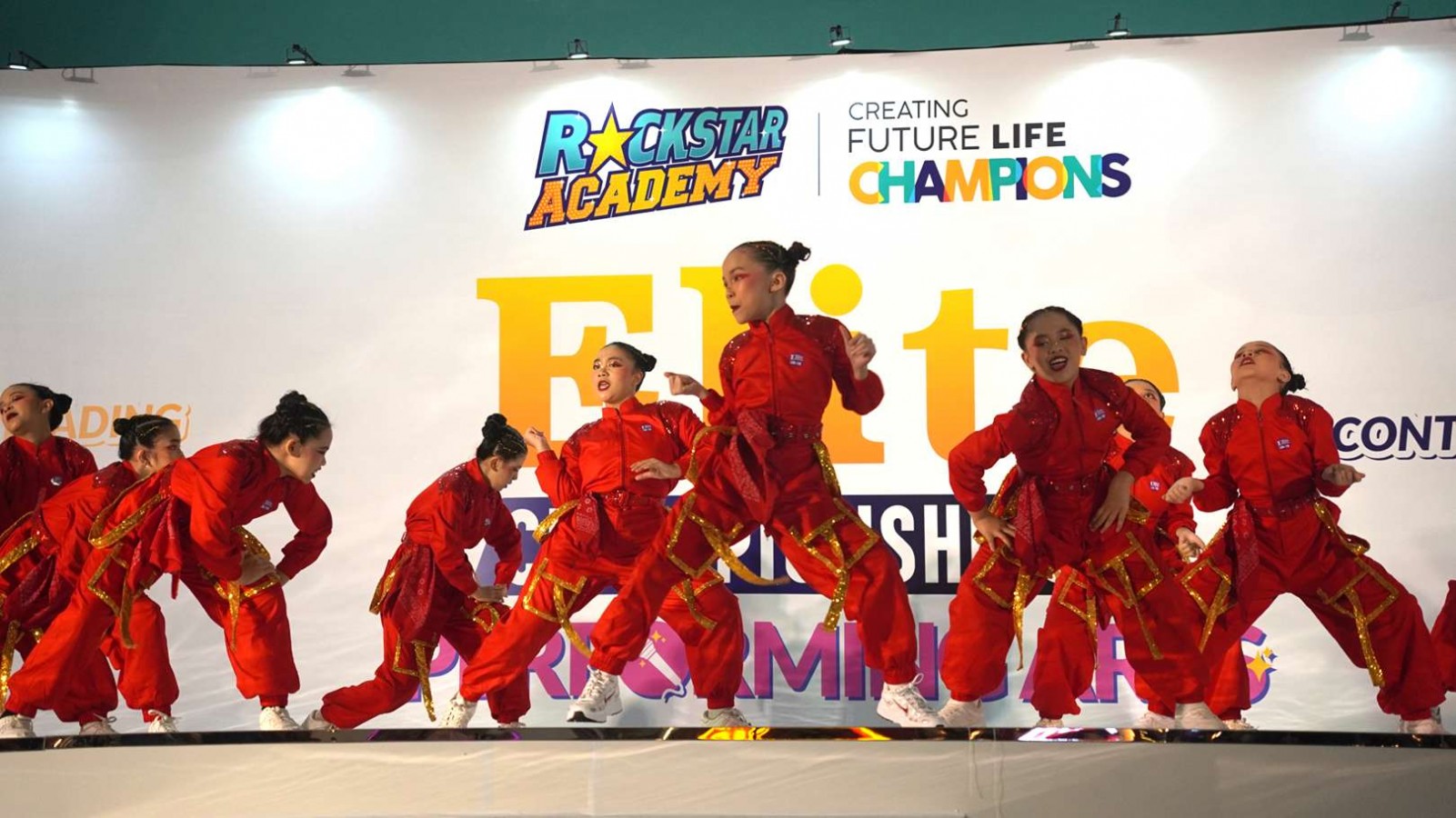
Dance may look effortless on stage, but behind every beautiful performance is a strong foundation of theory and technique. One of the most helpful concepts for dancers to understand is the four pillars of dance. These pillars are the core elements that shape how movement is created, performed, and understood.
In this article, we’ll explore the four pillars of dance, the essential elements that shape the foundation of dance as an art form. Understanding these pillars helps dancers improve their technique, connect better with music, and bring more meaning to every performance.
What Are the Four Pillars Elements of Dance?

To understand the four pillars of dance, we first need to look at the main elements that shape how dancers move and perform. These elements help dancers explore movement, create interesting choreography, and express emotions on stage. Let’s break them down in a simple way.
1. Time
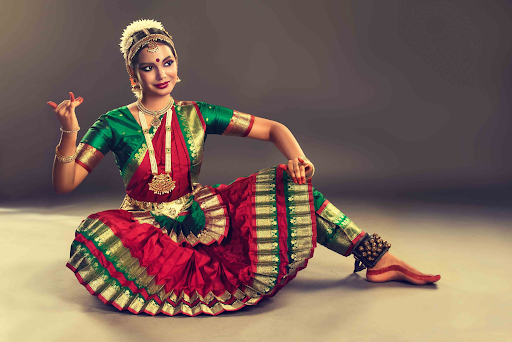
Time refers to the duration of movement and how it connects with music. In many dance styles, including Kuchipudi and Bharatanatyam, dancers sometimes hold their positions for a moment so the audience can fully understand the meaning or impact of the movement. Time helps dancers organize their movements so that every step fits the rhythm of the music.
- Tempo
Tempo is the speed of a movement, whether it is performed slowly or quickly. Slow movements can create a graceful and emotional feeling, while fast movements often bring energy and excitement to the performance.
By changing tempo, dancers can add variety and keep the choreography interesting for the audience.
- Rhythm
Rhythm refers to the pattern of movements that follow the music. It includes how short or long the movements are, and whether they feel strong, light, sharp, or smooth.
Rhythm helps dancers stay connected with the music and makes the performance feel more natural and expressive.
- Beat
The beat is the steady pulse that runs throughout the music. Dancers often move in sync with this pulse to keep their performance consistent and coordinated.
Following the beat helps dancers maintain timing and ensures that movements feel organized rather than random.
- Accent
Accents are the stronger beats that appear at certain moments in the music. Dancers often emphasize these moments by performing bigger, sharper, or more dramatic movements.
Using accents helps highlight important parts of the choreography and makes the performance more engaging to watch.
2. Space
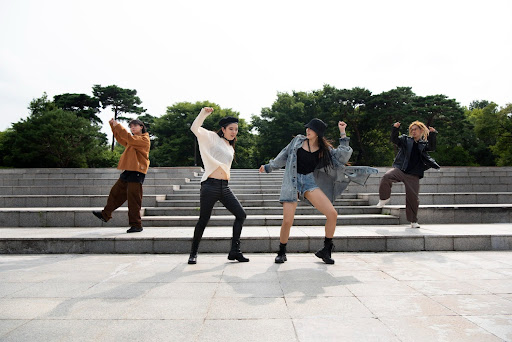
Space is the area surrounding the dancer where movement happens. It influences how dancers travel across the stage and how they position their bodies during a performance. Understanding space helps dancers create movements that look balanced and visually appealing.
- Level
Level refers to how high or low the dancer moves in relation to the floor. Movements can happen close to the ground, at a middle level, or high in the air. Changing levels, such as combining jumps with low floor movements, can add variety and elegance to the choreography.
- Direction
Direction describes where the dancer is moving. This could include moving forward, backward, sideways, upward, or downward. By changing directions during a performance, dancers can make the choreography look more dynamic and prevent movements from feeling repetitive.
- Pathways
Pathways are the patterns that dancers create as they move through space. These patterns might be straight lines, curves, circles, or zigzags across the floor. Using different pathways makes the dance visually interesting and helps guide the audience’s eyes across the stage.
- Focus
Focus refers to where the dancer is looking while performing. The direction of the dancer’s eyes can draw the audience’s attention to specific movements or moments in the choreography. Strong focus can also add emotion and intention to a performance.
- Size
Size describes how big or small a movement is. Depending on the space available on stage, dancers may perform large, dramatic movements or smaller, more controlled actions. Adjusting the size of movements helps dancers use the stage effectively.
3. Shape
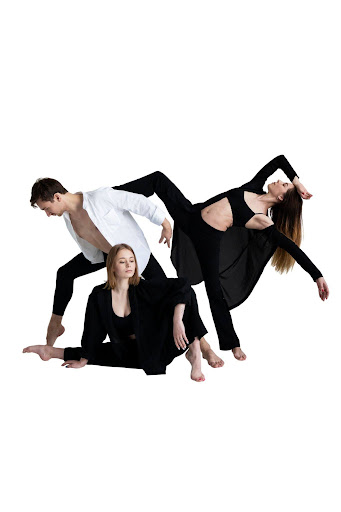
Shape refers to the forms created by the dancer’s body during movement or still poses. Dancers can create shapes using a single body part, their whole body, or even by forming patterns together with other dancers.
These shapes might look like circles, squares, stars, or diagonal lines, and they help make choreography visually interesting. Shapes can also represent objects, ideas, or emotions, making them an important part of storytelling in dance.
4. Energy
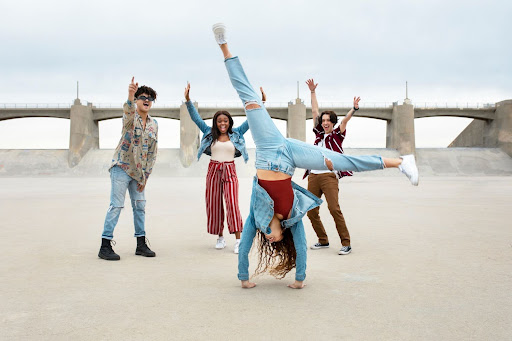
Energy describes how a movement is performed and how much force or intensity the dancer uses. It helps communicate the emotion or story behind the movement. The same action can look completely different depending on the type of energy used.
- Heavy or Light
Heavy energy creates movements that look strong, powerful, and grounded, while light energy makes movements appear soft, delicate, and almost weightless.
- Sharp or Smooth
Sharp energy produces quick and precise movements with clear stops, while smooth energy creates flowing and continuous motion that feels calm and graceful.
- Tense or Relaxed
Tense energy makes movements look tight and controlled, while relaxed energy allows the body to move more freely and naturally.
- Bound or Flowing
Bound energy shows controlled and restricted movement, where the dancer carefully manages each action. Flowing energy, on the other hand, allows movements to travel freely and smoothly without looking restrained.
How the Four Pillars Influence Choreography
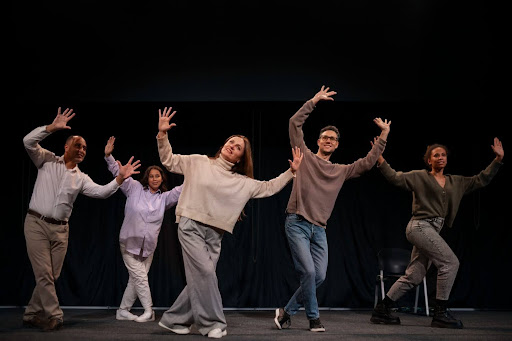
The four pillars of dance play a big role in shaping how choreography is created and performed. Choreographers use these elements to decide how dancers move, what shapes they form, how they travel across the stage, and what kind of energy they bring to the performance.
For example, they might combine different body shapes, movements, and levels of energy to match the mood of the music or tell a specific story.
By understanding the four pillars of dance, choreographers can create routines that feel more balanced, expressive, and visually interesting, while dancers can perform the choreography with clearer intention and stronger stage presence.
Why Understanding the Four Pillars Matters for Dancers
Understanding the four pillars of dance helps dancers move with more purpose and confidence. Instead of just memorizing steps, dancers start to understand why certain movements work and how they can express emotions through their bodies.
By learning about body movement, shapes, actions, and energy, dancers gain better control over their technique and can perform choreography more clearly. It also helps them become more creative, since they can experiment with different movements and styles.
In the long run, knowing the four pillars of dance allows dancers to grow not only as performers, but also as artists who truly understand how movement communicates with the audience.
Ready to Improve Your Performance?
No matter what dance style you practice, mastering these pillars will help you become a stronger and more confident performer. When technique, rhythm, movement, and emotion all come together, dance becomes not just movement—but a powerful form of art.
If you want to build strong technique while enjoying the art of movement, the dance classes at Rockstar Academy are a great place to start. As a leading Sports & Performing Arts Academy, Rockstar Academy helps students develop important skills like coordination, confidence, and a strong sense of rhythm in dance through fun and structured training.
Dancers not only learn exciting choreography but also get the chance to perform in a dance recital, where they can showcase their progress and experience the excitement of performing on stage.
Every student is also given the exciting opportunity to participate in the Elite Championships and RockOlympics. These unforgettable events serve as a platform for dancers to push their boundaries and unlock their true potential, all while immersing themselves in a vibrant dance community.
Curious what the classes are really like? Jump in and feel the energy yourself with a free trial session—it's the perfect way to experience the fun, the coaching, and the learning environment firsthand!
FAQ
What are the 4 elements of dance?
The four main elements of dance are shape, space, time, and energy, which help dancers control movement and express emotions.
What are the four main pillars?
The four pillars of dance refer to the core foundations that shape movement and choreography: time, space, shape, and energy.