Effective Strategies for Teaching Teamwork Skills to Kids
Teaching teamwork on children isn’t just about sharing toys or taking turns, but it’s about helping them build essential life skills like communication, empathy, and problem-solving. And the best part? It can be taught in fun, engaging, and meaningful ways that kids actually enjoy.
In this article, we’ll explore why teamwork matters for children, fun activities that encourage collaboration, and how to build confidence through shared goals.
Why Teamwork Skills Matter for Kids
Before jumping into strategies, let’s first understand why teamwork is so important for children.
1. Builds Strong Communication Skills
When kids work together, they naturally learn how to express their thoughts, listen to others, and respond appropriately. For example, during a group game, a child might say, “Let’s try this way!” while another responds with a different idea. This back-and-forth helps them practice clear communication.
2. Teaches Empathy and Understanding
Teamwork encourages children to see things from another person’s perspective. They learn that everyone has different ideas, strengths, and feelings—and that’s okay!
3. Improves Problem-Solving Skills
When children face challenges as a group, they learn to brainstorm solutions together. Instead of relying only on themselves, they explore multiple ideas and decide what works best.
4. Prepares Them for Real-Life Situations
From school projects to future careers, teamwork is a key skill in everyday life. Teaching it early helps children feel more prepared and confident as they grow.
5. Boosts Confidence and Self-Esteem
When kids contribute to a team and achieve a goal together, they feel proud. This sense of accomplishment builds their confidence and encourages them to participate more.
Fun and Engaging Activities That Teaching Teamwork
Kids don’t learn teamwork by sitting still and listening—they learn it by doing, playing, laughing, and sometimes even disagreeing a little! That’s why fun, hands-on activities are one of the most effective ways to teach social skills for children.
Here are some exciting activities you can try, along with deeper insights into how each one helps build strong teamwork skills.
1. Build-It-Together Challenges
This activity may look simple, but it’s incredibly powerful. Provide children with materials like blocks, LEGO, paper cups, or cardboard, then challenge them to build something together. To make it more engaging, you can add themes like “build a castle” or set a time limit to create a sense of excitement.
At the start, you might notice a bit of chaos—everyone has ideas, and some kids may want to lead. But over time, children begin to listen, combine ideas, and plan together.
2. Relay Races
Relay races are energetic, fun, and full of laughter. Divide children into teams and create a race where each child has a specific role. You can make it more exciting by adding challenges like hopping, balancing objects, or running in different styles.
Through this activity, children quickly realize that the team can only succeed if everyone does their part. This builds a sense of responsibility and encourages kids to support and cheer for one another.
While competition can be motivating, it’s important to focus more on teamwork and effort. Celebrating encouragement and cooperation helps children understand the true value of working together.
3. Group Art Projects
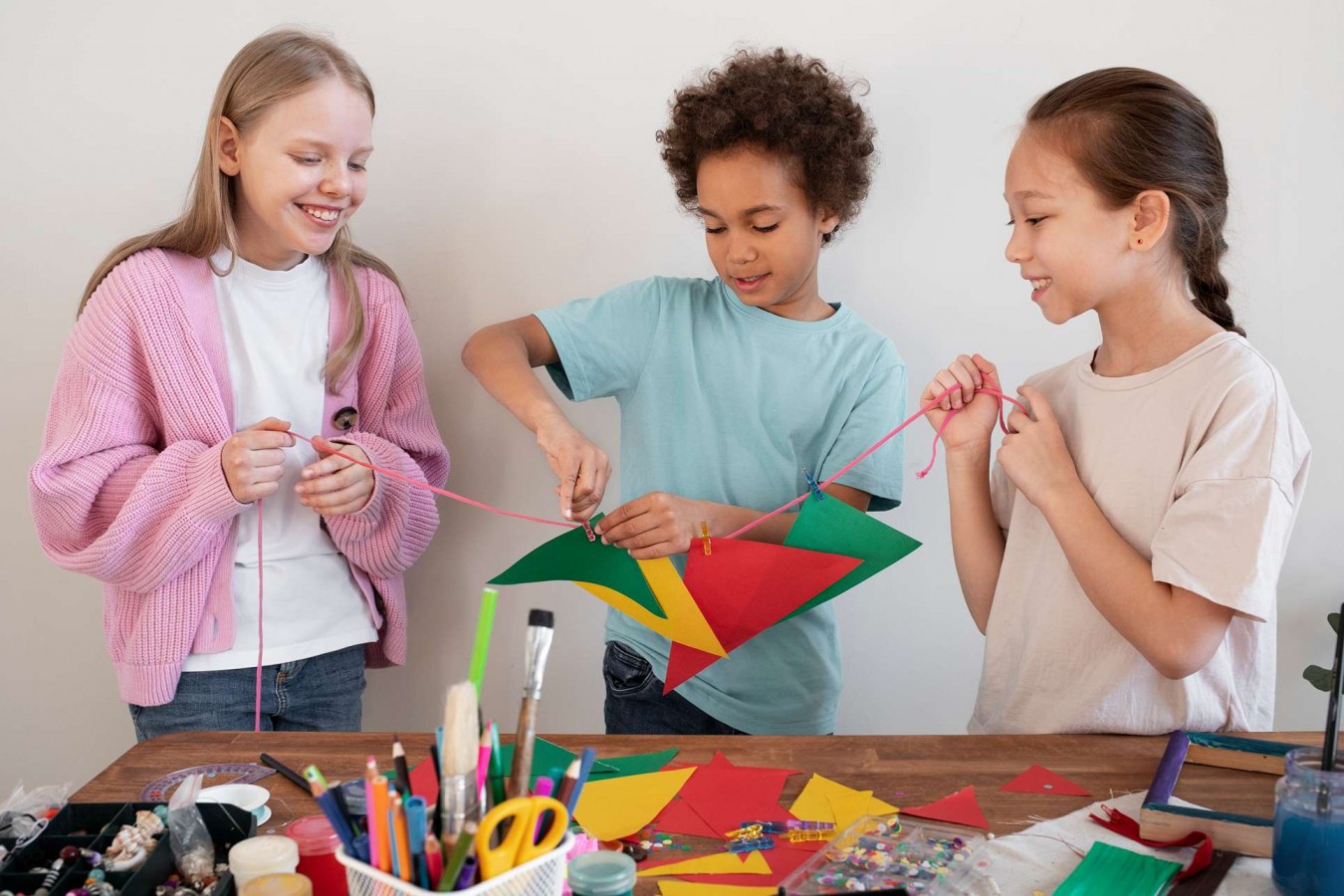
Group art projects are a wonderful way to combine creativity with collaboration. Give children a large sheet of paper and various art supplies, then ask them to create one big artwork together. You can make it more engaging by setting a theme like “under the sea” or “our dream playground.”
As children work on the same piece, they learn to share space, respect each other’s ideas, and compromise when needed. The most rewarding moment comes when they see the finished artwork and realize they created something amazing as a team.
4. Puzzle Solving as a Team
Puzzles are a great way to teach teamwork in a calm and focused setting. Give a group of children a puzzle and encourage them to complete it together. You can increase the fun by adding a time challenge or using larger puzzles that require more collaboration.
During the activity, children naturally begin to divide tasks. This helps them understand how to break down a big task into smaller parts and work efficiently as a group. It also teaches patience and persistence, as puzzles require time and cooperation to complete successfully.
5. Role-Playing Games
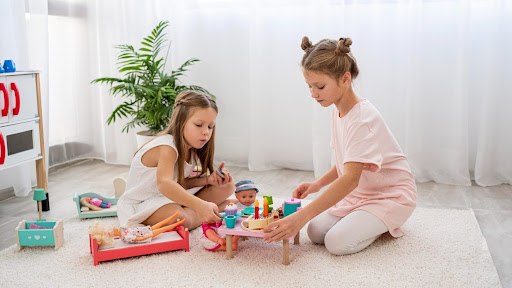
Role-playing games allow children to use their imagination while practicing teamwork in a relaxed and enjoyable way. Create scenarios where they need to work together, such as running a restaurant, building a city, or going on a treasure hunt. Adding simple props or assigning roles can make the experience even more immersive.
In these situations, children develop communication skills, learn to take on different responsibilities, and collaborate to solve problems. Because there’s no strict right or wrong answer, kids feel free to express ideas and experiment.
6. Team Sports
Team sports are one of the most natural ways to teach teamwork because success depends on cooperation. Games like soccer, basketball, or even simple modified sports encourage children to pass, communicate, and support one another.
Through sports, kids learn important values like discipline, respect, and the importance of every team member’s role. They begin to understand that they can’t succeed alone—they need to trust and rely on their teammates.
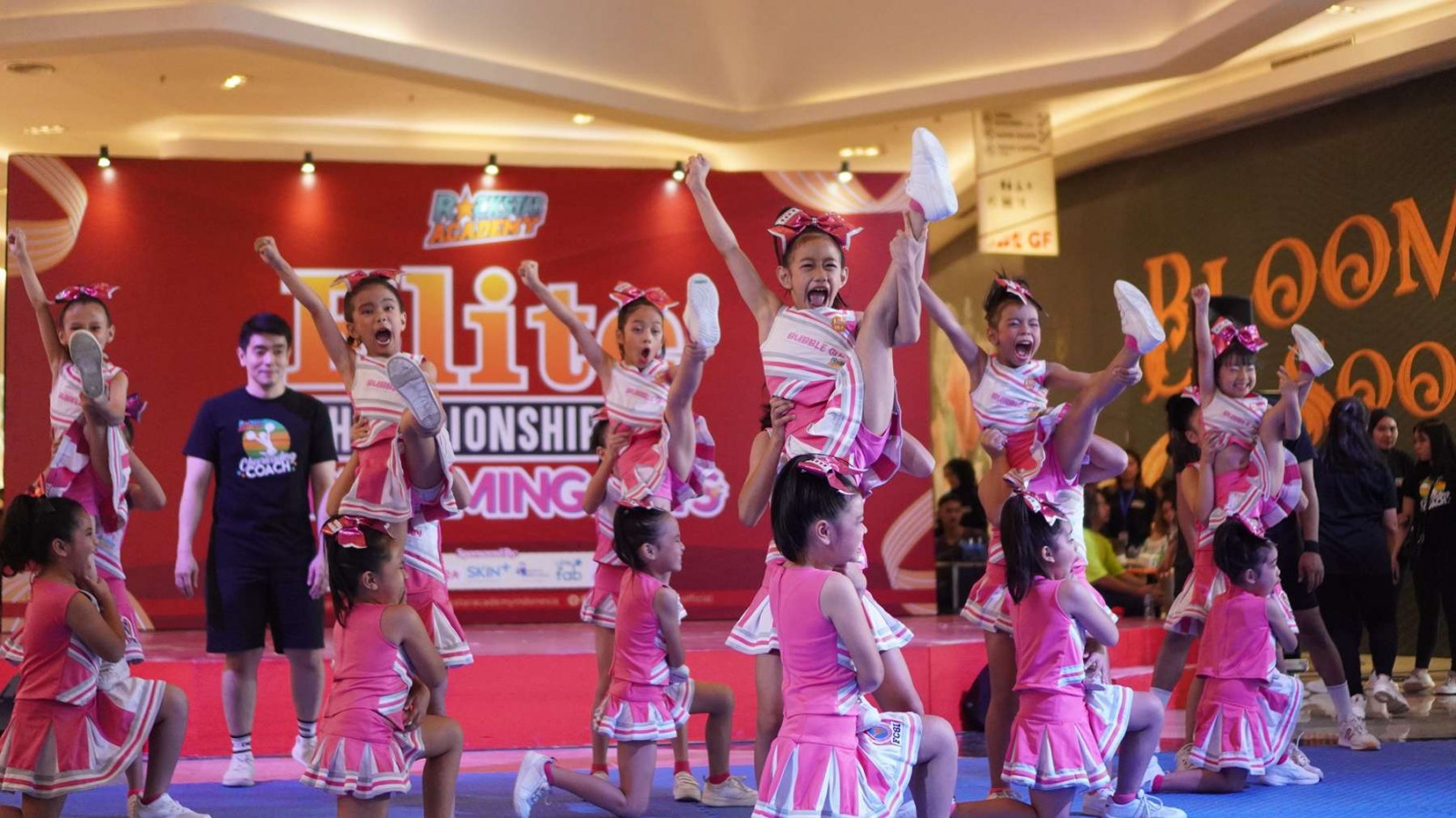
To maximize these benefits, parents can consider enrolling their children in Rockstar Academy’s structured programs. As the best Sports and Performing Arts Academies in Indonesia, Rockstar Academy offers a supportive and professionally guided environment, kids don’t just play—they learn teamwork through well-designed training, group activities, and even friendly competitions.
By keeping the focus on enjoyment, participation, and growth rather than just competition, team sports become a powerful way to nurture teamwork skills that children will carry with them for life.
Support Your Child’s Growth with the Right Start in Teamwork
If you’re looking for the best early childhood education that nurtures not only academic skills but also confidence and collaboration, you can consider Preschool & Kindergarten programs at Rockstar Academy.
Here, your child can enjoy a well-rounded experience—from preschool learning to exciting physical activities, as well as events and competitions designed for different ages, skill levels, and interests.
With guidance from experienced teachers, children are encouraged to become more adaptive, confident, and ready to face new challenges. Even better, kids will have the opportunity to take part in exciting events like the Elite Championships, helping them grow through real-life teamwork experiences.
And before committing, you can start with a free trial class—so your child can explore, have fun, and discover their potential firsthand.
FAQ
At what age should kids start learning teamwork?
Children can start learning basic teamwork skills as early as preschool. Simple activities like sharing toys and playing together are great starting points.
What if my child prefers to play alone?
That’s okay! Start with small group activities and gradually introduce teamwork. Respect their comfort level while encouraging participation.
How can I teach teamwork at home?
You can involve kids in daily tasks like:
- Cleaning up together
- Cooking as a family
- Playing board games