Children Hitting: Understanding and Managing Why Toddlers Hit
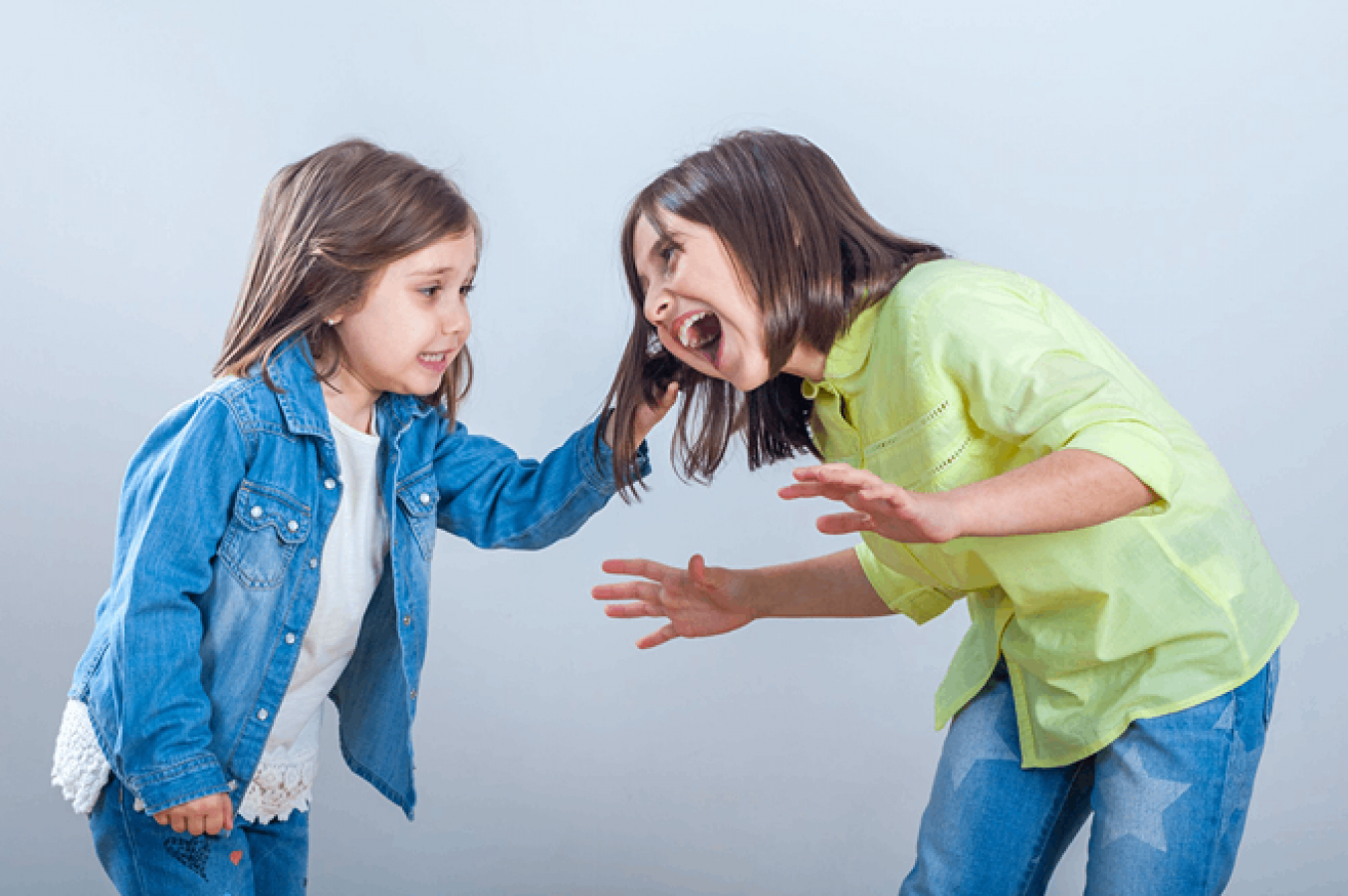
Children hitting is one of the most common (and confusing!) behaviors parents face. One moment they’re giving hugs, the next they’re throwing hands like tiny warriors.
The good news? Hitting is actually a normal part of development. The better news? With the right approach, you can guide your child toward healthier ways of expressing themselves without yelling, punishment, or frustration taking over.
Let’s break it all down into all the details here!
Why Do Toddlers Hit? (It’s Not What You Think!)
Before we jump into solutions, it’s important to understand why toddlers hit in the first place. Most of the time, it’s not about being naughty or bad.
1. Limited Language Skills
Toddlers often feel more than they can say. Imagine being upset, excited, or frustrated—but not having the words to explain it.
So instead of saying:
- “I’m angry!”
- “I don’t like that!”
- “I want that toy!”
They might hit to express themselves.
2. Big Emotions in a Tiny Body
Toddlers experience emotions in a BIG way. Their brains are still developing, especially the part that controls impulse and self-regulation.
So when they feel frustrated, overwhelmed, excited and tired. They may react instantly without thinking.
3. Testing Boundaries
Toddlers are natural explorers—not just of toys and spaces, but also of rules.
They might hit to see:
- “What happens if I do this?”
- “Will Mom or Dad react?”
- “Is this okay or not?”
It’s their way of learning about the world.
4. Attention-Seeking Behavior
Sometimes, hitting gets a big reaction and for toddlers, any attention can feel rewarding.
If they notice that hitting leads to:
- Immediate focus from parents
- Strong emotional reactions
- They might repeat it.
5. Imitation
Toddlers are excellent copycats. If they see hitting on TV, other kids hitting or even hitting accidentally at home. They may imitate it without understanding that it’s wrong.
6. Overstimulation or Fatigue
Hungry, tired, or overstimulated toddlers are more likely to hit because their ability to cope is lower. Sometimes, hitting is simply a sign: “I need a break!”
Positive Discipline Techniques That Actually Work
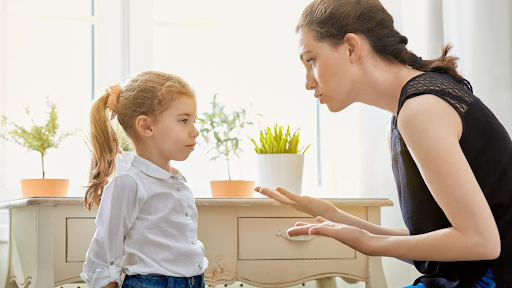
Now let’s really unpack what actually works when your toddler hits. Positive discipline is about teaching. Think of it as guiding your child step-by-step to handle big emotions in a healthier way.
1. Stay Calm (Even If You Don’t Feel Like It!)
Staying calm when your toddler hits you can feel incredibly challenging. Your natural reaction might be to raise your voice or show frustration. However, your response actually teaches your child how to react in emotional situations. When you stay calm, you are modeling emotional control.
Instead of reacting loudly, take a brief pause, breathe, and respond in a steady tone. Get down to your child’s eye level and say something simple like, “Hands are not for hitting. That hurts.”
Keeping your response short and clear helps your child understand the message without feeling overwhelmed. Over time, your calm reaction teaches them that even big feelings can be handled without aggressive behaviours.
2. Set Clear Boundaries
Toddlers thrive when they know what is expected of them. Clear and consistent boundaries help them feel safe and secure, even if they don’t always like the rules. The key is to keep your language simple and repeat it often.
Using the same phrases every time—such as “No hitting,” “We use gentle hands,” or “Hitting hurts people”—helps reinforce the message. Avoid long explanations, as toddlers tend to lose focus quickly. Repetition may feel tiring, but it’s exactly how young children learn. Each time you calmly restate the rule, you are helping it stick.
3. Teach “Gentle Hands”
It’s not enough to tell toddlers what not to do, they also need to learn what they should do instead. Teaching “gentle hands” gives them a clear and positive alternative to hitting.
After stopping the behavior, gently guide your child’s hand and show them how to touch softly. You might say, “See? Gentle touches like this.” Turning this into a fun activity can make learning more engaging.
4. Label Their Emotions
Toddlers often act out because they feel strong emotions but don’t yet have the words to express them. This is where emotional labeling becomes incredibly powerful. By naming their feelings, you help them make sense of what’s happening inside them.
Instead of asking why they hit, try saying, “You’re feeling angry,” or “You’re frustrated because you can’t have the toy.” This helps your child connect emotions with language.
5. Offer Better Alternatives
When you stop a behavior like hitting, it’s important to give your child a safe and acceptable way to express those same feelings. Without alternatives, they may simply return to hitting because they don’t know what else to do.
You can teach simple options such as stomping their feet, saying “I’m mad,” or squeezing a pillow when they feel upset. These alternatives give your child a sense of control and help release their emotions in a safe way.
6. Redirect Their Attention
One of the most effective tools with toddlers is redirection. Because their attention spans are short, you can often prevent hitting by shifting their focus before the situation escalates.
If you notice signs of frustration building, gently guide them toward a new activity. You might say, “Let’s go play with blocks,” or “Do you want to read a book?” This approach works because it interrupts the emotional buildup and gives your child a fresh start.
7. Use Time-In Instead of Time-Out
Instead of sending your child away during difficult moments, a time-in focuses on connection and emotional support. Toddlers often don’t understand why they are being isolated, which can lead to more frustration rather than learning.
A time-in might involve sitting quietly together, staying close, or offering comfort if your child is open to it. Once they begin to calm down, you can gently talk about what happened.
8. Be Consistent
Consistency is the foundation of all positive discipline. If your response to hitting changes from one moment to the next, your child may feel confused about what is expected. Predictable responses help them understand boundaries more clearly.
Each time hitting occurs, aim to respond in the same way: stay calm, set a clear boundary, and guide them toward a better behavior. This repetition reinforces learning and builds trust. While it may take time to see results, consistency ensures that your child is steadily learning the right way to behave.
Give Your Child the Best Start with the Right Early Education
As challenging as toddler hitting can be, it’s important to remember that every moment is a chance to guide your child toward better emotional understanding and positive behavior.
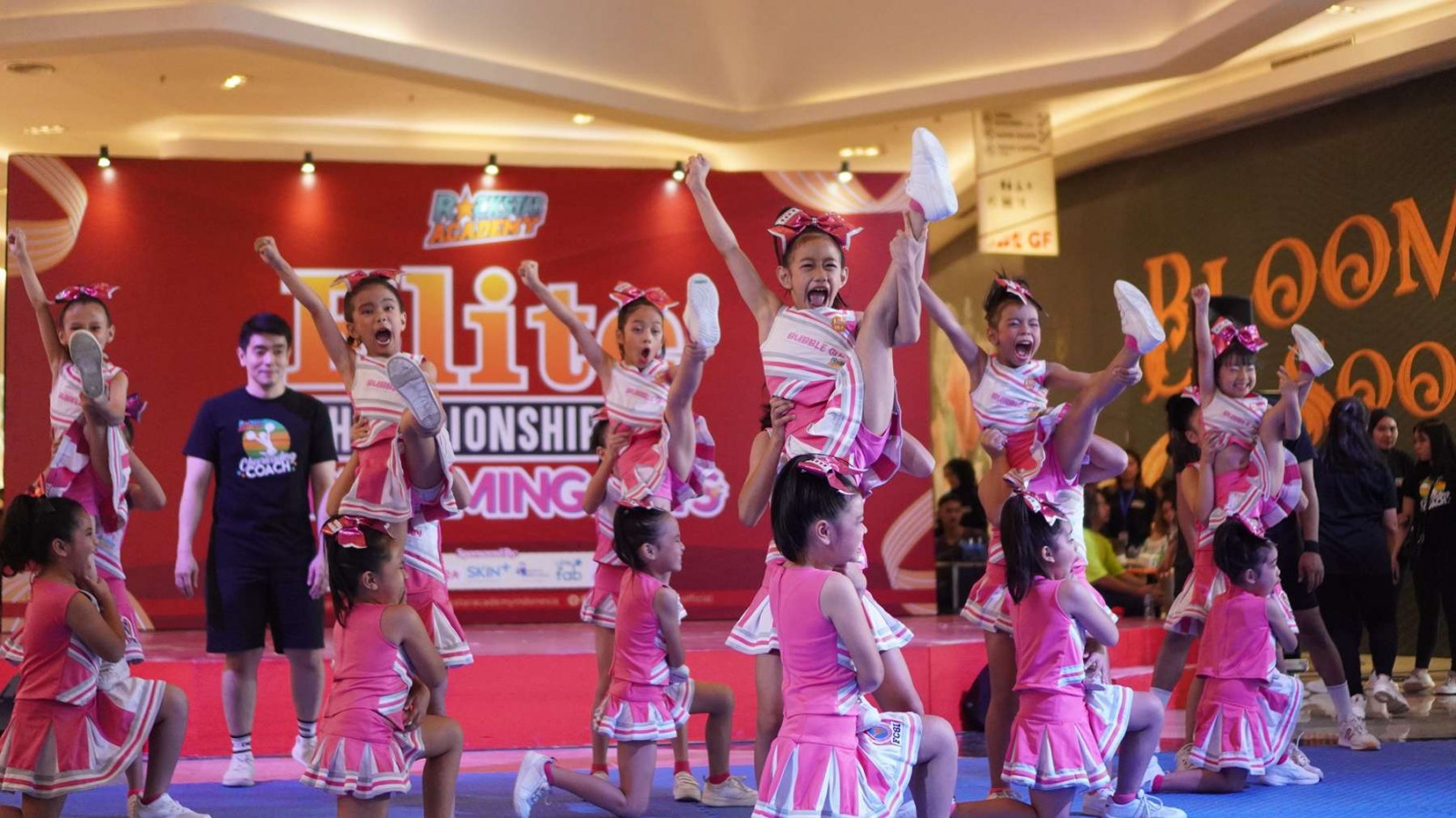
If you’re searching for the best early childhood education, try Preschool & Kindergarten at Rockstar Academy. Here, your child can enjoy not only structured learning but also a variety of sports and performing arts academy activities, exciting events, and competitions tailored to different ages, skill levels, and interests, including the prestigious Elite Championships.
Elite Championships are where students step into the spotlight and put their skills to the test. This regular competition platform builds discipline and sportsmanship while giving them the thrill of performing in exciting venues. Along the way, they earn trophies and certificates that celebrate their hard work—fueling their journey to becoming true Life Champions.
With the right guidance from experienced teachers, these experiences help children become more adaptive and confident in their abilities. Not only that, Rockstar Academy also offers a free trial class, so your child can explore, learn, and have fun before officially enrolling!
FAQ
Is it normal for toddlers to hit?
Yes, completely normal. Hitting is a common part of early childhood development, especially between ages 1–3, as children learn to manage emotions and communicate.
Should I punish my toddler for hitting?
Harsh punishment is not recommended. Instead, focus on teaching, guiding, and setting clear boundaries with calm and consistent responses.
Why does my toddler hit me but not others?
This often happens because your child feels safest with you. They may express their biggest emotions with the person they trust most.