Aggressive Behaviors In Children: A Parent's Guide to Understanding, Recognizing, and Managing Them
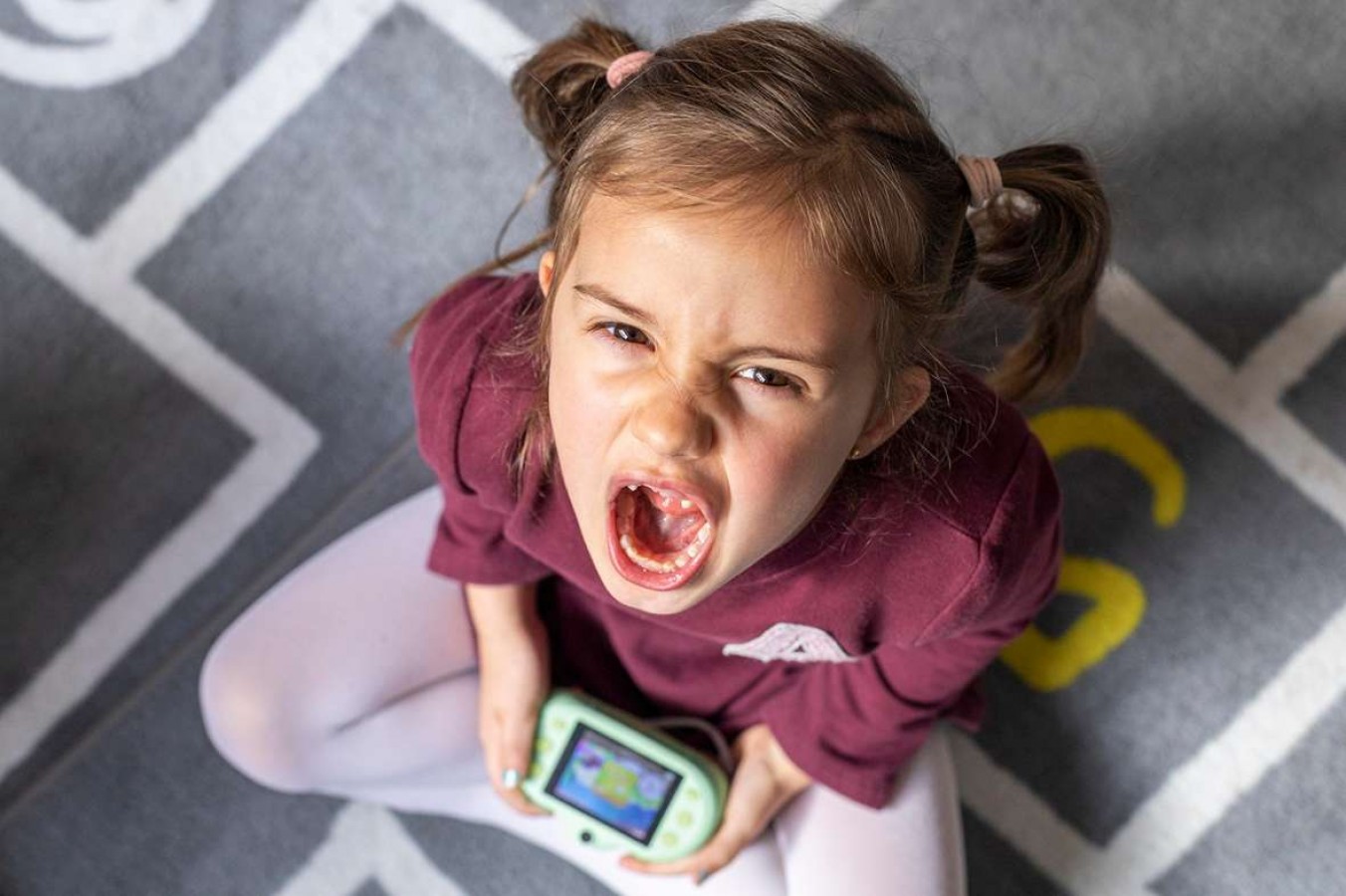
Kids are wonderful, curious, imaginative—but also unpredictable, emotional, and still learning how to navigate big feelings inside tiny bodies. Aggressive behaviors can be confusing for parents, but here’s the good news: most of the time, these behaviors are normal, manageable, and absolutely fixable with the right tools and understanding.
So let’s dive into what aggression in children really means, why it happens, and how you can support your child through it!
What Are Aggressive Behaviors in Children?
Aggressive behaviors are actions that can hurt someone physically, emotionally, or both. They can include violent behaviours, hitting, biting, pushing, yelling, throwing objects, tantrums, name-calling, and more subtle behaviors like teasing or threatening. [American Academy of Child and Adolescent Psychiatry Contact, 2017]
But, aggression does not automatically mean a child is “naughty” or “bad.” It simply means they are expressing emotions in a way they haven’t learned to manage yet. Think of aggression as a big red flag waving to say, “I’m overwhelmed and need help!”
In early childhood, aggression is often a way to communicate. A toddler who doesn’t have the words for “I’m frustrated” may use their hands. A preschooler who feels jealous may push. A school-aged child who struggles with social rules may lash out verbally. It’s less about intention and more about skill-building.
When Do Aggressive Behaviors Start Appearing?
Aggressive behaviors can show up surprisingly early, even before a child turns one. But the types of aggression evolve based on age and developmental stage.
1. Infants (0–12 months)
You might not think of infants as aggressive, but behaviors like pulling hair, hitting during feeding, or throwing objects can happen. These are not real aggression but more like sensory exploration or responses to discomfort.
2. Toddlers (1–3 years)
Welcome to the classic era of hitting, biting, screaming, grabbing toys, and full-on floor meltdowns. Toddlers lack emotional regulation and language skills, so their bodies do the talking.
3. Preschoolers (3–5 years)
Kids at this age begin learning social rules, sharing, and empathy, but they still struggle. Aggression may be triggered by jealousy, frustration, overstimulation, or difficulty understanding routines.
4. School-Aged Children (6+ years)
Aggression becomes more intentional and verbal. Kids may argue, tease, bully, break things, or lash out during conflicts. At this age, aggressive behavior often reflects emotional stress, academic pressure, or social challenges.
5. Preteens and Adolescents
This group may show more complex aggression often related to identity, peer dynamics, or hormonal changes.
The Range of Aggressive Behaviors
Aggression in children isn’t one-size-fits-all. It comes in different forms and levels:
A. Physical Aggression
- Hitting
- Biting
- Kicking
- Punching
- Pushing
- Throwing objects
This is more common among toddlers and early preschoolers.
B. Verbal Aggression
- Name-calling
- Yelling
- Threatening
- Arguing
- Mocking
Often appears in preschool years and intensifies in school-age children.
C. Emotional or Relational Aggression
- Excluding others
- Manipulating (“I won’t be your friend!”)
- Spreading rumors
- Silent treatment
This is common in older children who understand social dynamics.
D. Passive Aggression
- Deliberately ignoring instructions
- Mild sabotage
- Pretending not to understand
What Causes Aggressive Behaviors in a Child?
Aggression in children doesn’t appear out of nowhere. There is always a reason behind the behavior. Sometimes the cause is obvious, and other times it’s buried under layers of emotions your child hasn’t learned to express yet. Below are the most common causes:
1. Big Emotions With Small Skills
Young children feel emotions just as strongly as adults. But remember that sometimes they don’t have the words, control, or emotional tools to express them properly yet.
These actions aren’t meant to be “naughty” but more because your child can’t express verbally.
2. Communication Challenges
When children struggle with speech, language, or communication, frustration builds quickly. If they can’t explain what they want or how they feel, they may use physical behavior to communicate instead.
For example, a 3-year-old who wants more snacks may do toddler tantrums because forming the sentence “I want more” feels too hard.
The less they can express using words, the more they rely on actions which sometimes can be aggressive ones.
3. Frustration and Overstimulation
Children get overwhelmed more easily than adults. Their brains are still developing the ability to manage sensory input, change, noise, and expectations. When things feel “too much,” aggression can be a quick release valve.
What overstimulation looks like:
- Too many instructions at once
- Loud or crowded places
- Being rushed
- Sudden transitions (like stopping play to take a bath)
- Busy routines with little downtime
4. Attention-Seeking
Children need attention to feel secure. And while they prefer positive attention, negative attention works too. If a child feels overlooked or disconnected, they may use aggression as a guaranteed way to get an adult’s reaction. The logic is simple in their minds: “If I do this, someone will notice me.”
5. Modeling and Environment
Children learn by watching. If they frequently see yelling, harsh reactions, or aggressive behavior at home, school, or even in the media, they may copy what they see.
Aggression can be learned from:
- Adults who shout or use physical punishment
- Older siblings who hit or tease
- Friends who use aggression to get what they want
- Violent movies, games, or cartoons
6. Sibling Rivalry or Jealousy
Children often act aggressively when they feel threatened, replaced, or insecure especially with siblings involved.
Trigger situations include:
- A new baby entering the family
- One sibling receiving more praise or attention
- Competition for toys, space, or parental affection
7. Medical or Developmental Factors
Some children have conditions that make it harder for them to regulate emotions, process sensory input, understand social cues, or stay calm in stressful situations.
Aggression may be linked to:
- ADHD
- Autism spectrum disorder (ASD)
- Sensory processing difficulties
- Anxiety or mood disorders
- Learning disabilities
These challenges affect how a child interprets the world and how they respond to frustration.
8. Stress and Emotional Overload
Children experience stress just like adults—sometimes even more intensely because they don’t fully understand what’s happening.
Stress triggers may include:
- Family conflicts
- Changes in caregivers
- Moving homes
- Academic pressure
- Bullying
- Lack of sleep
- Trauma or big life changes
Signs Your Child May Be Showing Aggressive Behaviors
Not all aggression is obvious. Here are signs to look out for:
- Frequent tantrums beyond the typical age
- Difficulty controlling impulses
- Hurting others (even “playfully”)
- Getting overly upset when losing a game or not getting their way.
- Trouble making or keeping friends
- Refusal to follow rules
- Destructive behavior
- Anger instead of calming down
How Parents Can Manage Aggressive Behavior When It Happens
Aggressive behavior is something every child will show at some point. What makes the biggest difference is how you respond in the moment. Here’s what you can do:
1. Stay Calm (Even If You’re Screaming Inside)
When aggression happens, your child’s emotions are already skyrocketing. If you react with anger, yelling, or panic, it increases their adrenaline and makes the situation worse.
2. Ensure Safety First
When aggression involves hitting, biting, throwing objects, or any form of physical danger, your top priority is safety—not talking, not teaching, not explaining.
What to do:
- Move fragile or dangerous objects away
- Step between two children who are fighting
- Gently hold the child’s hands if they’re swinging
- Lead them to a safe space
3. Validate Their Feelings
Validation means acknowledging the emotion, not approving the behavior. When children feel understood, they calm down faster and feel less defensive.
Some examples:
- “You’re really frustrated because the puzzle won’t fit.”
- “You’re angry that your sister took your toy.”
- “You’re upset because things didn’t go the way you wanted.”
This helps children learn that all feelings are okay, but not all behaviors are.
4. Use Simple, Clear Corrections
During an aggressive moment, a child cannot process long explanations. Their brain is in survival mode, so keep corrections short and firm, but kind.
Examples of short cues:
- “No hitting. Hitting hurts.”
- “Hands stay with you.”
- “Use gentle hands.”
- “Throwing is for balls, not toys.”
What NOT to do:
- Long lectures
- Complicated reasoning
- Asking “Why did you do that?” (They often don’t know)
5. Teach a Replacement Behavior
Children don’t magically stop aggression and they actually need a replacement action that shows them a better way to express their feelings. Instead of only saying “Don’t,” guide them toward “Do this instead.”
These simple swaps turn aggressive moments into valuable opportunities to build healthier coping skills.
6. Create a Calm-Down Spot
A calm-down spot is a peaceful “reset zone” where your child can go to regulate big emotions. It can include soft pillows, a favorite stuffed animal, calming books, a small blanket, sensory toys, or picture cards with simple coping strategies.
If your child is kicking the floor during a meltdown, you might say, “Let’s go to your calm corner so your body can feel better.” With consistent practice, children will eventually start using this space on their own to help themselves calm down.
7. Reconnect After the Outburst
Once your child has calmed down, it’s important to reconnect—this helps rebuild trust and teaches lessons without shame. You can offer a hug, reassure them, briefly talk about what happened, and discuss what they can try next time.
This shows your child that mistakes don’t break the relationship and that you’re always there to support them.
8. Seek Professional Help If Needed
If aggressive behavior becomes:
- Frequent
- Intense
- Dangerous
- Disruptive at home or school
- Or if you feel overwhelmed as a parent
It may be time to seek help from a child psychologist, pediatrician, or developmental specialist. There is no shame in getting help as support can make a world of difference for both you and your child.
Supporting Your Child’s Growth Through the Right Learning Environment
Understanding and managing aggressive behaviors in children takes patience, consistency, and the right support system. If you’re looking for the best early childhood education to help your child grow emotionally, socially, and academically, consider the Preschool & Kindergarten programs at Rockstar Academy.
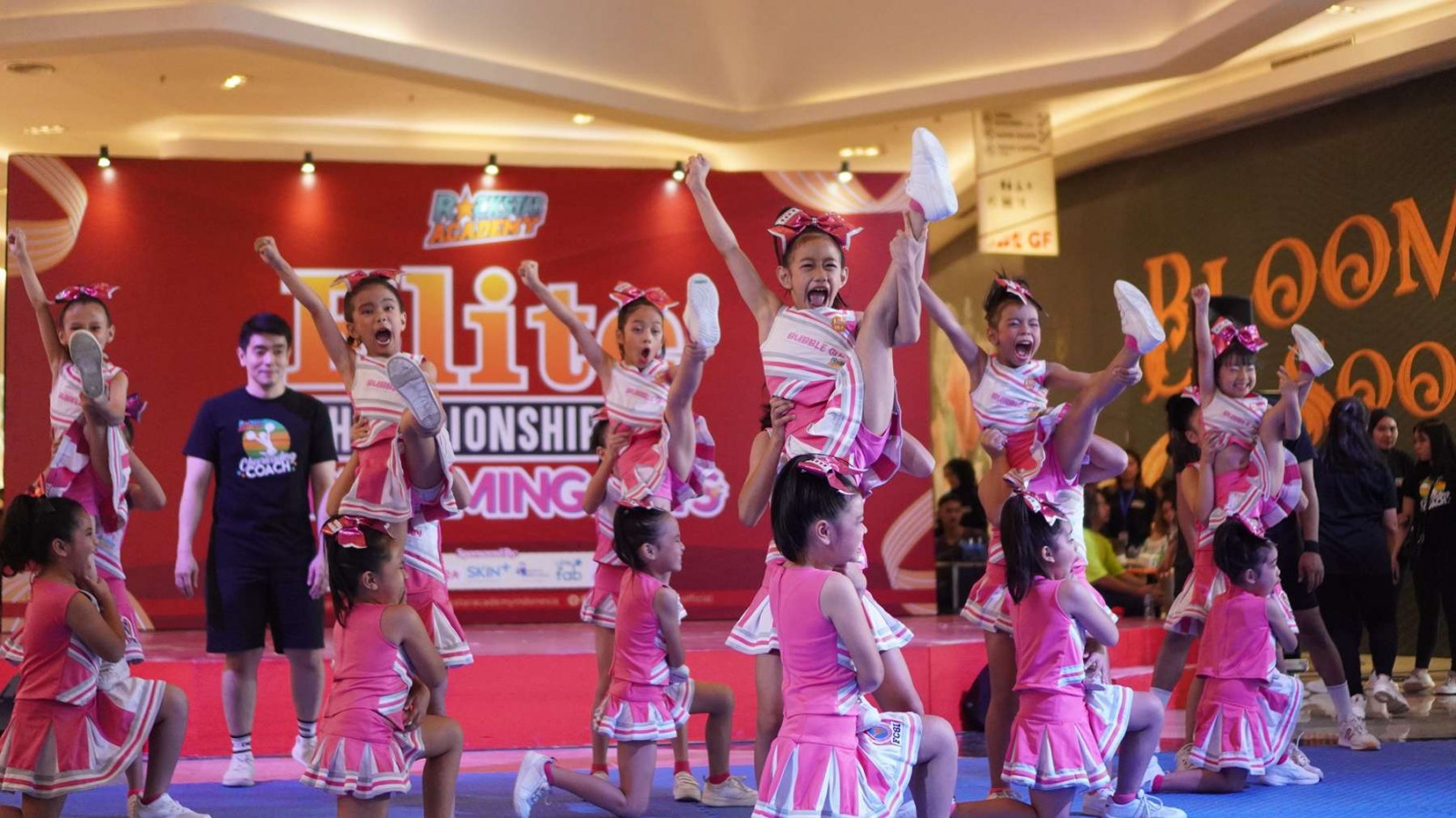
Only at Rockstar Academy can your child experience a rich blend of preschool learning, exciting physical activities, and fun events & competitions for every age, skill level, and interest — including participation in the Elite Championships.
With guidance from our experienced teachers, these experiences help children become more adaptive, confident, and capable in handling challenges. And the best part? You can try a free trial class before enrolling, giving your child the perfect opportunity to explore, learn, and shine.
FAQ
Is aggressive behavior normal in young children?
Yes. Toddlers and preschoolers often show aggression because they’re still learning emotional and language skills. What matters is how consistently and intensely it happens.
When should I worry about my child’s aggression?
If your child’s behavior harms others frequently, happens daily, worsens with age, or affects school and home life, it’s worth seeking help.