A Guide to Tkatchev and Kovacs High Bar Release Moves
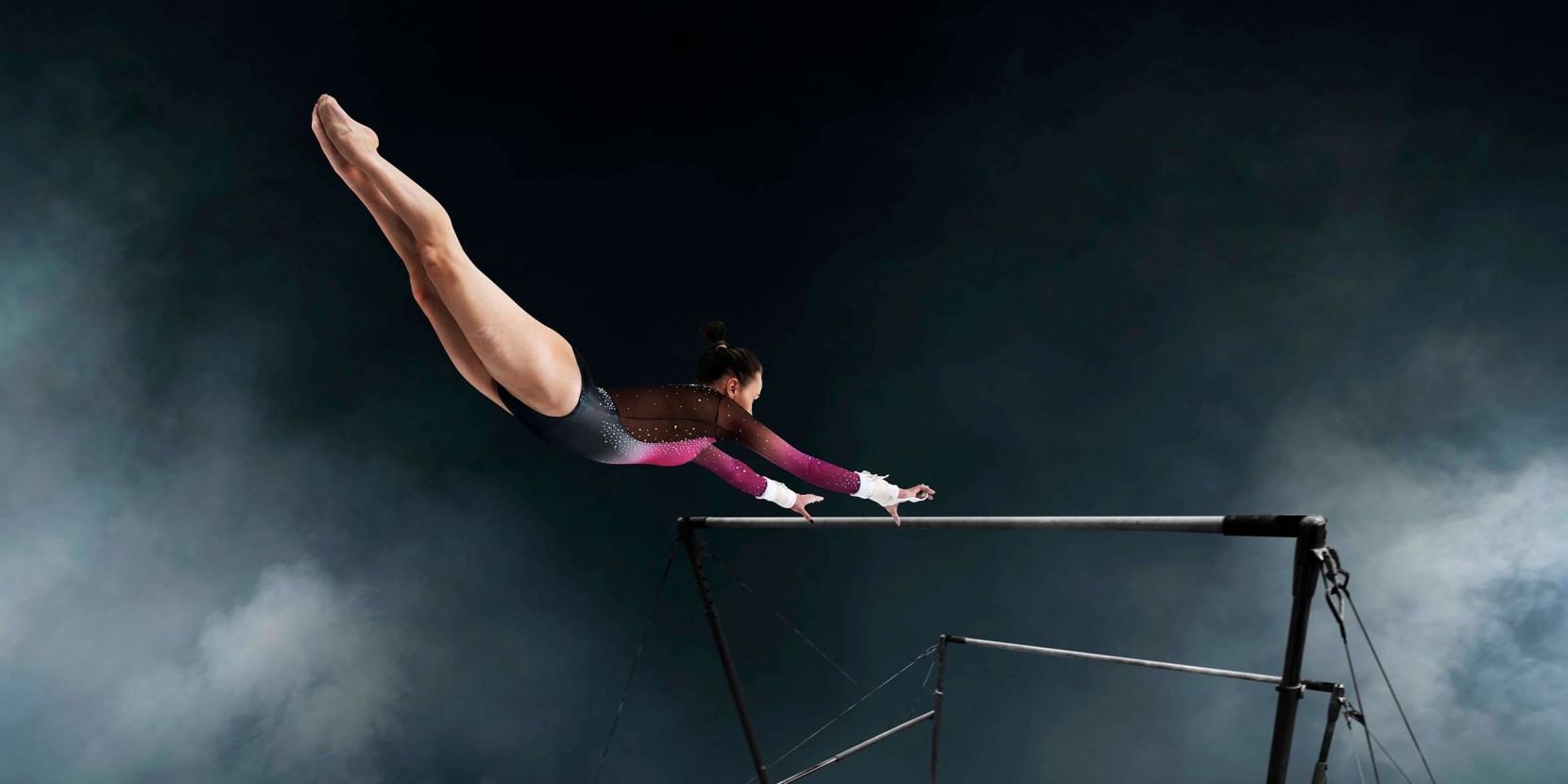
On the Horizontal Bar, some of the most exciting skills to watch are high bar release moves. These are the moments when a gymnast lets go of the bar, flies through the air, and catches it again with perfect timing. The crowd usually holds its breath during these skills because they combine height, power, and precision.
Two of the most famous release skills on high bar are the Tkatchev and the Kovacs. Both are spectacular, but they are very different in technique and difficulty. In this guide, we’ll break down what release moves are, how these two skills differ, and the drills gymnasts use to learn them safely.
What Are High Bar Release Moves?
High bar release moves are skills performed on the High Bar where a gymnast lets go of the bar during a swing, flies through the air, and then catches the bar again to continue the routine. These moves are some of the most exciting parts of a high bar routine because they involve height, speed, and precise timing.
During a release move, the gymnast usually builds momentum with powerful giant swings before letting go of the bar at the right moment. While in the air, they might perform a flip, twist, or straddle movement before regrabbing the bar. Skills like the Tkatchev and Kovacs are popular examples of these moves.
Because they require strength, coordination, and confidence, gymnasts typically practice them step by step using safety tools like foam pits before performing them in full routines.
Key Differences Between a Tkatchev and a Kovacs
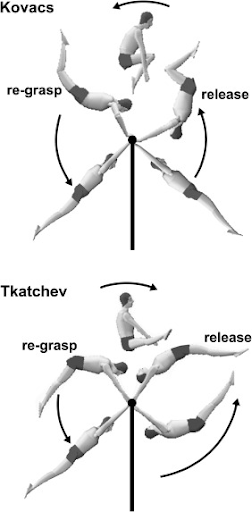
Both Tkatchev and Kovacs are impressive high bar release moves performed on the High Bar, but they look and feel very different when executed. Here are the main differences between the two skills:
1. Type of Movement
The biggest difference is the type of motion performed in the air. A Tkatchev is a release where the gymnast flies over the bar in a backward straddle motion before catching it again.
Meanwhile, a Kovacs involves a backward somersault above the bar, where the gymnast flips in the air before regrabbing the bar. Because of this, the Kovacs often looks more like a flipping skill, while the Tkatchev looks more like a big straddle swing over the bar.
2. Body Position in the Air
In a Tkatchev, gymnasts usually open their legs into a wide straddle position while traveling over the bar. This helps create space and control during the flight.
In contrast, a Kovacs is typically performed in a tucked, piked, or straight body position depending on the variation. These positions help the gymnast rotate faster while performing the flip.
3. Height and Power
A Kovacs generally requires more explosive power because the gymnast must generate enough height and rotation to complete a full backward somersault above the bar.
A Tkatchev still requires strong momentum, but the movement focuses more on traveling over the bar with good timing rather than completing a flip.
4. Difficulty and Progression
Many gymnasts learn a Tkatchev earlier in their high bar progression because it teaches the feeling of releasing and catching the bar safely.
The Kovacs, on the other hand, is usually introduced later since it requires stronger swings, better air awareness, and more confidence due to the flipping motion.
5. Visual Style
From a spectator’s perspective, the two skills look very different. The Tkatchev appears smooth and wide, with the gymnast floating over the bar in a big straddle.
The Kovacs looks more powerful and dramatic because the gymnast performs a fast backward flip high above the bar before catching it again.
Prerequisites for Safe Training
Before learning high bar release moves, gymnasts need to build a strong technical foundation. Skills like the Tkatchev and Kovacs on the High Bar involve letting go of the bar and catching it again, so safety and proper preparation are extremely important.
Here are some key prerequisites gymnasts should master before attempting these advanced skills:
A. Strong Giant Swings
One of the most important prerequisites is mastering giant swings. Gymnasts need to be able to perform smooth, powerful giants with good rhythm and control. Strong giants help generate the height and momentum needed for safe release moves.
B. Upper Body and Core Strength
Release skills demand strong shoulders, arms, and core muscles. These muscles help control the swing, stabilize the body in the air, and absorb the force when catching the bar again.
C. Air Awareness and Timing
Gymnasts must develop a good sense of body awareness in the air. This helps them know exactly when to release the bar, when to rotate, and when to reach for the catch. Drills on trampolines or foam pits are often used to build this awareness safely.
D. Safe Training Environment
When learning new release moves, gymnasts should always practice with coaches, spotting, and safety equipment such as foam pits or soft mats. These tools allow athletes to train difficult skills step by step while reducing the risk of injury.
Essential Drills Using Foam Pit and Regrips
When learning high bar release moves, safety and repetition are super important. That’s why many gymnasts practice skills like the Tkatchev and Kovacs over a foam pit while training on the High Bar. Here are some essential drills that help build confidence and technique:
1. Giant Swings into Foam Pit
This drill helps gymnasts build the power needed for release moves. The gymnast performs strong giant swings and then releases the bar at the top of the swing, landing safely in the foam pit.
It helps athletes get used to the feeling of letting go of the bar while maintaining good timing and body position.
2. Tap Swing Release Drill
In this drill, the gymnast focuses on the tap swing, which is the key moment that generates height for release skills.
After a powerful tap, the gymnast releases the bar and drops into the foam pit. This helps them understand how proper timing and body extension create lift for bigger skills later.
3. Regrip Timing Drill
Regripping the bar at the right moment is crucial for release moves. In this drill, the gymnast performs a swing, releases briefly, and then quickly grabs the bar again.
Practicing this repeatedly helps develop faster reactions and stronger hand coordination during the catch.
4. Tkatchev Progression into Foam Pit
To learn a Tkatchev, gymnasts often start by practicing the movement over a foam pit.
They perform a strong swing, release the bar, open into a straddle position, and aim to travel over the bar before landing safely in the pit. Once the motion becomes consistent, they can begin working on catching the bar again.
5. Flip Awareness Drills for Kovacs
Since a Kovacs involves a backward flip, gymnasts often practice flipping drills into a foam pit first. These drills help them develop air awareness and understand how their body rotates in the air before attempting the full skill on the bar.
Example of High Bar Release Moves
Watching elite gymnasts perform these skills in slow motion can help you understand how powerful and precise these movements really are. Notice how the gymnasts generate massive swing momentum before releasing the bar and how quickly they spot the bar again before catching.
Start Training the Fundamentals!
Mastering high bar release moves like the Tkatchev and Kovacs takes time, patience, and a strong technical foundation. These skills may look effortless when performed by elite gymnasts, but they are built step by step through proper prerequisites, smart drills, and lots of safe practice using foam pits and spotting techniques.
At Rockstar Academy, kids can explore exciting skills like gymnastics bar moves while building strength, flexibility, and confidence step by step. As a trusted Sports & Performing Arts Academy, Rockstar Academy offers structured training with experienced coaches who guide students through safe progressions and fun practice sessions.
To help students see their development clearly, the program also includes regular gymnastics testing, allowing them to track their progress and celebrate every new skill they achieve. Students can also train in a structured setting that prepares them for the demands of high-level gymnastics like Elite Championships and RockOlympics.
Rockstar Academy’s Dream Team gymnastics program is where passion meets performance. Designed for talented and driven athletes, this program helps build a true champion mindset through exciting opportunities to compete in national and international events.
Open to both boys and girls, each session packs 180 minutes of high-intensity training, guided by experienced professional coaches who know how to push every athlete to the next level.
Curious to see how the program works? New students can join a free trial class and experience the training firsthand before enrolling!
FAQ
What is a High Bar in gymnastics?
The high bar is a gymnastics apparatus where athletes perform swings, turns, and exciting high bar release moves.
How to do a high bar release move?
Build momentum with strong giant swings, release the bar at the right moment, perform the skill in the air, and regrip the High Bar safely.