Defensive and Aggressive Dinking in Pickleball: Mastering the Soft Game
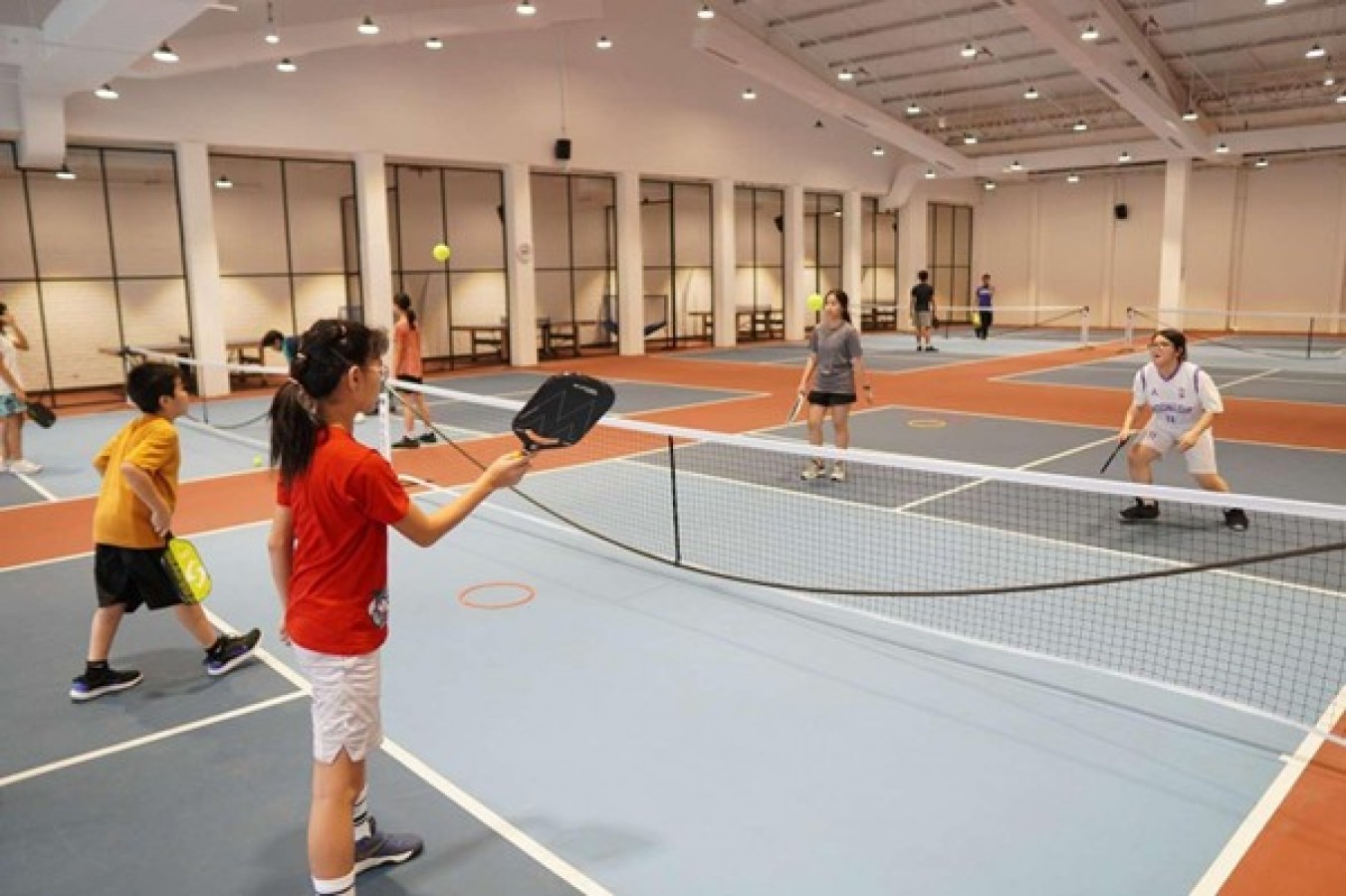
In pickleball, the soft game, especially dinking, is arguably the most strategic element of the sport. While powerful serves, drives, and smashes often grab attention, matches are frequently won or lost at the kitchen line through smart, well-placed soft shots.
Understanding the difference between defensive dinking and aggressive dinking, knowing how to neutralize an opponent’s attack, and mastering essential techniques are key to taking control of rallies and improving your competitive performance. This article will help you understand all of it!
What Is Dinking in Pickleball?
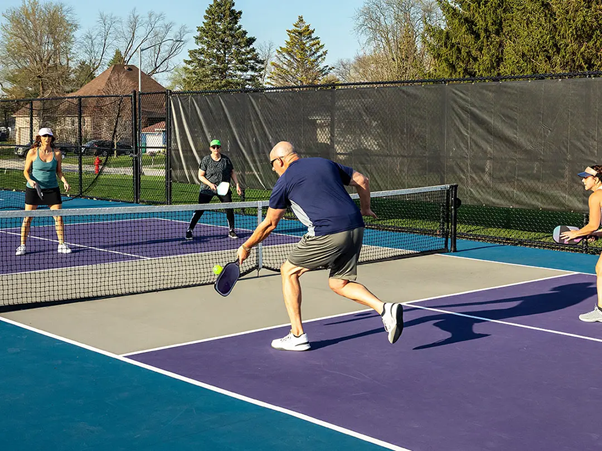
A dink is a soft shot that is hit from near the non-volley zone (the kitchen) and is intended to clear the net just barely before landing inside the opponent’s kitchen.
Because the ball travels low and softly, dinking in pickleball forces your opponent to engage in precision play and discourages hard drives or aggressive swings that could end the rally early.
Dinking sits at the heart of the soft game, a nuanced exchange of subtle placement, patience, and strategic pressure and becomes especially important in doubles, where players aim to control the pace and minimize mistakes.
Defensive vs Aggressive Dinking: What’s the Difference?
Understanding defensive and aggressive dinking goes beyond raw terminology, it reflects a player’s intent and tactical approach during a dink rally.
1. Defensive Dinking
Defensive dinking emphasizes consistency, control, and patience. The goal is to keep the ball low and in play, limit mistakes, and neutralize your opponent’s power while waiting for a safer chance to attack. Using a light grip and soft touch helps sustain rallies and gradually create better offensive opportunities.
2. Aggressive Dinking
Aggressive dinking focuses on using precise placement and subtle pace changes to apply pressure. By targeting weaker sides, creating angles, and forcing movement, players look to provoke errors or set up winning shots.
Although still soft, these dinks are more purposeful and designed to gain a tactical advantage rather than simply maintain the rally.
How to Successfully Neutralize an Opponent’s Attack
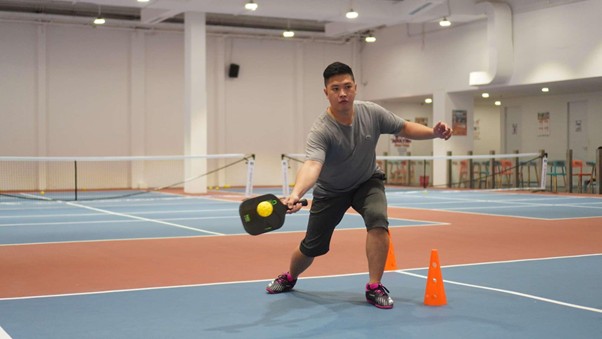
Neutralizing your opponent’s attack, especially against powerful or aggressive players is a soft game art that requires awareness, patience, and strategic placement. Here are key strategies to neutralize an opponent’s attack:
1. Keep the Ball Low and Soft
Keeping your dinks low is a key way to stop aggressive attacks. Low, short shots into the kitchen force opponents to slow down, hit with more precision, and reduce their ability to generate power.
By limiting their space and swing freedom, low dinks make hard shots riskier and increase the likelihood of errors, helping you regain control of the rally.
2. Use Smart Placement
Placement beats power in dinking battles. Aim for spots that make returns difficult:
- To your opponent’s backhand side
- At deep corners inside the kitchen
- Slightly in front of your opponent’s feet
- Near transition zones away from their comfort stance
Precision makes your opponent reposition, which reduces their attacking advantage and increases the chance of weak returns.
3. Read Your Opponent’s Position and Movement
Neutralizing an attack isn’t just about the ball, it’s about reading body cues and movement patterns:
- If your opponent is leaning forward, aim deeper
- If they’re off-balance or reaching, hit slightly toward their stretch zone
- If they prefer one side of the court, alternate placements
Opponents who rely on powerful swings often struggle when they’re forced into awkward body positions. Identifying and exploiting these moments is key to soft game success.
4. Don’t Rush Your Shots
Rather than trying to speed up your soft shots, focus on feel and rhythm. Long rallies reward consistency and strategic patience. Avoid swinging early and giving your opponent an easy angle to counterattack.
Tips for Improving Your Dinking Technique
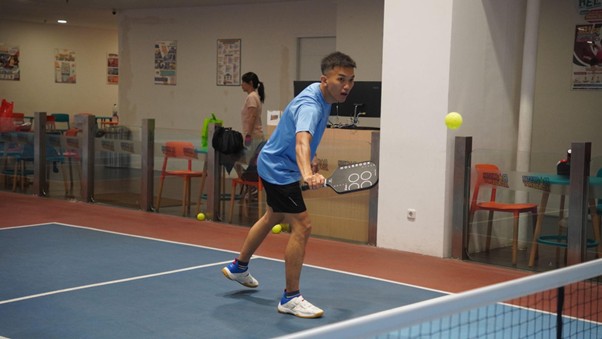
Whether you’re focusing on defensive control or strategic aggression, improving your overall dinking technique will make every game more effective.
1. Refine Your Grip and Paddle Control
A relaxed, light grip reduces tension and helps you feel the ball better. Too tight a grip can make soft shots erratic and stiff. Practice holding your paddle at a gentle tension so that you can absorb pace and control placement.
2. Focus on Consistent Contact Point
Good dinking starts with consistent, firm contact in front of your body. Avoid late swings that force you off balance. Step toward the ball, keep your eye on the contact zone, and use soft wrist motion over brute force.
3. Practice Cross-Court Dinks
Cross-court dinking is safer and more strategic than straight-on dinking because it offers more court space for the ball to land deeply and disrupt your opponent’s rhythm. Consistent cross-court dinks keep your opponents moving laterally and can create openings for angled aggressive shots.
4. Work on Patience and Anticipation
The best dinkers wait for the right shot rather than swinging early. Practice patience drills where you hold position and only take opportunities when your opponent’s return is slow, high, or misaligned.
5. Drill Variations That Build Soft Game Skills
Here are some helpful practice routines:
- Mirror Dinks: Stand opposite a partner and match their soft shots for consistent placement and control.
- Directional Dinks: Alternate dinks to cross-court and down-the-line targets to develop directional precision.
- High to Low Transition Drills: Start with slightly elevated soft shots and gradually bring placement lower to the net to refine trajectory control.
These drills help tune both defensive control and aggressive precision, essentials for mastering the soft game.
Master Defensive and Aggressive Dinking with Rockstar Academy!
Mastering both defensive and aggressive dinking is what truly elevates your soft game and gives you greater control in every rally but consistent, guided practice is the key to turning knowledge into performance.
If you’re looking to sharpen your pickleball skills in a supportive and professional environment, consider joining Rockstar Academy, a leading Sports & Performing Arts Academy that offers dedicated pickleball programs for all ages and levels. With experienced coaches, structured training, and opportunities to experience real match situations.
Through our Elite Championships, Rockstar Academy helps players build strong fundamentals and confident game strategies. Even better, we provide a free trial class for anyone who wants to try before committing, and our locations are spread across the Jabodetabek area, making it easier than ever to start your pickleball journey!
FAQ
What is the main difference between defensive and aggressive dinking?
Defensive dinking focuses on keeping the ball in play and minimizing errors, while aggressive dinking uses placement and angles to pressure opponents and force mistakes.
Should I always play defensive dinks first?
Not necessarily. Defensive dinks are useful for maintaining rallies and stabilizing court position, but an early well-placed aggressive dink can sometimes gain a tactical edge.
How do I neutralize a powerful opponent who attacks hard shots?
Keep the ball low and soft, use depth and placement to reposition them, and force errors by varying placement rather than pace. Patience and court awareness are key.