Mastering the Herkie Jump: A Step-by-Step Guide for Cheerleaders
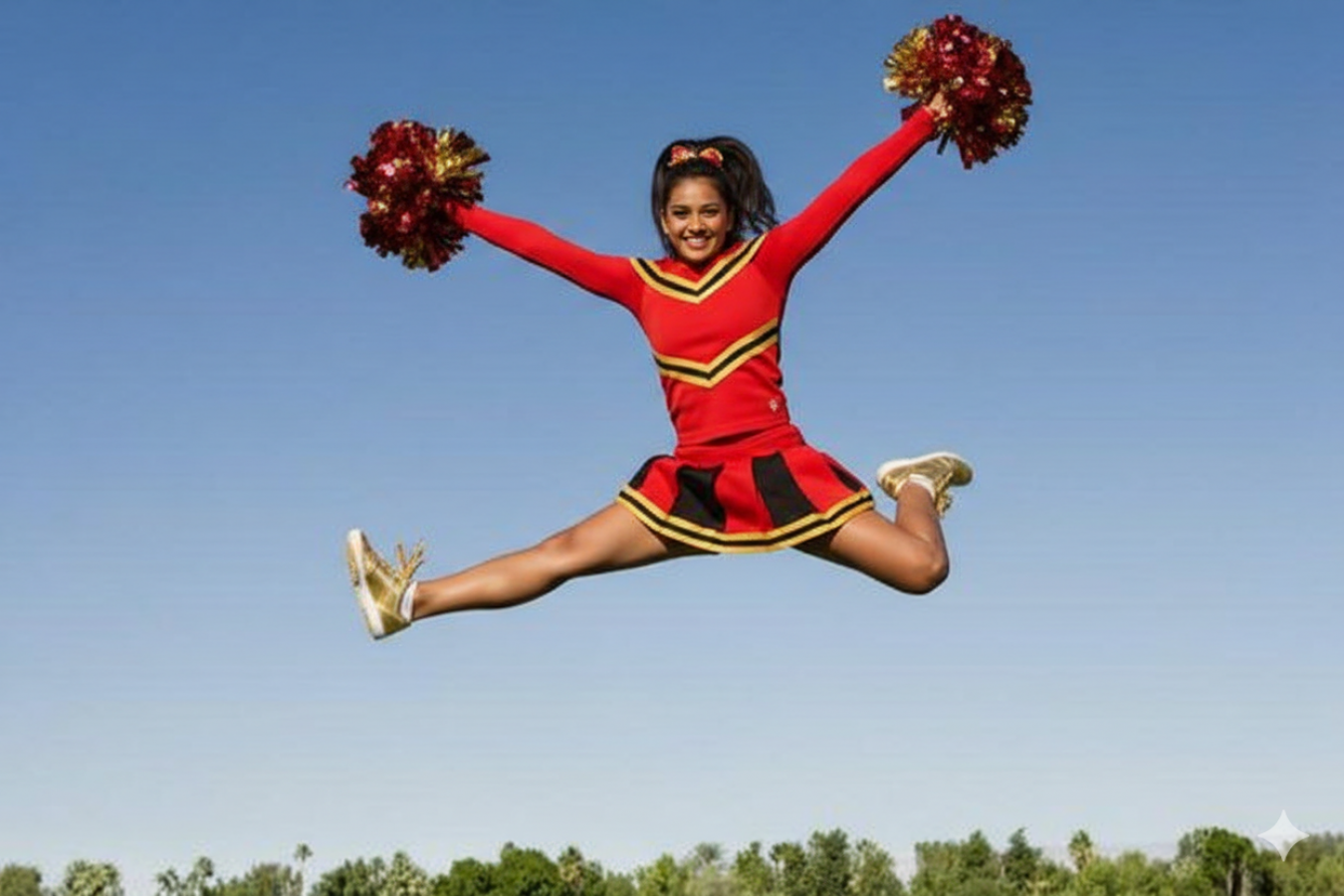
If you’re serious about leveling up your cheer skills, the herkie jump is one move you definitely want in your toolbox. It’s bold, sharp, and instantly eye-catching when done right. In cheerleading, a herkie jump is a jump where one leg kicks straight out to the side while the other bends back, creating a clean, powerful shape in the air.
It may look simple at first, but trust me, it takes technique, strength, and timing to really nail it. In this guide, we’ll break down what makes a great herkie jump, how to execute it with proper form, the common mistakes that can throw it off, and the best exercises to boost your height and control.
What Is a Herkie Jump?
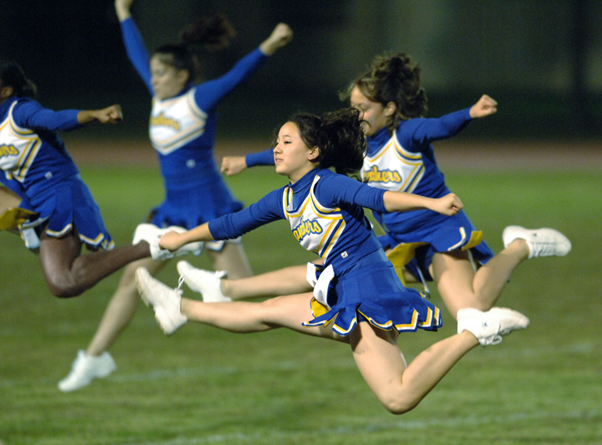
A Herkie jump (also called a side hurdler) is one of the most popular intermediate cheerleading jumps that every cheerleader should master. It has a bold, eye-catching shape that really stands out during routines. In a Herkie, one leg kicks straight out to the side while the other leg bends back, almost like you’re trying to kick your heel toward your seat.
Your arms stay strong and sharp to complete the look. Even though it’s common, it’s not as easy as it looks! A clean Herkie jump takes flexibility, leg strength, balance, and explosive power.
That’s why learning the proper technique step by step is so important, not just to make it look good, but also to stay safe while practicing. When done correctly, the Herkie jump looks powerful, controlled, and super impressive in any cheer routine.
Proper Technique for a Clean Herkie Jump
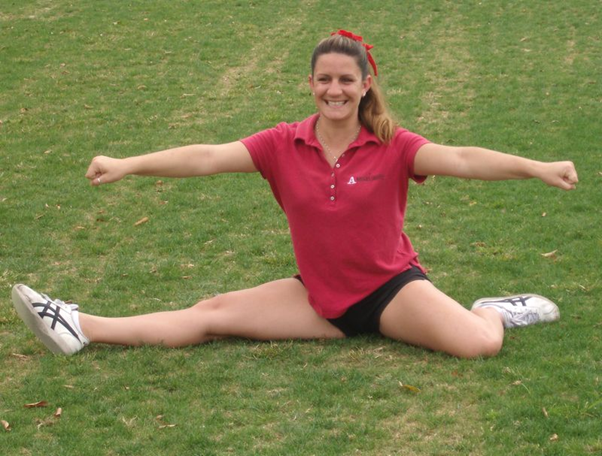
Before you try to hit a picture-perfect Herkie jump, remember this: a great jump doesn’t just happen in the air. It starts from the ground up. From your prep to your landing, every detail matters.
If you focus on clean technique step by step, your Herkie will look higher, sharper, and way more powerful. Here’s how to execute a clean Herkie jump:
1. Start with a Good Warm-Up
Before you even think about jumping, stretch! Focus on your hamstrings, hip flexors, and quads. A few minutes of proper stretching helps improve flexibility and lowers your risk of injury. A flexible body = a higher and cleaner Herkie.
2. Stand Tall and Confident
Begin upright with your feet together. Keep your chin up, shoulders back, and core tight. This strong starting position sets the tone for a powerful jump.
3. Set Your Arms for Power
You can start with your arms in a high V or clasped in front of your chest. Both positions help you create a strong arm swing, which is super important for getting height in your jump.
4. Swing Down and Load Your Legs
Swing your arms down in a circular motion, crossing them in front of your hips. At the same time, bend your knees slightly. Think of this as “loading” your jump, your legs are getting ready to explode upward.
5. Explode Up!
Swing your arms back up quickly and powerfully. Use that momentum to push off the ground as high as you can. The stronger the arm swing, the higher the jump.
6. Hit the Herkie Position in the Air
Kick one leg straight out to the side and keep it fully extended. At the same time, bend the other leg back at the knee. Make sure the straight leg stays tight and pointed the entire time.
7. Lock in Your Arm Placement
The arm on the side of your bent leg should be firmly placed on your hip. The arm on the side of your straight leg should hit a strong high V. Sharp arms make the jump look clean and powerful.
8. Stick the Landing
Land softly with your feet together and knees slightly bent to absorb the impact. Don’t forget, how you land is just as important as how you jump. A controlled landing completes a clean Herkie!
Common Mistakes to Avoid
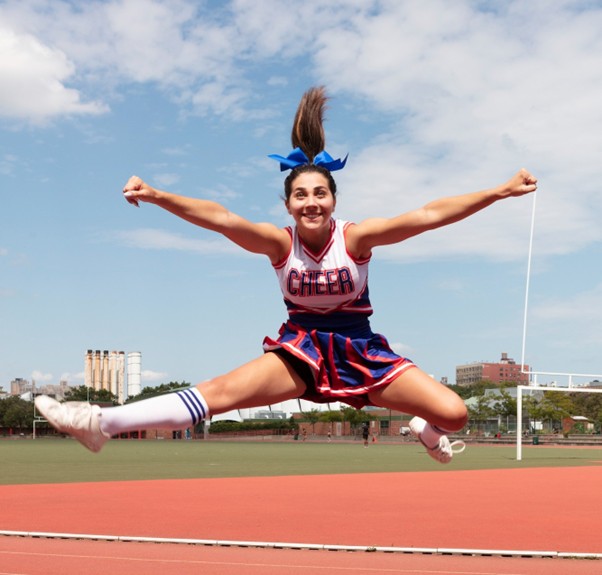
Even strong cheerleaders can struggle with the Herkie if they overlook small details. The good news? Most mistakes are easy to fix once you know what to watch out for. Here are some common mistakes to avoid:
A. Dropping Your Chest
One of the biggest mistakes is leaning forward in the air. When your chest drops, the jump instantly looks smaller and less powerful. Keep your chest lifted and core tight so your posture stays strong.
B. Bent Straight Leg
Your extended leg should be fully straight. If your knee bends, the jump loses its clean shape. Focus on squeezing your quads and pointing your toes to keep that leg sharp.
C. Weak Arm Placement
Lazy or uneven arms can ruin the whole look. Make sure the arm on your straight-leg side hits a strong High V, and the other arm stays firmly on your hip. Sharp arms = sharp jump.
D. Not Jumping High Enough
Sometimes cheerleaders focus so much on leg position that they forget to actually jump. Remember, height comes first. Drive through your legs and explode upward before hitting the Herkie position.
E. Poor Toe Point
Flexed feet make the jump look unfinished. Always point your toes hard in the air. Small detail, big difference.
F. Messy Landing
Landing stiff-legged or off balance can take away from a great jump. Always land softly with bent knees and feet together. A controlled landing shows real skill.
Exercises to Improve Height & Form
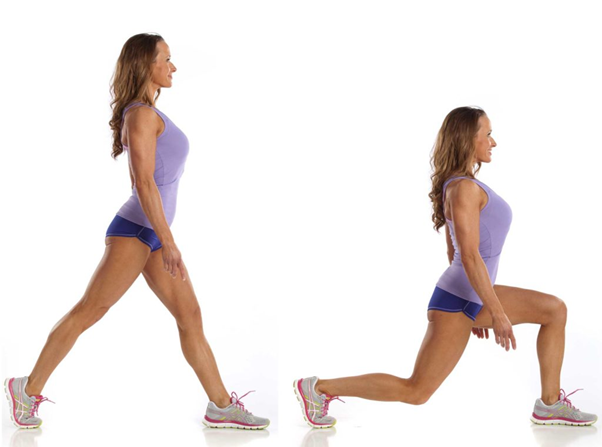
If you want a higher and cleaner Herkie, you need power from the ground up. Strong legs, hips, and glutes are the secret to explosive takeoffs. The more force you generate when you jump, the more airtime you get, and more airtime means more time to hit that perfect Herkie position in the air. Here are some simple but effective exercises to improve both height and form:
1. Squats
Squats build strength in your quads, glutes, and hamstrings, the main muscles you use to jump. Focus on controlled reps and proper form. Stronger legs = stronger lift.
2. Jump Squats
This adds power training. Start in a squat, then explode upward as high as you can. Land softly and repeat. This helps train fast, explosive movement for higher jumps.
3. Lunges
Lunges strengthen each leg individually, which improves balance and stability during takeoff and landing. They also help build hip strength for better leg control in the air.
4. Glute Bridges
Strong glutes are key for height. Glute bridges activate and strengthen them, helping you push harder off the floor.
5. Resistance Band Training
Using tools like Myosource Kinetic Bands (wrapped just above the knees) can increase lower-body activation while you train.
Bands add resistance, forcing your legs and hips to work harder during drills. This helps build strength for powerful takeoffs and stable landings.
6. Toe Touch & Herkie Drills
Practice jump motions without fully jumping, just focus on snapping your legs into position quickly. This improves muscle memory and sharpens your form.
Keep Practicing and Let Your Herkie Fly!
Improving your herkie jump is a process of refining details. Combine technique drills with strength training and flexibility work to build height and control. With consistent practice and attention to form, your herkie jump will become stronger, cleaner, and more competition-ready.
The Cheerleading Program at Rockstar Academy is designed to help athletes build confidence, strength, and sharp technique, especially when it comes to clean and powerful cheerleading jumps.
As a leading Sports & Performing Arts Academy, Rockstar Academy focuses on proper fundamentals, safe progressions, and high-energy training that prepares cheerleaders for real performance settings.
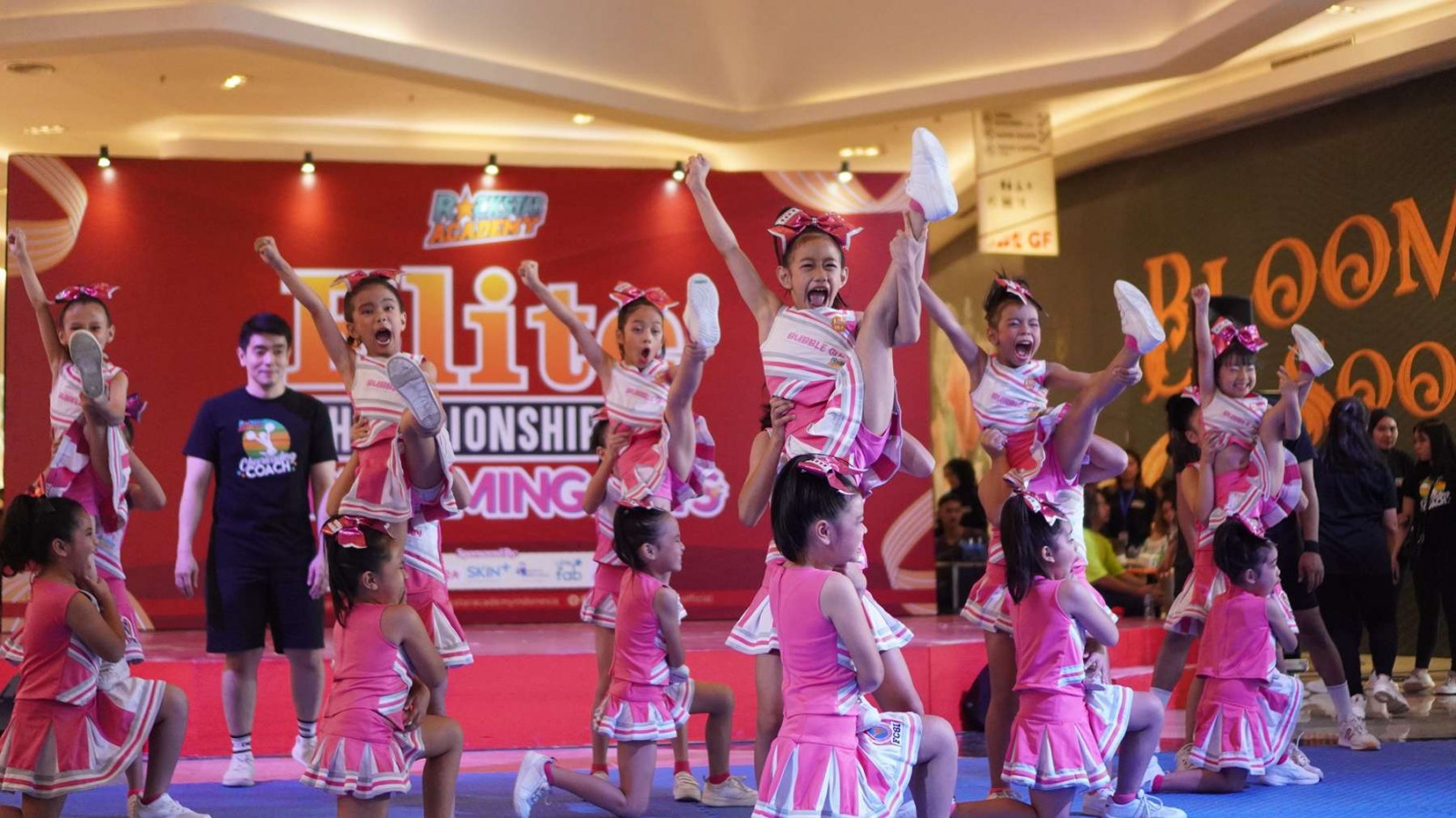
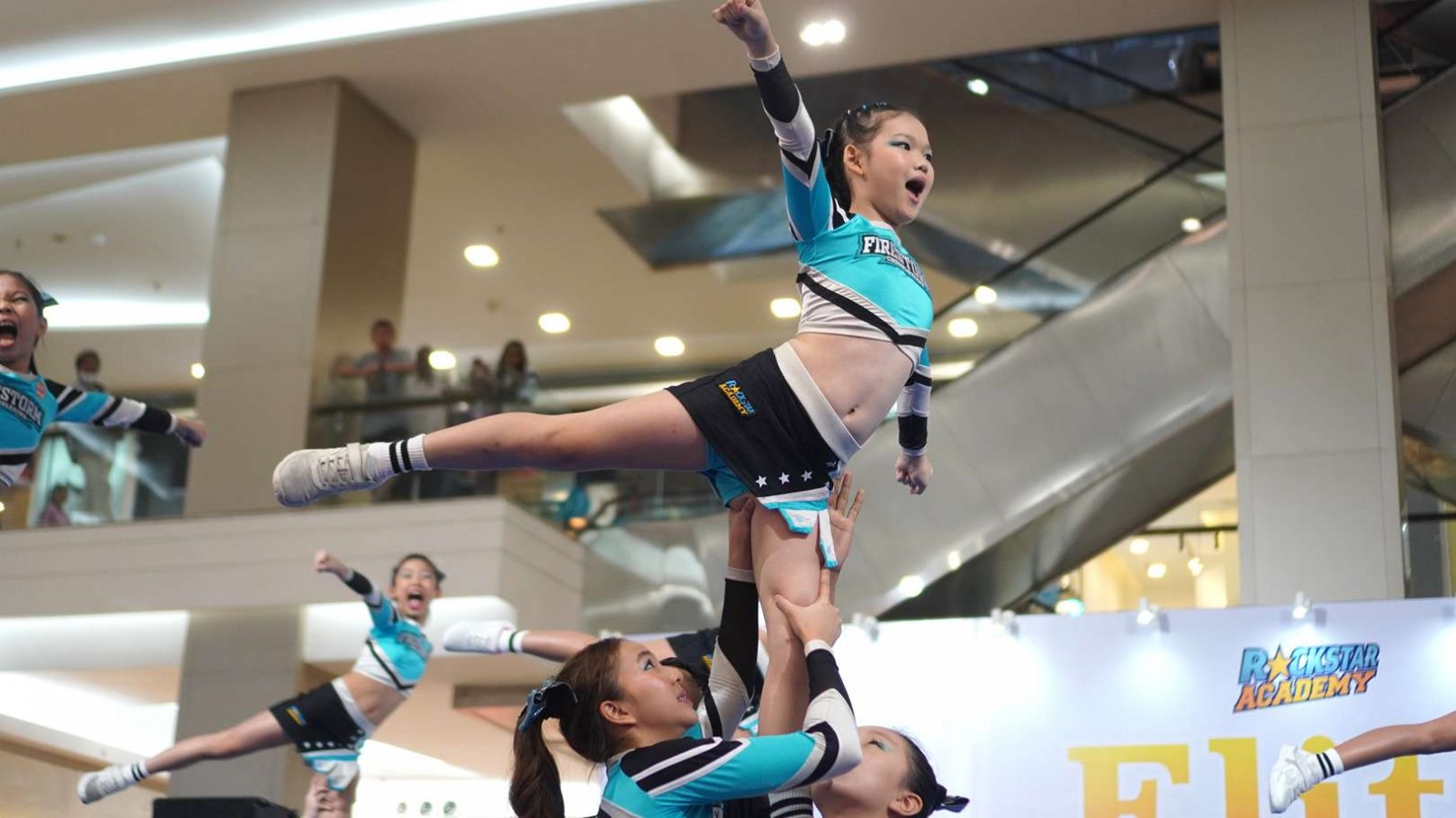
Students train with experienced coaches, learn teamwork and discipline, and get opportunities to showcase their skills on big stages like the Elite Championships, the RockOlympics, and the Cheerleading Recital.
Curious to see the difference for yourself? Rockstar Academy offers a free trial at the end, so you can experience the training, the vibe, and the results before committing.
FAQ
How to do a herkie jump?
Jump high, kick one leg straight to the side, bend the other leg back, hit strong arms, and land softly.
What is a herky jump?
A herky (herkie) jump is a cheerleading jump with one straight leg and one bent leg, showing power and clean form.