Why Strong Parent-Teacher Communication is Key to Student Success
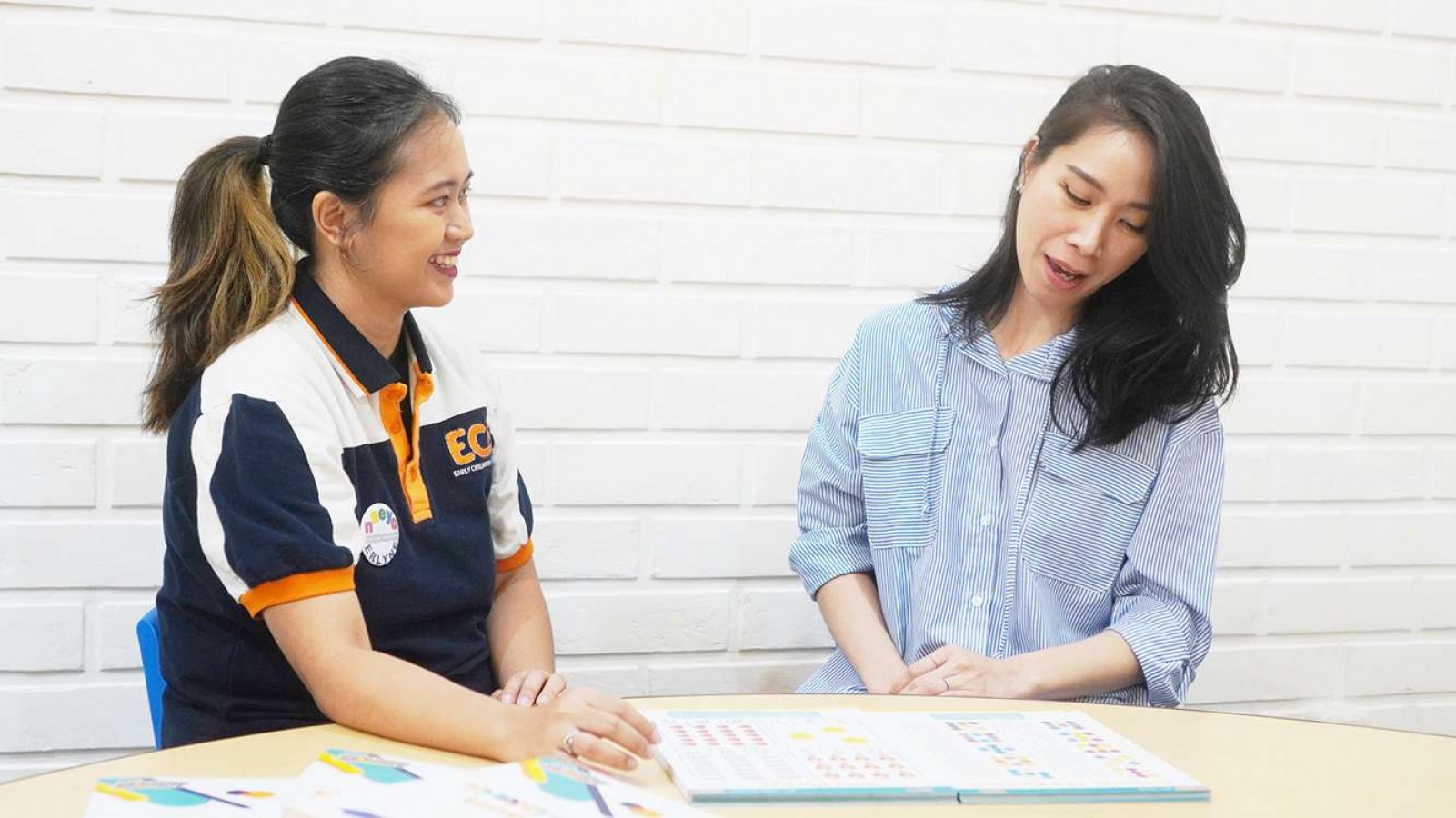
When parents and teachers talk, collaborate, and stay in sync, children can actually learn better, problems get solved faster, and everyone feels more supported. That’s why parent-teacher communication is so important.
In this article, we’ll explore what parent-teacher communication actually means, why it matters so much, the powerful benefits it brings, and how both sides can improve it. Let’s discuss it further!
What Is Parent-Teacher Communication?
Parent-teacher communication refers to the ongoing, meaningful exchange of information between parents and teachers about a child’s learning, behavior, progress, strengths, and challenges. It can happen in many different forms:
- Face-to-face conversations (during arrival, dismissal, meetings)
- Messaging apps or emails
- Phone calls
- Report cards and progress updates
- Parent-teacher conferences
- School events and workshops
The key is that communication isn’t just a once-a-semester chat. It’s consistent, open, respectful, and focused on helping the child grow especially when entering Preschool & Kindergarten for the first time.
Why Is It Important for Parents and Teachers to Communicate?
Before we explore the benefits, it’s important to recognize that strong communication is more than just exchanging messages or meeting during conferences. Here is why parent and teacher communication is important:
1. Children Learn Better When Parents and Teachers Work as a Team
Children thrive when the adults around them share the same expectations, values, and support. When parents and teachers communicate, children receive consistent guidance both at home and in the classroom.
If a teacher is encouraging a child to read more, the parent can support that at home with simple reading activities. The child sees alignment and that boosts motivation!
2. Early Identification of Academic or Behavioral Issues
Communication helps adults spot challenges early before they become bigger problems. Teachers may notice learning gaps or emotional concerns in class, while parents may see different patterns at home. When both sides share these observations, solutions can be found more quickly and effectively.
3. Builds Trust and Strong Relationships
Good communication fosters trust. Parents feel more confident knowing that teachers care and pay attention to their child’s needs. Teachers, on the other hand, feel supported when parents show understanding and involvement. This mutual trust creates a positive atmosphere where children feel safe, encouraged, and valued.
4. Home and School Become Connected Environments
Children don’t separate their “school self” from their “home self.” For them, it’s all one big world. When parents and teachers communicate, learning becomes a continuous experience rather than something that only happens at school. This makes children more engaged, responsible, and connected to their education.
5. Encourages the Child to Take Ownership of Their Learning
When children see adults discussing their progress, they naturally become more aware and responsible. They understand that both their parents and teachers care and are working together to help them succeed. This encourages them to put more effort into their studies, behavior, and personal growth.
Benefits of Strong Parent-Teacher Communication
Let’s take a closer look at what those benefits are.
1. Improved Academic Performance
Numerous studies show that students with actively involved parents tend to earn better grades, complete more assignments, and stay on track academically. When the parent-teacher team works smoothly, children benefit directly. [J Prev Interv Community., 2011]
2. Better Behavior and Social Skills
When teachers and parents share strategies consistently—like how to handle tantrums, encourage sharing, or promote respect—children receive predictable guidance. This helps them develop better self-control, communication skills, and emotional intelligence.
3. Increased Motivation and Confidence in Children
Imagine a child hearing, “Your teacher said you worked so hard today! I’m proud of you.” Moments like these boost confidence and encourage children to keep trying. When adults acknowledge their efforts consistently, children feel more supported and motivated.
4. Stronger Support for Special Needs or Learning Challenges
Students with learning differences, behavioral difficulties, or emotional needs benefit the most from strong communication. Teachers can share classroom strategies, while parents can describe what works at home. Together, they create a personalized support system that helps the child flourish in both environments.
5. Parents Gain a Better Understanding of Their Child’s Learning Style
Some children are visual learners. Others need movement. Some learn best with stories or songs. Teachers often see these patterns clearly. When parents gain insight into these learning styles, they can support their child more effectively at home.
6. A More Positive School Experience
When parents and teachers communicate well, misunderstandings decrease, stress levels go down, and school becomes a more joyful place. Parents feel welcomed, teachers feel respected, and children benefit from the harmony.
Ways to Improve Parent-Teacher Communication
Great communication doesn’t happen automatically. Here are simple but effective ways to strengthen that connection:
1. Keep Communication Consistent
Whether through a weekly message, a monthly update, or a quick chat, consistency makes a big difference. It doesn’t need to be long—just enough to keep parents in the loop. Teachers can send quick updates like:
- “Alya enjoyed the science experiment today!”
- “Evan is improving in reading—great job supporting him at home!”
Parents can also send helpful notes such as:
- “James didn’t sleep well last night, just a heads-up.”
- “Melanie has been practicing her math at home—thank you for your guidance!”
2. Use Clear, Simple, and Friendly Language
Not all parents understand educational terms like “phonemic awareness” or “executive functioning.” Using simple and friendly language makes communication more welcoming and accessible. Avoid difficult terms and focus on the message.
Instead of saying, “Your child needs to improve fine motor skill development to meet developmental milestones.”
The teacher can try, “Your child is still learning how to control small movements like holding a pencil. Let’s work together to help them practice at school and home.”
3. Make Communication Two-Way
Communication shouldn’t be just the teacher talking. Parents’ observations are equally important. Teachers should invite parents to share concerns, suggestions, and updates. Parents should ask questions and express what they see at home.
4. Take Advantage of Technology
Modern communication tools make staying connected easier than ever:
- WhatsApp/LINE groups
- School apps
- Email updates
- Digital report cards
- Online conferences
These tools help parents stay informed even with busy schedules.
5. Schedule Regular Check-Ins
Parent-teacher conferences shouldn’t only happen when there’s a problem. Regular meetings create opportunities to celebrate progress, clarify concerns, and adjust strategies. It also shows children that the adults are always working together to support them.
6. Be Honest, Respectful, and Solution-Focused
Honesty builds trust, but it must be delivered respectfully. Teachers can share challenges without making parents feel blamed. Parents can express concerns without sounding accusatory.
When everyone stays calm, kind, and focused on solutions, problems become much easier to manage.
Give Your Child the Best Start with Rockstar Academy Preschool & Kindergarten
When home and school work together, children feel supported, confident, and ready to grow. And if you’re looking for the best early childhood education that truly values this partnership, Rockstar Academy Preschool & Kindergarten is the perfect place to begin.
Only at Rockstar Academy will your child experience a rich combination of preschool & kindergarten learning, fun physical activities, and exciting events and competitions designed for different ages, skill levels, and interests—including the prestigious Elite Championships.
These experiences help children develop academically, socially, and emotionally while shaping them into the future. Academic and physical activity classes also teach teamwork, discipline, and essential life skills, helping children become more adaptive and confident in their abilities.
With the support of our experienced teachers, plus our smooth and strategic parent-teacher communication system, you’ll always feel informed and connected. And the best part? You can try it first—Rockstar Academy offers a free trial class before enrolling. Give your child a strong start and a bright future with us!
FAQ
How often should parents and teachers communicate?
Consistency is more important than frequency. A quick weekly or bi-weekly update is ideal, but communication should increase if there are special concerns, upcoming events, or changes in the child’s behavior.
What if a parent doesn’t have time to communicate often?
Short messages, voice notes, or quick check-ins during drop-off/pick-up can still work. Even a small effort helps teachers understand the child better.
What should parents do if they disagree with a teacher?
Stay calm, schedule a private conversation, listen to the teacher’s perspective, and express your concerns respectfully. Aim for a solution together rather than criticism.