What is Isolation in Dance? Benefits, Techniques, and Practice Methods
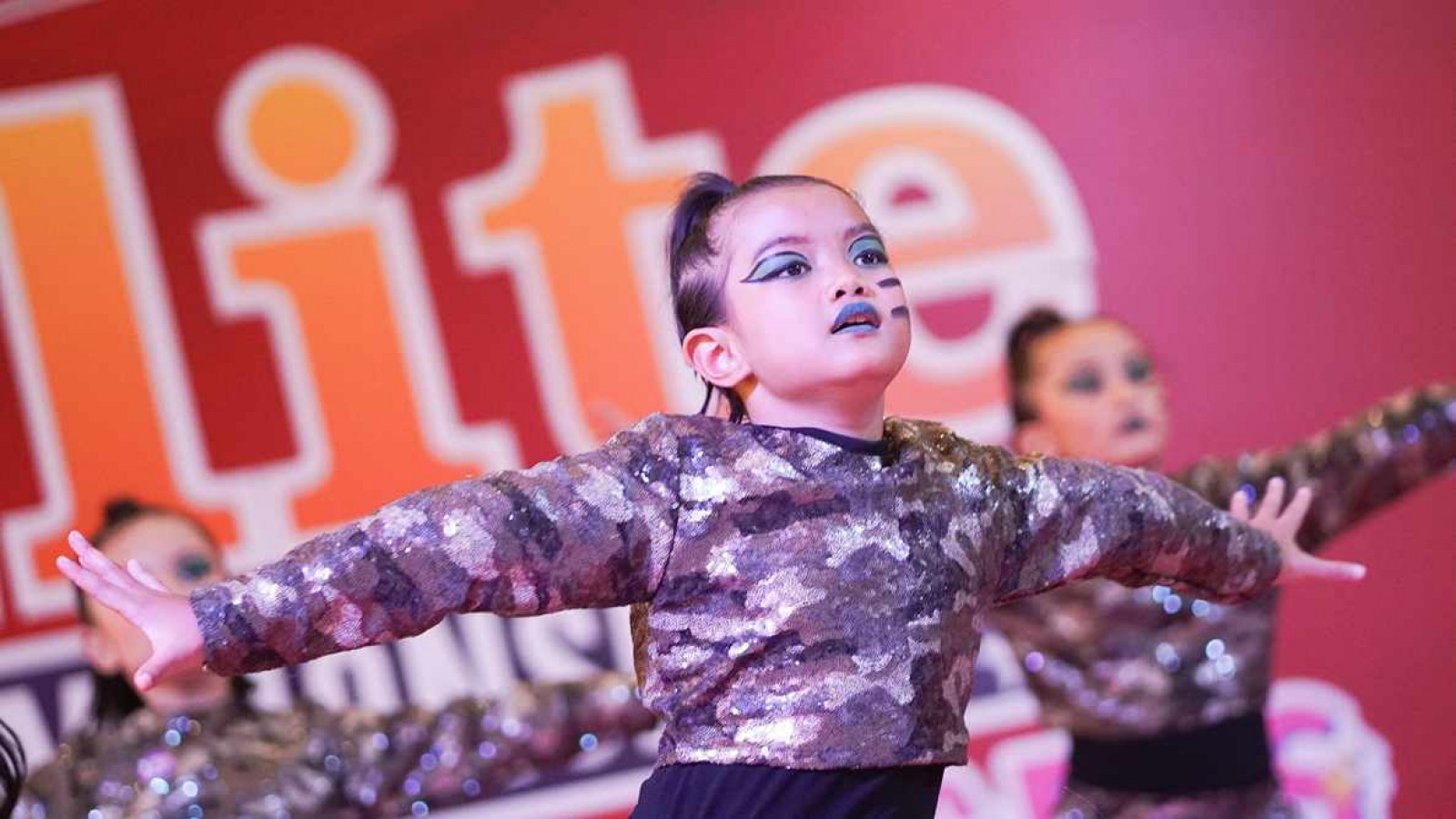
In dance, it is not always about big jumps or flashy moves. Sometimes, the smallest movements make the biggest impact. That is where isolation dance comes in. Dance isolation is all about moving one part of your body while keeping the rest still, creating clean, controlled, and eye-catching motion.
In this article, we will break down what isolation is in dance, why it matters, the benefits of practicing isolations, common isolation techniques, and how to train different body parts to move with precision and confidence. Let’s learn it further here!
What Is Isolation in Dance?
Isolation in dance is the ability to move one part of your body while the rest stays still or controlled. This could mean rolling your shoulders without moving your hips, popping your chest while your legs stay steady, or turning your head smoothly without shifting your torso.
Isolation dance takes strong body awareness, coordination, and control, but it helps dancers make their movements clearer and more eye-catching. By using isolations, dancers can highlight specific moves, add detail to choreography, and create performances that really grab the audience’s attention.
Benefits of Practicing Isolation Dance
Isolations train your body to move with purpose and control, which makes a big difference in how clean and confident your dancing feels. Here are some key benefits you can gain by consistently practicing dance isolations:
1. Better Body Awareness and Control
Isolation dance helps you understand how each part of your body moves on its own. By training isolations, you learn to control small movements instead of moving everything at once. This makes your dancing look cleaner, sharper, and more intentional.
2. Improved Coordination
When one body part moves while the others stay still, your brain and muscles have to work together more efficiently. This improves overall coordination and helps you transition smoothly between different movements in dance choreography.
3. Increased Muscular Strength
Isolations activate specific muscle groups that often get overlooked. Repeated practice builds strength in areas like the core, shoulders, hips, and neck, which supports better posture and movement control.
4. Cleaner and More Precise Movement
Adding isolations to your dance routines brings precision to your performance. Sharp hits, controlled rolls, and clear accents help your movement match the music more accurately and stand out on stage.
5. Stronger Style and Expression
Isolation dance allows you to add texture, attitude, and personality to your movement. Small details created through isolations can elevate your style and make your performance more engaging to watch.
Dance Isolation Techniques
When learning isolation dance, it helps to break the body down into sections and train each part separately. These techniques improve control, clarity, and style in your movement. Here are some common dance isolation techniques:
A. Head Isolations
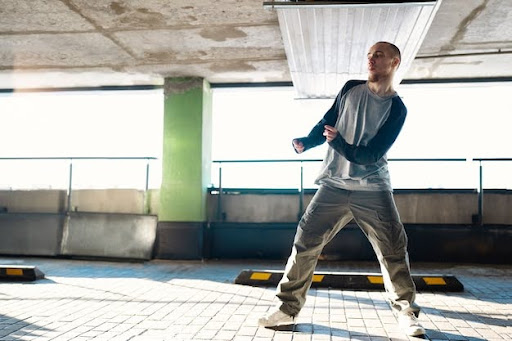
Head isolations focus on moving the head while the rest of the body stays still. You can move the head up, down, side to side, or in smooth circles.
This technique builds neck control and helps create clean, expressive movements that match musical accents.
B. Shoulder Isolations
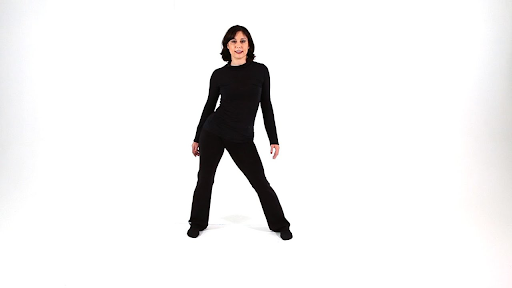
Shoulder isolations train you to lift, drop, roll, or shift one shoulder at a time. This adds sharpness or smooth flow depending on the style. Shoulder control is especially useful in hip-hop, jazz, and contemporary dance.
C. Arm Isolations
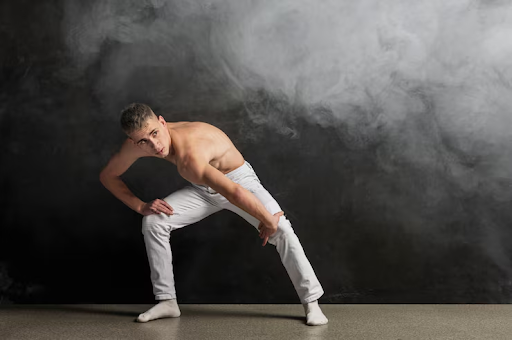
Arm isolations focus on moving the arms independently from the torso. You can practice straight lines, curves, and angles using your elbows, wrists, and hands.
This technique highlights details in choreography and makes gestures look more intentional and precise.
D. Torso Isolations
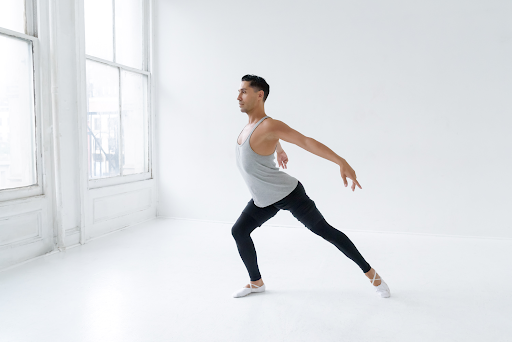
Torso isolations involve controlling the chest and core to create movements like chest pops, body waves, or circular motions. This helps dancers develop strong core control and adds depth and fluidity to their performance.
E. Hip Isolations
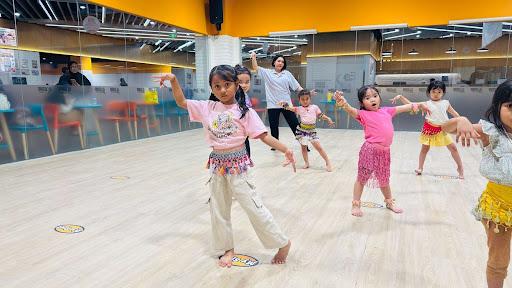
Hip isolations emphasize moving the hips without shifting the upper body. Movements can include side hits, circles, or figure-eight patterns.
These isolations add rhythm, groove, and personality, especially in styles like jazz dance, Latin, and street dance.
F. Leg Isolations
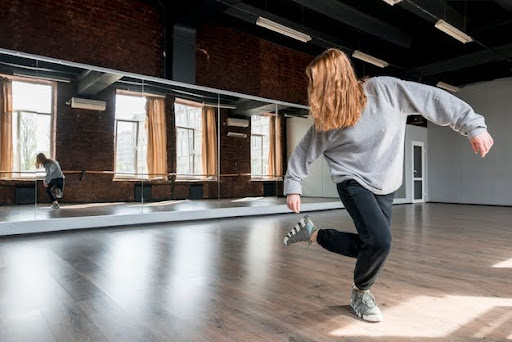
Leg isolations train you to move one leg independently through kicks, extensions, or controlled lifts. This builds balance, strength, and clean lines, making your movements look powerful and visually engaging.
How to Learn and Train Isolation Dance
Learning isolation dance takes patience, awareness, and the right mindset. Before worrying about speed or style, it helps to understand how your body actually moves. Here are some practical tips to help you train isolations the right way.
1. Never Move with Force
One of the biggest mistakes in isolation practice is using too much force. When you push your muscles too hard, they become tense and stiff, which actually limits your range of motion.
Instead of forcing a movement, think about moving gently and smoothly. Imagine your body like a puppet, where one soft string pulls a single body part while the rest stays relaxed. When your body feels loose, isolations become cleaner and more controlled.
2. Discover Your Current Limit First
Every dancer has a different starting point, and that is totally fine. The goal is not to master isolations in one day, but to slowly build them step by step. Start by exploring how far you can move a body part comfortably.
Set small, realistic goals each session and take note of what feels possible. This helps build confidence and creates a strong foundation for improvement.
3. Repeat, or Your Body Will Forget
Once you know what your body can do, repetition becomes key. Practicing the same isolations regularly helps your body remember the movement. Some days will feel better than others, and that is normal.
What really matters is consistency. Short daily practice sessions are much more effective than one long session per week. Over time, isolations should feel natural and automatic, without needing full concentration.
4. Always Use a Mirror or Reflection
Isolation dance is all about control and precision, so you need to see what you are doing. A mirror is the best tool, but a window reflection or phone camera works too.
Practicing without visual feedback can trick you into thinking your isolations look clean when they actually do not. Watching yourself helps correct bad habits early and keeps your technique sharp, even if it feels awkward at first.
Watch Your Dancing Level Up Fast!
Strong isolations make your movements look cleaner, more confident, and more professional, no matter what dance style you love. If you want to level up your dance moves in a fun and supportive environment, the dance class at Rockstar Academy is a great place to start.
As a leading Sports & Performing Arts Academy, Rockstar Academy focuses on building strong fundamentals, confidence, and personal style for dancers of all levels.
You will learn clean techniques, musicality, and performance skills while training with experienced instructors who truly care about your growth. From daily practice to preparing for exciting Dance Recital, Elite Championships and even RockOlympics every class is designed to help you shine on and off the stage.
The best part is that you can try it yourself with a free trial class at the end—no pressure, just pure movement and creativity. Claim your free trial class now!
FAQ
What is isolation in dance?
Isolation in dance means moving one body part at a time while keeping the rest of the body still.
How to do an isolation dance?
Focus on one body part, stay relaxed, move it with control, and practice slowly using a mirror.