How to Help Kids Develop a Growth Mindset Through Simple Changes
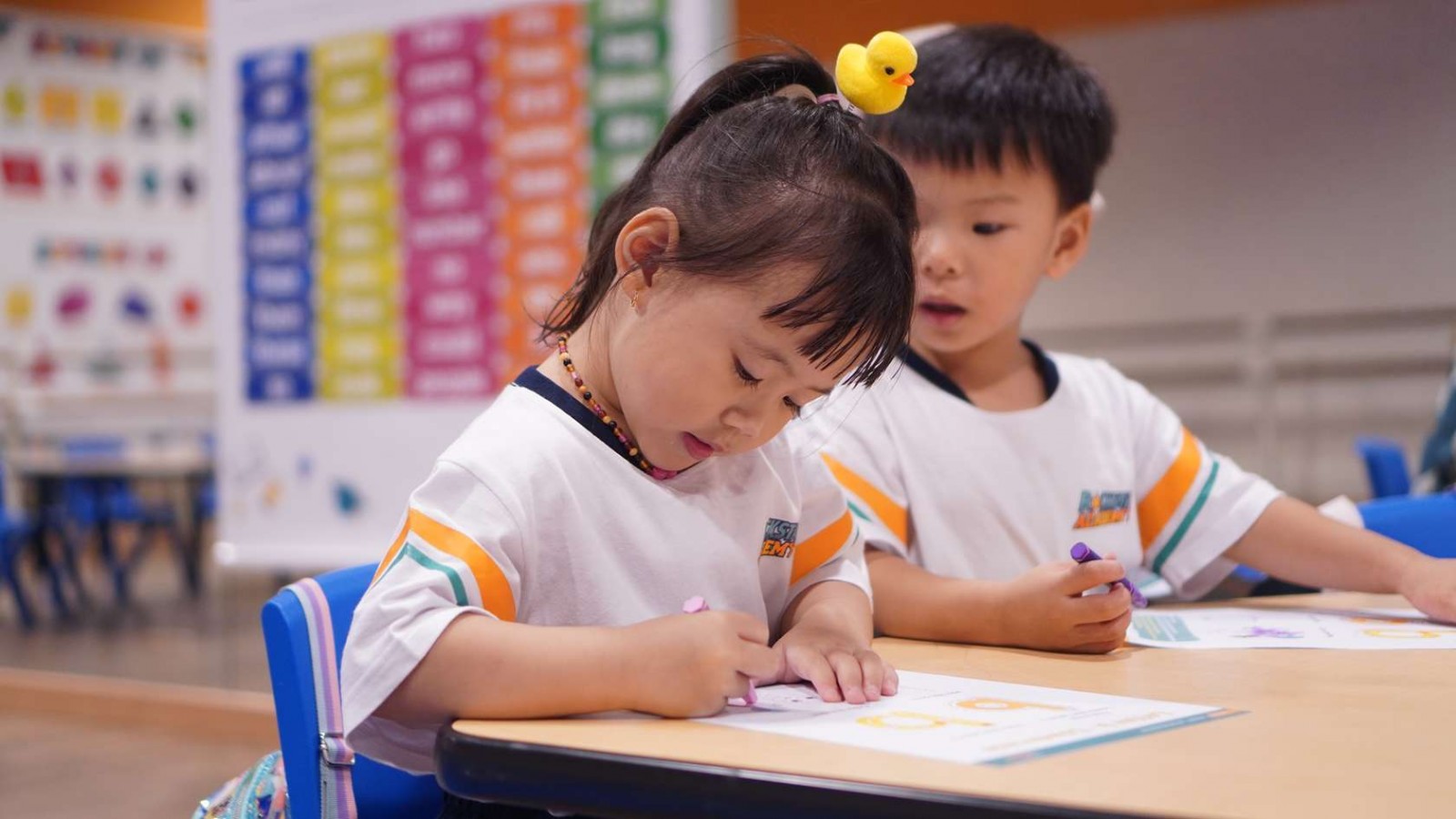
Imagine if your child believed that mistakes were not something to fear, that every “I can’t do this” could turn into “I can’t do this yet.” That’s the magic of a growth mindset.
The good news is, you don’t need fancy tools, expensive classes, or complicated psychology to build it. With a few simple changes in the way we talk, play, and respond to challenges, we can help kids grow into confident learners who love trying, learning, and improving. Let’s discuss how to develop it here!
What Is a Growth Mindset?
A growth mindset is the belief that a child’s cognitive development, abilities, intelligence, and skills are not fixed from birth, but can grow and improve over time. Instead of thinking that they are either “good” or “bad” at something, children with a growth mindset understand that learning is a process.
In everyday life, a growth mindset shows up in the way kids respond to challenges. When something feels difficult, they don’t immediately give up or label themselves as incapable.
The Power of “Yet”
The word “yet” may be small, but it has a powerful impact on how children think about learning. When a child says, “I can’t do this,” it sounds final—like the door is completely closed.
By adding the word yet, the message changes from hopeless to hopeful. “I can’t do this yet” reminds children that learning is still in progress and that improvement is possible with time and effort.
Using “yet” helps kids understand that skills don’t appear instantly. Reading, writing, swimming, drawing, or solving math problems all take practice. When children hear “yet,” they begin to see challenges as temporary instead of permanent.
“Yet” also reduces fear and pressure. Many kids stop trying because they are afraid of being wrong or not good enough. By introducing “yet,” adults send a clear message: it’s okay not to know everything right now.
What matters is continuing to try. This creates a safer emotional space where children feel more comfortable exploring, experimenting, and making mistakes.
Growth Mindset vs Fixed Mindset: Understanding the Difference
The difference between a growth mindset and a fixed mindset lies in how children believe learning and ability work. These beliefs strongly influence how they handle challenges, effort, mistakes, and success.
1. Beliefs About Ability and Intelligence
Children with a fixed mindset believe that intelligence and talent are something you are born with. They think you are either good at something or you are not, and there is very little you can do to change that. Because of this belief, they may label themselves early on, saying things like, “I’m not smart,” or “I’m just bad at sports.”
In contrast, children with a growth mindset believe that abilities can be developed. They understand that learning happens through practice, effort, and time. Instead of labeling themselves, they see skills as something they are still working on. This belief makes them more open to learning and improvement.
2. Response to Challenges
A fixed mindset often causes children to avoid challenges. When something feels difficult, they may stop trying because they believe difficulty means they lack ability. Hard tasks feel threatening, and avoiding them feels safer.
Children with a growth mindset see challenges differently. They understand that difficulty is a normal part of learning. Rather than avoiding challenges, they are more willing to try, even if they struggle at first.
3. Attitude Toward Mistakes and Failure
For children with a fixed mindset, mistakes feel embarrassing and discouraging. Making a mistake can feel like proof that they are “not good enough.” As a result, they may hide mistakes, feel ashamed, or give up quickly.
Children with a growth mindset view mistakes as valuable feedback. They understand that errors help them learn what doesn’t work and guide them toward better strategies.
4. Effort and Hard Work
In a fixed mindset, effort is often seen as a bad sign. Some children think, “If I were really smart, this wouldn’t be hard.” As a result, they may avoid effort to protect their self-image.
A growth mindset teaches children that effort is necessary and meaningful. They learn that hard work is how skills develop. Effort is proof that learning is happening.
5. Reaction to Success and Others’ Achievements
Children with a fixed mindset may feel threatened when others succeed. They might compare themselves constantly and feel jealous or discouraged when someone else does better. Other people’s success can make them feel less capable.
Children with a growth mindset are more likely to feel inspired by others’ success. Instead of feeling threatened, they think, “If they can do it, maybe I can learn too.” They see success as something that can be shared and learned from.
6. Self-Talk and Inner Voice
Fixed mindset self-talk often sounds negative and final, such as:
- “I’m not good at this.”
- “I’ll never understand this.”
- “I always mess up.”
Growth mindset self-talk is more flexible and encouraging:
- “I’m still learning.”
- “This is hard, but I can improve.”
- “I’ll try a different way.”
This inner dialogue plays a big role in how children respond to challenges and setbacks.
7. Long-Term Impact on Learning and Confidence
Over time, a fixed mindset can limit a child’s potential. Avoiding challenges and fearing mistakes may lead to slower progress, lower confidence, and anxiety around learning.
A growth mindset supports long-term success. Children become more resilient, confident, and motivated. They learn how to learn, which is a skill that benefits them not only in school but throughout their lives.
Activities That Encourage a Growth Mindset
Building a growth mindset in children doesn’t happen through reminders or motivation talks alone. The activities below are designed to help children experience growth mindset in action, not just hear about it.
1. Reflection Activities: Learning From the Process

Reflection activities help children focus on the learning journey rather than just the final result. After completing an activity, children are encouraged to think about what they experienced along the way.
By asking questions such as what felt challenging, what helped them improve, or what they might do differently next time, children begin to understand that learning is a process. This shifts their mindset away from self-judgment and toward problem-solving.
2. Problem-Solving and Puzzle Challenges

Problem-solving activities such as puzzles, building games, and strategy challenges naturally encourage persistence. These activities often require children to try multiple approaches before finding a solution.
As children experiment, fail, and adjust their strategies, they learn that mistakes are part of figuring things out. This reinforces the idea that effort and flexibility lead to improvement.
3. Trying-New-Things Activities

Trying something new—whether it’s a sport, an art technique, or a simple life skill—puts children in the role of a beginner. This experience is powerful because it normalizes struggle.
When children learn that no one starts as an expert, they become more comfortable with not being perfect. Trying new activities helps them understand that skills develop with practice and patience.
4. “Mistake-Friendly” Activities

Mistake-friendly activities create safe spaces where children are allowed—and even encouraged—to get things wrong. Activities like rough drafts, practice rounds, and experiments help children see mistakes as part of learning rather than something to avoid.
When mistakes are expected, children take more risks and become more creative. They learn that errors provide useful information and help them improve. This environment reduces anxiety and builds resilience, both of which are essential for a strong growth mindset.
5. Story-Based Learning and Discussions

Stories are a powerful way to teach mindset because children easily connect with characters. When kids read or watch stories where characters struggle, practice, and eventually improve, they see a growth mindset in action.
Discussing these stories helps children recognize that success often comes after effort and persistence. They learn that challenges are a normal part of any journey and that improvement takes time.
6. Journaling and Drawing for Expression

Journaling and drawing allow children to express their thoughts, feelings, and learning experiences in a personal way. Writing or drawing about challenges, mistakes, and progress helps children reflect on their growth.
Through these activities, children become more aware of how they learn and improve. They begin to see patterns in their effort and progress, which strengthens their belief that growth is possible.
Develop a Growth Mindset with Rockstar Academy!
Helping children develop a growth mindset is a journey that starts with small, consistent changes. If you feel you need extra support and are searching for the best early childhood education, Preschool & Kindergarten at Rockstar Academy can be a great place to start.
Only at Rockstar Academy, your child can enjoy a complete learning experience that combines preschool and kindergarten programs with various Sports & Performing Arts Academy activities, exciting events, and competitions designed for different ages, skill levels, and interests—including the opportunity to participate in Elite Championships.
Through a balance of academic learning and physical activity classes, children learn teamwork, resilience, and essential life skills in a fun and supportive environment.
Guided by experienced teachers, your child will grow to be more adaptive, confident, and ready to face new challenges. Even better, Rockstar Academy offers a free trial class so you and your child can experience the learning journey before enrolling!
FAQ
At what age can kids start learning a growth mindset?
As early as preschool! Even toddlers can learn that trying again is part of learning.
Can a child have both a growth and fixed mindset?
Yes. Most kids (and adults!) have a mix. The goal is to strengthen the growth mindset over time.
How long does it take to see changes?
With consistent language and encouragement, small changes can appear in weeks, but mindset development is a long-term journey.