What is the Best Way to Teach Geography to Kids? Fun, Facts, and Field Trips
Have you ever noticed how kids love asking questions like, “Where does rain come from?”, “Why is it hot at the beach?”, or “How far away is grandma’s house?” Well, surprise—those questions are already geography in action!
Geography isn’t just about memorizing maps or capital cities. It’s about understanding the world we live in and how everything is connected. When taught the right way, geography can be one of the most exciting and eye-opening subjects for kids.
In this article, we’ll explore what geography really is, why it’s important for children, and the best, most fun ways to teach geography to kids. Let’s keep reading!
What Is Geography?
Geography is the study of places, people, and the environment. It helps children understand:
- Where things are located
- Why places look different from each other
- How people live in different parts of the world
- How nature (mountains, rivers, oceans, climate) affects our lives
Why Is Teaching Geography to Kids So Important?
Geography is a real-life skill that helps children make sense of the world around them. Here’s why teaching geography to kids truly matters:
1. It Helps Kids Understand the World Around Them
Geography gives children important context about their surroundings. They begin to understand why their city has certain weather patterns, why some areas experience heavy traffic, or why earthquakes often happen in specific regions.
For example, kids may learn that coastal areas are usually more humid, or that cities near fault lines are more prone to earthquakes. Instead of seeing the world as confusing or random, children start to recognize patterns and connections that help everything make sense.
2. It Builds Curiosity and Critical Thinking
When kids learn geography, they naturally start asking “why.” Why do people build cities near rivers? Why are deserts so dry? Why do some countries have more natural resources than others?
These questions encourage children to think deeper, analyze cause and effect, and look for logical explanations. Over time, this curiosity strengthens their critical thinking and problem-solving skills.
3. It Encourages Cultural Awareness and Empathy
Geography introduces children to different cultures, lifestyles, and traditions around the world. They learn that people may dress differently, speak different languages, or eat different foods.
Learning about traditional clothing in different countries or how families live in rural versus urban areas helps kids develop empathy and respect for others. This cultural awareness encourages open-mindedness and kindness, which are essential skills in today’s diverse and connected world.
4. It Supports Other Subjects
Geography connects to many other areas of learning. In science, children explore weather, climate, and ecosystems. In history, they understand how geography influenced migration, trade, and ancient civilizations.
In math, they practice measuring distance, reading scales, and understanding maps. Even language skills improve as kids learn place names and explore stories from different cultures. By studying geography, children strengthen multiple academic skills at the same time.
5. It Prepares Kids for the Future
In a world filled with global travel, international careers, and digital navigation tools, geography is more important than ever. Geographic knowledge helps children navigate new places with confidence, understand global issues like climate change, and follow world news more easily.
How to Teach Geography to Kids: Fun, Easy, and Effective Ways
The best way to teach geography isn’t through memorizing long lists of places, but through experience, play-based learning, and storytelling. When learning feels fun and connected to real life, kids naturally become more interested and engaged. Here are some effective and enjoyable ways to teach geography to children:
1. Start With Their World
Begin geography lessons with places kids already know and see every day, such as their home, school, and neighborhood. Talk about where they live, the places they visit each week, and how they travel there—whether by walking, car, or bus.
For example, you can ask, “How do we get to school?” or “What buildings do we pass on the way to the store?” Once kids understand their immediate surroundings, you can slowly expand the lesson to the city, country, continent, and eventually the world.
2. Use Maps, But Make Them Fun
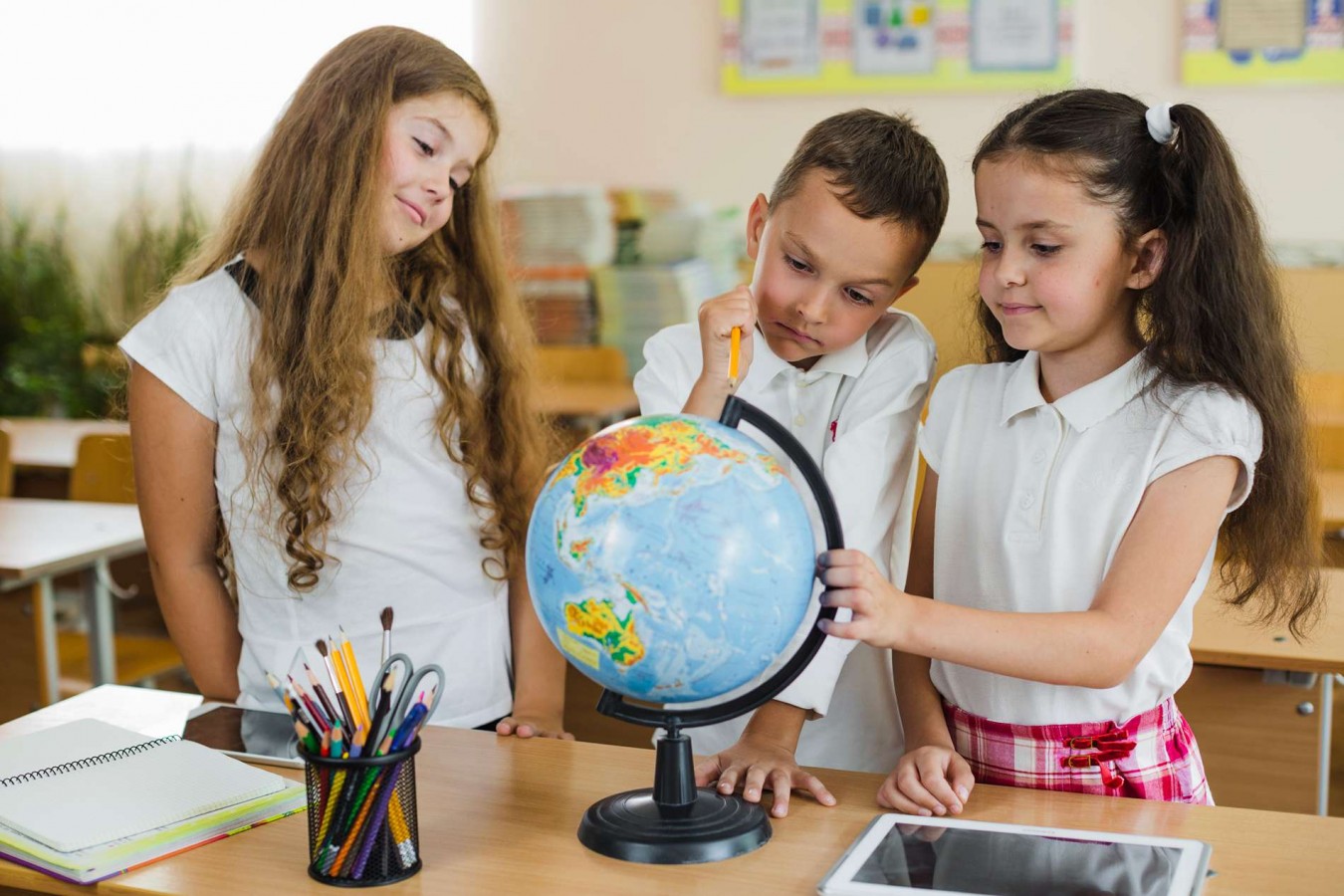
Maps don’t have to be boring or confusing. Turn them into exciting tools for exploration by using puzzle maps of countries or continents, organizing simple treasure hunts using drawn maps, or coloring maps to learn different regions.
You can also use a pin map to mark places kids have visited or dream of going someday. When children are free to explore maps in a playful way, they build confidence and develop a natural curiosity about places.
3. Turn Geography Into a Game
Kids learn best when they’re playing. Turning geography into a game helps reduce pressure and makes learning more enjoyable. You can try matching games for countries and capitals, “guess the place” games using clues, geography-themed board games, or kid-friendly online quizzes and apps.
4. Use Stories, Videos, and Pictures
Children love stories, and geography is full of fascinating ones. Reading books about children from different countries helps kids understand how others live around the world. Watching short videos or documentaries about animals, famous landmarks, or cultural traditions can also spark interest.
5. Explore Culture Through Food, Music, and Art
Exploring culture makes geography more meaningful and exciting. Try cooking simple dishes from different countries, listening to traditional music, or creating art inspired by world cultures.
You can even learn basic greetings in other languages, like saying “hello” in Spanish or Japanese. These activities turn geography into a multi-sensory experience that kids are more likely to remember.
6. Go on Field Trips (Near or Far!)
Field trips make geography come alive. Visiting parks, beaches, rivers, mountains, museums, farms, or local markets helps kids see geography in action. Even a short walk around the neighborhood can become a geography lesson when children observe landforms, buildings, transportation, and human activity.
7. Use Technology Wisely
When used correctly, technology can be a powerful geography learning tool. Interactive maps, virtual globe apps, virtual tours of famous landmarks, and kid-friendly geography games help children visualize the world in exciting ways.
8. Connect Geography to Daily Life
Show kids how geography affects everyday decisions. Explain why people wear different clothes depending on the weather, why certain foods are cheaper in some places, or why some areas are more likely to flood than others. When children see how geography influences daily life, learning feels useful, practical, and meaningful.
9. Encourage Questions (Even the Silly Ones!)
In geography, there are no wrong questions. When a child asks, “Why is the sky blue everywhere?” or “Can people really live in the desert?” use these moments as learning opportunities.
Answering their curiosity helps children feel confident and excited to learn. After all, curiosity is the heart of geography and the key to lifelong learning.
Still Need Help?
If you’re still looking for extra support in teaching geography—or searching for the best early childhood education for your little one—Preschool & Kindergarten at Rockstar Academy is a great place to start.
Only at Rockstar Academy can your child enjoy a balanced learning experience that combines preschool and kindergarten academics with various physical activities, engaging events, and even competitions designed for different ages, skill levels, and interests.
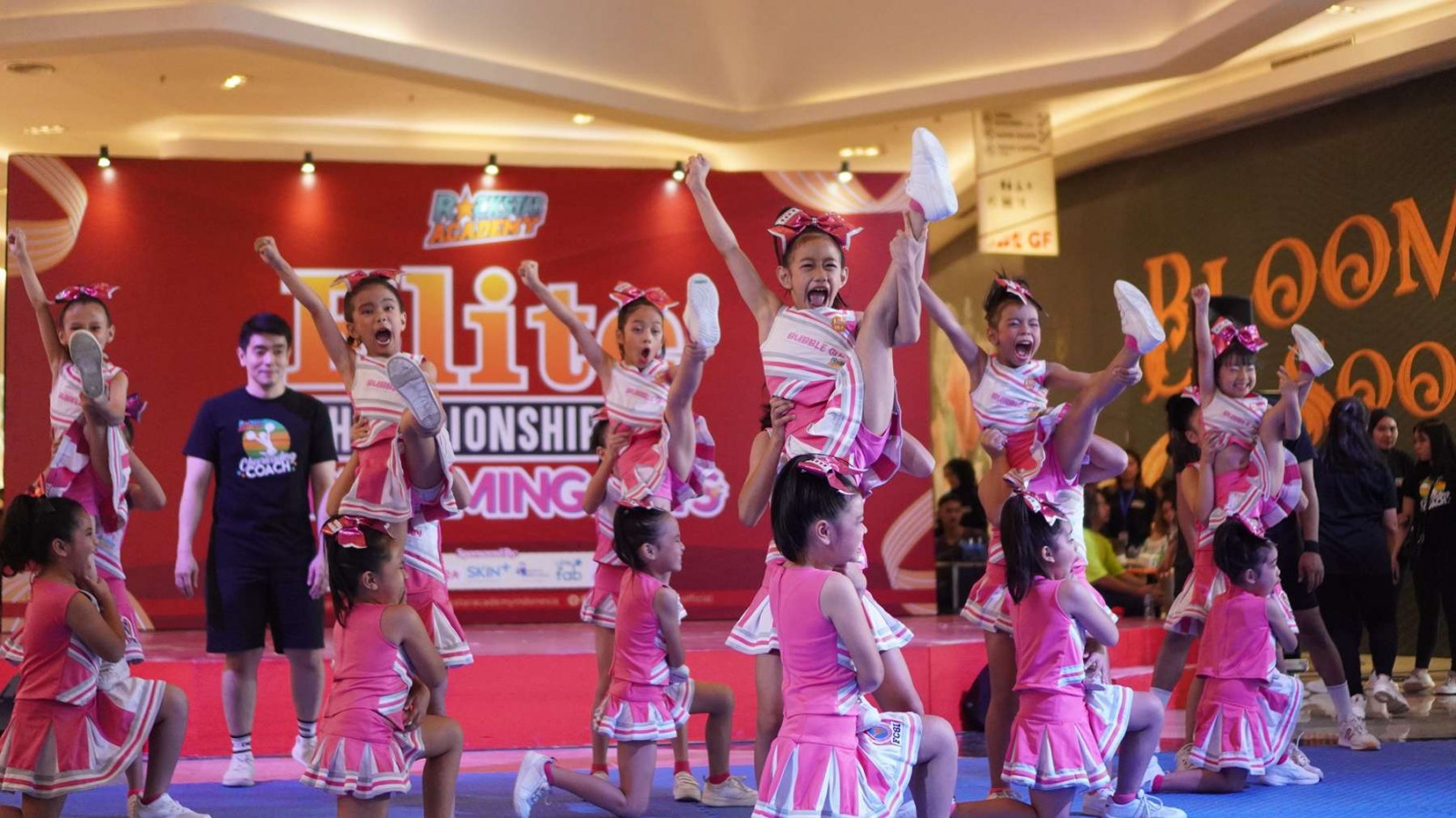
Your children will also have the opportunity to participate in Elite Championships, helping them build confidence and teamwork from an early age. With the right guidance from our experienced teachers, academic lessons and physical activity classes work together to help children become more adaptive, confident, and ready to take on new challenges.
Best of all, Rockstar Academy offers a free trial class, so your child can experience the fun and learning before enrolling!
FAQ
At what age should kids start learning geography?
Kids can start learning basic geography as early as 3–4 years old, beginning with simple concepts like home, school, and nearby places. As they grow, lessons can become more detailed.
Do kids need to memorize maps and capitals?
Memorization isn’t the goal, understanding is. Knowing where places are and why they matter is more important than memorizing long lists.
How can I teach geography at home without textbooks?
Use maps, games, travel stories, cooking, videos, and everyday conversations. Geography is everywhere and you just need to point it out!