Mastering Futsal Rotation: Drills and Techniques to Improve Your Game
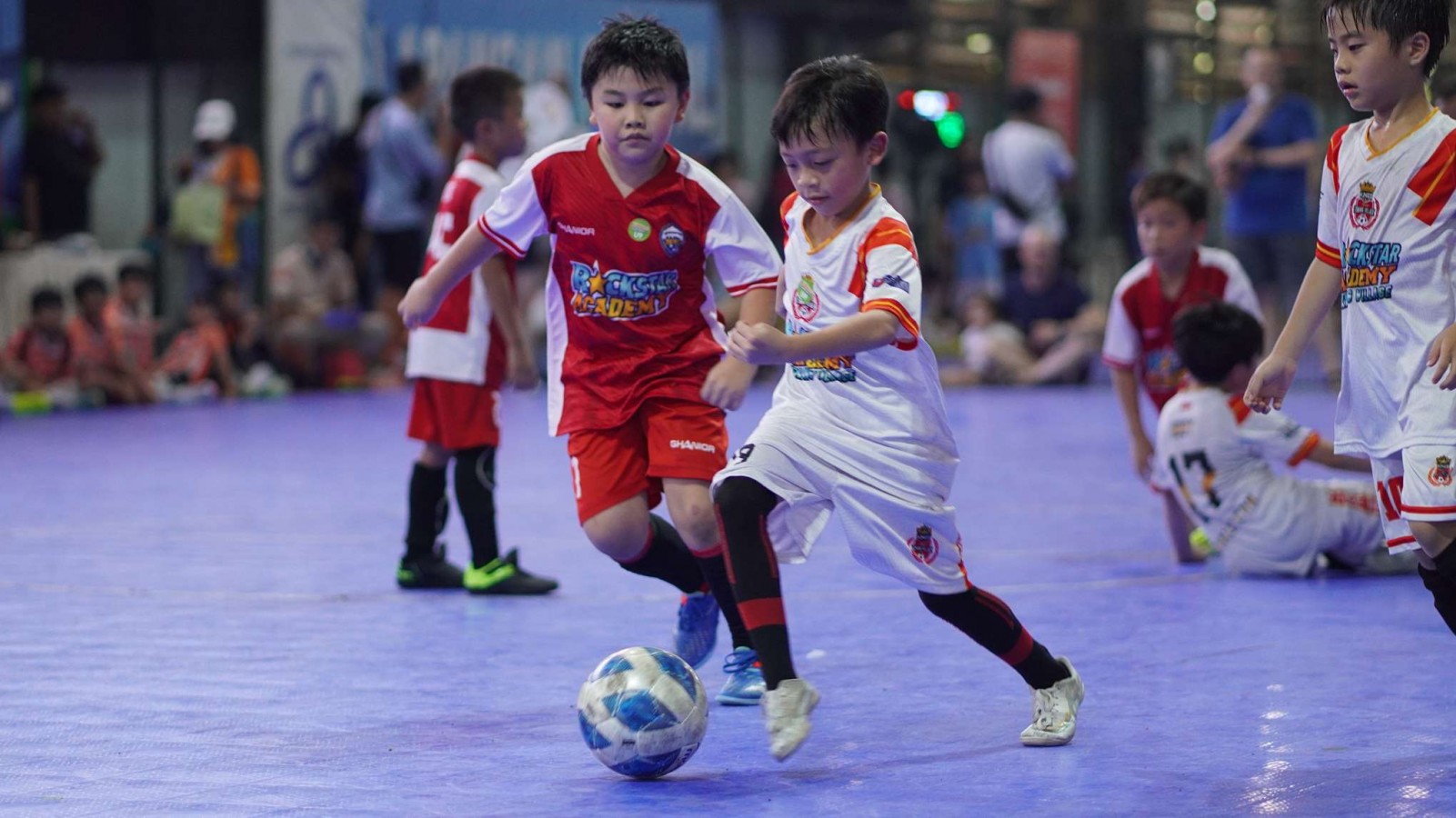
One of the most important and often under-appreciated tactical tools in futsal is futsal rotation. When executed well, rotation can help a team maintain possession, disrupt the opponent’s defense, and create scoring opportunities.
Today, we’ll explore what futsal rotation really means, why players should use it, how to do it effectively, and some practical drills you can use to master it. Let’s check it out!
What Is Futsal Rotation?
Futsal rotation refers to the continuous, planned movement and swapping of player positions while the team is in possession of the ball. Rather than staying fixed in traditional roles, players rotate in order to create space, confuse defenders, and maintain fluid ball circulation.
This tactic is especially useful in tight futsal courts, where static positioning makes it easier for the defense to lock down key areas.
Why Futsal Players Need to Rotate
Rotation isn’t just about looking impressive, it brings several concrete benefits to your game and is included in the futsal formation. Here’s why you need to do this trick:
1. Technical and Tactical Growth
Rotation develops essential habits like pass-and-move, quick changes of direction, and perfect timing. It helps players learn how to support teammates and maintain fluidity.
2. Creating and Exploiting Space
When players rotate, defenders are forced to adjust. This disrupts their shape, creates confusion, and opens new attacking lanes.
3. Ball Circulation Under Pressure
Futsal is often tight and intense, with constant pressure. Rotations help teams maintain possession even under stress, because players learn to recycle runs, communicate, and reposition themselves quickly.
4. Improved 1v1 and Combination Play
Rotations generate many 1v1 opportunities and combinations because players are regularly shifting and re-positioning. Over time, this builds creativity and tactical intelligence.
5. Mental and Physical Development
The constant movement demands good communication, game reading, and awareness. Plus, dynamic rotation training has been shown to improve overall futsal performance, including speed, agility, and technical ability.
6. Efficiency in High-Intensity Games
Rotating allows for better physical load distribution. Studies on professional futsal show that frequent rotations can affect high-intensity activities, helping manage energy and maintain performance.
What to Do When Rotating: Key Principles
Executing rotation in futsal isn’t just about running around, it requires smart movement, timing, and decision-making. Here are some key things to do:
1. Pass and Move
After passing, quickly move into a different position or lane. Don’t stay static. Effective rotation demands constant motion to keep the defense guessing.
2. Change Direction
Use directional changes in your runs. The small futsal court means defenses are well organized, so unpredictable movement helps create space.
3. Recycle Runs
If a penetrating pass isn’t available, don’t stop moving. Use “recycle runs” to show yourself as an option again.
4. Keep Possession Under Pressure
Be comfortable receiving the ball even when defenders are tight. Use spins, dribbles, or quick touches to maintain control.
5. 1v1 Proficiency
Rotations often force individual battles. Work on your one-on-one skills because they will come up frequently.
6. Creative Combinations
Use rotations to build combinations, give-and-gos, overlaps, and unexpected positional swaps.
7. Communication
Talk and signal with teammates constantly. Effective rotation requires good coordination so players don’t collide or run into the same space.
8. Reading the Game
Stay aware of where teammates and opponents are. Make decisions based on timing, angles, and space, don’t just rotate for the sake of rotating.
9. Body Positioning & First Touch
As you rotate, position your body properly for the next move. Use your first touch intentionally to open up play or protect the ball.
Futsal Rotation Drills to Improve Your Game
Here are some practical drills you can incorporate into training to improve your rotation skills, based on proven methods and resources.
1. 4v4 Rotating & Ball Circulation
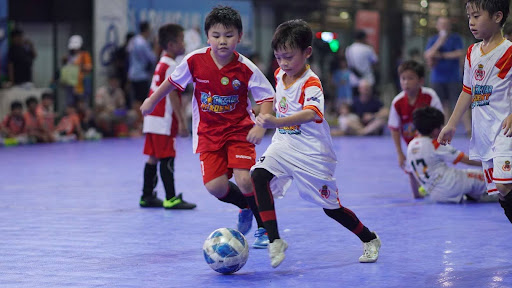
This drill simulates real-game rotation and ball movement using a setup of four cones and four players. It involves rotating between defensive and offensive roles by passing and switching positions, including transitions from defense to attack and vice versa.
When the goalkeeper is added, players practice full rotation patterns that move the ball through defensive and attacking lines.
2. 3-1 “Figure-Eight” Rotation
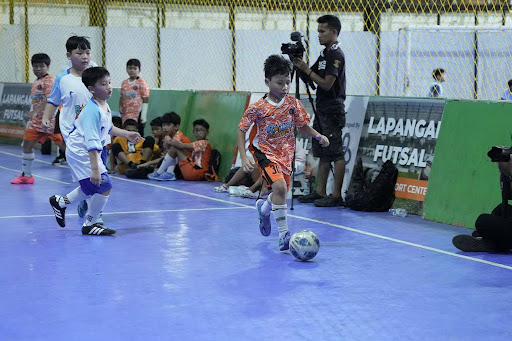
This drill uses a 3-1 formation, where three players rotate in the back while one acts as the pivot. The back players move in a figure-eight pattern, continuously switching positions to create passing lanes and disrupt the defense.
The focus is on building strong two-player connections on the wings and maintaining fluid ball circulation.
3. Dynamic Rotation Training for Performance
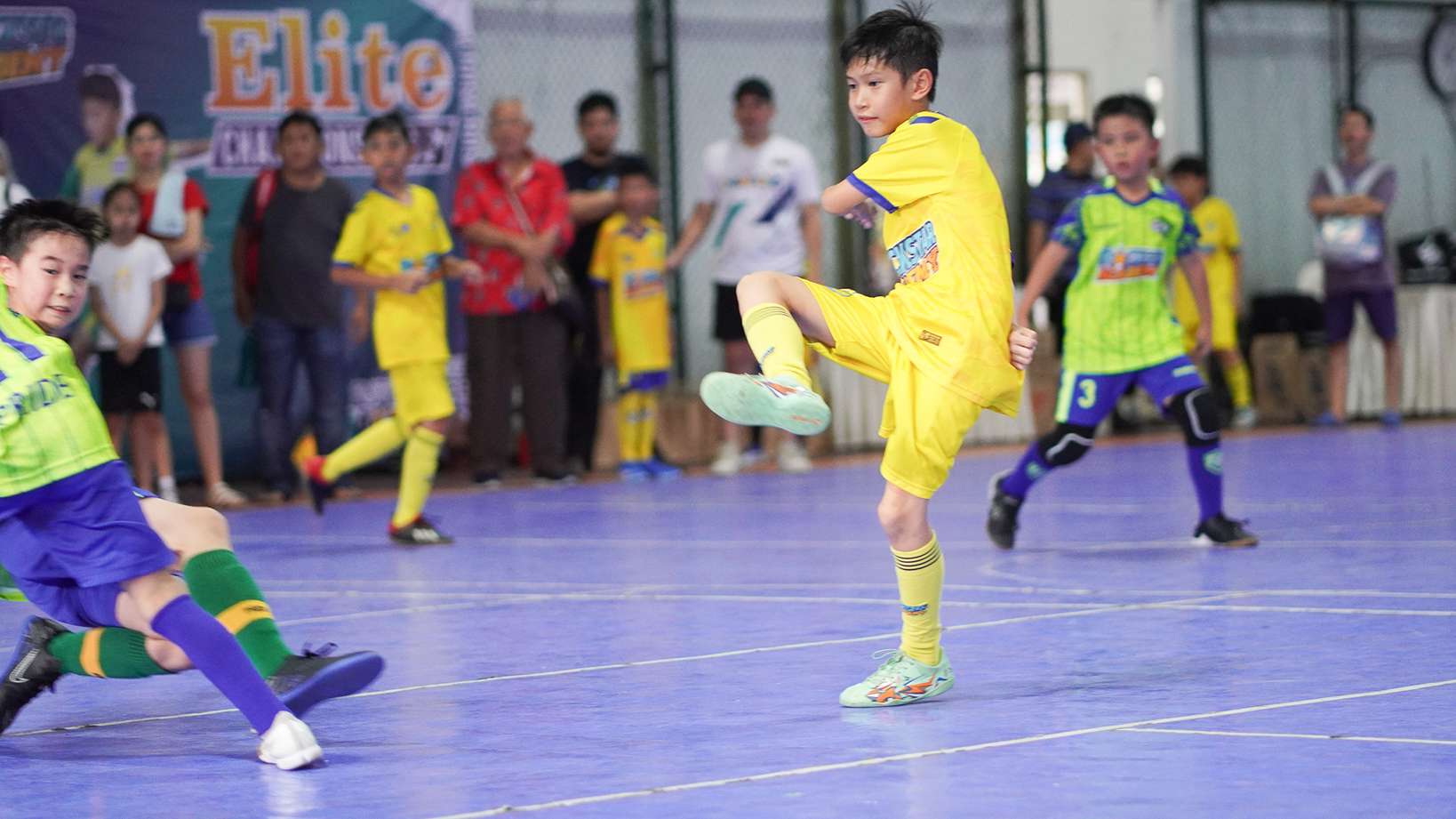
This drill is based on research showing that rotation-focused training can boost overall futsal performance. Using small-sided or scenario-based setups, players rotate continuously and swap positions, demanding quick passes, active movement, and fast decision-making.
The goal is to enhance both tactical understanding and physical qualities like speed, agility, and stability under pressure.
Futsal Rotation Will Improve Your Game!
Mastering futsal rotation isn’t just about executing smooth movement patterns, it’s about building awareness, teamwork, and adaptability that elevate your entire game.
At Rockstar Academy, a leading Sports & Performing Arts Academy in Indonesia, athletes of all ages learn these essential skills through structured, engaging, and professional coaching.
With a futsal program designed to develop both physical ability and character, Rockstar Academy offers a dynamic environment where players can grow with confidence.
We also give students more than just great training—it also opens the door to exciting competitions like the Elite Championships and RockOlympics. These events help young athletes aim higher, stay active, and build strong discipline, all while learning true sportsmanship and how to handle both winning and losing with confidence.
For those who want to take their skills even further, we also offer the Futsal Dream Team—a high-intensity, 120-minute training program for boys and girls, led by our most experienced instructors in professional fields. It’s the perfect place for motivated players to grow, compete, and develop into future champions in the best way possible.
You can even experience it firsthand by joining a free trial class, available for all programs, including the futsal class. Rockstar Academy is proudly spread across Jabodetabek area in Indonesia, making it easy for families to find the perfect training location near them. Enroll your children today!
FAQ
Do I need a specific formation to use futsal rotations?
No, but some formations favor rotation more than others. Formations like 3-1 or 4-0 allow for fluid movement and maximal use of rotation.
Isn’t rotation just confusing and over-complicated?
Not when coached well. While it’s mentally demanding at first, rotation helps players read the game, communicate better, and maintain possession under pressure.
How long does it take to see benefits from rotation training?
It varies, but in formal research, teams using dynamic rotation training saw measurable performance gains in technique and physical metrics over a training cycle.