Stroke Rate Swimming: Simple Drills to Increase Your Cadence and Lower Your Times
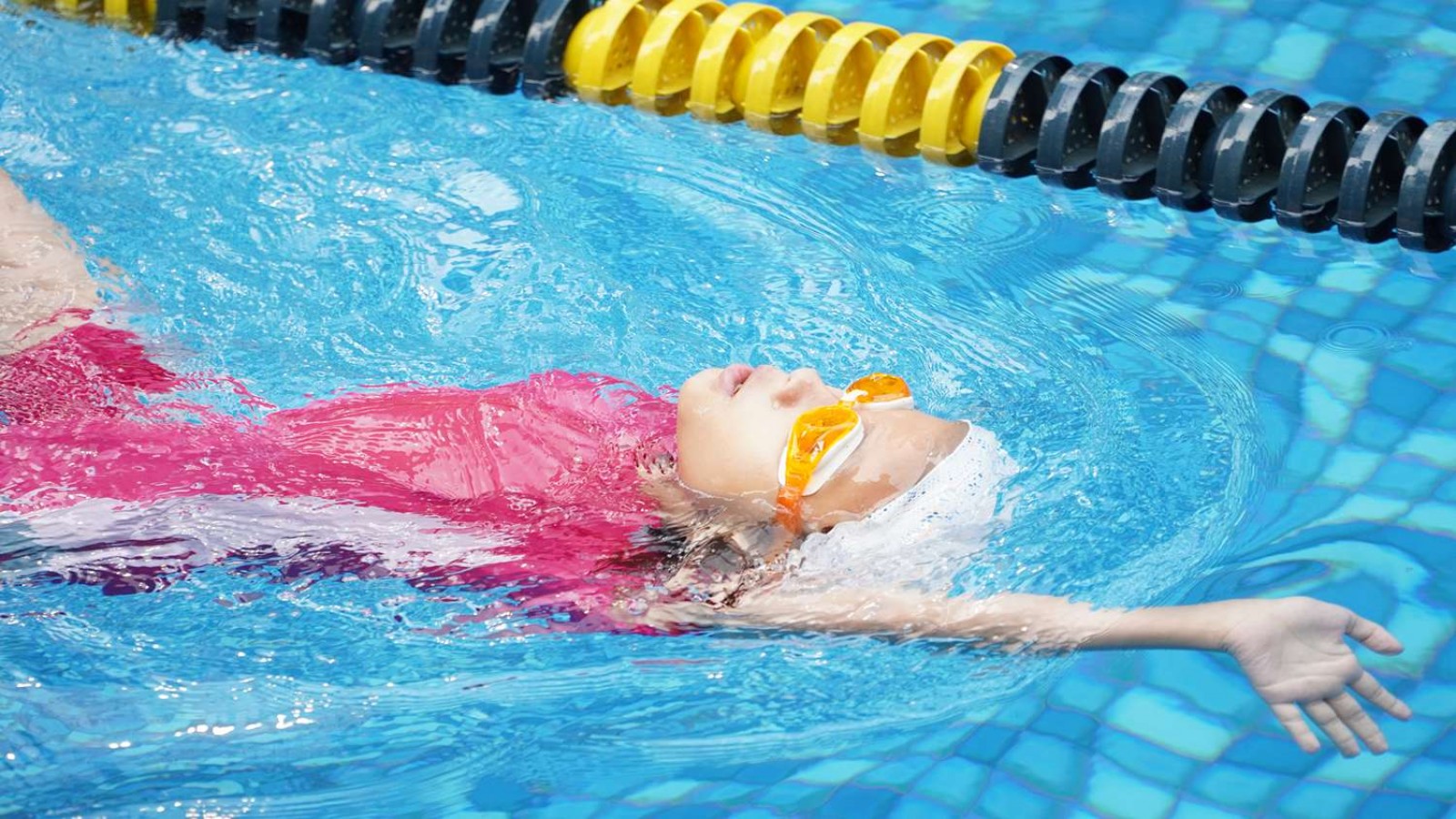
Speed in swimming isn’t just about strength or big strokes, but about how quickly and efficiently you can repeat those strokes which we usually call stroke rate. So if you’re ready to unlock smoother, faster, and more consistent swims, stroke rate is the key you’ve been looking for!
This article will walk you through what stroke rate is, why it matters, the difference between hip-driven and shoulder-driven techniques, and easy drills you can practice on. Let’s dive in!
What Exactly Is Stroke Rate?
Stroke rate is simply how many strokes you take in a given amount of time, usually measured in strokes per minute (SPM). Think of it like your swimming version of a runner’s cadence.
If you’re new to swimming technique, stroke rate helps answer two important performance questions:
- How fast are your arms moving?
- How quickly can you repeat your stroke cycle without losing efficiency?
A higher stroke rate doesn’t always mean you’re sprinting. It might mean you’re using your arms in a more rhythmic and controlled way to maintain good momentum in the water. Great swimmers find the sweet spot where power and cadence work together.
Understanding Strokes Per Minute (SPM)
To measure SPM, coaches often use a tempo trainer. But you can also track stroke rate manually with a stopwatch.
Here’s a simple way to calculate it:
- Swim freestyle normally.
- Pick one arm (say, your right arm).
- Time how long it takes for that arm to complete 10 strokes.
Plug it into the formula:
SPM = (60 ÷ time per cycle) × number of strokes
For example:
If it takes you 12 seconds to complete 10 strokes:
SPM = (60 ÷ 12) × 10 = 50 SPM
Hip-Driven vs. Shoulder-Driven: Two Types of Stroke Rhythm
Before you work on improving stroke rate, you need to know your natural stroke rhythm. Swimming styles fall into two big categories:
A. Hip-Driven Freestyle
Hip-driven freestyle is the classic long-distance swimming style known for its long, powerful strokes and strong body rotation. In this technique, the hips lead the movement, creating a smooth rolling motion through the water.
Because each stroke is extended and includes a longer glide phase, the cadence naturally becomes slower, resulting in a lower stroke rate. This style is especially effective for longer distances such as 400m, 800m, and 1500m, where efficiency and energy conservation matter more than rapid turnover.
B. Shoulder-Driven Freestyle
Shoulder-driven freestyle is the go-to style for swimmers who need speed and rapid turnover, making it especially common in sprint events. Unlike the long glide of hip-driven freestyle, this technique relies on quick, sharp strokes powered primarily by the shoulders.
The arms move almost continuously, with very little pause or glide, creating a windmill-like motion that keeps constant propulsion in the water. Because the shoulders initiate the movement and the strokes are shorter, the stroke rate becomes naturally higher, resulting in swimming faster.
How to Improve Stroke Rate Without Losing Technique
Increasing stroke rate is about training your body to move with better rhythm and stronger propulsion. Here are simple steps and drills to help you do that:
1. Use a Tempo Trainer (Beep Drill)
.png)
A tempo trainer works like a swimming metronome, helping you match your strokes to a steady beat. You set the device to beep at regular intervals, then take a stroke at each beep to build rhythmic consistency.
By slowly decreasing the interval by 0.02–0.05 seconds per week, you can safely increase your cadence without rushing your technique. The tempo trainer makes improvements easy to track and helps you maintain longer strokes even as your arm speed increases.
2. Finger-Tip Drag Drill
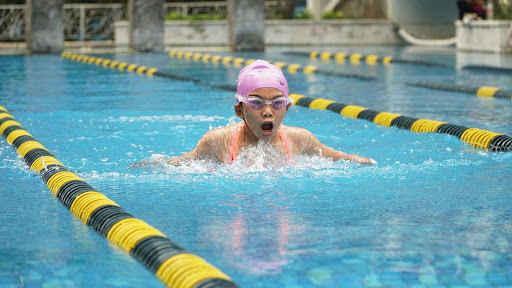
The fingertip drag drill is excellent for improving smooth arm recovery and promoting a relaxed but efficient stroke. During this drill, you lightly drag your fingertips across the water surface as your arm recovers, keeping your elbow high and your shoulders relaxed.
This encourages quicker arm movement and helps eliminate tension. Over time, it teaches your arms to recover faster while still feeling fluid, which naturally improves your stroke rate.
3. Short Sprints With High Cadence
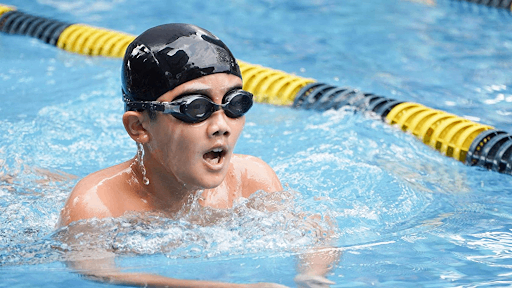
Short sprints are one of the most effective ways to train speed and turnover. By swimming fast 25-meter efforts while focusing on quick arm rotation and strong pulls, you teach your body how to move rapidly and efficiently.
Aim for controlled intensity rather than chaotic splashing. A great workout is 8×25 meters with 20–30 seconds rest. These bursts of speed help improve neuromuscular coordination, making fast cadence feel more natural.
4. Single-Arm Freestyle Drills
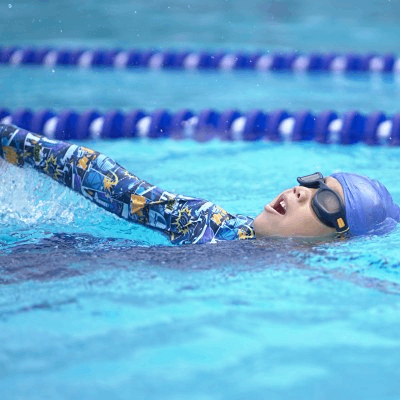
Single-arm drills help you understand your stroke rhythm on a deeper level. With one arm extended in front and the other pulling, you can focus on timing, balance, and catch efficiency. After swimming 25 meters with one arm, switch sides.
This drill strengthens your catch phase, improves coordination, and helps you sharpen each arm’s technique independently, which ultimately contributes to a more efficient overall cadence.
Discover Your Child’s Potential at Rockstar Academy
Improving stroke rate is one of the smartest ways to transform your swimming performance. And if you want your children to experience these benefits and grow into more confident, capable swimmers, enrolling them in the Swimming Program at Rockstar Academy is the perfect next step.
As the best Sports & Performing Arts Academy, Rockstar Academy offers a wide range of physical activity programs supported by a strong curriculum that allows students to participate in RockOlympics—an incredible learning experience where children discover their true potential.
For even more personalized progress, Rockstar Academy also provides Private Instruction, a fully customized, skills-based training program that delivers tailored coaching, ongoing feedback, progress videos, and weekly at-home exercises to help students grow faster and stronger.
Give your children the chance to shine in and out of the pool—and don’t forget, Rockstar Academy offers a FREE trial class, so you can experience excellence firsthand before diving in!
FAQ
What is a good stroke rate for swimming?
A good stroke rate depends on your skill level, body type, and race distance, but generally falls between 50–70 SPM for recreational swimmers, 70–100 SPM for competitive swimmers, and 110–130 SPM for elite sprinters.
How to increase stroke rate in swimming?
To increase stroke rate, focus on building faster and smoother arm turnover without losing efficiency. Use tools like a tempo trainer to guide your cadence, practice quick-recovery drills such as fingertip drag drills and incorporate short sprints.