CrossFit Endurance Workouts: Maximizing Stamina and Longevity in Your Training

CrossFit is well known for its intensity, variety, and ability to push both physical and mental limits. At Rockstar Academy, our CrossFit-based program is called RockFit. Inspired by the intensity and variety of CrossFit, RockFit is designed to push both physical and mental limits in a safe, structured, and motivating environment.
A great crossfit workout doesn’t just test how heavy you can lift or how fast you can move, it also challenges how long you can sustain effort under fatigue.
That’s why endurance and conditioning are a core focus of it to help participants build strength, stamina, resilience, and confidence that carry over into everyday life and sports performance.
Whether you are a beginner aiming to finish workouts without feeling completely drained or an experienced athlete, building endurance is essential for long-term progress and performance. Let’s check it out!
What Is CrossFit Conditioning?
CrossFit conditioning refers to training designed to improve your body’s ability to perform work over time. In simple terms, it’s about how long and how well you can keep moving, even when your muscles are tired and your heart rate is high.
Conditioning in CrossFit usually focuses on:
- Cardiovascular endurance (heart and lungs)
- Muscular endurance (muscles working repeatedly)
- Work capacity (how much work you can do in a given time)
Unlike traditional cardio such as long-distance running or cycling, CrossFit conditioning blends strength movements with aerobic effort. For example, a workout might combine rowing, burpees, and box jumps.
This combination trains the body to handle real-world physical demands, not just isolated fitness components.
Why Endurance Matters in CrossFit
Many athletes think CrossFit is only about lifting heavy weights or doing short, intense workouts. While strength and power are important, endurance is what allows you to maintain good performance throughout an entire workout, not just the first few minutes. Here’s why endurance is so important:
1. Better Workout Performance
With strong endurance, you can keep moving at a steady pace without constantly stopping to catch your breath. This means smoother transitions, more consistent reps, and a stronger finish instead of fading halfway through the workout.
2. Faster Recovery
Endurance training improves how efficiently your heart and lungs deliver oxygen to your muscles. As a result, you recover faster between sets and exercises.
3. Reduced Injury Risk
Fatigue is one of the biggest causes of poor technique. When you’re tired, your form can break down, increasing the risk of injury. Better endurance allows you to stay focused and maintain proper movement even when workouts get tough.
4. Longevity in Training
Endurance helps you train smarter and longer. Athletes with balanced conditioning can handle higher training volumes without burning out, allowing them to show up consistently week after week.
Benefits of CrossFit Conditioning
CrossFit conditioning offers benefits that go far beyond improved stamina. Here are several benefits you will gain from CrossFit conditioning:
1. Improved Cardiovascular Health
Conditioning workouts gently raise the heart rate through fun, varied movements such as running, jumping, rowing, or bodyweight circuits. For children and teens, this strengthens the heart and improves blood circulation without overloading the body.
Over time, better cardiovascular health means more energy, improved focus in school, and reduced fatigue during daily activities.
2. Increased Mental Toughness
CrossFit conditioning teaches kids and teens how to push through challenges in a safe and supportive environment. Learning to manage fatigue, stay focused, and keep moving builds mental resilience and self-belief.
3. Enhanced Athletic Performance
Conditioning improves essential athletic skills such as speed, agility, balance, coordination, and endurance. These are fundamental movement abilities that help children and teens perform better in almost any sport.
4. Efficient Use of Time
Most CrossFit conditioning workouts are short, engaging, and varied—usually lasting 10–20 minutes. This keeps children and teens interested without overwhelming them physically or mentally.
CrossFit Conditioning Training to Build Endurance
Building endurance doesn’t mean doing random cardio every day. Effective CrossFit conditioning requires structure and balance. Here’s a full guide you can follow to build endurance:
1. Build a Strong Aerobic Base

Low-to-moderate intensity workouts help develop aerobic capacity. Activities like rowing, biking, running, or long AMRAP (As Many Round As Possible) at a steady pace are great options.
Example:
- 20-minute AMRAP
- 200m run
- 15 air squats
- 10 push-ups
The goal is steady movement, not maximum speed.
2. Mix Strength and Cardio Movements

Endurance in CrossFit means sustaining effort while lifting or moving external loads.
Example:
- 4 rounds for time
- 500m row
- 15 kettlebell swings
- 10 front squats
This combination builds muscular and cardiovascular endurance together.
3. Focus on Pacing and Breathing

One common mistake is starting too fast. Learning how to pace yourself is critical for endurance workouts.
Tips:
- Break reps early instead of hitting failure
- Control your breathing
- Maintain consistent movement instead of sprinting
4. Progress Gradually

Endurance improves over time. Remember to increase workout duration, volume, or intensity slowly to avoid burnout or injury.
For example:
- Week 1: 10-minute conditioning workout
- Week 3: 15-minute workout
- Week 6: 20-minute workout
5. Include Recovery and Mobility
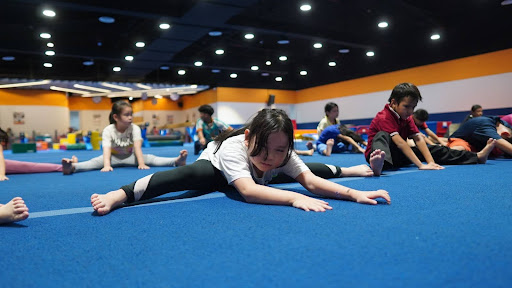
Endurance training pushes the body to work harder and longer, placing stress on muscles, joints, and the nervous system. While this stress is necessary for improvement, real progress happens during recovery, not just during training.
That’s why recovery, mobility work, and proper sleep are critical for long-term success and longevity.
Build Your Endurance With This Workout!
CrossFit endurance workouts are not just about surviving tough sessions, they are about building stamina, resilience, and longevity in your training. By understanding CrossFit conditioning, you can improve performance, recover faster, and enjoy training for years to come.
As a leading Sports & Performing Arts Academy, Rockstar Academy is committed to helping kids and teens grow stronger, more confident, and more disciplined both physically and mentally.
From programs like RockFit to performing arts such as dance, gymnastics, and cheerleading, Rockstar Academy offers structured training led by professional coaches in a safe and supportive environment.
To help families find the right program, Rockstar Academy also offers a free trial for all classes, including its CrossFit class, so students can experience the training style firsthand before committing.
With a growing presence across multiple locations in Indonesia, Rockstar Academy continues to make quality sports and performing arts education accessible to more communities, inspiring the next generation to stay active, expressive, and resilient. Sign up now!
FAQ
What is the difference between conditioning and cardio in CrossFit?
Cardio usually focuses on steady aerobic activity, while conditioning combines cardio with strength movements to improve overall work capacity.
How often should I do CrossFit conditioning workouts?
Most athletes benefit from conditioning 3–5 times per week, depending on training volume and recovery.
Can beginners do endurance-based CrossFit workouts?
Yes. Beginners should start with shorter durations, lighter loads, and slower pacing, gradually increasing intensity over time.
Does endurance training reduce strength gains?
When balanced properly, endurance training supports strength by improving recovery and work capacity. Overdoing cardio without strength work may impact strength, but CrossFit’s mixed approach avoids this issue.
How long does it take to see endurance improvements?
Most athletes notice better breathing, pacing, and recovery within 4–6 weeks of consistent conditioning training.