Effective Training to Increase Your Vertical Jump for Basketball
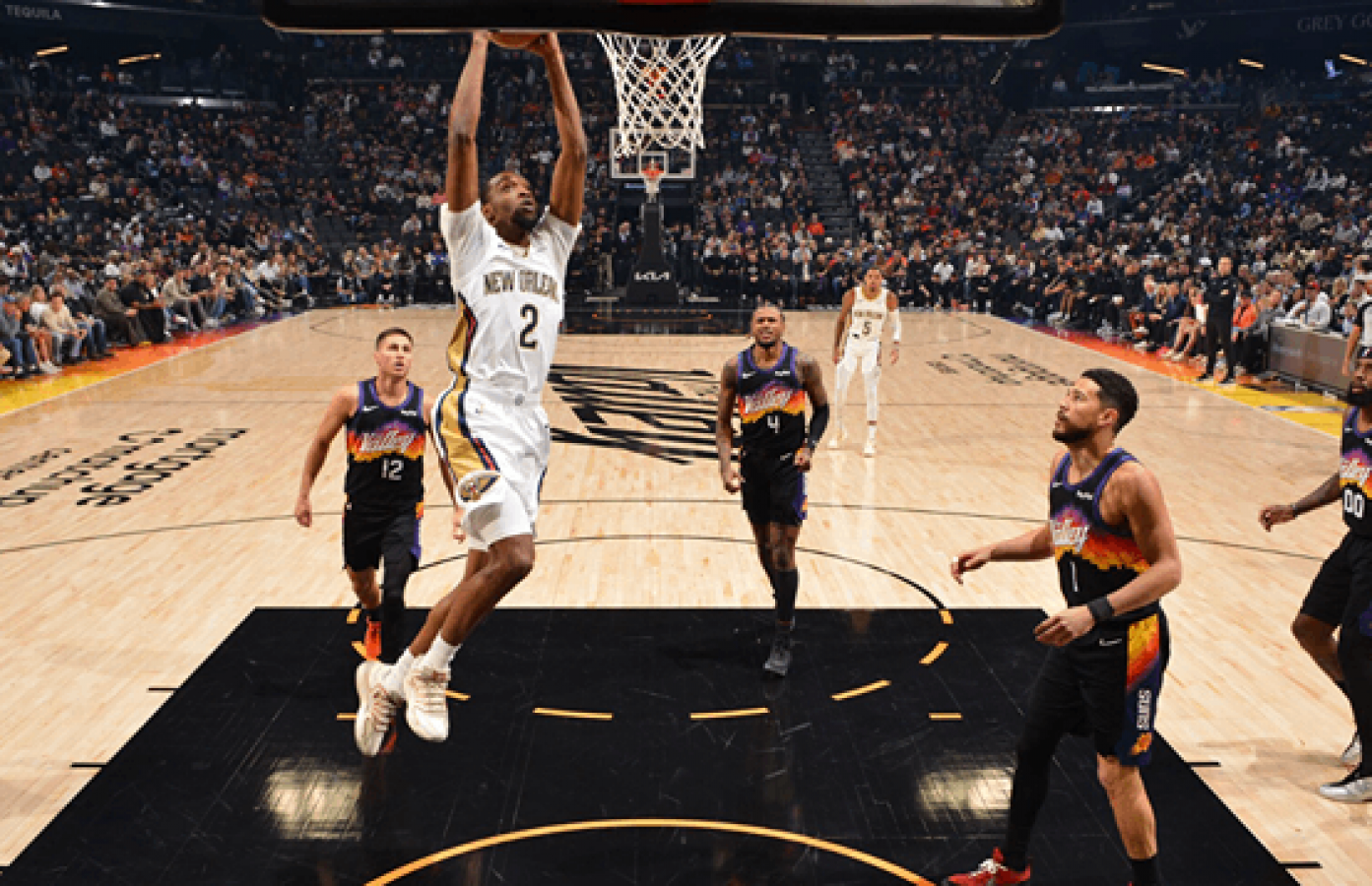
Vertical jump ability is an important skill in basketball, helping players perform actions like rebounding, blocking shots, and even attempting to dunk a basketball. While it gives athletes a clear advantage on the court, improving vertical height requires more than repeated jumping.
It involves developing strength, power, coordination, and agility through proper training. This guide explains the mechanics of jumping and introduces effective strength, plyometric, and agility exercises to help players increase vertical jump for basketball.
Understanding the Mechanics of a Vertical Jump
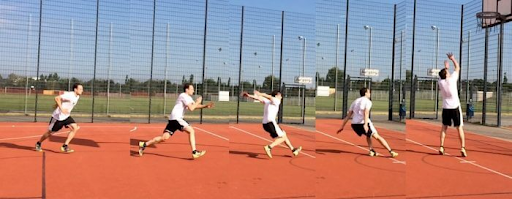
Before starting jump training, it is important to understand how a vertical jump works. Jumping is a complex movement that involves several muscles and joints working together to produce force.
The main muscles involved in jumping include:
- Quadriceps (front of the thighs)
- Glutes (hips and buttocks)
- Hamstrings
- Calf muscles
- Core muscles
These muscle groups generate force that propels the body upward. According to sports training principles, an effective vertical jump relies on three key phases:
1. The Loading Phase
The jump begins when the athlete bends their knees and hips. This movement stores energy in the muscles and tendons, similar to compressing a spring. A deeper but controlled bend can increase the amount of stored energy.
2. The Explosive Extension
Next, the athlete rapidly extends the hips, knees, and ankles. This triple-extension movement generates the force needed to leave the ground. Strong legs and powerful hip extension play a major role in maximizing jump height.
3. The Flight and Landing Phase
After takeoff, the body rises into the air before landing. Proper landing mechanics are essential to prevent injuries and prepare for the next movement.
Why Vertical Jump Matters in Basketball
The main weapon in basketball is the vertical jump because it affects many aspects of the game. Here are the reasons why:
1. Rebounding

Rebounding is all about timing and height—and vertical jump gives you both. The higher you can jump, the better your chances of grabbing the ball before anyone else.
Imagine two players going for the same rebound. Even if they’re the same height, the one with the better vertical will reach the ball first. This is especially important in tight games where every possession counts.
For example, great rebounders often don’t just rely on positioning. They actually explode upward quickly, snatching the ball at its highest point before it even has a chance to drop lower.
2. Shot Blocking
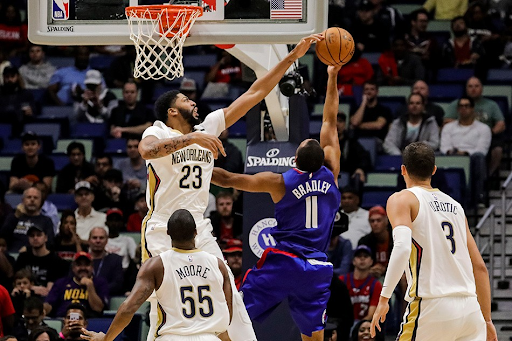
A strong vertical jump turns you into a serious defensive threat. It allows you to challenge shots that other players simply can’t reach.
Picture a player driving to the basket for an easy layup. Without a good vertical, a defender might just watch it go in. But with explosive jumping ability, you can rise up and block or alter the shot—even at the last second.
Even when you don’t get the block, your presence in the air can force opponents to rush or change their shot, lowering their chances of scoring.
3. Finishing at the Rim
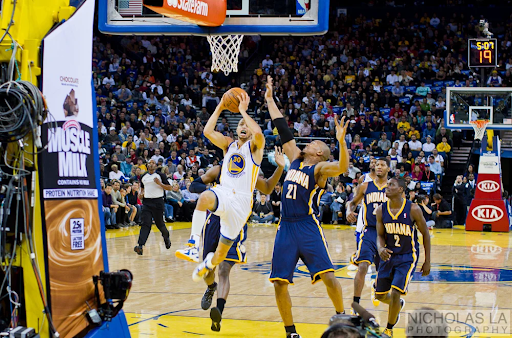
On offense, vertical jump helps you score more effectively—especially in crowded situations near the basket.
When you can jump higher, you create more space between you and the defender. This makes it easier to:
- Shoot over taller players
- Avoid blocks
- Finish strong through contact
For example, instead of getting your layup blocked, a higher jump lets you release the ball above the defender’s reach. It also gives you more control in the air, so you can adjust your shot if needed.
4. Dunking
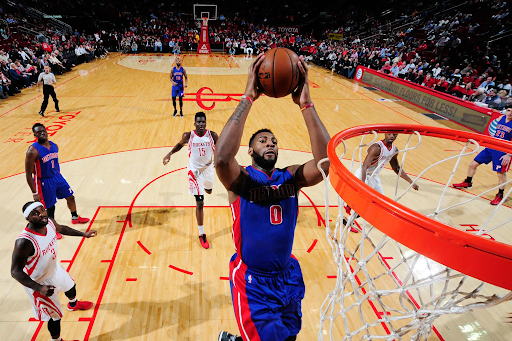
Let’s be honest—dunking is one of the most exciting skills in basketball. But it’s not just for show, but actually a sign of explosive power and athletic ability.
To dunk, you need a combination of:
- Strong leg power
- Proper jumping technique
- Good timing and coordination
For many players, being able to dunk is a major milestone. It boosts confidence, energizes the team, and can completely shift the momentum of a game. Plus, it makes you a more dangerous offensive player since defenders have to respect your ability to finish above the rim.
Strength Training for Higher Jumps
Strength is the foundation of explosive jumping. When the leg muscles become stronger, they can generate more force during takeoff. Here are several effective strength exercises for increase vertical jump for basketball:
1. Squats
.jpg)
Squats are one of the most important exercises for developing leg power because they strengthen the quadriceps and glutes while improving hip mobility and overall lower-body strength.
To perform a squat, stand with your feet shoulder-width apart, bend your knees while pushing your hips backward, lower your body until your thighs are roughly parallel to the floor, and then push through your heels to return to a standing position.
2. Touch Your Toes
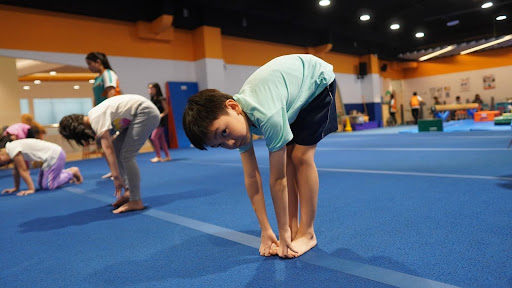
The touch your toes movement works because it trains the muscles that matter most for jumping—your hamstrings, glutes, and hips. When you reach down, you’re practicing the same motion your body uses right before a jump: bending at the hips to load power like a spring.
The better you get at this movement, the more efficiently your body can store and release energy, which helps you jump higher and more explosively.
It also improves flexibility and control, which are just as important as strength. If your hamstrings are flexible, you can dip deeper and move more smoothly before takeoff, giving you more power.
At the same time, this movement teaches you how to control your body when landing, making your jumps not only higher but also safer and more balanced.
3. Lunges
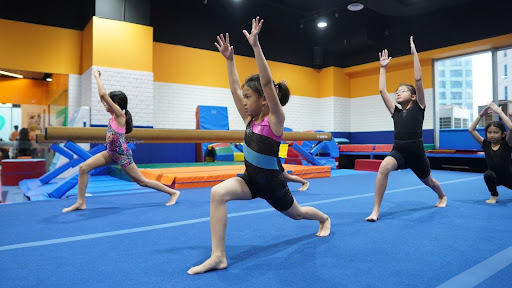
Lunges train each leg independently, which helps improve balance, coordination, and lower-body strength. This exercise is especially useful for basketball players because many jumps during the game, such as layups or rebounds are performed off one leg.
4. Calf Raises

Calf raises target the calf muscles, which play a crucial role in the final push-off phase of a jump. Strengthening the calves through this exercise helps improve explosive takeoff power and contributes to higher vertical jumps.
Agility Training to Support Jump Performance
Many players focus only on jumping exercises, but agility training also plays an important role in vertical jump performance. Agility improves how efficiently players move and position themselves before jumping.
1. Ladder Drills
.png)
Agility ladders improve foot speed, coordination, and balance. These drills train players to move quickly and position themselves correctly for rebounds or defensive plays.
2. Cone Drills
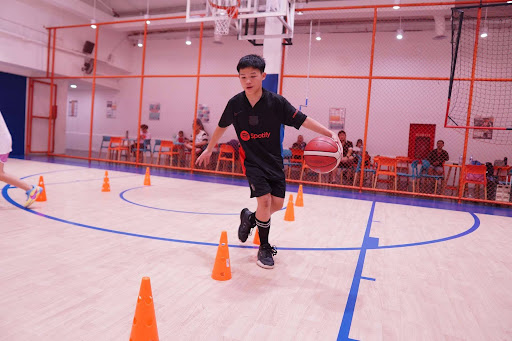
Cone drills work because they train your body to move the way you actually play basketball—quickly changing direction, stopping, and accelerating again. Instead of just running straight, you’re constantly cutting and reacting, which builds agility and control.
This helps you move faster on the court, whether you’re trying to get past a defender or stay in front of one.
They also improve your explosiveness after movement, not just from a standing position. By adding stops, turns, and even jumps, your body learns to stay balanced and powerful in game-like situations.
This makes a big difference during plays like grabbing rebounds, blocking shots, or finishing at the rim, where you rarely have time to prepare before jumping or moving again.
3. Sprint Training
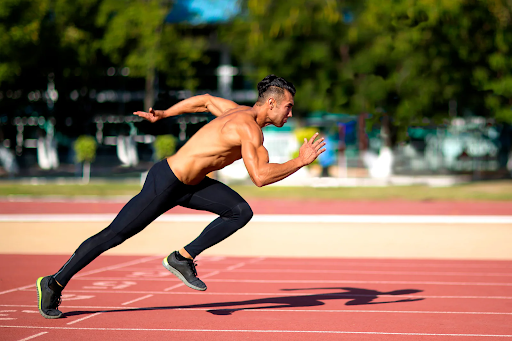
Short sprints develop explosive acceleration. Many basketball jumps occur after running or cutting movements, so sprint power contributes to overall jump performance.
Increase Your Vertical Jump With Rockstar!
Improving your vertical jump is not just about jumping higher, it’s about building strength, coordination, and explosive power that translate directly into real basketball performance.
To accelerate your progress, training in a structured environment with professional guidance can make a huge difference.
At Rockstar Academy, a leading Sports & Performing Arts Academy, students train through a structured basketball program that focuses on fundamentals, athletic development, game intelligence, and competitive experience.
Players also have the opportunity to test their skills in real tournaments like the Elite Championships and RockOlympics, where they can experience high-level basketball competition.
Young athletes can also elevate their game and compete as part of RockStar Club under Perbasi. Our Dream Team program delivers the ultimate challenge—120 minutes of high-intensity training led by our most experienced coaches.
Ready to jump higher, move faster, and level up your game? Come experience it for yourself with a free trial Basketball program at Rockstar Academy—feel the energy, try the training, and see the difference firsthand!
Even better, free trials are available for all programs, so you can explore everything Rockstar Academy has to offer before choosing what you love most. It’s your chance to discover new passions, build skills, and have fun while doing it!
FAQ
How long does it take to increase vertical jump?
Most athletes begin seeing improvement after 4 to 8 weeks of consistent strength and plyometric training.
What muscles are most important for jumping?
The most important muscles include the glutes, quadriceps, hamstrings, calves, and core.
Can beginners improve their vertical jump?
Yes. Beginners often see significant improvements by building basic leg strength and learning proper jumping technique.
Are plyometric exercises safe?
Plyometrics are safe when performed with proper technique and adequate strength. Beginners should start with low-impact exercises.
Why is agility training important for jumping?
Agility improves movement efficiency, positioning, and coordination, all of which support better jumping performance in real basketball situations.