The Art of Veil Work and Floor Techniques in Belly Dance
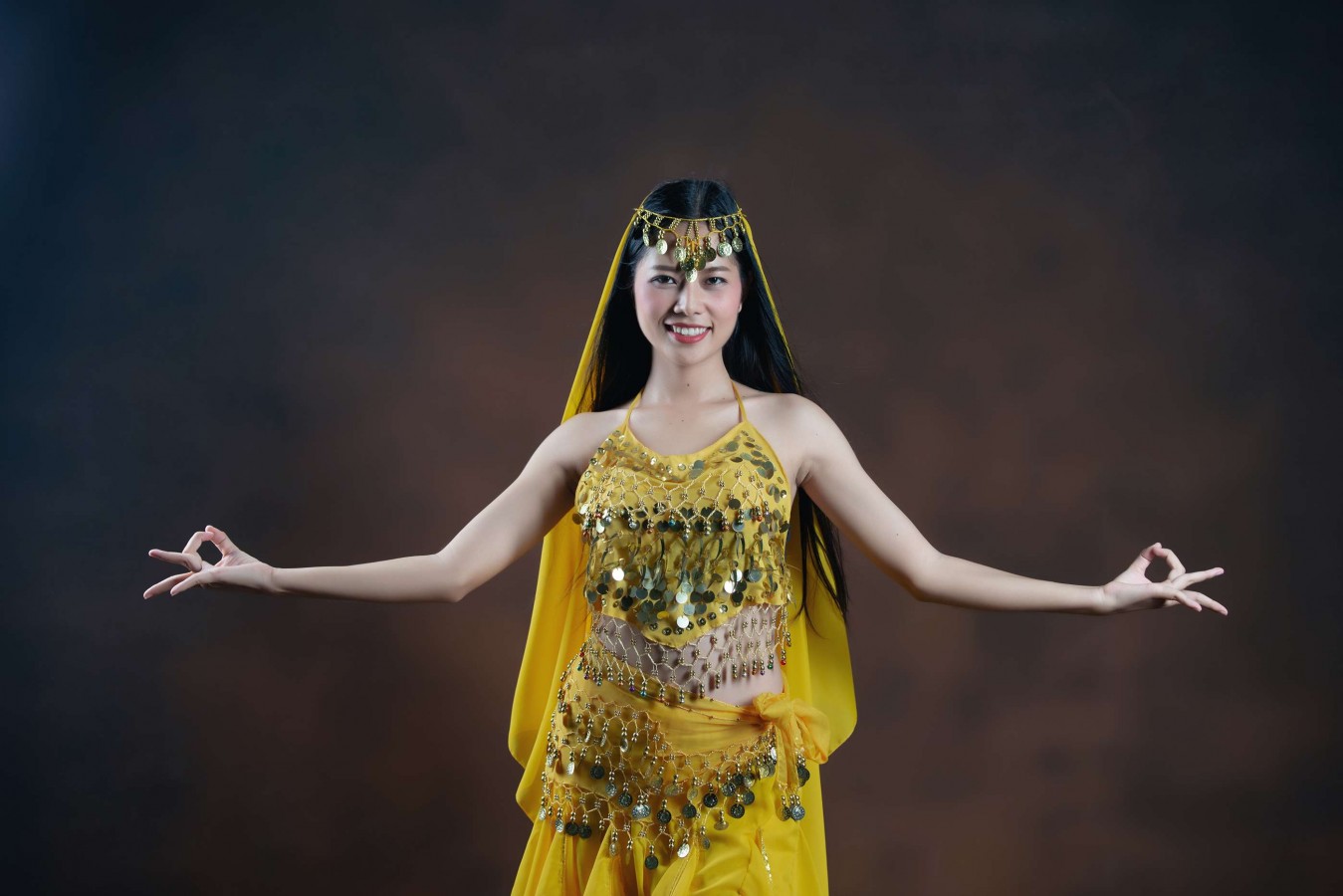
Belly dance is known for its graceful movements, expressive storytelling, and beautiful use of props. One of the most eye-catching elements in this dance style is veil work in belly dance, where dancers use flowing fabric to create elegant shapes and dramatic visual effects.
In this article, we’ll explore the history and beauty behind veil work in belly dance, the different types of veils dancers use, basic grips and arm positions, and how to create stunning shapes with the fabric. We’ll also share a few safety tips so dancers can perform confidently without worrying about tripping or losing control of the veil.
The History and Aesthetic of Veil Work
The beautiful style of veil work in belly dance actually didn’t start as part of traditional Middle Eastern dance. It was introduced in the early 20th century, especially in Western stage performances.
One of the dancers often connected with the early use of the veil was Ruth St. Denis, an American modern dancer who created performances inspired by Egyptian and Indian themes around 1906.
Even though her performances were more theatrical than traditional, they helped spark interest in using flowing veils as a visual element in dance. Later on, Egyptian dancer Samia Gamal helped popularize veil entrances in films during the 1940s and 1950s, bringing elegance and romance to belly dance performances.
Today, veil work is loved by dancers around the world and is often used at the beginning of a performance to create a dreamy, graceful atmosphere. Modern dancers have also expanded the art with creative variations like double veils, fan veils, and even LED veils in fusion styles, making veil work both traditional and innovative at the same time.
Types of Veils

When practicing veil work in belly dance, the type of fabric you use can make a big difference in how the veil moves. The two most common options are silk and chiffon, and each one has its own unique feel.
Silk veils are the most popular choice among dancers because they are very light and flow easily through the air. When the belly dancer moves their arms or spins, the silk fabric floats smoothly and creates a soft, cloud-like effect that looks beautiful on stage. Because of this airy movement, many dancers prefer silk veils for performances where they want graceful and dramatic visual shapes.
Chiffon veils, on the other hand, are slightly heavier and don’t float as effortlessly as silk. However, they still have their own charm. The extra weight can make movements look fuller and more grounded, which some dancers enjoy for certain choreography styles.
Even though chiffon can work well, many professional dancers agree that silk is usually the best choice for achieving fluid movement and strong visual impact in veil work in belly dance.
Basic Grips and Arm Positions
Most dancers hold the veil lightly between the thumb and fingers at the corners so the fabric can flow freely without slipping. The arms should stay relaxed but extended, allowing the veil to catch the air as the dancer moves.
Simple arm positions like lifting the arms overhead, opening them wide to the sides, or sweeping them in soft circles help create beautiful shapes with the veil. By keeping the arms graceful and the grip gentle, dancers can make the fabric look like it’s floating effortlessly around their bodies.
Creating “Air” and Shapes with the Veil
One of the most beautiful parts of veil work in belly dance is learning how to create “air” with the fabric so it looks like the veil is floating around the dancer. To do this, dancers need to keep their arms moving smoothly and continuously so the veil always catches the air.
Large arm circles, gentle sweeps, and flowing turns help lift the fabric and keep it moving. When the dancer spins or travels across the stage, the veil naturally opens up and creates soft waves behind them.
Dancers can also form shapes like circles, arches, and spirals by changing the direction and height of their arms. The key is to move with control and fluidity so the veil stays open and creates elegant patterns that make the performance look light, graceful, and visually captivating.
Safety Tips to Avoid Tripping
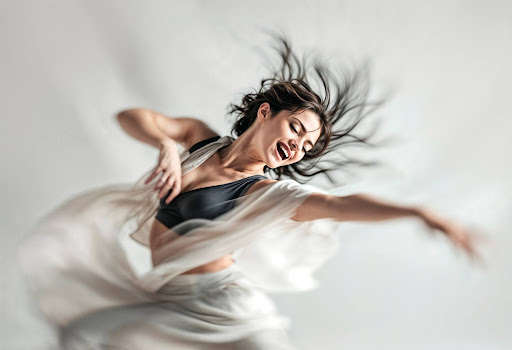
When practicing veil work in belly dance, the flowing fabric can look magical, but it can also get tricky if it catches under your feet or tangles around your body. Keeping safety in mind ensures you can dance confidently without worrying about tripping or falling. Here are some easy tips to help you stay safe while making the veil look effortless:
1. Choose the Right Veil Length
Make sure your veil isn’t too long for your height. A veil that drags too much on the floor can easily get caught under your feet while turning or stepping.
2. Keep the Veil Moving
The veil is less likely to fall around your legs if it stays in motion. Continuous arm movements and smooth transitions help the fabric float instead of dropping to the floor.
3. Practice Your Turns Slowly First
Spins and turns look beautiful with a veil, but they can also cause tangling if done too quickly at first. Practice slowly so you learn how the fabric moves around your body.
4. Stay Aware of Your Footwork
Pay attention to where your feet are stepping, especially when the veil is moving behind or around you. Controlled steps help prevent accidentally stepping on the fabric.
5. Use Proper Arm Control
Keeping your arms lifted and slightly extended helps the veil stay in the air instead of falling around your legs.
6. Practice in a Safe Space
Make sure you have enough room around you when training. A clear practice area reduces the risk of stepping on the veil or bumping into objects while dancing.
Bring Your Dance to Life with Flowing Elegance!
Veil work in belly dance can turn a performance into something truly mesmerizing. The flowing fabric adds softness, movement, and visual storytelling that complements the dancer’s body movements.
If you’ve ever dreamed of moving gracefully while mastering the art of belly dance moves, Rockstar Academy is the perfect place to start. As a premier Sports & Performing Arts Academy, the dance classes are designed to help dancers of all levels develop strength, fluidity, and confidence on stage.
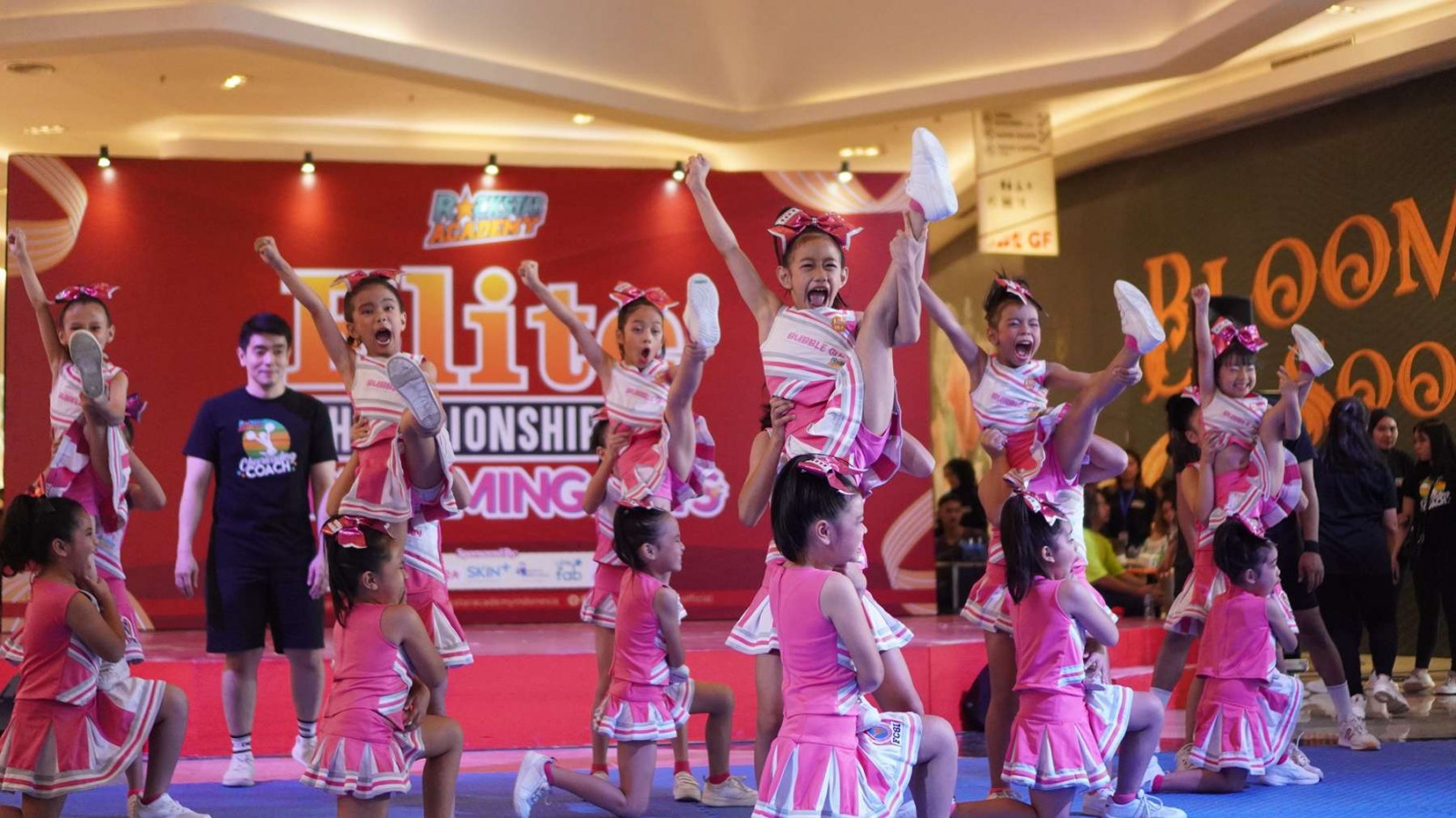
Students at RockStar Academy have the unique opportunity to showcase their progress through the Dance Recital, a professional stage experience for children as young as four that combines specialized choreography, costumes, and lighting to build confidence and teamwork.
For those in Elite classes, the Elite Championships provide a regular competitive platform to foster discipline and sportsmanship, allowing students to perform in exciting venues and earn recognition through trophies and certificates as they strive to become Life Champions.
The journey culminates in RockOlympics, the Rockstar Academy’s premier Olympic-like event featuring over 100 individual and team competitions across 13 programs.
Open to students from just one year of age, this massive celebration allows young athletes to push beyond their limits and provides parents with a rewarding moment to witness their children’s hard-earned achievements and growth within a vibrant community.
Curious to be part of the action? Rockstar Academy offers a free trial class, so new students can jump in, feel the excitement, and experience the joy of the program firsthand before committing.
FAQ
Why do belly dancers wear face veils?
Face veils add mystery, elegance, and drama to a performance while highlighting the dancer’s movements.
How to belly dance with a veil?
Hold the veil lightly at the corners, keep your arms extended and relaxed, and practice flowing movements to create “air” and graceful shapes.