A Tactical Guide to Playing Pickleball With a Weaker Partner
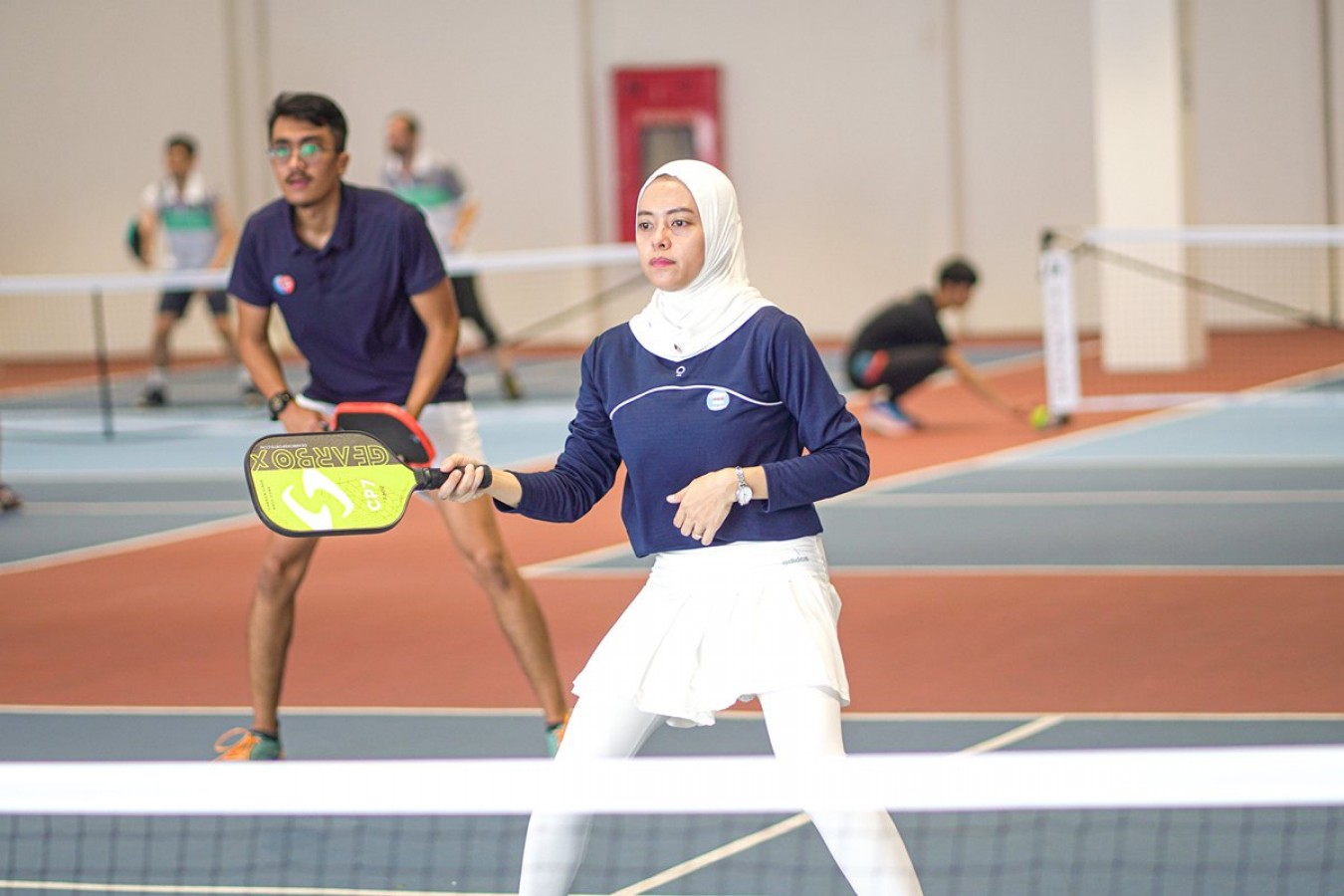
In pickleball, playing with someone who has less experience or weaker skills than you is common, maybe they’re newer to the game, slower in movement, less precise in shots, or less comfortable with certain angles.
When that happens, opponents often “target” the weaker partner, sending shots mostly their way because they see an opportunity. This can lead to frustration, loss of points, and sometimes a drop in morale.
But it doesn’t have to mean there's no chance for your team to compete well, with the right pickleball double strategy, the dynamics can shift in your favor. Here, we will give you a few tips on playing pickleball with a weaker partner to win. So, check it out!
Tips When Playing With a Weaker Partner
Here are useful ways to help your partner contribute more, avoid them being overwhelmed, and improve your team’s performance.
1. Get Them to The Kitchen Fast
The area near the net (called the Kitchen or Non-Volley Zone) is safer and allows for more controlled play. Weaker players often perform better up front than from the baseline.
As the stronger partner, try to cover middle zones, move up after serving or return, and help your partner climb forward. Once both players are near the net, it becomes harder for opponents to target the weaker partner easily.
2. Serve Smart to Avoid Targeting
Be intentional about where you serve. If you notice your opponents prefer attacking one side (typically your partner’s weaker side), try serving toward their weaker hand or toward the middle, to force more neutral or low-risk returns. Serving deeper can reduce the chance that your partner is isolated with difficult pickleball returns.
3. Control The Dink Patterns and Middle Court
A big way weaker partners are exposed is through dink rallies (soft, controlled shots near the net) across the line or cross-court, especially avoiding the middle.
Encourage rallies that include middle shots rather than always going down the line. As the stronger partner, you can stay active, intercept cross-court dinks, and help redirect where the rally goes. This reduces strain on your weaker partner.
4. Make Smarter Third Shots
The pickleball third shot (after serve and return) often sets the tone. Big drives can be risky because if they fail, opponents may punish your partner on the next shot. A safer, smarter separation is using drops or resets, especially toward the middle, to slow the point and help your partner move forward. This gives your team time to establish position and pressure.
5. Be Patient at The Kitchen
Once both partners are up near the net, avoid rushing or forcing big upward shots. Keep rallies controlled through dink exchanges, especially between cross-court and middle shots. Only increase speed or take risks when a good opportunity appears. Rushing prematurely often leads to errors that opponents can exploit.
6. Keep Serves and Returns Deep
Deep serves and returns force the opponents to hit from farther back, giving you and your partner time to adjust. This also helps avoid quick put-aways or fast shots targeted at your partner. Deep returns give you more control and reduce pressure.
7. Stay Positive and Support Your Partner
Emotional support also matters. Weaker partners often feel discouraged when they're constantly targeted. Remember to celebrate good shots, encourage them after mistakes, maintain a calm and confident tone. Your partner’s confidence will influence performance significantly.
How to Counter When Your Partner Is Being Targeted
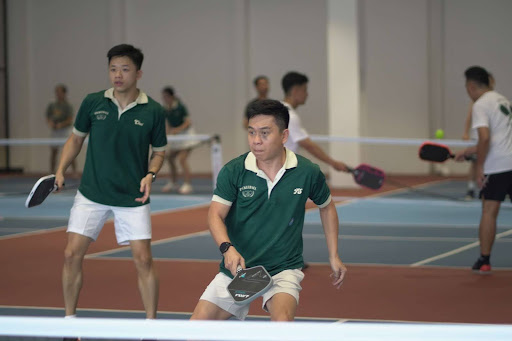
If opponents are consistently hitting toward your partner, here are strategies to shift pressure, restore balance, and protect your partner.
- Take more of the court yourself: Move closer to the middle and start covering more of the partner’s side when possible. This helps reduce the isolation and forces opponents to adjust where they’re sending shots.
- Reverse stack or switch sides: If the weaker partner’s position is always being attacked (for example, opponents targeting their backhand), swap sides to force adjustments. This “reverse stacking” can disrupt opponents’ patterns and make targeting less effective.
- Cheat-in strategy : A more aggressive move is for the stronger player to “cheat in” step closer to the net or toward the ball early to intercept shots. This takes pressure off your partner but requires good footwork and readiness to recover.
- Communicate clearly: Let your partner know what you plan to do. Having good teamwork can disrupt opponent targeting, make your partner feel less isolated, and improve your joint defense.
Have You Played With a Weaker Partner?
If you often find yourself paired with a weaker partner, remember that improvement comes with the right training and guidance. At Rockstar Academy’s Sports & Performing Arts Academy, you can encourage your partner to sharpen their skills by joining a structured pickleball class.
Our program goes beyond building strong fundamentals by offering real match experience through events like the Elite Championships. With skill-based divisions, every player gets a fair chance to compete, regardless of level. This approach builds confidence, game awareness, teamwork, and motivation in a supportive environment.
With professional coaches, fun learning environments, and a focus on both technique and strategy, they’ll quickly gain the confidence to hold their own on the court.
The best part? Rockstar Academy offers a free trial class, so there’s no better time to start. Invite your partner to join today and watch how stronger teamwork not only boosts your game but also makes every pickleball match more exciting and rewarding!
FAQ
My partner always seems to get the ball hit to them. What can I do to avoid this?
Use strategies like reverse stacking, switching sides, or stepping into your weaker partner’s side occasionally. Also, position yourself more centrally so you take some of the pressure and force opponents to aim elsewhere.
Should I change my playing style if I’m the stronger partner?
Yes. As the stronger player, you may need to assume more responsibility: cover more court, play safer shots (drops instead of drives), support net play, and encourage your partner. Smart shot selection can protect your partner and make the team more consistent.
How do I help my weaker partner get better during matches?
Give feedback gently, encourage them, highlight what they do well, avoid criticizing mistakes harshly. Use practice to build weaknesses: work on dinks, footwork, positioning. Over time confidence grows.
Is it okay to avoid hitting hard shots or avoid risky plays to protect my partner?
Yes, in many cases. It’s part of strategy. Avoiding risky shots at explosive moments can prevent errors and loss of momentum. But sometimes taking calculated risk is necessary—balance is key.