Strategies and Mistakes to Avoid in Late Game Situations Basketball
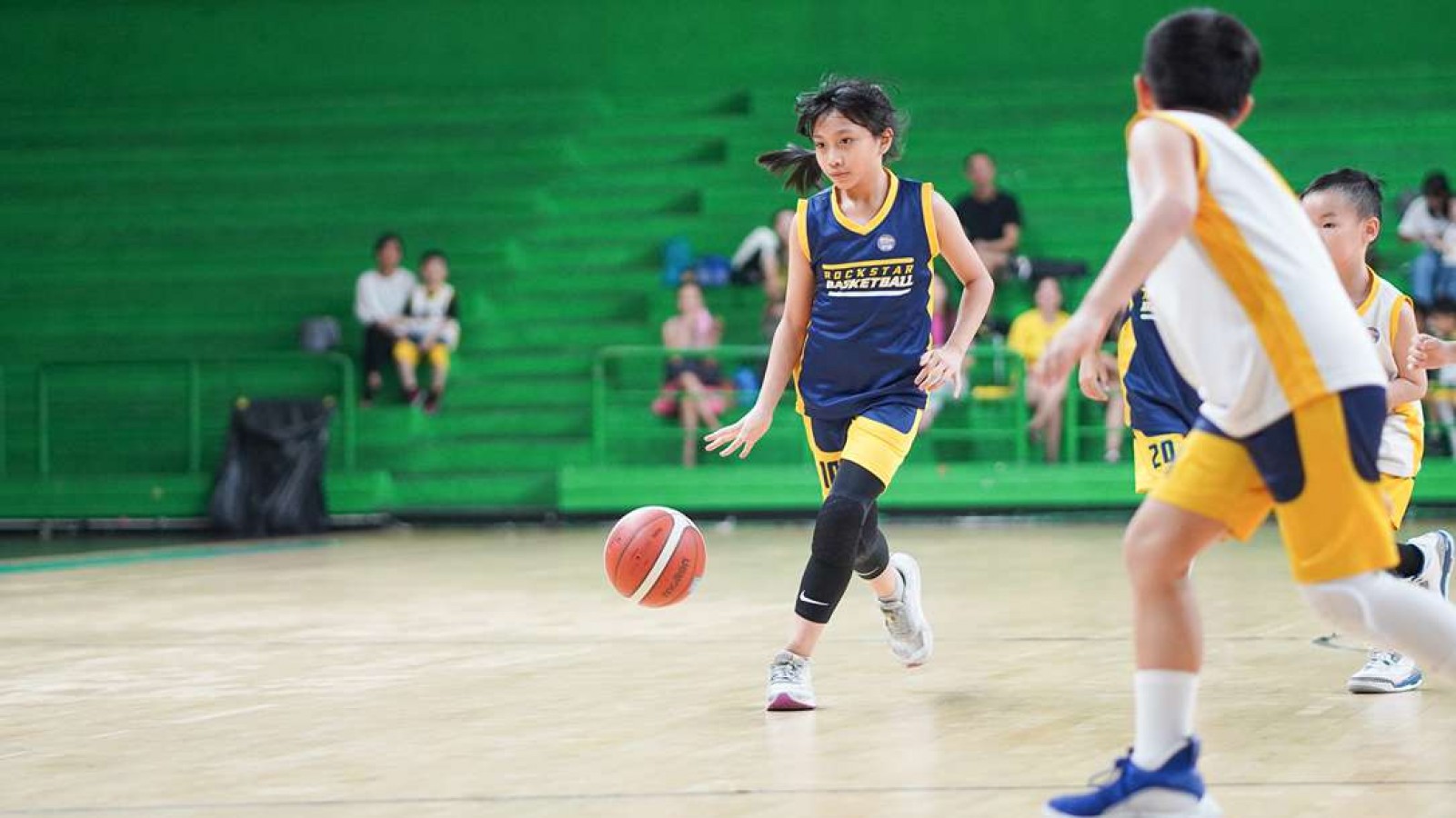
In basketball, games are often decided in the final minutes. No matter how well a team plays for three quarters, poor decisions late in the game can quickly erase that hard work. Late game situations test a team’s preparation, discipline, and mental toughness.
Here, we will teach you strategies and mistakes to avoid in late game situations basketball. Make sure to check it out!
Understanding Late Game Situations in Basketball
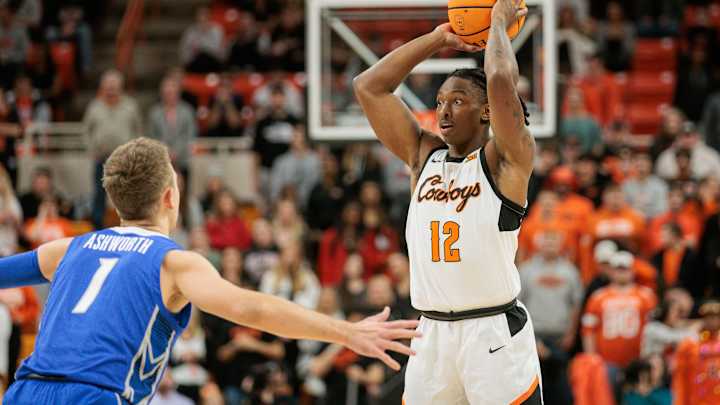
Late game situations usually refer to the final 2–5 minutes of a close game, when every possession matters and fouls, timeouts, and substitutions become critical factors.
During this stage, quick and accurate decision-making is essential, as coaches must manage the score, the clock, and player matchups at the same time, while players are required to stay calm and focused despite fatigue and intense pressure.
How to Prepare for Late Game Situations
Preparing for late game situations starts long before the final minutes arrive. Through regular practice, clear roles, and strong awareness of the clock and score, teams can stay composed and make smart decisions when the pressure is highest.
1. Practice Late Game Scenarios Regularly
Late game success starts long before game day. Teams should practice end-of-game situations just like any other skill.
Examples include:
- Up by 3 with 30 seconds left
- Down by 1 with the final possession
- Defending without fouling
- Executing sideline or baseline out-of-bounds plays
When players have seen these situations in practice, they react with confidence instead of panic.
2. Establish Clear Team Philosophy
Every team should clearly understand its late game philosophy, including whether to foul when up by three points, whether to push the ball or slow the pace when leading, and who is responsible for taking the final shot.
Having these decisions defined in advance helps reduce confusion and allows players to execute confidently when the pressure is high.
3. Emphasize Communication
Late game moments are loud and chaotic. Teams that communicate well will perform better under pressure.
Understanding and Using Players’ Strengths
Late game strategy should always be built around who your players are, not just the playbook. Here’s what you need to know:
1. Know Your Best Ball Handlers
In tight moments, the ball should be in the hands of players who can stay calm under pressure, make smart decisions, and handle defensive pressure without turning the ball over. These players are especially important for inbounding the ball, breaking presses, and controlling the clock late in the game.
2. Identify Your Best Free Throw Shooters
Free throws often decide close games, so coaches must know which players should receive the ball when opponents are intentionally fouling and which players should inbound the ball instead of catching it.
Understanding basketball fouls and free throw percentages helps teams protect leads and make smarter decisions in late game situations.
3. Know Your Defensive Specialists
Defense matters just as much as offense in late game situations, which is why players who move their feet well, communicate clearly on defense, and avoid unnecessary fouls should be on the floor when protecting a lead.
4. Define Roles Clearly
Every player should clearly understand their role on the floor, whether as a shooter, screener, decoy, rebounder, or defender. Because defined responsibilities prevent hesitation and reduce missed opportunities in late game situations.
Common Late Game Mistakes to Avoid
Even the best teams can struggle in the final minutes of a game. The pressure is higher, every possession matters, and small mistakes can decide the outcome. Recognizing these common late-game errors is the first step to preventing them.
1. Poor Clock Awareness
In late-game situations, time becomes your biggest opponent—or your biggest advantage. Players sometimes lose track of the shot clock, game clock, or score margin, leading to poor decisions.
2. Forcing Hero Shots
Trying to play the hero often hurts the team, as tough and contested shots early in the shot clock are rarely the best option. Trusting the system and making the extra pass usually leads to better scoring opportunities.
3. Ignoring Free Throw Situations
Late in the game, free throws can be the difference between winning and losing. Teams sometimes forget the bonus situation, who their best free throw shooters are, or which players should avoid handling the ball.
4. Defensive Breakdowns
Late game defense requires strong focus, and common mistakes such as missed rotations, poor communication, or ball-watching instead of actively guarding can quickly change the outcome of the entire game.
5. Emotional Reactions
Complaining to referees, showing frustration, or losing composure wastes time and energy. The best teams stay calm and focused.
Late Game Situations Basketball Are So Crucial!
By understanding the correct strategy, teams can dramatically improve their chances of winning close games. The final minutes don’t have to be chaotic—when handled correctly, they can become a team’s greatest advantage.
If you want to truly ace your basketball skills, it’s time to level up with the Basketball Program at Rockstar Academy. Our program is structured, progressive, and built for real growth, helping players sharpen fundamentals, build game IQ, and play with confidence.
Beyond training, students get exciting opportunities to compete in Elite Championships and RockOlympics, where they can test their skills, gain match experience, and shine on the court.
For athletes ready to go further, we also offer Dream Team—our competitive sports program designed to push student-athletes to reach their highest potential in basketball and in life, through advanced training, discipline, teamwork, and a winning mindset.
Our Dream Team is an official basketball club registered under PERBASI, ensuring that all training programs follow recognized standards and regulations in Indonesian basketball.
As the best Sport & Performing Arts Academy, we offer an unmatched environment where kids and teens can grow physically, creatively, and confidently—all led by highly qualified local and international instructors.
Whether your goal is athletic excellence, artistic expression, or building lifelong confidence, Rockstar Academy is a place where every student can thrive and become a future life champion.
Spots are limited! Don’t wait—sign up for a FREE trial class now and let your basketball journey start today!
FAQ
Why are late game situations so important in basketball?
Because close games are often decided by just a few possessions, and mistakes late are harder to recover from.
Should teams always slow down when leading?
Not always. Teams should use the clock wisely but still move the ball to avoid turnovers and bad shots.
Is fouling when up by three always the best strategy?
There is no single correct answer. The best choice depends on team personnel, defensive ability, and preparation.
How can players stay calm under late game pressure?
Repetition in practice, clear roles, and strong communication help players stay composed.
What is the biggest late game mistake teams make?
Lack of preparation and poor decision-making due to panic or confusion.