The LeBron James Training: Fitness Secrets of an NBA Legend
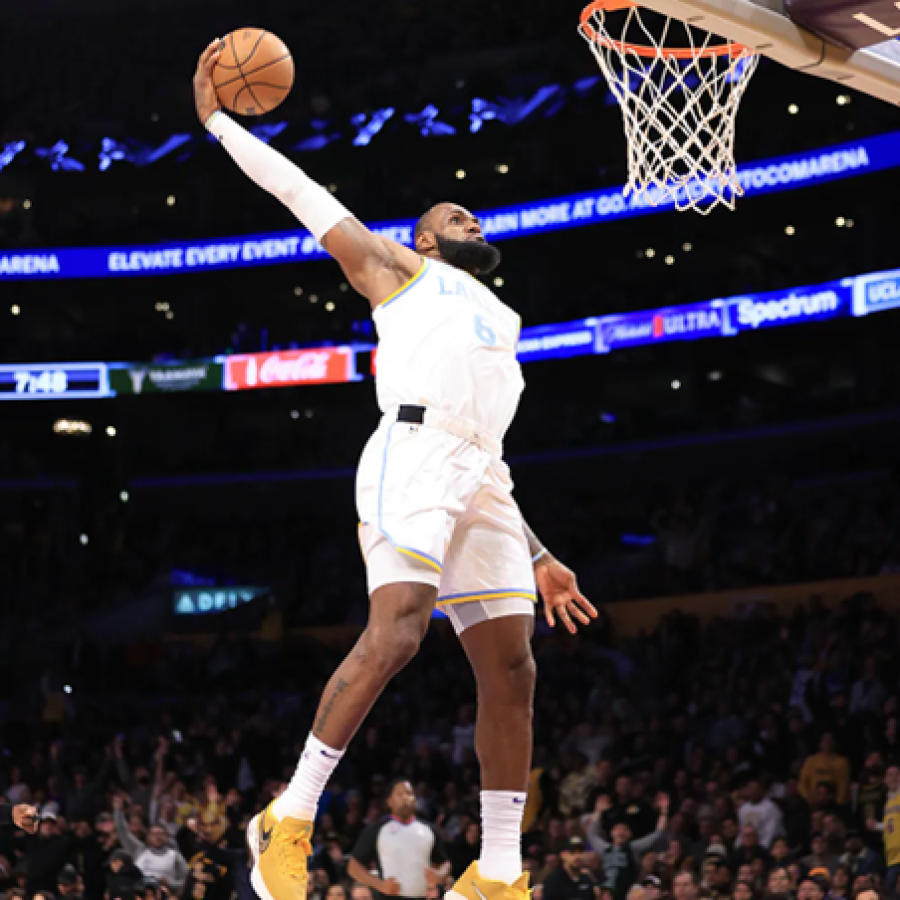
Basketball competition enthusiasts, such as those who follow the NBA, are certainly familiar with LeBron James. LeBron James is widely regarded as one of the greatest basketball players of all time, known for his extraordinary career in the NBA and ability to maintain elite performance well into his late 30s and beyond.
His fitness regimen, a mix of strength, conditioning, mobility, and recovery, has played a central role in his longevity and success on the court. Currently, LeBron James is the oldest player still actively playing.
LeBron just made history as the oldest NBA player to score a triple-double during a game against the Dallas Mavericks on February 13. Consistency is a given, but what kind of training does LeBron do to be able to play so well at an age that is no longer young? We'll spill LeBron James training here!
Who Is LeBron James?

LeBron Raymone James was born on December 30, 1984, in Akron, Ohio. He emerged as a basketball phenom in high school, became the first overall pick of the 2003 NBA Draft, and has since built a career that rivals the all-time greats.
With multiple NBA championships, MVP awards, scoring titles, and Olympic medals, LeBron’s basketball resume is storied, but what truly sets him apart is how long he has been able to compete at the highest level.
Known for his combination of size, speed, strength, and basketball IQ, LeBron James redefined the modern basketball athlete. He consistently dominates in scoring, playmaking, and defense.
All while avoiding many of the injuries and performance declines typically associated with aging athletes. This can be traced not just to talent, but to his meticulous training and conditioning routine.
The Foundation: Fitness Routine and Longevity
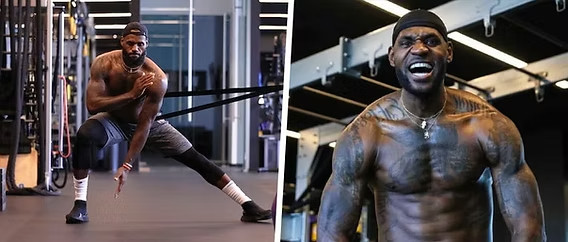
LeBron James' training routine is famous for its consistency, diversity, and individuality. He doesn’t rely on a cookie-cutter program, his training is carefully planned and adjusted based on where he is in the season, how his body feels, and what skills he needs to develop.
1. Consistent Year-Round Training
LeBron trains year-round, not just during the NBA season. This continuous approach helps him avoid the drastic performance dips and injury spikes that can happen when athletes ramp up and wind down repeatedly.
Even in the off-season, he maintains structured workouts to preserve strength, mobility, and cardiovascular fitness.
2. Balancing Strength, Speed, and Conditioning
LeBron’s workouts are not limited to lifting weights or running drills. His program is thoughtfully balanced to build:
- Strength: Essential for finishing through contact, rebounding, and explosive play
- Speed and Agility: Critical for quick first steps, defensive recovery, and transition play
- Endurance: Needed to sustain performance across 48-minute NBA contests
- Flexibility and Mobility: Protect joints and maintain good movement patterns
A typical week might include strength sessions, plyometric and explosive power work, agility drills, interval conditioning, and targeted mobility exercises.
3. Load Management and Smart Scaling
Although LeBron trains often, he is also careful about managing load, how much intensity and volume his muscles, tendons, and joints endure. This strategic approach reduces the risk of overuse injuries, allowing him to train hard without breaking down.
Core Components of LeBron’s Training
While the exact details of LeBron James' training are personalized and evolve over time, several core components consistently show up in his regimen.
1. Strength Training
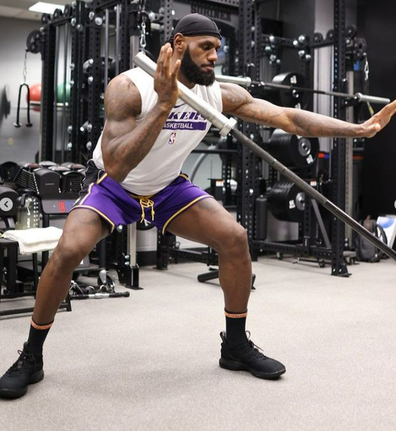
Strength is foundational to LeBron’s game. His training focuses on:
- Lower-body strength: for jumping, sprinting, and absorbing contact
- Upper-body strength: for finishing strong and controlling the ball
- Core stability: to transfer power and maintain balance
LeBron uses a combination of weighted lifts, resistance band work, and functional strength drills that mimic basketball movements. Strength training sessions are typically structured with progressive overload, gradually increasing resistance or intensity over time to build performance without injury.
2. Plyometrics and Explosive Power
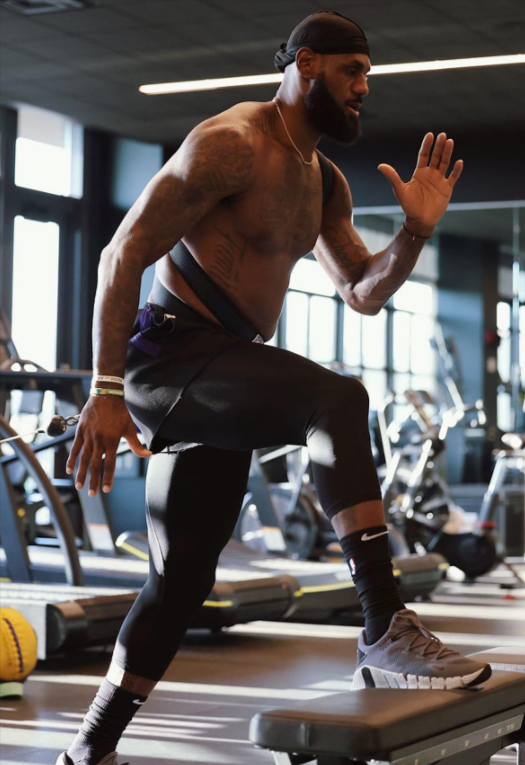
Plyometric exercises, movements like box jumps, broad jumps, and hurdle hops — train the muscles to produce force rapidly. For a basketball player, this translates directly into:
- Higher vertical leaps
- Faster linear speed
- Quicker change of direction
- More explosive first steps
LeBron’s plyometric work is integrated into his strength and conditioning days to develop both power and neuromuscular efficiency.
3. Basketball-Specific Skill Drills
LeBron doesn’t just train in the weight room, he trains on the court. His basketball drills emphasize:
- Ball handling and control under pressure
- Shooting mechanics and consistency
- Footwork for effective offense and defense
- Reaction timing and decision-making under fatigue
LeBron has been known to use ladder drills, partner-based passing drills, and high-tempo shooting routines that simulate game pressure. These skills help him maintain elite performance even when fatigued.
4. Agility and Conditioning
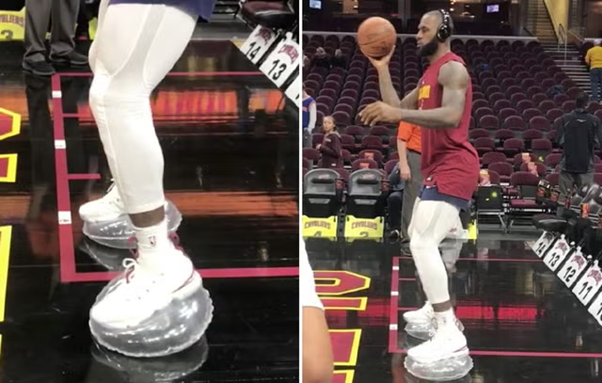
Basketball is a stop-and-go sport; players must sprint, decelerate, cut, drift, and explode repeatedly throughout a game. LeBron’s agility drills may include:
- Cone and ladder footwork routines
- Shuttle runs and sprint intervals
- Reaction-based movement drills
These drills improve the coordination between his neuromuscular system and his muscles, enhancing both efficiency and injury resistance.
5. Recovery: The Often-Overlooked Secret
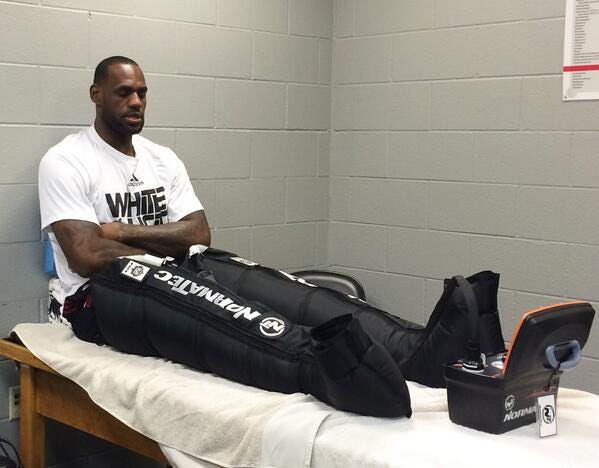
Perhaps the most underrated component of LeBron’s regimen is recovery. High-intensity training is only sustainable if balanced with proactive recovery tactics, and LeBron has embraced this philosophy long before it became mainstream.
Some of his recovery methods include:
- Stretching and mobility work: to maintain tissue flexibility
- Ice therapy and cold plunges: to reduce inflammation
- Massage and manual therapy: for soft-tissue health
- Adequate sleep: to optimize hormonal balance and muscle restoration
- Hydration and nutrition: to fuel performance and recovery
This focus on recovery allows LeBron to train hard and compete at peak levels without sacrificing his body.
Nutrition and Lifestyle Habits
LeBron James training isn’t just about what he does in training, it’s also shaped by what he does outside of it. He pays attention to nutrition, hydration, and sleep:
- Nutrition: A balanced diet that includes lean proteins, complex carbohydrates, healthy fats, and nutrient-rich fruits and vegetables.
- Hydration: Essential for muscle performance and cognitive function.
- Sleep: A cornerstone of recovery that impacts mood, endurance, injury risk, and power output.
Proper nutrition and lifestyle choices further extend LeBron’s ability to train rigorously while maintaining elite performance.
Are You a Fan of LeBron James?
LeBron James’s ability to maintain elite physical condition well into his late 30s and beyond isn’t just a product of natural talent, but the result of year-round strength training keeps his body prepared for the intense demands of professional basketball and his dynamic small forward role.
His holistic approach blends power, agility, skill development, and smart recovery practices that aspiring athletes can learn from and strive to emulate.
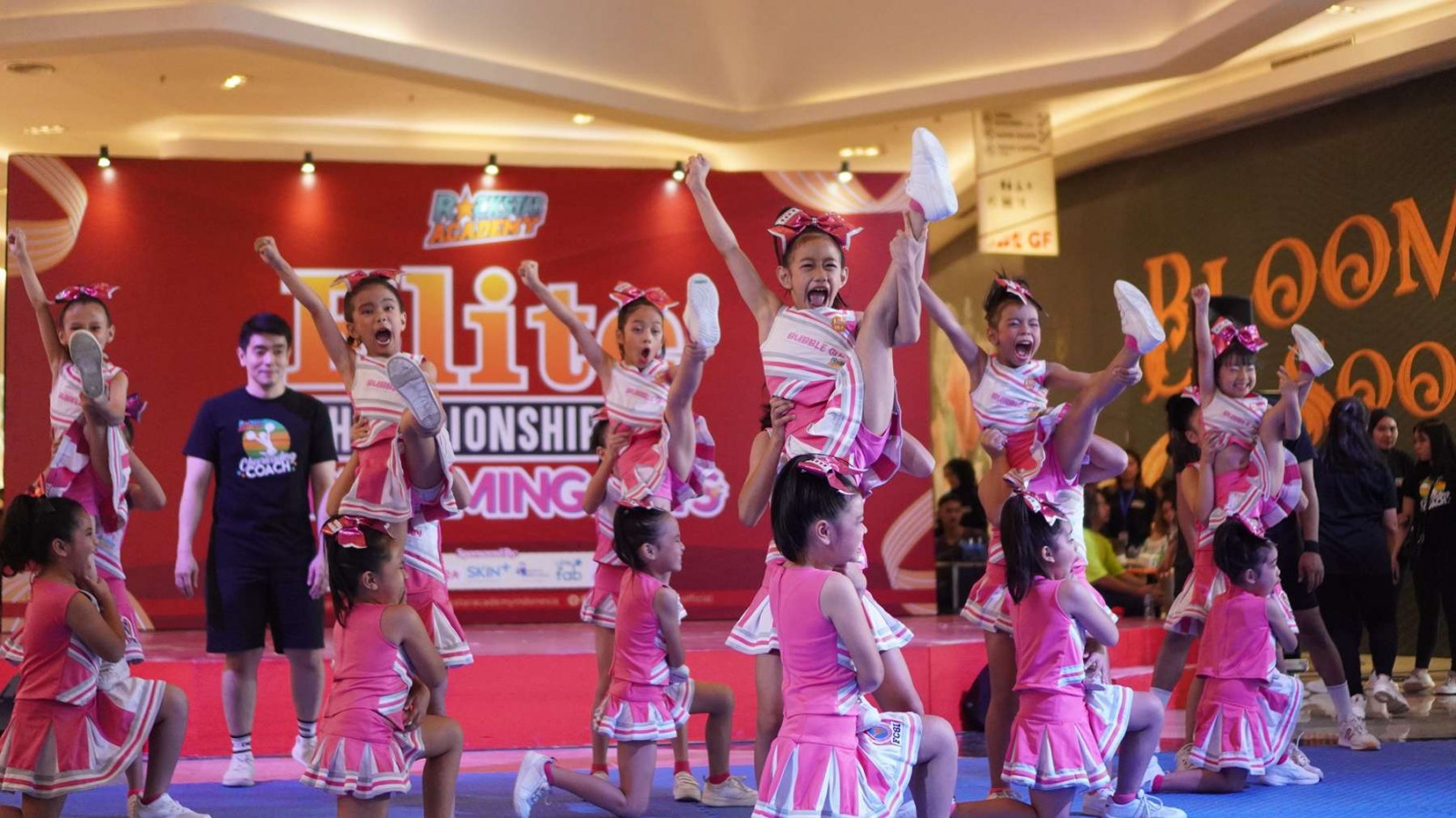
If you want your children to build a strong athletic foundation inspired by top performers like LeBron James, consider enrolling them in a basketball program at Rockstar Academy. This academy offers a range of programs that help develop strength, coordination, and confidence on the court.
Our Basketball Program teaches important basketball skills and gives students the chance to compete in events like the Elite Championships and RockOlympics. These events motivate young athletes to set goals, stay active, and learn discipline and sportsmanship. Children will learn how to handle both wins and losses, making them better players and more resilient individuals.
For those ready to elevate their game and compete as part of RockStar Club under Perbasi, our Dream Team program delivers the ultimate challenge—120 minutes of high-intensity training led by our most experienced coaches.
With experienced coaches, a structured curriculum, and an environment that fosters both skill and character development, our Sports & Performing Arts Academy is an excellent choice for young athletes.
Best of all, they offer a free trial class for anyone interested in trying before committing, so your child can experience the training firsthand and discover how dedicated practice combined with expert guidance can elevate their game.
FAQ
How often does LeBron James train?
LeBron trains year-round, with workouts typically scheduled six days a week. His routine is varied, balancing strength, plyometrics, skill work, and recovery sessions.
Does LeBron use special equipment in his workouts?
While he uses common strength and conditioning tools, his training also includes advanced recovery technologies such as cryotherapy and ice baths — tools that support muscle recovery and inflammation control.
What are LeBron’s favorite training drills?
LeBron’s workouts often include plyometrics (box jumps, hurdle hops), resistance exercises in explosive patterns, court drill combinations that mix footwork with ball handling, and high-tempo shooting routines.
How does LeBron stay healthy despite a long NBA career?
A combination of disciplined fitness, intentional recovery practices, proper nutrition, and proactive injury prevention strategies allows LeBron to sustain high performance and longevity.
Can amateur athletes adopt LeBron’s methods?
Absolutely — the principles of strength, mobility, conditioning, balanced training, and recovery can be scaled for athletes of all levels. Focus on technique and progression to adapt these principles safely.