How to Establish and Teaching Daily Routine for Children

Ever notice how kids can go from super happy to full meltdown mode in a matter of minutes? One minute they’re laughing, the next they’re crying because it’s time to stop playing. The secret ingredient that helps reduce those chaotic moments? Teaching daily routine!
Children actually love structure—even if they don’t always show it. Having a predictable routine helps them feel safe, confident, and in control of their little world. The best part? With the right approach, you can teach your child to follow routines independently.
In this article, we’ll break down why routines matter, how to create one, and how to teach your child to stick to it.
Why Structure Is So Important for Kids
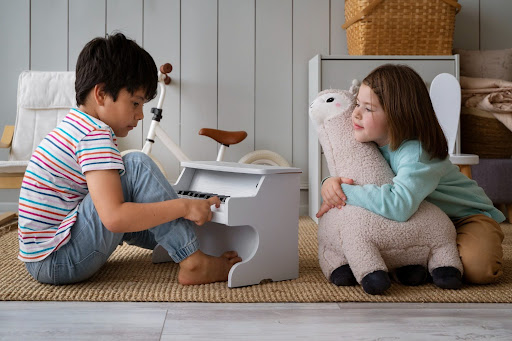
If you’ve ever noticed how kids seem calmer, happier, and more cooperative on some days than others, there’s usually one big reason behind it: structure. While adults often crave flexibility, children actually thrive when their world feels predictable and organized.
Let’s explore why structure is so important in a way that really clicks.
1. It Makes Kids Feel Safe and Secure
Imagine waking up every day not knowing what will happen next. Sounds stressful, right? That’s exactly how kids feel without structure. When children have a routine, they know when they’ll eat, when they’ll play, and when they’ll rest.
2. Reduces Anxiety and Overwhelm
Kids are still learning how the world works. Too many surprises or sudden changes can feel overwhelming.
Many tantrums happen due to uncertainty or sudden changes. Routines eliminate surprises and help kids stay calm.
3. Encourages Independence
When children follow routines daily, they begin to do things on their own—like brushing teeth or packing their bag.
4. Supports Better Sleep
A consistent bedtime routine helps regulate their internal clock, making it easier for them to fall asleep and wake up refreshed.
5. Teaches Time Management
Even young kids can learn basic time concepts like “morning,” “after lunch,” or “before bedtime.”
6. Boosts Confidence
Completing small daily tasks gives children a sense of achievement: “I did it myself!”
7. Enhances Focus and Learning
Kids perform better when their day is structured—they know when it’s time to play, learn, and rest.
8. Reduces Power Struggles
Instead of arguing, you can simply refer to the routine: “It’s reading time now!”
9. Helps Develop Good Habits Early
Structure is where lifelong habits begin.
Simple daily routines teach:
- Personal hygiene (brushing teeth, washing hands)
- Responsibility (cleaning up toys)
- Discipline (finishing tasks)
The earlier these habits are introduced, the more naturally they stick as children grow.
10. Helps Emotional Development
Structure helps children regulate their emotions because their day feels predictable and manageable.
Practical Steps to Create a Daily Schedule for Kids
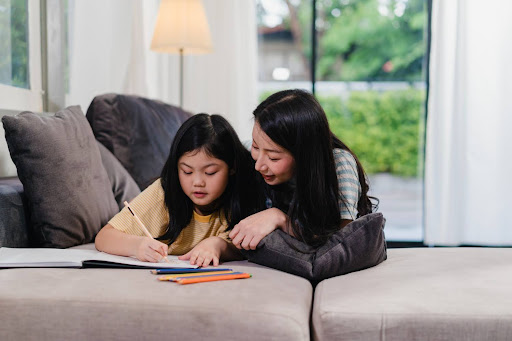
Creating a daily routine for your child doesn’t have to feel overwhelming. In fact, when done right, it can be a fun bonding experience that helps your child feel more in control of their day.
1. Start with the Basics (Build Your Daily “Anchor Points”)
When creating a routine for your child, it’s best to begin with the most essential parts of the day. Think of these as “anchor points” that keep everything else in place. Focus on simple activities like the morning routine, mealtimes, playtime, learning sessions, and bedtime.
These key moments help give structure to your child’s day without making it feel overwhelming. You don’t need to plan every single minute—just having these consistent checkpoints already makes a big difference in helping your child feel secure and organized.
2. Match the Routine to Your Child’s Age
Every child is different, and their routine should reflect their developmental stage. Younger children, such as toddlers, usually need shorter activities and more flexibility because their attention spans are still developing.
On the other hand, preschoolers can handle slightly longer and more structured activities. The key is to avoid forcing a routine that feels too “advanced” for your child. Instead, create a schedule that feels natural and comfortable for them so they can follow it without feeling pressured.
3. Set Consistent Wake-Up and Bedtimes
A consistent sleep schedule is the foundation of a successful daily routine. When children wake up and go to bed at the same time each day, their bodies naturally adjust, making them feel more refreshed and balanced.
This consistency also has a huge impact on their mood, behavior, and ability to focus throughout the day. Even on weekends, it’s helpful to stick as closely as possible to the same schedule so your child’s routine remains stable and predictable.
4. Balance Activities (Avoid Overload or Boredom)
Children need a mix of different types of activities to stay happy and engaged. This includes active play to release energy, learning time to stimulate their minds, quiet time to relax, and rest or naps to recharge.
If a schedule is too packed with activities, children can feel tired and overwhelmed. On the other hand, too little stimulation can lead to boredom. Finding the right balance helps keep your child energized and content throughout the day.
5. Include Transition Time (This Is a Game-Changer!)
Transitions can be one of the biggest challenges for children, especially when they are deeply engaged in an activity. Suddenly asking them to stop can lead to resistance or even tantrums. That’s why it’s important to include transition time in your routine.
Giving a gentle warning, such as “five more minutes before we clean up,” helps children mentally prepare for what’s coming next.
6. Use Visual Schedules
Children often understand visual cues better than verbal instructions, especially at a young age. Using visual schedules like charts, pictures, or simple icons can make routines easier to follow and more engaging.
For example, a picture of a toothbrush can represent brushing teeth, while a book icon can signal reading time. These visual aids not only help children remember what comes next but also encourage them to follow the routine more independently.
7. Be Realistic (Less Is More!)
It’s easy to get excited and create a detailed, perfectly planned schedule—but in reality, simpler is better. Overloading your child’s day with too many activities can lead to stress and frustration.
Children need time to relax, explore, and play freely without constant direction. A realistic routine allows room for flexibility and ensures that your child doesn’t feel pressured to keep up with an overly strict schedule.
8. Stay Flexible (Because Life Happens!)
Even with a well-planned routine, unexpected situations can arise. Maybe your child is feeling tired, there’s a family event, or something doesn’t go as planned. That’s completely normal.
Being flexible allows you to adjust the routine without abandoning it entirely. What matters most is maintaining a general sense of consistency while adapting to your child’s needs when necessary.
9. Involve Your Child (Make Them Feel in Charge!)
Children are more likely to follow a routine when they feel involved in creating it. Giving them small choices can make a big difference in their willingness to cooperate. This sense of involvement helps children feel more in control and responsible for their own activities. As a result, they become more motivated to follow the routine because it feels like something they helped build.
10. Enroll to Preschool & Kindergarten
Choosing the right preschool is crucial, as it lays the foundation for your child’s daily habits, learning experience, and overall development during their most important early years.
At Rockstar Academy Preschool & Kindergarten, children are guided through structured daily routines in a fun and engaging way. This helps them naturally develop independence and discipline.
Because routines are practiced daily, children quickly adapt and become more confident in managing their own activities.
Build Strong Habits Early with the Best Preschool Experience
If you’re searching for the best early childhood education, consider Rockstar Academy Preschool & Kindergarten. As the best Sports & Performing Arts Academy, your child won’t just experience a structured preschool and kindergarten program, but also enjoy a variety of physical activities, exciting events like field trips once every 3 months, and competitions tailored to different ages, skill levels, and interests, including the opportunity to take part in Elite Championships.
With guidance from experienced teachers, these activities help children become more adaptive, confident, and ready to take on new challenges. The best part? Rockstar Academy also offers a free trial class, so your child can experience the fun and structured environment before officially enrolling!
FAQ
At what age should I start a routine for my child?
You can start as early as infancy! Simple routines like feeding and sleeping schedules are a great beginning.
How long does it take for a child to adapt to a routine?
It usually takes a few weeks of consistency for a routine to stick.
What if my child resists routines?
This is normal. Stay patient, consistent, and make the routine fun and engaging.