Exercises to Improve Your Ballet Turnout Conditioning
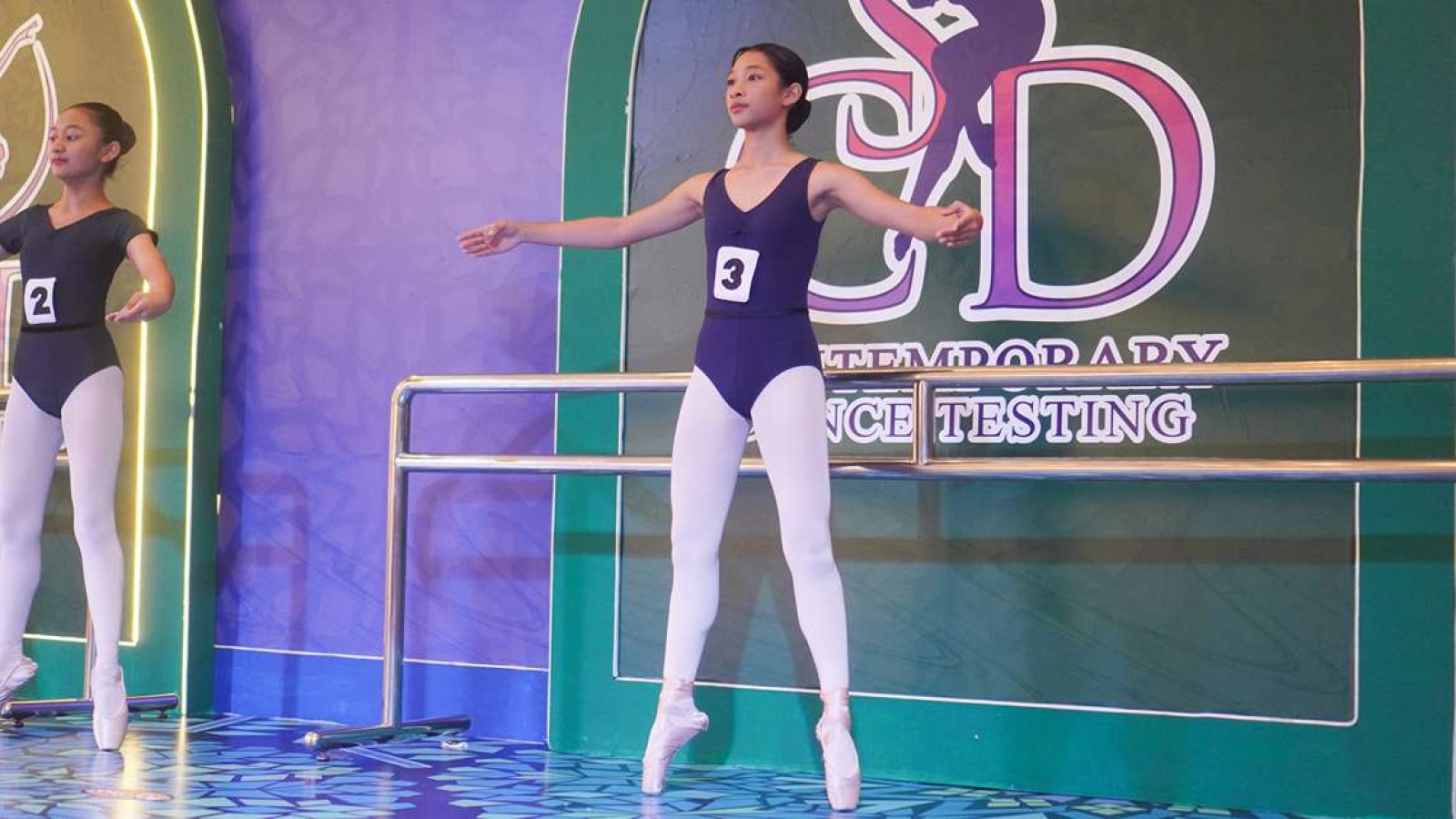
Turnout is a fundamental element of classical ballet technique, where dancers rotate their legs outward from the hips to create the elegant lines and open positions characteristic of ballet.
Achieving proper turnout involves more than simply turning the feet outward, it requires correct alignment, strength, flexibility, and control from the muscles around the hips and legs.
With consistent conditioning exercises, proper training, and supportive ballet stretches, dancers can gradually improve their turnout while maintaining stability and correct placement.
This guide explores the anatomy behind turnout along with strengthening exercises, flexibility work, and alignment tips to help dancers develop safer and more effective technique.
The Anatomy of Ballet Turnout
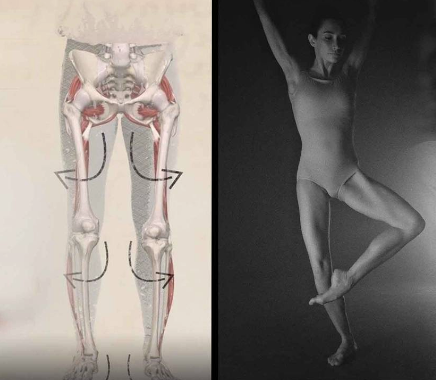
Before trying to improve turnout, it’s important to understand where it actually comes from.
Turnout is the external rotation of the legs at the hip joint. Ideally, both legs rotate outward so the feet form a wide angle while the knees and toes remain aligned.
In classical ballet, dancers often aim for a 180-degree turnout, though the achievable range varies depending on individual anatomy.
Several factors influence turnout ability:
- Bone structure of the hip joint
- Flexibility of surrounding muscles
- Strength of external rotator muscles
- Stability of the pelvis and core
Because these factors differ for every dancer, turnout should never be forced. Instead, it should develop gradually through proper training.
Muscles Responsible for Turnout
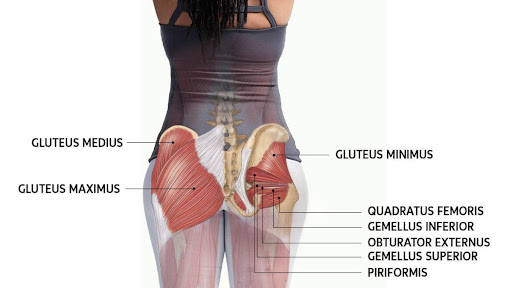
The primary muscles responsible for turnout are the deep external rotators of the hip. These include:
- Piriformis
- Gemellus superior
- Gemellus inferior
- Obturator internus
- Obturator externus
- Quadratus femoris
These small muscles sit deep in the hip and rotate the femur (thigh bone) outward.
The Difference Between Passive and Active Turnout
Actually, turnout can be divided into two types; passive and active. Here’s the differences:
1. Passive Turnout
Passive turnout refers to the maximum outward rotation a dancer can achieve when relaxed or assisted. This range is determined mostly by bone structure and flexibility.
2. Active Turnout
Active turnout is the rotation a dancer can maintain while moving or supporting body weight. This type requires muscular strength and control.
Strength Exercises to Improve Turnout
Strengthening the muscles that support turnout is one of the most effective ways to improve stability and control.
1. Clamshell Exercise
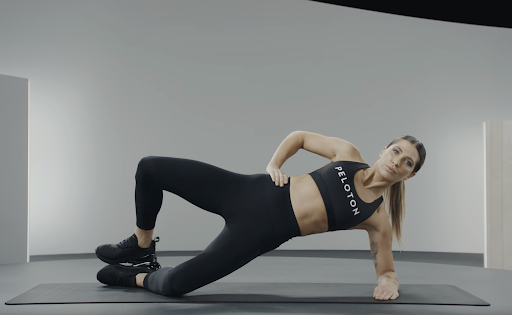
The clamshell exercise targets the deep external rotators and glute muscles. How to perform it:
- Lie on your side with knees bent and feet together.
- Keep your hips stacked and core engaged.
- Lift the top knee while keeping your feet touching.
- Slowly lower the knee back down.
- Repeat for several repetitions on each side.
This movement strengthens the muscles responsible for rotating the thigh outward.
2. Side-Lying Leg Lift
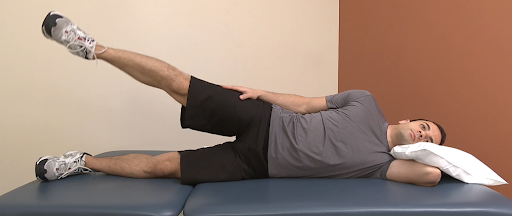
Side-lying leg lifts strengthen the hip abductors and stabilizers.
Steps:
- Lie on your side with legs straight.
- Rotate the top leg slightly outward.
- Lift the leg slowly upward while keeping it long.
- Lower it with control.
This exercise helps build strength that supports turnout while standing.
3. Bridge with Turnout
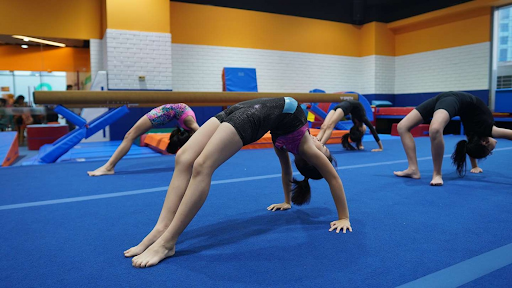
The bridge exercise strengthens the glutes and posterior chain while encouraging proper hip rotation.
Steps:
- Lie on your back with knees bent.
- Place your feet slightly turned out.
- Lift your hips upward into a bridge.
- Maintain turnout in the legs.
- Hold the position briefly before lowering down.
4. Standing Turnout Activation
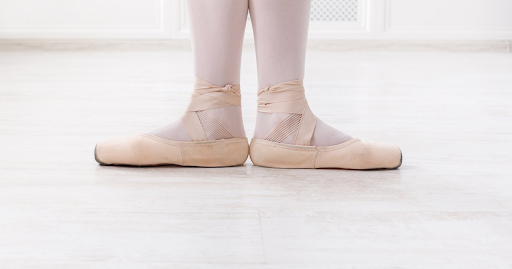
This exercise helps dancers learn to activate turnout muscles while standing.
Steps:
- Stand in first position.
- Engage the external rotators.
- Slowly lift one foot slightly off the floor while maintaining rotation.
- Return the foot without losing alignment.
Practicing this movement trains dancers to maintain turnout during balance.
5. Theraband Rotation Exercise
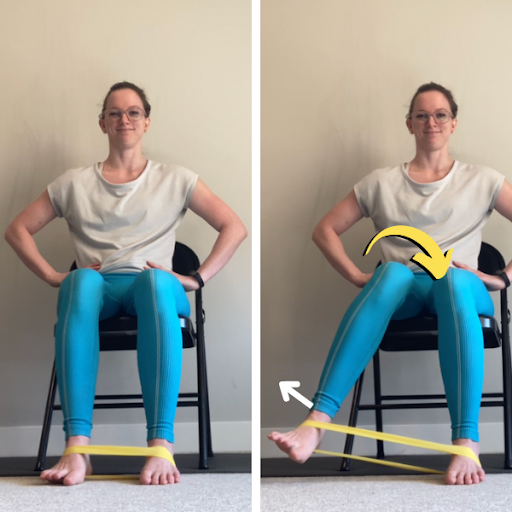
Resistance bands are excellent tools for strengthening turnout muscles.
Steps:
- Sit with legs extended.
- Loop a resistance band around one foot.
- Rotate the leg outward against the resistance.
This exercise helps develop control and stability in the hip joint.
Flexibility Exercises for Turnout
While strength is crucial, flexibility also plays a role in improving turnout. Tight muscles can limit hip rotation, making it difficult to achieve full turnout even when the muscles are strong.
1. Hip Flexor Stretch
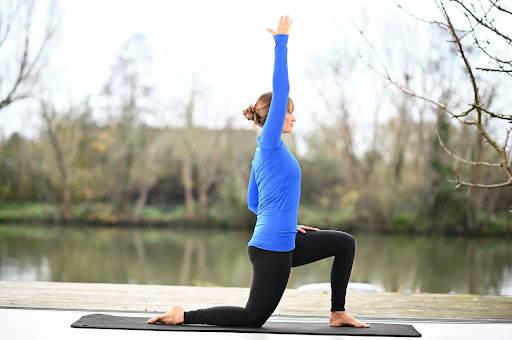
Tight hip flexors can restrict hip mobility. To stretch them, try:
- Kneel in a lunge position.
- Shift your hips forward gently.
- Keep your torso upright.
- Hold for 20–30 seconds.
2. Frog Stretch
.png)
The frog stretch targets the inner thighs and hip joints.
How to do it:
- Start on hands and knees.
- Slide the knees apart while keeping the feet aligned with the knees.
- Lower the hips slightly.
3. Seated Turnout Stretch
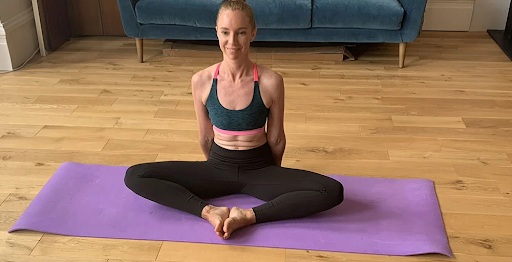
Sit with your legs extended and rotate the thighs outward from the hips. This stretch encourages awareness of hip rotation without forcing the knees or ankles.
Maintaining Proper Placement
Even with strong turnout muscles, dancers must maintain correct alignment to use turnout effectively. Here are important placement principles:
1. Rotate From the Hips
Turnout should originate from the hip joints, not the knees or feet.
2. Align Knees with Toes
When standing in turned-out positions, the knees should always track in the same direction as the toes.
3. Keep the Pelvis Neutral
A neutral pelvis helps maintain balance and prevents strain on the lower back.
4. Engage the Core
Core muscles stabilize the torso and support proper alignment during movement.
How’s Your Ballet Turnout Conditioning?
Building stronger ballet turnout requires consistent practice, proper guidance, and structured training. Rockstar Academy offers professional ballet programs based on the Vaganova syllabus, within a supportive sports & performing arts academy environment, helping students improve technique, flexibility, and overall performance skills.
With experienced instructors and opportunities to participate in RAD ballet Testing, Ballet & Contemporary Dance Recital, Elite Championships, and RockOlympics, students can experience an exciting performance and competition, track their progress, discover their true potential, develop confidence, and earn internationally recognized certifications.
With multiple branches across the Jabodetabek area, getting access to top-quality ballet training has never been easier. Ready to give it a try? Rockstar Academy offers a free trial ballet class, so you can step into the studio, feel the vibe, and start building stronger, more confident ballet technique from day one.
FAQ
What is turnout in ballet?
Turnout is the outward rotation of the legs from the hip joints. It allows dancers to create open positions and perform movements more efficiently.
Can everyone achieve a 180-degree turnout?
No. The maximum turnout angle depends on individual bone structure and joint anatomy. Some dancers naturally have more rotation than others.
Is it safe to force turnout?
No. Forcing turnout can strain the knees and ankles. Turnout should always come from the hips and stay within a dancer’s natural range.