Strength Training for Basketball: Building Power for the Court
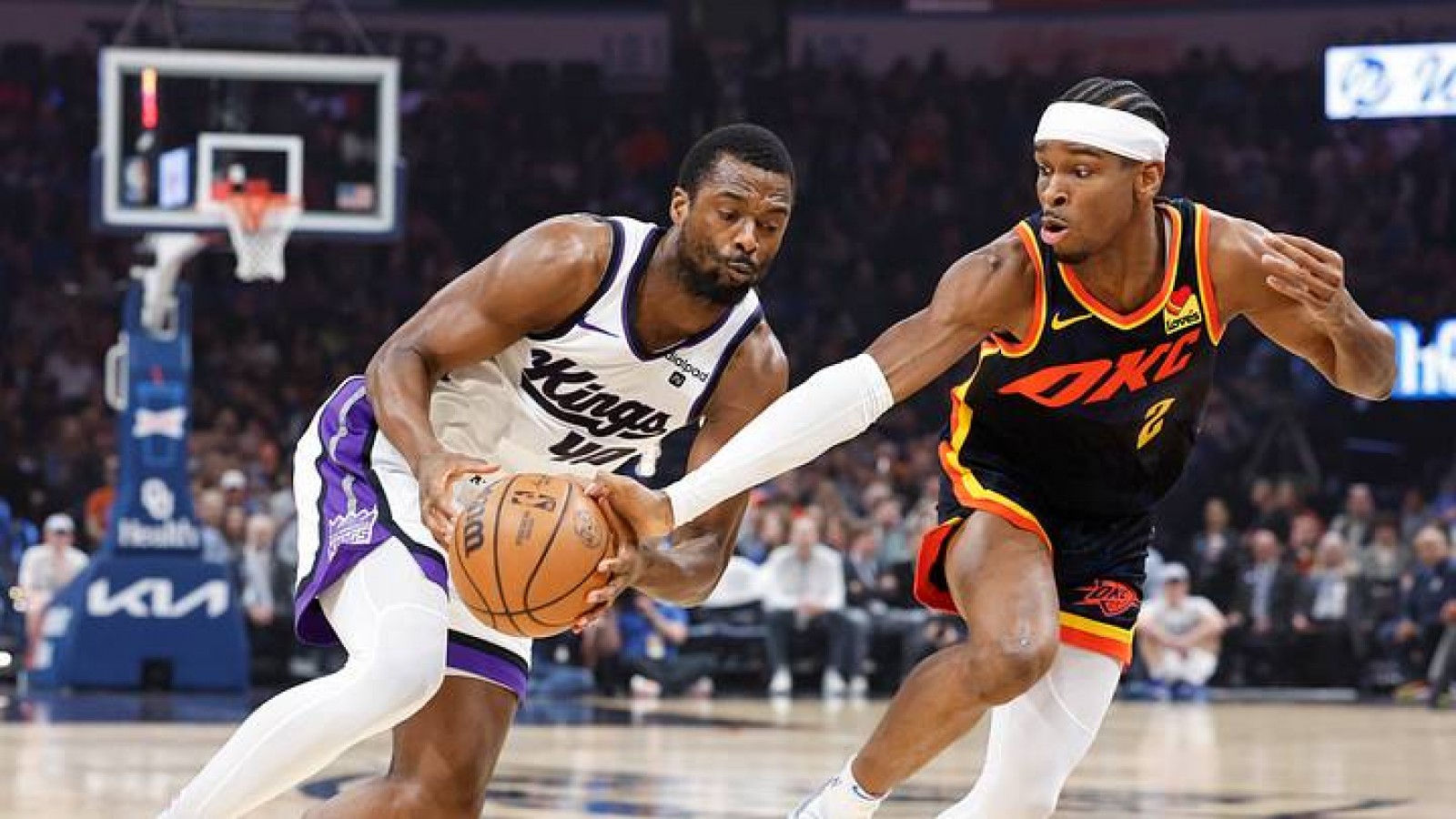
Basketball is a sport that demands a rare combination of athleticism, agility, endurance, and strength. Whether you're driving to the hoop, battling for rebounds, posting up defenders, or sprinting back on defense, power plays a central role in your performance.
Strength training doesn’t just make you stronger, it enhances your explosiveness, improves your stability, increases your endurance, and helps protect your body from injury. Build your strength with this basketball strength training!
Why Strength Training Matters in Basketball
It’s critical to understand why strength training is a foundational piece of basketball development. Basketball movements like jumping, sprinting, cutting, and shuffling rely on coordinated muscular force. Strength training helps improve:
- Explosive power for jumping and acceleration
- Upper body strength for finishing through contact and rebounding
- Core stability for balance and change of direction
- Muscular endurance for sustained performance throughout games
- Injury resilience and motor control
Without targeted strength development, players may struggle to generate force efficiently, leading to reduced performance and greater injury risk.
Essential Strength Lifts for Basketball Players
A balanced basketball training workout should include compound lifts that recruit multiple muscle groups and replicate the dynamic actions of basketball. These exercises train muscles to work together, improving functional strength rather than isolated muscle development.
1. Squats (Back or Front Squat)
.jpg)
Squats build foundational lower-body strength that directly supports jumping, sprinting, and overall stability. They develop the quads, hamstrings, glutes, and core while improving force production through the hips, knees, and ankles for explosive movements.
2. Deadlifts
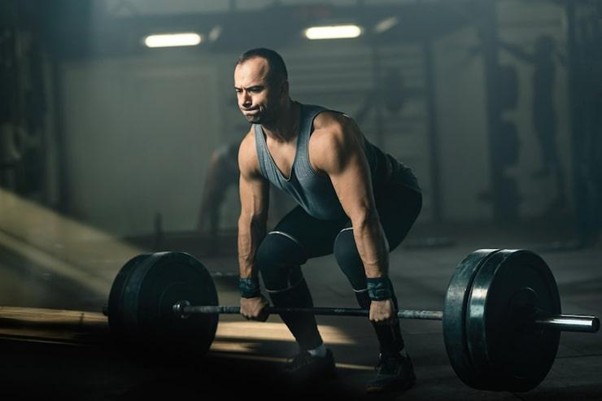
Deadlifts strengthen the posterior chain (glutes, hamstrings, and lower back), which is essential for powerful acceleration and vertical lift. This exercise enhances hip-hinge mechanics and overall stability, translating to stronger strides and jump takeoffs.
3. Bench Press
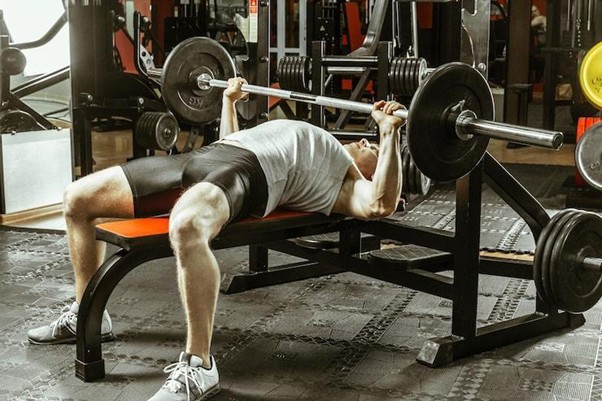
The bench press develops chest, shoulders, and triceps, supporting upper-body power for finishing at the rim, passing, and absorbing contact. It also helps maintain balance between upper- and lower-body strength.
4. Pull-Ups and Rows
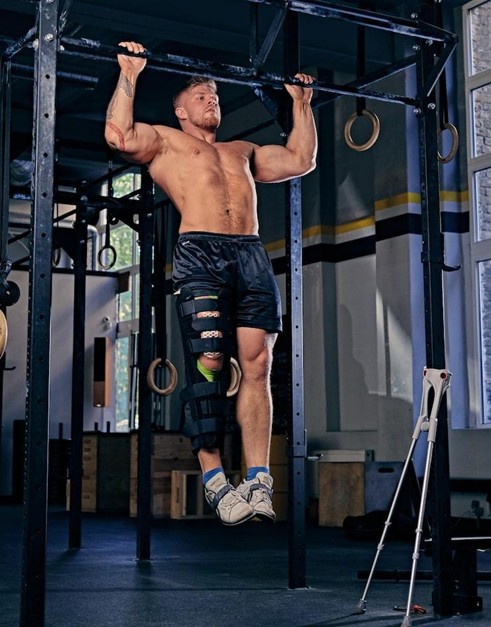
These pulling movements build a strong back and improve posture, shoulder stability, and upper-body control. They aid rebounding, defense, and physical play while balancing pressing exercises to reduce injury risk.
5. Lunges and Split Squats
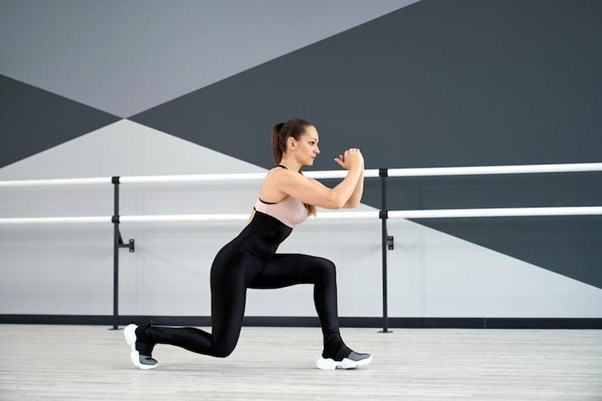
Unilateral leg exercises improve balance, correct strength imbalances between sides, and enhance hip stability. They boost agility, cutting ability, and single-leg power important for game-like movements.
Structuring a Strength Training Workout
A well-structured strength workout for basketball should be purposeful, progressive, and balanced. Here’s a format you can follow, whether in the off-season or in-season:
1. Warm-Up (10–15 Minutes)
Before lifting, warm up with:
- Light dynamic movements (high knees, butt kicks, hip openers)
- Mobility drills (ankle, hip flexor, thoracic spine)
- Light activation exercises (glute bridges, planks)
A proper warm-up increases blood flow and prepares the nervous system for higher-intensity work.
2. Main Strength Block
Plan 3–4 days per week of strength work, alternating between lower and upper body emphasis.
| Day | Focus |
| Day 1 | Lower Body (Squat, Deadlift, Lunges) |
| Day 2 | Upper Body (Bench, Pull-Ups, Rows) |
| Day 3 | Power and Conditioning (Explosive Movements, Core) |
| Day 4 | Full Body Strength and Mobility |
Aim for 3–5 sets of 5–8 reps for major lifts (squats, deadlifts, bench) to build strength and power. For accessory work (lunges, pull-ups), 8–12 reps help build muscle endurance and stability.
3. Accessory and Power Work
Incorporate exercises that bridge strength with explosiveness, such as:
- Box jumps and plyometrics for vertical power
- Medicine ball slams for rotational strength
- Speed sled pushes for acceleration
- Core circuits for stability and force transfer
This blend supports athletic performance and mimics basketball’s dynamic demands.
4. Cool Down and Recovery (10 Minutes)
Post-training recovery should include static stretching, foam rolling, and proper hydration with protein and carbohydrates. These steps help muscles relax, repair, and adapt, making recovery just as important as the workout itself.
Benefits of Strength Training for Basketball
Strength training offers more than bigger muscles, it improves performance and longevity on the court.
1. Increased Explosive Power
Stronger legs and glutes contribute to higher vertical jumps, quicker first-step acceleration, and more powerful drives to the basket.
2. Better Physical Match-Ups
Increased upper body and core strength enable players to absorb contact, secure rebounds, and maintain position against defenders.
3. Enhanced Endurance and Efficiency
Strength training improves muscular endurance, allowing players to maintain intensity through quarters and late-game moments.
4. Injury Prevention
By strengthening muscles, tendons, ligaments, and joints, strength training reduces the likelihood of common basketball injuries like ankle sprains, knee strains, and lower back issues. Balanced development also ensures better posture and movement patterns.
Improve Your Basketball Strength!
Building strength is only one piece of becoming a complete basketball player, applying that strength in real games or basketball competitions is what truly elevates performance. That’s why training in a structured, supportive, and professional environment can make a huge difference.
At Rockstar Academy Sports & Performing Arts Academy, athletes gain access to high-quality basketball classes and a wide range of Physical Education (PE) programs designed to develop strength, skill, coordination, and confidence in a balanced way.
With experienced coaches, age-appropriate programming, and a positive training culture, players can progress faster while enjoying the process.
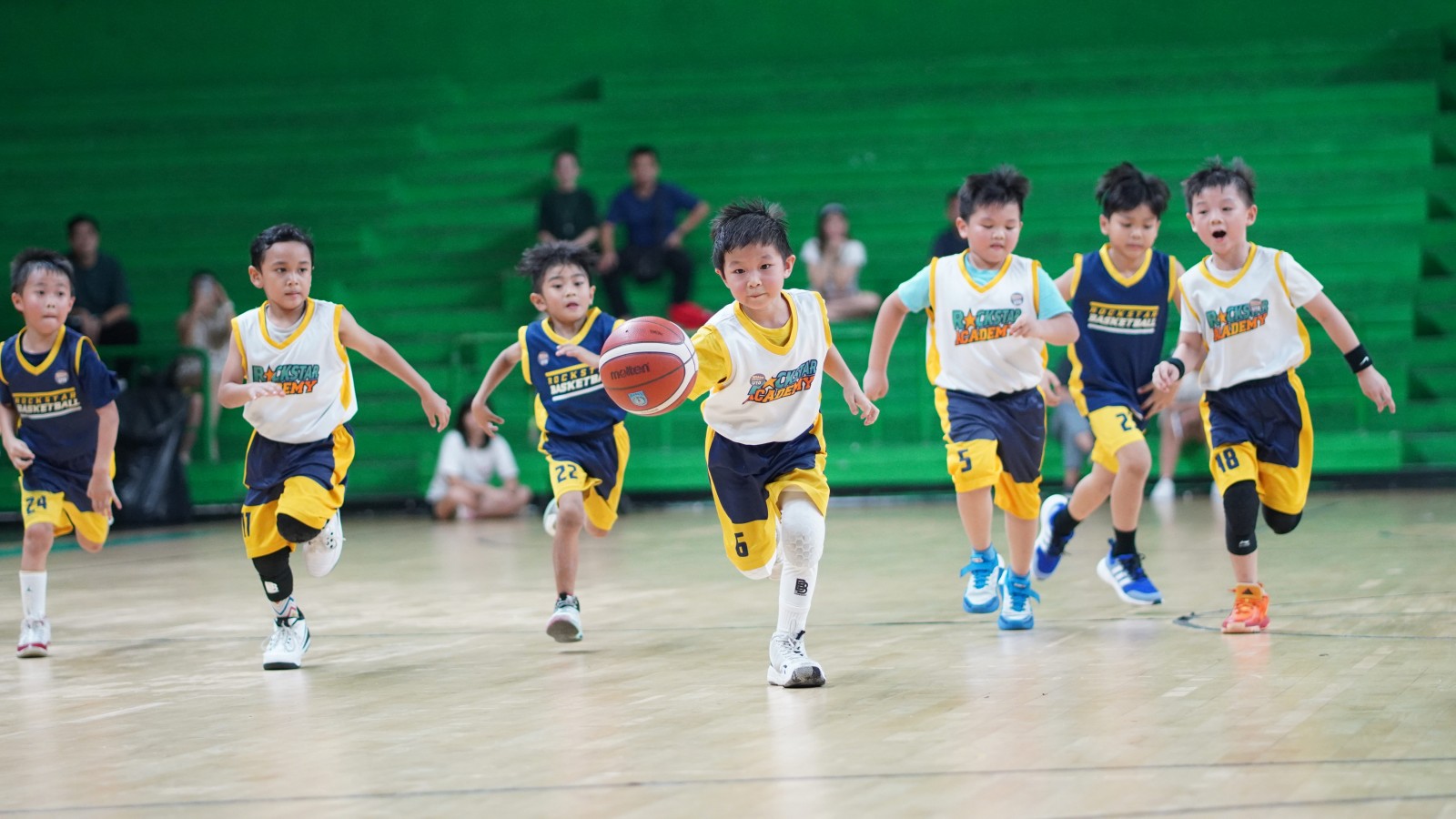
At Rockstar Academy, our Basketball Program not only teaches basketball skills but also provides students with genuine opportunities to excel, such as competing in the Elite Championships and RockOlympics.
These events encourage young athletes to set higher goals, remain active, and develop discipline and sportsmanship. Children learn to manage both victories and setbacks confidently, growing into better players and more resilient individuals.
For those ready to elevate their game and compete as part of RockStar Club under Perbasi, our Dream Team program delivers the ultimate challenge—120 minutes of high-intensity training led by our most experienced coaches.
If you’re ready to take your development to the next level, this is the perfect time to get started. You can explore their basketball program and sign up for a free trial class at Rockstar Academy to experience the training environment firsthand before committing.
Whether you’re aiming to build power, sharpen fundamentals, or grow as an all-around athlete, Rockstar Academy offers flexible programs to match your goals, helping you turn hard work in the gym into real results on the court.
FAQ
How often should a basketball player strength train?
Aim for 3–4 sessions per week, with at least one full rest day. Adjust based on season schedule and recovery needs.
Can strength training improve my vertical jump?
Yes. Exercises like squats, deadlifts, and plyometrics build the lower body power necessary for higher jumps.
Should I continue strength training during the season?
Yes, but reduce volume and focus on maintenance rather than heavy loads. Shorter, dynamic workouts help maintain strength without overtaxing your body.
What’s more important: strength or skill practice?
Both are essential. Strength training enhances physical capacity, while skill practice improves basketball movements, shooting, and decision-making. A balanced approach yields the best results.
Do I need a gym to strength train for basketball?
No. Bodyweight exercises, resistance bands, medicine balls, and plyometric drills can effectively build strength without a full gym setup.