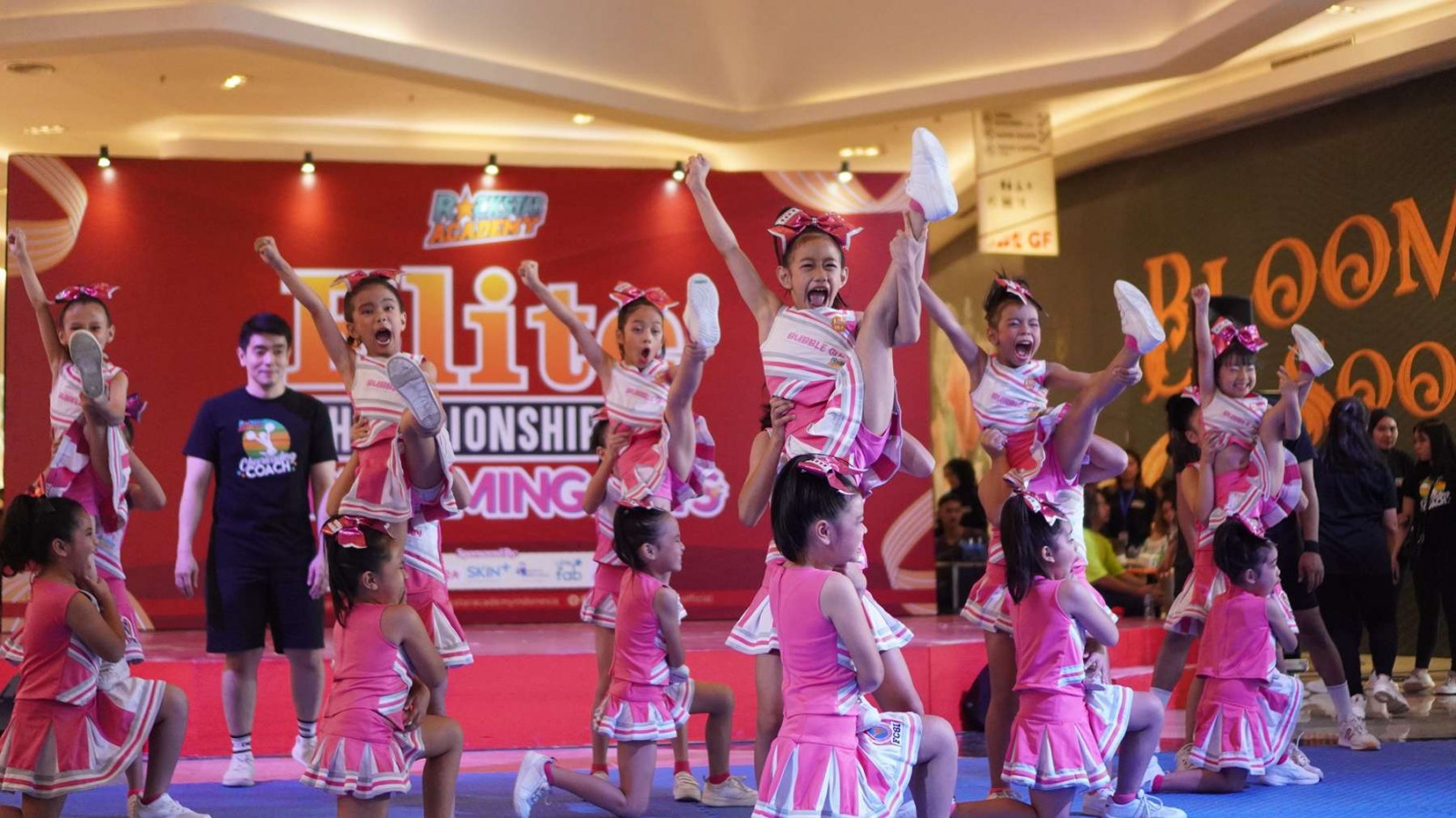
Dance Lifts: How to Achieve Flawless, Safe Lifting in Any Style

Dance lifts are the wow factor we all love. They make dancers look weightless, powerful, and perfectly in sync. But behind every stunning lift is teamwork, technique, trust, and a whole lot of practice… plus a few giggles from the occasional “Oops, let’s try that again!”
In this guide, we’ll break down how dance lifts work, how to perform them safely, and what each dancer’s role truly is. Whether you’re a beginner exploring partnering for the first time or a more experienced dancer looking to refine your skills, this article will help you lift smarter and dance with confidence. Let’s check it out!
What Are Dance Lifts?
A dance lift is a partnered movement where one dancer is lifted, supported, or elevated off the ground by another dancer. Lifts appear in nearly every dance style, including:
- Ballet
- Contemporary/Modern
- Ballroom/Latin
- Jazz Dance & Lyrical
- Hip Hop & Commercial
Roles and Responsibilities in a Dance Lift
A great lift doesn’t happen because one dancer is strong or the other is flexible—it happens because both dancers play their part. Think of it like a partnership where each person has their own job, but both roles are equally important.
A. The Base (Lifter)
The base is the dancer who supports, stabilizes, and lifts their partner. Their job isn’t just about strength. A strong base provides a steady foundation, moves with control, communicates clearly, and guides the flyer safely back to the ground.
With good posture, solid alignment, and engaged muscles, the base ensures both dancers feel secure throughout the lift. The more stable the base is, the smoother and safer the lift will feel.
B. The Flyer (Lifted Partner)
The flyer might be the one lifted off the floor, but they’re definitely not just along for the ride. Flyers carry just as much responsibility as the base because their body control, strength, and communication directly affect how smooth and safe the lift will be.
A good flyer stays engaged, helps create momentum, maintains beautiful lines in the air, and speaks up immediately if something feels off.
To be lifted safely, the flyer must stay tight and controlled during the takeoff. This means engaging the core, activating the legs, reaching through the arms, and keeping the entire body compact.
C. The Spotter
While the base and flyer are the stars of the lift, the spotter is the quiet hero who keeps everyone safe. A spotter is usually a coach, instructor, or trained dancer who stands nearby to assist, guide, and catch if anything goes off-balance.
Their role is not to do the lift for you but making sure both dancers can practice with confidence and without unnecessary risk.
A spotter helps ensure that the lift is performed with proper technique, and they are especially important when dancers are learning a new lift, building strength, or trying more advanced movements.
How to Successfully (and Safely!) Lift a Partner
Here’s a complete breakdown of how to approach partnered dance lifts:
1. Warm Up Properly—Don’t Skip This!
A proper warm-up is the first and most important step before attempting any lift. Your body needs to be warm, mobile, and ready to move with strength and control. Warming up increases circulation, activates the muscles you’ll use most, and helps prevent unnecessary injuries.
Both dancers should focus on warming the core, legs, shoulders, and back. Light cardio, arm circles, planks, hip mobility exercises, and gentle stretches prepare your body to work as a supportive base or a stable flyer.
2. Establish Communication and Trust
Clear communication is the foundation of every safe lift. Before even attempting the movement, both dancers should check in with each other: “Are you ready?” “Are you comfortable doing this lift today?” “Who’s counting us in?”
Simple conversations make a huge difference. Trust is essential, especially for the flyer, who must feel safe leaving the ground. If something feels off, unstable, or confusing, speak up immediately.
3. Always Learn With a Spotter or Instructor
A spotter or trained instructor acts as your safety net during practice. They stand close enough to catch you if something goes wrong and guide your technique from the outside.
Their presence helps prevent falls, teaches proper alignment, and ensures both dancers stay safe while learning. Spotters can quickly correct timing, hand placement, or body position, which speeds up the learning process.
4. Start with Beginner Lifts
Just like you wouldn’t start ballet by attempting fouetté turns, you shouldn’t start partnering with overhead lifts. Begin with low, simple lifts that build strength and coordination.
These might include small assisted jumps, gentle dips, hip-level lifts, or supported balances. Starting small helps both dancers understand timing, weight transfer, and body control without the pressure of height or complexity.
Once these basics feel consistent and comfortable, you can gradually level up to more challenging lifts.
5. Use Proper Technique (Not Just Strength!)
One of the biggest myths in dance partnering is that the base has to be extremely strong. While strength helps, what truly makes lifts successful is technique. Proper posture, alignment, breath control, and timing turn what seems like a heavy lift into something surprisingly light.
Bases should rely on their legs and core rather than their arms and shoulders. Flyers should stay engaged rather than limp. When both dancers move with intention and technique, the lift feels smooth and effortless—almost like floating.
6. Practice Controlled Landings
A lift isn’t complete when the flyer is in the air—it’s complete when both dancers return to the ground safely and smoothly. Practicing controlled landings helps avoid hard drops, twisted ankles, or sudden collapses.
Returns should be gentle, guided, and intentional. The base bends their knees to absorb impact while supporting the flyer all the way down. The flyer stays engaged through the core and legs until they feel the floor under them again.
7. Build Strength and Flexibility Specifically for Lifts
While technique is the star, targeted strength and flexibility make lifts safer and more stable. Bases benefit from strengthening exercises like squats, lunges, and planks to build stability and power.
Flyers can work on core strength, back flexibility, balance, and clean lines. Both dancers should train mobility in their hips, shoulders, and spine, which reduces stiffness and helps prevent injury.
8. Break Down the Lift Into Steps
Every lift, no matter how dramatic, can be broken down into smaller steps. Start with the entry: where your feet go, where your hands connect, and how you prepare. Next, practice the “half-lift”.
Then, slowly build up to the full lift and finally practice the landing. Breaking it down allows dancers to understand each part of the movement and correct mistakes early. This step-by-step method makes even complicated lifts feel manageable and safe.
9. Use Proper Grip and Hand Placement
Both dancers should always know exactly where the hands should go. The right placement provides stability and support without causing discomfort or risk. Bases often hold the flyer’s waist, hips, ribs, or underarms.
Flyers should place their hands where they can help balance without pulling or pushing unpredictably. Good grip feels strong but gentle, secure but not restrictive.
10. Timing Is Everything
The most successful lifts happen when both dancers move in perfect sync. If the base lifts too early or the flyer jumps too late, the whole movement becomes unstable.
Practicing counts together helps both dancers find their rhythm. When timing clicks, the lift feels natural and weightless.
11. Know Your Limitations
Every dancer has different strengths, body types, and levels of experience. Respect your limits and recognize when a lift feels too advanced or too risky for your current skill level.
If you're tired, sore, or unsure, it's completely okay to pause or skip the lift for the day. Lifts are not worth forcing and rushing can lead to injury.
12. Keep Practicing—Progress Comes With Time
Mastering lifts takes patience, repetition, and teamwork. Even seasoned dancers practice lifts over and over before they become performance-ready. The more you practice together, the more trust you build and the more effortless the movement becomes.
Ready to Try Dance Lifts?
Mastering dance lifts isn’t just about strength or technique. When you learn to lift with confidence, you unlock a whole new world of artistry, expression, and teamwork. If you’re excited to take your dance skills to the next level, Rockstar Academy is the perfect place to grow.
As the best Sports & Performing Arts Academy, our dance program is designed to help you build strong foundations, develop beautiful partnering skills, and experience the thrill of performing in major events like the Dance Recital, Elite Championships, and RockOlympics.
And if you’re still unsure, no worries—you can sign up for a free trial class first and feel the magic yourself. Ready to dance, lift, perform, and shine? Enroll at Rockstar Academy today and start your journey to becoming a truly confident, dynamic dancer!
FAQ
Do you have to be very strong to do dance lifts?
Not necessarily! Strength helps, but technique, core control, and timing are what truly matter. Many lightweight dancers can safely lift their partners with proper training and alignment.
Can beginners do lifts?
Yes—simple lifts. Start small and always practice with an instructor or spotter.