The Power of Collaborative Play: Building Social Skills Through Cooperation
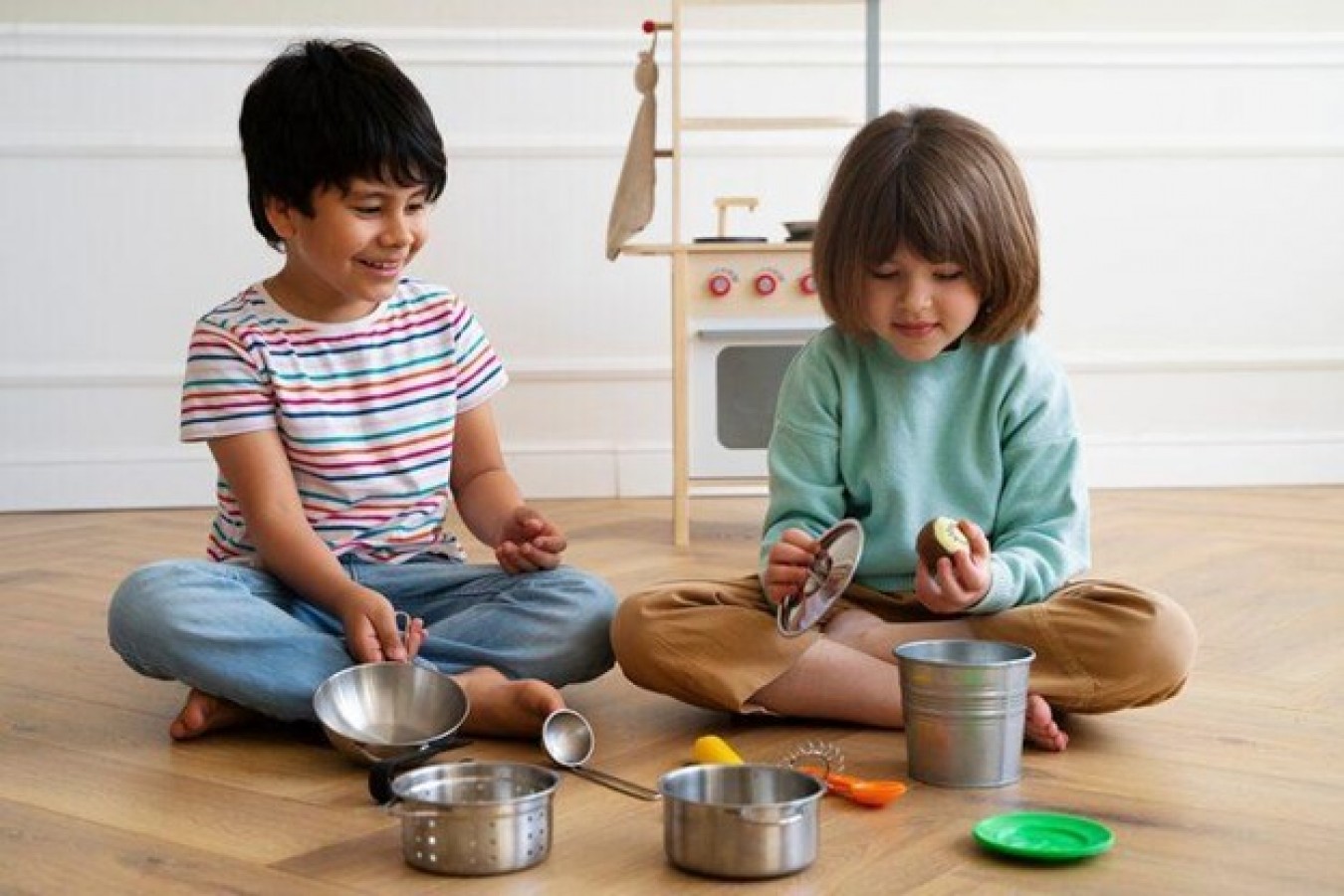
Collaborative play on children isn’t just about having fun (though it definitely is!). It’s one of the most powerful ways children learn social skills, empathy, communication, and teamwork. Through cooperation, kids move from thinking “mine!” to understanding “ours.” And that shift changes everything.
Let’s explore how social play develops, how children transition from self-focused to team-focused thinking, and how simple two-person activities can nurture cooperation in meaningful ways.
What Is Collaborative Play?
Collaborative play happens when two or more children work together toward a shared goal. Instead of playing side-by-side, they interact, negotiate, plan, and problem-solve together.
This type of play helps children develop:
- Communication skills
- Emotional regulation
- Conflict resolution
- Empathy
- Leadership and compromise
- Trust and shared responsibility
Why Two-Person Activities Are So Powerful
Some activities simply cannot be done alone. And that’s where cooperation becomes essential. When children face tasks that require two people to function, they must:
- Communicate clearly
- Coordinate movements
- Adjust to each other
- Be patient
- Trust their partner
As children mature, something beautiful happens. Through repeated social experiences, they start realizing: “If we work together, we can do more.” That realization is the birth of cooperation.
Activities That Encourage Cooperation
Play is important for children, but some parents might find it difficult to utilize the correct activities. To help you out, here are several collaborative play activities you can try:
1. The Two-Person “Saw” Game
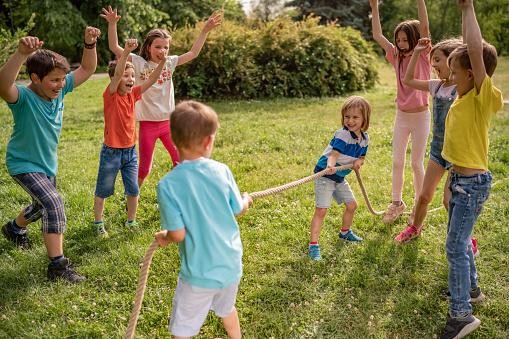
Inspired by the classic image of two people working a large saw together, this child-friendly version is simple, safe, and surprisingly powerful. In this activity, two children sit facing each other while holding opposite ends of a scarf, rope, or resistance band.
Their goal is to move their arms back and forth in a steady rhythm, pulling and releasing evenly like a real two-person saw.
The magic happens when they realize that success depends on balance. If one child pulls too hard or too quickly, the rhythm falls apart. They quickly learn to adjust to each other’s pace, communicate, and stay in sync.
Through this playful exercise, children develop timing, communication skills, shared responsibility, physical coordination, and patience. It becomes clear that the activity simply doesn’t work unless both participants cooperate and stay connected.
2. Moving a “Heavy” Box Together
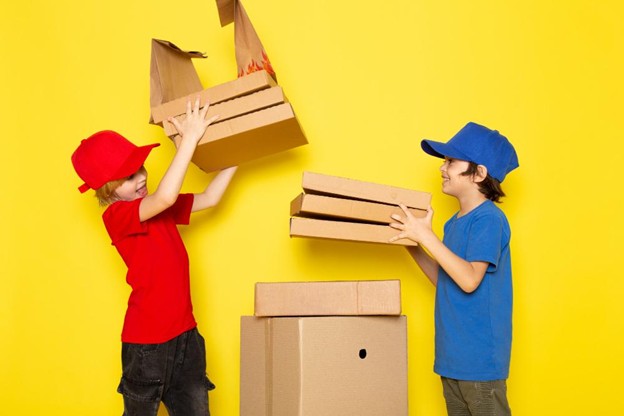
This activity is wonderfully simple yet deeply effective. Fill a large box with toys or soft items to make it heavy, but still safe to lift. Then ask two children to move it from one side of the room to the other.
At first, you might see confusion or disagreement. Who lifts first? Which direction should they go? But as they attempt the task, they naturally begin communicating. They may start counting together, adjusting their grip, or encouraging each other when the box feels awkward.
Very quickly, children discover that lifting together is much easier than arguing about how to lift. This experience builds team planning skills, problem-solving abilities, physical cooperation, and even encouragement skills as they support one another through the challenge.
3. Building One Shared Structure
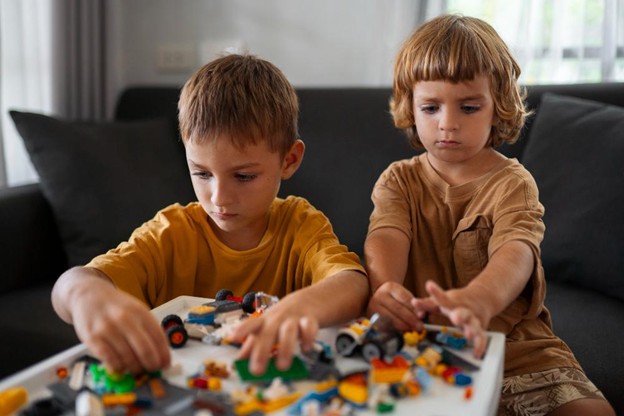
Give two or three children a limited number of blocks and one shared mission, such as building a bridge strong enough to hold a toy car. The key to this activity is limited materials. When resources are scarce, children must plan carefully and communicate clearly.
They can’t each build their own structure. They must share blocks, take turns placing pieces, agree on a design, and make adjustments if the structure collapses.
When the bridge falls, it’s no longer one child’s mistake as it becomes a shared problem to solve. This transforms failure into a team learning experience. Children practice sharing resources, compromising on ideas, and revising plans together.
4. Partner Art Projects
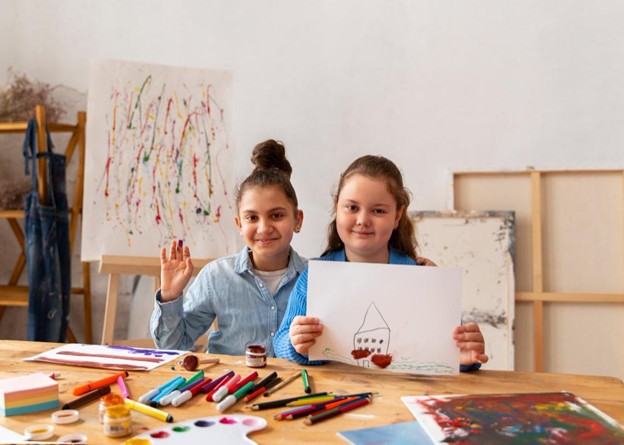
Tape a large sheet of paper to the table and provide two children with one shared set of crayons or markers. Their goal is to create one single picture together.
Although it sounds simple, this activity requires real negotiation. Which color should they use? What should they draw? Where should each person work on the page?
As they collaborate, children build listening skills, learn to respect different ideas, and practice creative compromise. They begin to understand that combining ideas can make the artwork even better than working alone.
5. Three-Legged Races (or Modified Version)
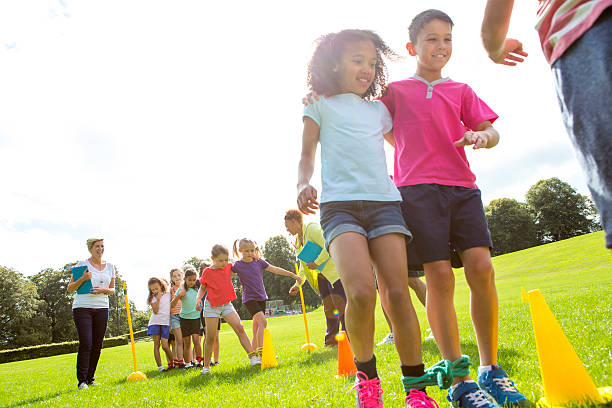
In this classic cooperative activity, two children stand side by side and have their inside legs loosely tied together (or they can hold a short stick between them as a safer alternative). Their challenge is to walk, or race, while staying in sync.
They quickly discover that success depends on communication. They must talk to each other:
- “Step together!”
- “Slow down!”
- “Ready? Go!”
This activity strengthens rhythm, verbal communication, coordination, and shared pacing. It teaches children that moving forward together requires listening and adjusting.
6. Cooperative Board Games
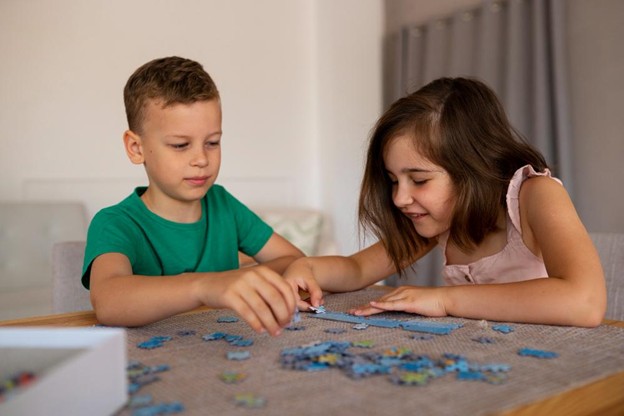
Unlike competitive games where players try to beat each other, cooperative board games challenge players to beat the game itself. Everyone wins together or loses together.
Because the goal is shared, children naturally discuss strategies, make decisions as a group, and support one another when challenges arise. They celebrate victories collectively and learn resilience when things don’t go as planned.
These games teach strategy discussion, shared success, emotional regulation, and team decision-making. Most importantly, they shift the mindset from “me versus you” to “us versus the problem,” reinforcing the heart of cooperation.
Let Your Child Learn, Play, and Shine Together
If you’re searching for the best early childhood education to nurture these important life skills, try Preschool & Kindergarten at Rockstar Academy. Only at the best Sports & Performing Arts Academy, your child experiences a balanced program that combines academics with various physical activities, exciting events, and competitions designed for different ages, skill levels, and interests.
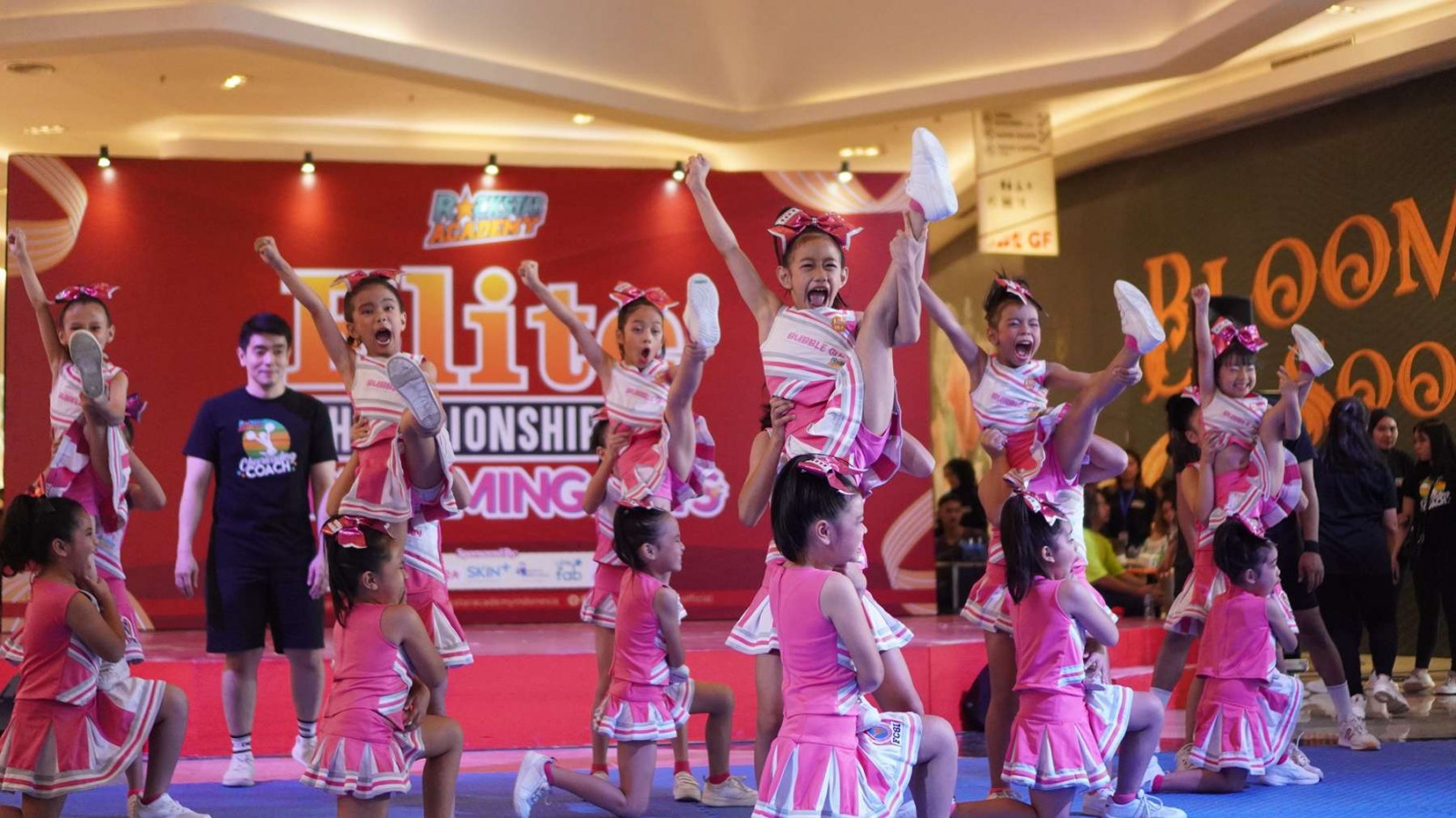
With the right guidance from experienced teachers, children learn to become more adaptive, cooperative, and confident in their own abilities. They’ll even have the opportunity to participate in the prestigious Elite Championships, an incredible experience that builds teamwork and courage.
Not sure yet? Rockstar Academy also offers a free trial class before enrolling, so your child can experience the fun, friendship, and growth firsthand.
FAQ
At what age should children start cooperative play?
Cooperative play typically begins around age 4, but foundations start much earlier through parallel and associative play. Even toddlers can begin practicing simple turn-taking.
What if my child refuses to share?
Sharing is developmental. Instead of forcing it, model sharing and create activities where cooperation benefits them. Over time, children naturally move from “mine” to “ours.”
Are competitive games bad for children?
Not at all! Competition can be healthy. But balance is key. Including cooperative games teaches teamwork alongside sportsmanship.