Learn 12 Cheerleading Stunts and How To Do Them!
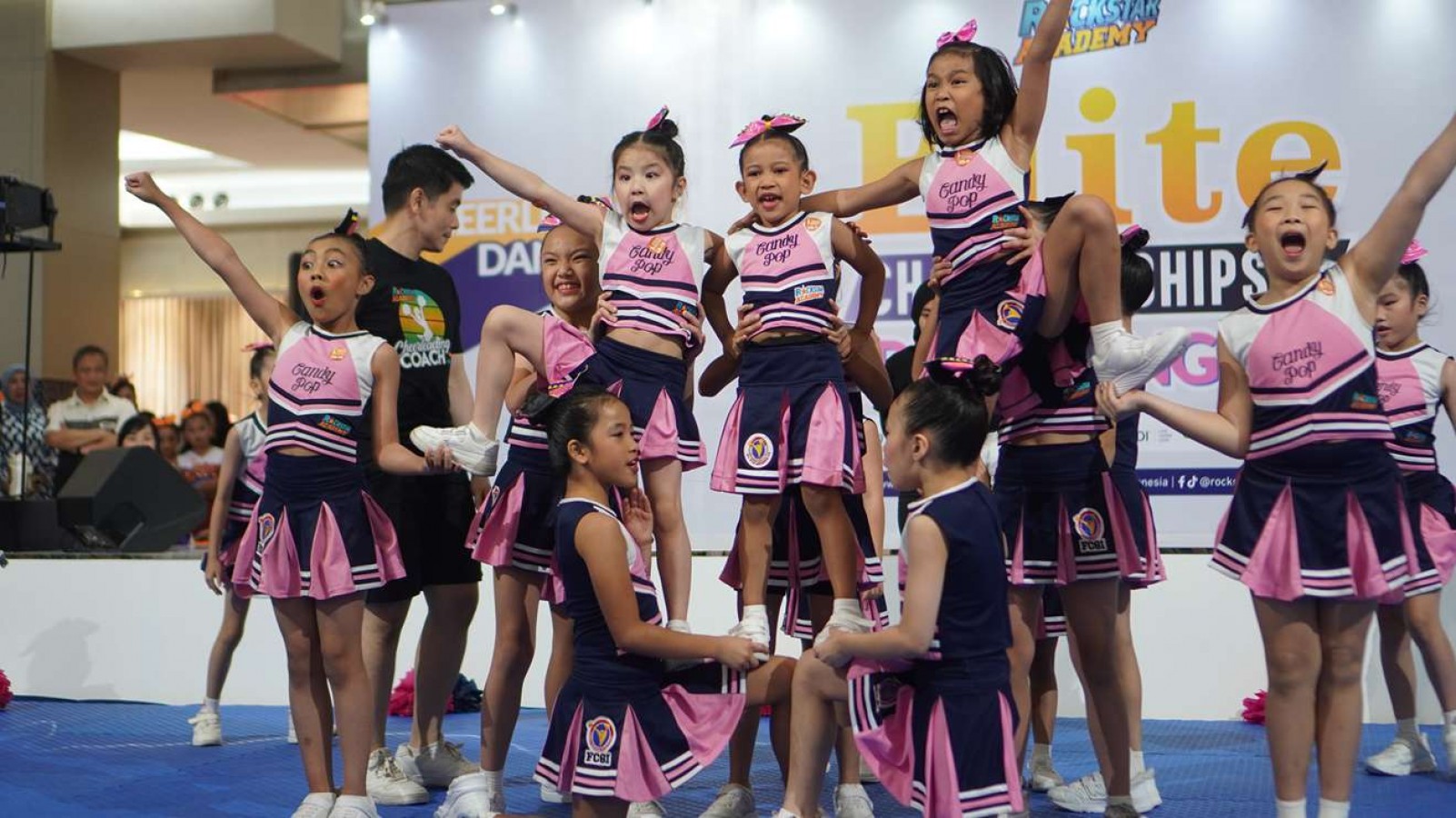
When you think of cheerleading, the first thing that comes to mind is the energy, the spirit, and of course—the jaw-dropping cheerleading stunts. These moves aren’t just for show; they’re the heart of what makes cheerleading so thrilling to perform and to watch.
Stunts combine balance, strength, timing, and trust between teammates. You don’t have to be a pro to start learning them. In this guide, we’ll break down 12 cheerleading stunts step by step, so you can understand the basics and build your way up to more advanced skills. Make sure to check it out till the end!
12 Cheerleading Stunts
Cheerleading is a whole lot of energy! One of the most exciting parts of cheer is cheerleading stunts. If you’re just starting cheerleading or want to understand the basics, here’s a guide to 12 cheer stunts you have to know:
1. High V and Low V
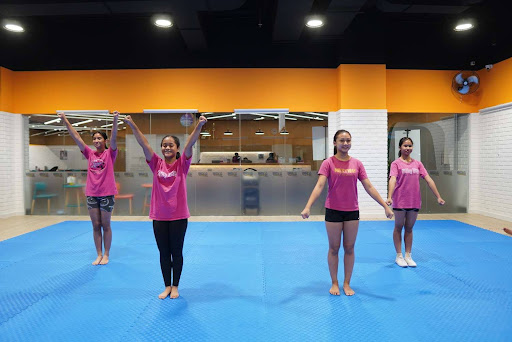
The High V and Low V are among the most important foundational arm positions in cheerleading. In a High V, you raise your arms straight up into a strong “V” shape above your head, with your fists facing forward.
In a Low V, your arms form the same “V” shape but extend downward below your waist. While they may look simple, these motions are used repeatedly in routines, chants, and even transitions into bigger stunts.
By mastering High V and Low V, cheerleaders learn sharp body control, clean lines, and skills that are essential for both beginner and advanced levels.
2. Tumbling
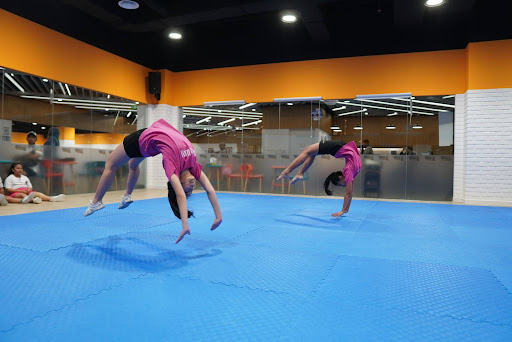
Tumbling is one of the most thrilling and crowd-pleasing elements of cheerleading. It brings the “wow” factor to routines, combining gymnastics-style skills with explosive energy.
But while tumbling looks exciting, it’s also one of the most challenging areas for cheerleaders to master because it requires strength, control, and near-perfect technique.
At the heart of tumbling is the handstand. Even though handstands are not performed in competitions on their own, they teach cheerleaders essential balance, body alignment, and upper body strength. Without a solid handstand, it becomes much harder to progress to advanced tumbling skills.
From there, cheerleaders begin learning round-offs, which act as the launchpad for most running tumbling passes. The round-off allows athletes to generate momentum while staying controlled.
Next comes the back handspring, a staple move where cheerleaders flip backward with their hands touching the floor. This move not only looks impressive but also builds the power and confidence needed for more advanced stunts.
3. Clap and Clean
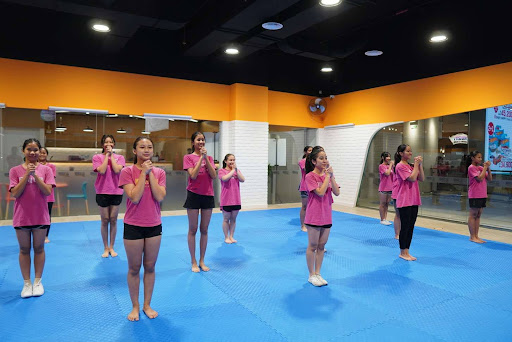
The Clap and Clean might seem basic, but they form the backbone of many cheer routines. The Clap is a quick, sharp motion where you bring your hands together in front of your chest.
The Clean follows by bringing your arms straight down to your sides, fists tight against your body. These two motions are often used to transition between more dynamic stunts or jumps.
The precision of a Clean shows discipline and attention to detail, which judges and audiences notice right away. Practicing these moves helps cheerleaders develop rhythm, synchronization with their team, and the ability to hit motions with crisp accuracy.
4. Elevator (Prep)
.jpg)
The elevator, or prep, is one of the most important foundational stunts. Two bases hold each of the flyer’s feet at waist level, then extend to bring the flyer to shoulder height.
The flyer locks her legs and squeezes her core to stay upright. The back spotter supports the ankles for balance and safety. This stunt is often the starting point for more advanced lifts.
5. Extension
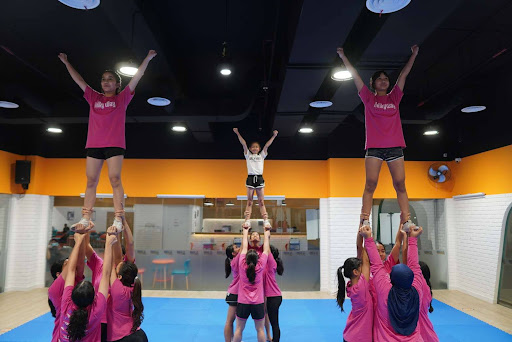
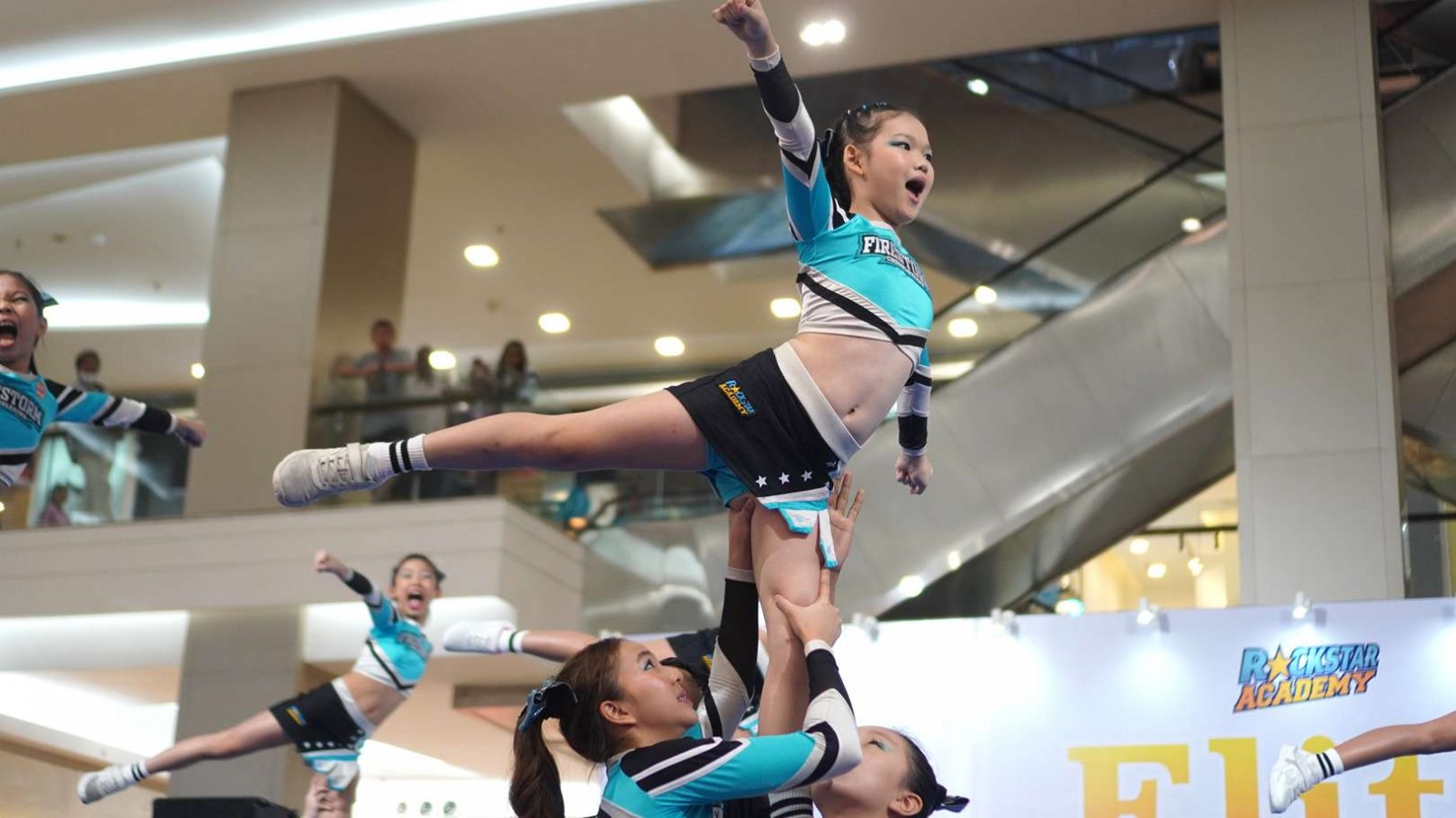
An extension is like taking the elevator up a notch! From the shoulder-level prep, the bases straighten their arms all the way, holding the flyer above their heads.
The flyer stands tall with knees locked, arms up, and a tight body line. A strong grip and perfect timing are essential here to keep everything steady.
6. Dismount
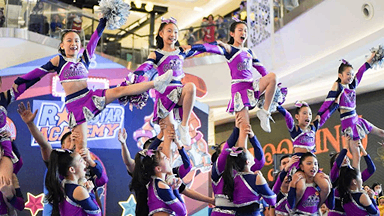
Every stunt needs a safe and stylish exit which people usually call dismount. The simplest way is for the bases to lower the flyer back down to the ground slowly, but a more exciting option is the cradle.
To cradle, the bases release the flyer’s feet and catch her safely in a seated position. Flyers should keep arms tight and prepare for a soft landing.
7. Grip
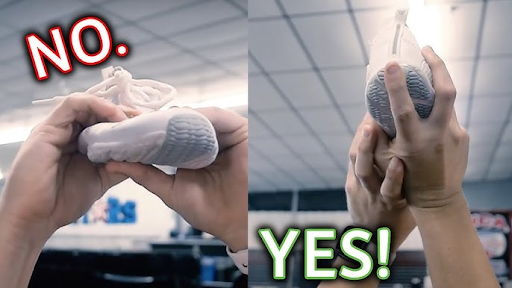
The grip is the foundation of stunt safety. Bases hold the flyer’s foot with palms facing up, fingers wrapped around the sides, and thumbs on top for control.
A strong and secure grip keeps the flyer stable and makes it easier to transition smoothly into other stunts. Without a solid grip, the whole stunt can feel wobbly.
8. Load
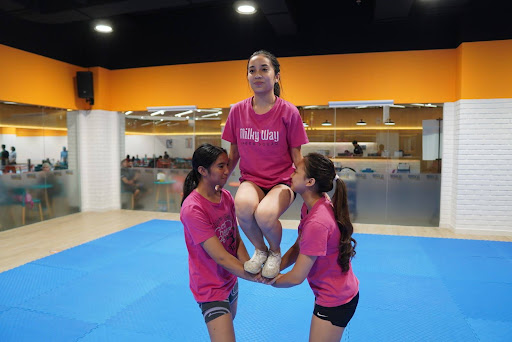
The load is the setup to get into a stunt. The flyer starts by stepping onto the bases’ thighs or cupped hands while everyone bends their knees together.
Then, with a synchronized push, the flyer is lifted into position. A smooth load ensures that the flyer goes up straight and balanced, ready for the stunt ahead.
9. Toss Up
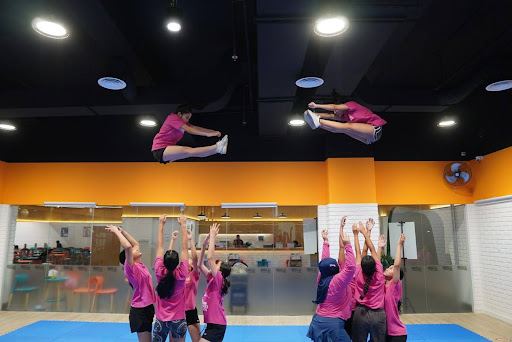
The toss-up is an exciting way to launch into a stunt. The bases crouch with the flyer standing on their hands. On the count, they explosively extend their arms and legs, tossing the flyer upward.
The flyer keeps a tight body and lands in the next stunt position, supported by the bases and spotter. It adds flair and energy to any routine!
10. Thigh Stand
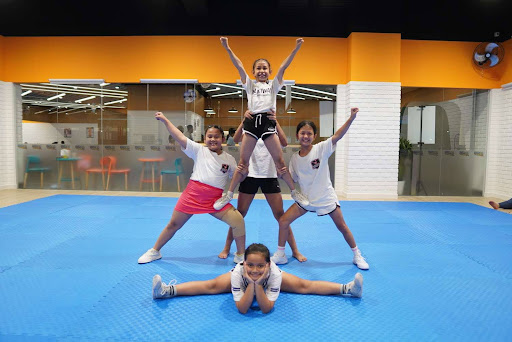
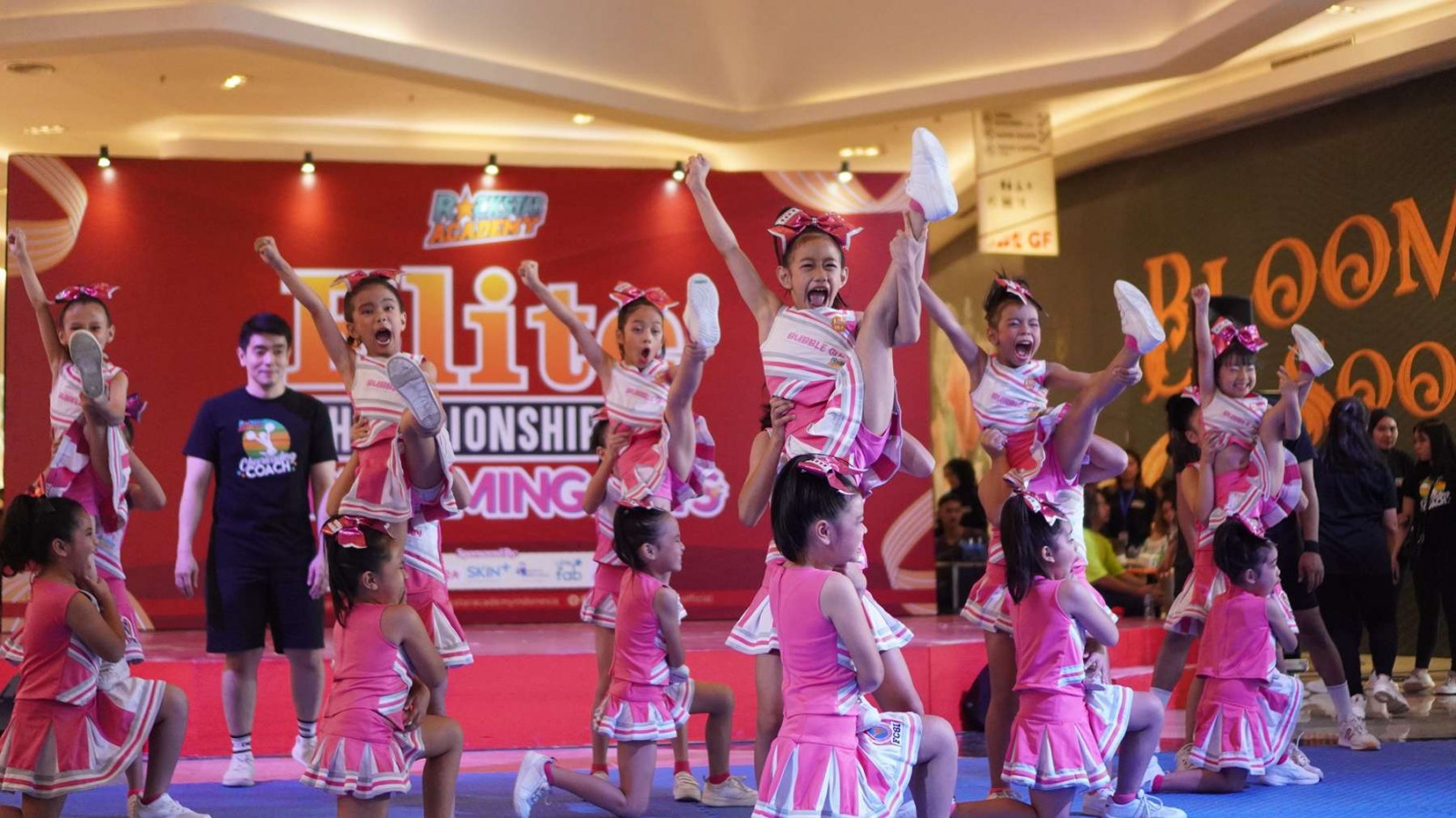
A Thigh Stand is one of the first stunts cheerleaders learn, and it’s the perfect way to introduce teamwork, balance, and trust. In this stunt, two bases kneel down with one knee on the floor and the other leg bent so their thigh is flat like a “step.”
The flyer then carefully steps onto their thighs, using support from a spotter or the bases’ shoulders to balance. Once stable, the flyer stands tall, usually hitting a cheer motion like a High V. It’s simple, safe, and creates exciting levels in a routine without requiring advanced lifting skills.
Even though it’s a beginner stunt, it teaches the exact teamwork and confidence needed for more advanced stunts later on, like shoulder sits, preps, or extensions.
11. Cradle
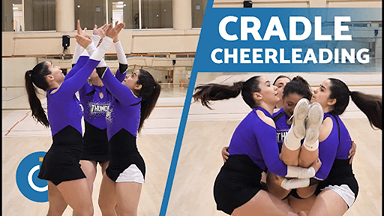
A cradle is one of the safest and most classic dismounts. From a lift, the bases release the flyer’s feet and catch her in a seated position with arms and legs cradled in front of them.
The flyer should keep her body tight, arms wrapped, and prepare for the bases to absorb her landing. Spotters help ensure safety from all sides.
12. Brace
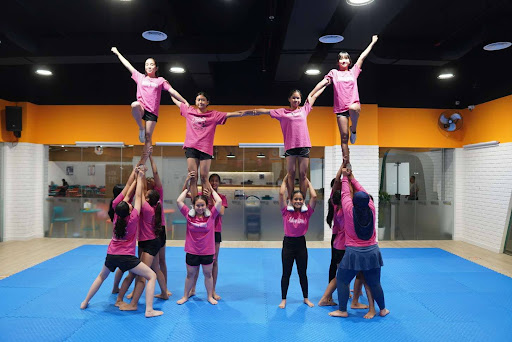
A brace adds extra stability to complex formations, like pyramids. One flyer connects with another flyer (often by holding hands or wrists), while the bases and spotters keep everything solid.
This connection gives the flyer more balance and makes advanced aerial skills possible. It’s teamwork at its best, showing trust and coordination between stunt groups.
Shine Brighter with Every Move!
Cheerleading stunts might look challenging at first, but with practice, teamwork, and the right technique, they can become the most exciting part of your routine. Remember, safety always comes first—so take it slow, practice with proper guidance, and celebrate every little improvement.
If you’re looking for a place where passion meets performance, the Cheerleading Program at Rockstar Academy is the perfect choice. Here, students learn everything from solid fundamentals to advanced cheerleading motions that make routines sharp, powerful, and full of energy.
More than just training, Rockstar Academy—known as a leading Sports & Performing Arts Academy—creates a supportive environment where kids gain confidence, discipline, and teamwork skills that shine both on and off the floor.
With opportunities to perform and even compete in the Cheer Recital, Elite Championships and RockOlympics, every cheerleader gets the chance to showcase their talent on a bigger stage. And you can experience it all with a free trial, it’s the perfect way to see if cheer is your new favorite passion!
FAQ
What are the stunts in cheerleading?
Stunts are lifts, holds, and pyramids where bases, flyers, and spotters work together to perform skills like preps, liberties, extensions, and more.
What’s the hardest stunt in cheer?
The Toss-Up is generally the hardest. It requires explosive strength from the bases, precise timing, and core control from the flyer to launch into the air and land safely in the next stunt position.