Boosting Speed and Precision in Petit Allegro Exercises
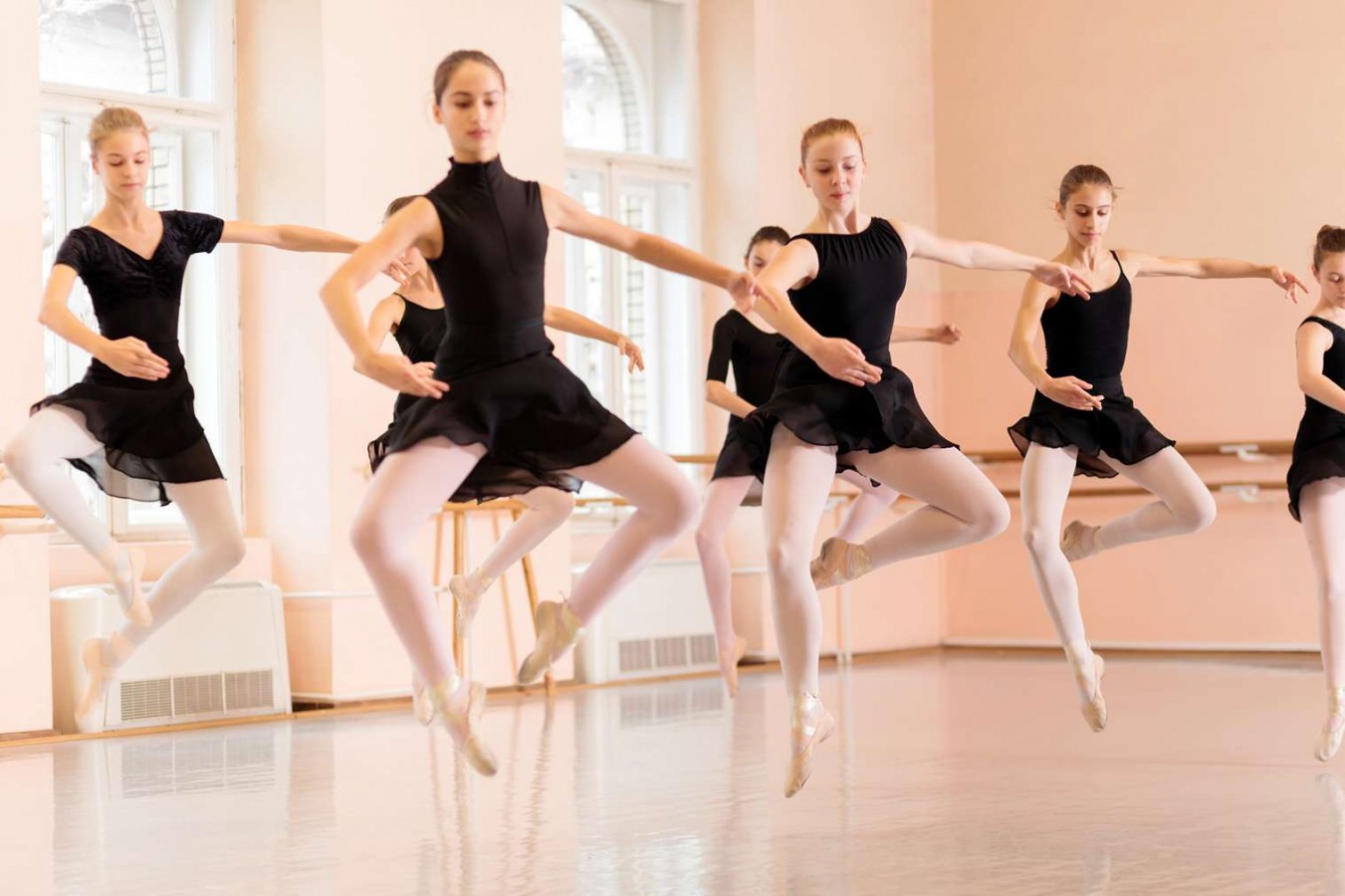
In ballet training, petit allegro is one of the most energetic and technically challenging parts of class, featuring quick, small ballet jumps performed in fast combinations that require agility, coordination, strength, and musical timing.
Although these movements may look light and effortless on stage, they demand strong technique and precise footwork to maintain clarity and control. This article will help you understand it, so make sure to check it out!
What Is Petit Allegro in Ballet?
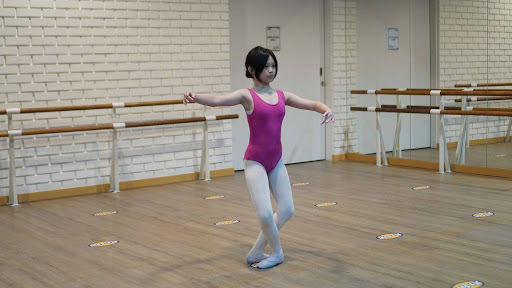
The term petit allegro refers to a series of small, quick jumps performed in rapid combinations. These jumps typically involve intricate footwork and require the dancer to move swiftly between positions while maintaining clarity and balance.
Common petit allegro steps include:
- Changement
- Échappé sauté
- Glissade
- Assemblé
- Entrechat
- Pas de chat
- Brisé
These steps emphasize speed, coordination, and musical precision, often using the lower leg and feet to create quick movements while the upper body remains stable and controlled.
Key Characteristics of Petit Allegro
To perform petit allegro effectively, dancers must develop several important qualities. Here’s the key characteristics of petit allegro :
1. Speed
Petit allegro movements occur at a fast tempo, requiring dancers to move quickly without losing control. Fast footwork is essential to keep up with the music and execute the choreography accurately.
Training the body to recruit fast-twitch muscle fibers helps dancers generate quick bursts of movement needed for rapid jumps and transitions.
2. Precision
Precision refers to the clarity and accuracy of each step. Even when movements are fast, every position must remain clean and recognizable.
For example:
- Feet must close precisely in fifth position.
- Legs must straighten fully in the air.
- Landings must be controlled and aligned.
Without precision, fast jumps can look sloppy or uncoordinated.
3. Lightness
One of the defining qualities of petit allegro is the illusion of lightness. Dancers appear to float lightly above the floor while executing rapid movements.
This lightness comes from:
- Efficient use of the plié
- Strong ankle and calf muscles
- Proper coordination of arms and legs
- Musicality
Petit allegro is closely connected to rhythm and timing. Dancers must respond quickly to musical accents while maintaining coordination with the rest of the combination.
Exercises to Improve Speed in Petit Allegro
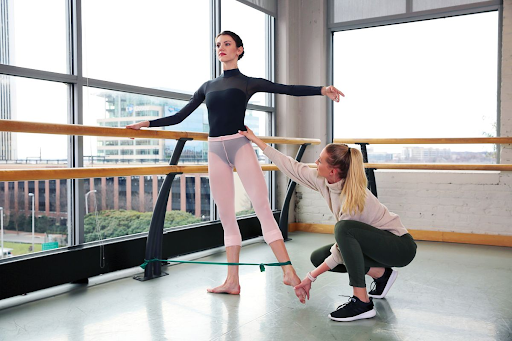
Developing speed requires both ballet practice and targeted strength exercises. These drills help improve quick footwork and coordination.
1. Resistance Band Frappé Drill
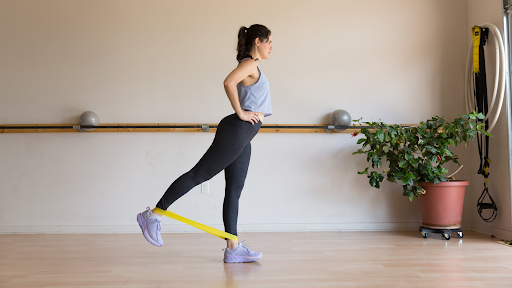
One useful exercise involves performing fast frappés with resistance.
How it works:
- Stand on one leg with a resistance band attached to the working foot.
- Perform quick frappés to the front, side, and back.
- Move as quickly as possible while maintaining stability.
This exercise strengthens the lower leg and trains the muscles to move rapidly while maintaining balance.
2. Step-Up Speed Drill
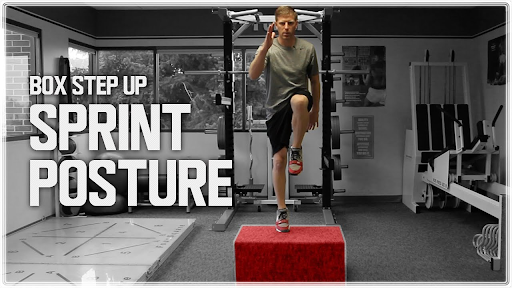
Another helpful training exercise is the fast step-up drill.
Steps:
- Find a sturdy step or platform.
- Step up with one foot, then the other.
- Step down quickly in the same pattern.
- Repeat continuously for 15–30 seconds.
This exercise improves coordination and speed, helping dancers maintain pace during fast combinations.
3. Directional Single-Leg Hops
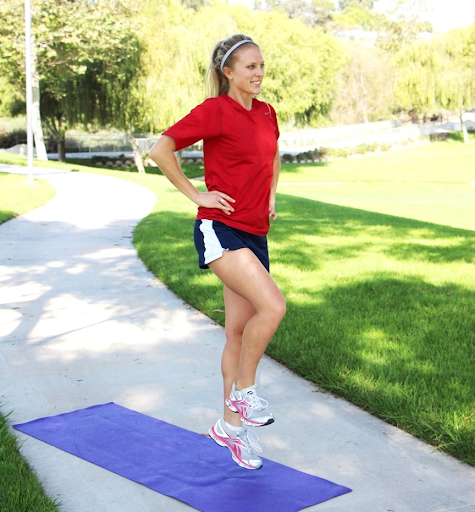
Petit allegro often includes quick directional changes. Practicing single-leg hops helps dancers adapt to sudden shifts in choreography.
Exercise method:
- Place tape on the floor in a cross shape.
- Hop on one leg between different directions.
- Perform forward, backward, and side jumps.
This drill trains agility and improves reaction time during fast sequences.
How to Maintain Lightness in Fast Jumping Sequences
Even when performing rapid jumps, dancers must maintain a sense of lightness. Here are several techniques that help achieve this quality.
1. Use Efficient Plié
The plié acts like a spring that propels the dancer upward and cushions the landing. Using it efficiently allows jumps to feel light rather than heavy.
Instead of forcing the jump, let the plié do the work. For example, in quick combinations like échappé or changement, dancers who use a soft, responsive plié look light and bouncy—while those who skip it often appear stiff and heavy. The key is not how deep the plié is, but how well you use it to absorb and release energy.
2. Stay Close to the Floor
In petit allegro, height is less important than speed and clarity. Small, controlled jumps allow dancers to move quickly without losing timing.
Imagine doing a series of jeté battu or glissade assemblé. If you try to jump too high, you’ll lose speed and timing. But when you keep your jumps low and precise, everything looks quicker, lighter, and more effortless.
3. Keep the Upper Body Stable
The torso should remain lifted and calm while the legs move quickly beneath it. Excess upper-body movement can disrupt balance and timing.
For example, in a fast petit allegro combination, if your shoulders bounce or your chest collapses, the whole movement starts to look messy. But when your posture stays tall and your core engaged, your legs can move freely and cleanly underneath.
4. Land Quietly
A quiet landing shows control and proper technique. Dancers should roll through the feet and absorb the landing through the plié.
To achieve this, dancers roll through the feet and soften the landing with a plié. For instance, after a series of quick jumps, listen closely: a skilled dancer will land almost silently, while a heavier landing often creates a loud “thud.” Quiet landings are a clear sign of good control and lightness.
Master Petit Allegro With Rockstar Academy!
Mastering speed and precision in petit allegro takes consistent practice, proper guidance, and a supportive training environment. If you want to develop stronger technique, faster footwork, and cleaner jumps, learning with experienced instructors can make a significant difference.
That’s why many dancers train at Rockstar Academy, a well-known Sports & Performing Arts Academy that offers structured ballet programs based on the Vaganova Method from beginner to advanced levels for children and teens.
With professional coaches, progressive class levels, and modern facilities, students can build strong ballet foundations while improving flexibility, coordination, musicality, and stage confidence.
At Rockstar Academy, students also have the opportunity to participate in RAD Ballet Testing, Ballet & Contemporary Dance Recital, Elite Championships, and RockOlympics. These opportunities are exciting performance and competition experiences that help children discover their true potential, develop confidence, and shine on stage.
If you’re ready to enhance your ballet training and experience professional instruction firsthand, now is the perfect time to start. Sign up for a free trial ballet class at Rockstar Academy and discover how the right training environment can help you reach your full potential in ballet!
FAQ
What does petit allegro mean in ballet?
Petit allegro refers to small, quick jumps performed in fast combinations. These movements emphasize speed, precision, and coordination.
Why is petit allegro important in ballet training?
Petit allegro helps dancers develop fast footwork, coordination, and musical timing, which are essential skills for many ballet variations and choreography.
Is height important in petit allegro jumps?
Not necessarily. Petit allegro focuses more on speed and precision than on jumping high. Smaller jumps often allow dancers to move faster and maintain clarity.