Acting Through Song: Bringing Emotion to Your Musical Performance

In musical theatre and vocal performance, singing goes beyond hitting the right notes, it also requires emotional depth and strong storytelling. When performers learn how to act through song, they can transform a simple melody into a meaningful dramatic moment that connects with the audience.
By understanding the story behind the lyrics, relating to the character, and applying acting techniques, singers can bring authenticity and expression to their performances.
This article explores how performers can express emotion through music, use techniques for acting the song, and connect with lyrics to create a compelling and engaging theatrical performance.
Understanding Acting Through Song
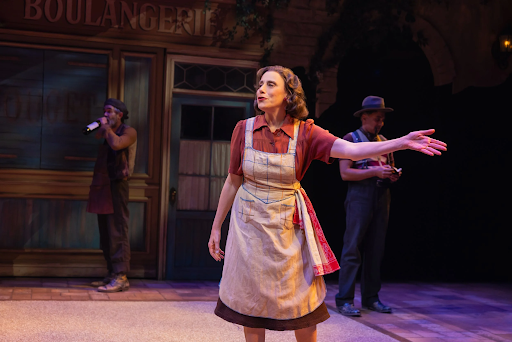
Acting through song means treating a musical number as a dramatic scene rather than just a vocal exercise. In musical theatre, songs often represent key emotional moments for a character. Instead of speaking their thoughts, the character expresses them through music.
When a performer acts through song, they focus on:
- The character’s motivations
- The emotional journey of the lyrics
- The story being told within the music
This approach allows the performer to communicate meaning and emotion beyond the melody itself.
For example, a love song may reveal vulnerability, hope, or longing. A comedic number may express excitement or frustration. The singer’s job is to bring these emotions to life through voice, facial expression, and body language.
Why Emotion Matters in Musical Performance

Emotion is the bridge between the performer and the audience. Even technically perfect singing can feel flat if it lacks emotional connection. When performers express emotion effectively, they can:
- Capture the audience’s attention
- Make the story believable
- Create memorable performances
- Build empathy between the audience and the character
In musical theatre, songs often appear at moments when a character’s emotions are too strong for spoken dialogue. Because of this, emotional honesty becomes essential for delivering a powerful performance.
Connecting With the Lyrics
One of the first steps in acting through a song is understanding the lyrics. The words of a song contain clues about the character’s thoughts, feelings, and motivations. Here’s how to connect with the lyrics:
1. Analyze the Meaning of the Song
Before you even start singing, take time to understand the story. Ask yourself: Who am I in this song? What do I want? Who am I talking to?
For example, if you’re singing a heartbreak ballad, are you talking to an ex, to yourself, or just reflecting on the past? A line like “I wish I could go back” can feel very different depending on the intention—regret, anger, or longing.
When you know the “why” behind the lyrics, your performance instantly gains more depth and purpose.
2. Break the Song Into Moments
Every song has emotional ups and downs. Don’t treat it like one long, flat feeling. Divide it into smaller moments where the emotion or intention shifts.
For instance, the first verse might feel soft and reflective, the chorus could build into powerful emotion, and the bridge might introduce vulnerability or even frustration.
Think of it like scenes in a movie. By recognizing these shifts, your performance becomes more dynamic and keeps the audience engaged from start to finish.
3. Personalize the Emotion
This is where the magic happens. To make your performance feel authentic, connect the song’s emotions to something real in your own life.
You don’t have to experience the exact same situation—but you can relate to the feeling. Singing about losing a friend? Think about a moment you felt left out or disconnected.
Performing a joyful love song? Recall a time you felt genuinely happy or excited. When you tap into real emotions, your voice, facial expressions, and body language will naturally follow—and the audience will feel it too.
Techniques for Acting the Song
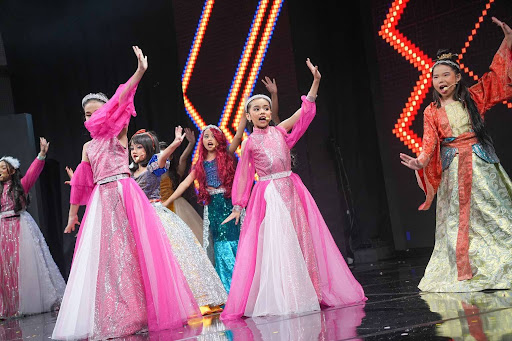
There are several acting techniques performers can use to bring songs to life. Here’s a few techniques:
1. Identify the Character’s Objective
Every character has a goal or objective. In acting, this is often described as what the character wants. During a song, the character may want:
- Love
- Forgiveness
- Understanding
- Freedom
- Confidence
By focusing on the character’s objective, performers can make their delivery more purposeful.
2. Use Subtext
Subtext refers to the underlying meaning behind the words. Sometimes what a character sings is not exactly what they truly feel.
For example, a character may sing cheerful lyrics while secretly feeling sadness. Recognizing subtext allows performers to add emotional complexity to their performance.
3. Visualize the Scene
Imagining the environment and other characters can make a performance more natural.
Ask yourself:
- Where does the scene take place?
- Who is the character interacting with?
- What just happened before the song begins?
This visualization helps performers stay emotionally connected to the story.
4. Use Physical Expression
Acting through song also involves body language and facial expression. Small physical details can communicate powerful emotions, such as:
- Eye contact
- Gestures
- Posture
- Movement on stage
These elements support the emotional message of the music and make the performance visually engaging.
Learn Acting Through Song With Rockstar Academy!
This is where Rockstar Academy stands out. As a well-known Sports & Performing Arts Academy, Rockstar Academy offers a dedicated Broadway program where students learn acting, singing, and stage performance in an integrated way.
With experienced instructors, interactive classes, and performance-based training, students can improve their confidence, creativity, and overall stage skills while experiencing the excitement of musical theatre.
Rockstar Academy also has multiple branches across Indonesia, especially throughout the Jabodetabek area, including Jakarta, Tangerang, and surrounding cities, making it accessible for aspiring performers.
With structured classes, a supportive community, and exciting performance opportunities through Broadway Recital, Elite Championships, and RockOlympics, they get to grow both technically and artistically while gaining real stage experience.
Ready to step into the spotlight? Now’s the perfect time to explore musical theatre or singing training and truly bring your performances to life. Try a free trial Broadway class at Rockstar Academy and experience how professional training can help you express emotions, build confidence, and shine on stage!
FAQ
What does “acting the song” mean?
Acting the song means performing a musical number as a dramatic scene, focusing on the character’s emotions, intentions, and storytelling rather than only singing the melody.
Why is emotional expression important in musical performance?
Emotion helps connect the audience with the story and makes the performance more engaging and believable.
Do singers need acting skills?
Yes. In musical theatre and performance, singers often portray characters and tell stories through their music.
How can performers connect with song lyrics?
Analyzing the lyrics, understanding the character’s objective, and relating the emotions to personal experiences can help performers connect with the song.
Can acting improve singing performance?
Yes. Acting techniques can enhance musical performance by adding emotional depth and authenticity to the delivery.