How Musicality In Ballet Elevates Your Performance
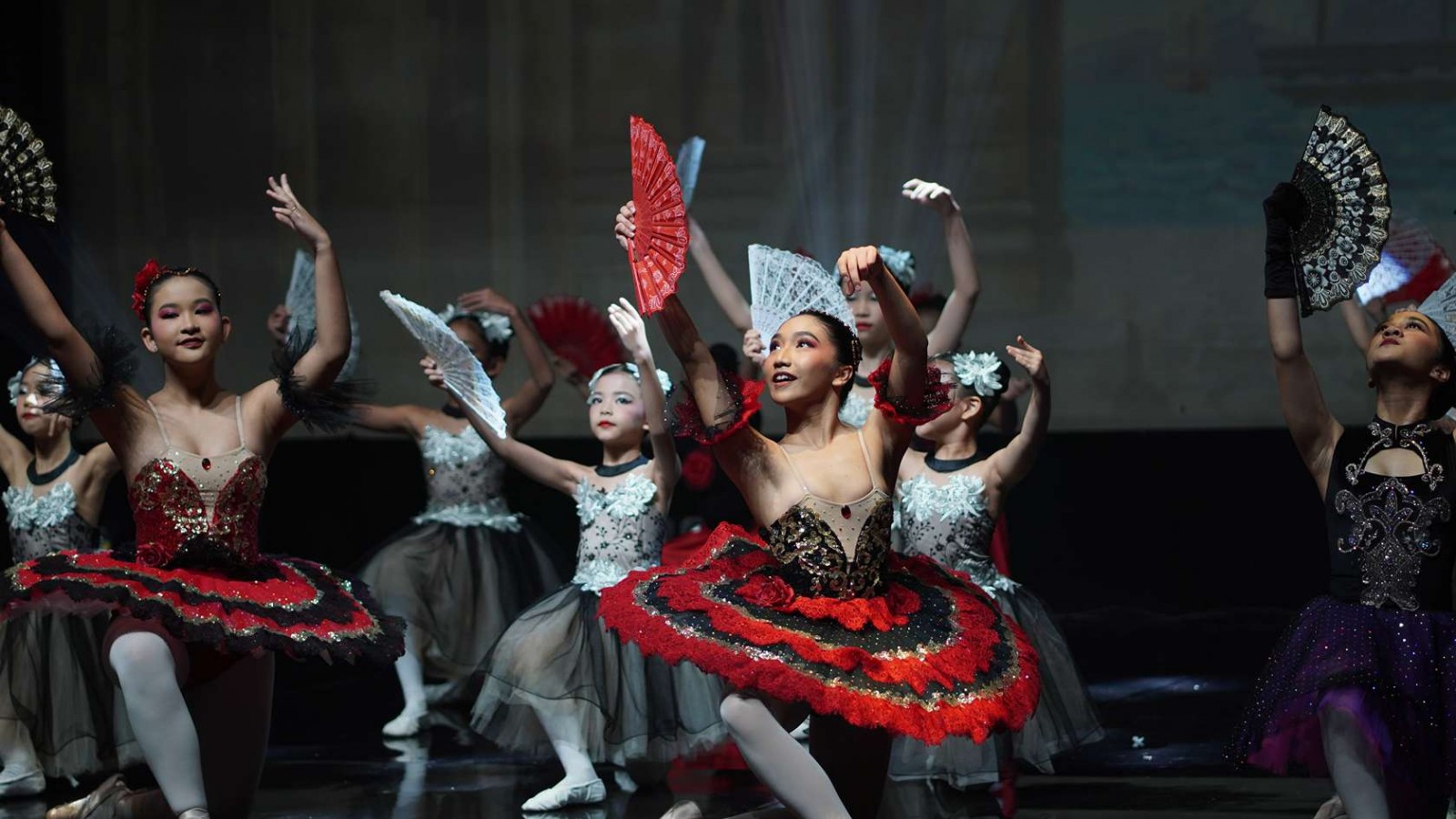
In ballet, technique matters, but what truly brings a performance to life is musicality in ballet. Musicality is what helps dancers move beyond counting steps and start dancing with the music. It shapes how movements begin, flow, and finish, turning technique into expression.
In this article, we will explore what musicality in ballet really means, why it is so important, how it supports and enhances movement, and when dancers should begin learning musicality as part of their training. Let’s check it out!
What Is Musicality in Ballet?
Musicality in ballet is about how a dancer hears, understands, and expresses music through movement. Some people describe it as the way a dancer shows the music with their body, while others see it as becoming fully connected with the music itself.
Simply put, musicality is how well a dancer interprets rhythm, tempo, and mood and turns them into movement. In ballet, music and movement work together as one, making musicality an essential skill that brings technique, emotion, and performance to life.
Why Musicality Is Important in Ballet
Musicality is one of the most important elements that brings ballet to life. It goes beyond technique and turns movement into meaning. In ballet, music is the partner that guides emotion, timing, and storytelling. Here are reasons why musicality is so important in ballet.
A. Creates Beauty and Aesthetic Flow
Musicality shapes how ballet looks and feels. When dancers move in harmony with the music, their movements appear smooth, natural, and visually pleasing.
The rise and fall of the body, the timing of extensions, and the softness or sharpness of steps all come from listening to the music.
Without musicality, ballet can look stiff or mechanical. With it, even simple steps feel elegant and complete.
B. Helps Dancers “Become One with the Music”
In ballet, dancers aim to fully embody the music rather than simply dance on top of it. Musicality allows dancers to breathe with the music, stretch movements through longer notes, and accent steps when the music calls for it.
This deep connection makes performances feel effortless and expressive, as if the dancer and the music are moving together as one.
C. Supports Storytelling Without Words
Ballet tells stories without dialogue. There is no spoken explanation of emotions or events, only movement and music. Musicality helps dancers interpret the mood, tone, and rhythm of the music and translate that into physical expression.
Through timing, energy, and dynamics, dancers communicate joy, sadness, tension, or excitement, helping the audience understand the story being told.
D. Enhances Emotional Expression
Music carries emotion, and musicality helps dancers express that emotion through their bodies. A slow, lyrical melody invites softness and control, while faster music encourages sharpness and energy.
Musicality helps dancers adjust their movement quality to match the emotional feeling of the music, making performances more engaging and emotionally rich.
E. Separates Good Dancers from Great Performers
Many dancers can execute steps correctly, but musicality is what makes a dancer memorable. It adds depth, personality, and artistry to technique.
Judges, teachers, and audiences often connect more strongly with dancers who clearly understand and express the music, making musicality a key factor in successful ballet performances.
How Musicality Helps Movement
Musicality does more than help dancers stay on count. It becomes a tool that shapes how movement feels, looks, and flows. Each exercise in class carries a different quality, and musicality helps dancers adjust their energy, timing, and expression to match it. Here is how musicality helps movement in a meaningful way:
1. Brings Out the Quality of Each Exercise
Musicality helps dancers understand that pliés, frappés, grand battements, adagio, and pirouettes all have different intentions. Even though some steps repeat, the way you use them changes based on the music.
A plié in a warm-up feels grounded and soft, while a plié in grand allegro feels powerful and spring-loaded.
2. Improves Phrasing and Timing
By listening closely to the music, dancers learn where to stretch a movement and where to be sharp or quick. Musicality helps you find natural phrasing, so movements feel connected instead of rushed or mechanical.
3. Adds Dynamics and Contrast
Musicality teaches dancers to play with speed, weight, and energy. Some movements become light and delicate, while others feel bold and strong. This contrast makes choreography more interesting and expressive.
4. Expands Movement Vocabulary
When dancers respond to music, they gain a new layer of expression beyond steps alone. Musicality becomes another language that enriches how movements are performed and interpreted.
5. Reignites Joy and Creativity
When practice starts to feel repetitive, musicality can bring excitement back into movement. Connecting emotionally to the music helps dancers feel inspired, present, and excited to move again.
When Musicality Should Be Taught
Musicality in ballet should be taught from the very beginning and carried through every stage of training. Even in early classes, dancers can start learning how to listen, feel rhythm, and move with the music.
Because musicality has such a strong influence on both artistic expression and technical quality, it should never be treated as an extra skill to add later. In busy ballet classes, it can be tempting to focus only on steps, alignment, and corrections, but musicality deserves equal attention.
Teachers should consistently include music as an active part of learning, just like posture and clean finishes. When musicality is taught continuously, dancers grow into performers who move with intention, confidence, and true connection to the music.
Let the Music Lead!
Musicality in ballet is what transforms correct movement into meaningful performance. When dancers truly listen to the music and allow it to guide their timing, energy, and expression, their dancing becomes more fluid and engaging.
Looking to refine your technique and dance with more confidence? The ballet class at Rockstar Academy is designed to help dancers build strong foundations while mastering beautiful movements like arabesque ballet with proper alignment, balance, and grace.
As a trusted Sports & Performing Arts Academy, Rockstar Academy focuses not only on technique but also guided by experienced instructors who support every dancer’s growth.
Our ballet program also prepares students for RAD Ballet testing, helping them progress with internationally recognized standards while enjoying a positive and inspiring learning environment.
We also give students the chance to shine on stage and grow through real performance experiences. Dancers can take part in exciting events and competitions such as the Ballet & Contemporary Dance Recital, Elite Championships, and RockOlympics, where they can build confidence, stage presence, and a healthy competitive spirit.
Curious to try it out? Rockstar Academy offers a free trial class, so you can experience the training, energy, and passion before committing. Give your child the Rockstar experience—sign up now and don’t miss out!
FAQ
What is musicality in ballet?
Musicality in ballet is a dancer’s ability to listen to music and express it clearly through movement, timing, and emotion.
How to improve musicality in ballet?
Practice listening to the music, count the rhythm, feel the dynamics, and move with intention while matching your movements to the music’s accents and flow.