Exploring the Differences Between Contemporary Dance Vs Ballet
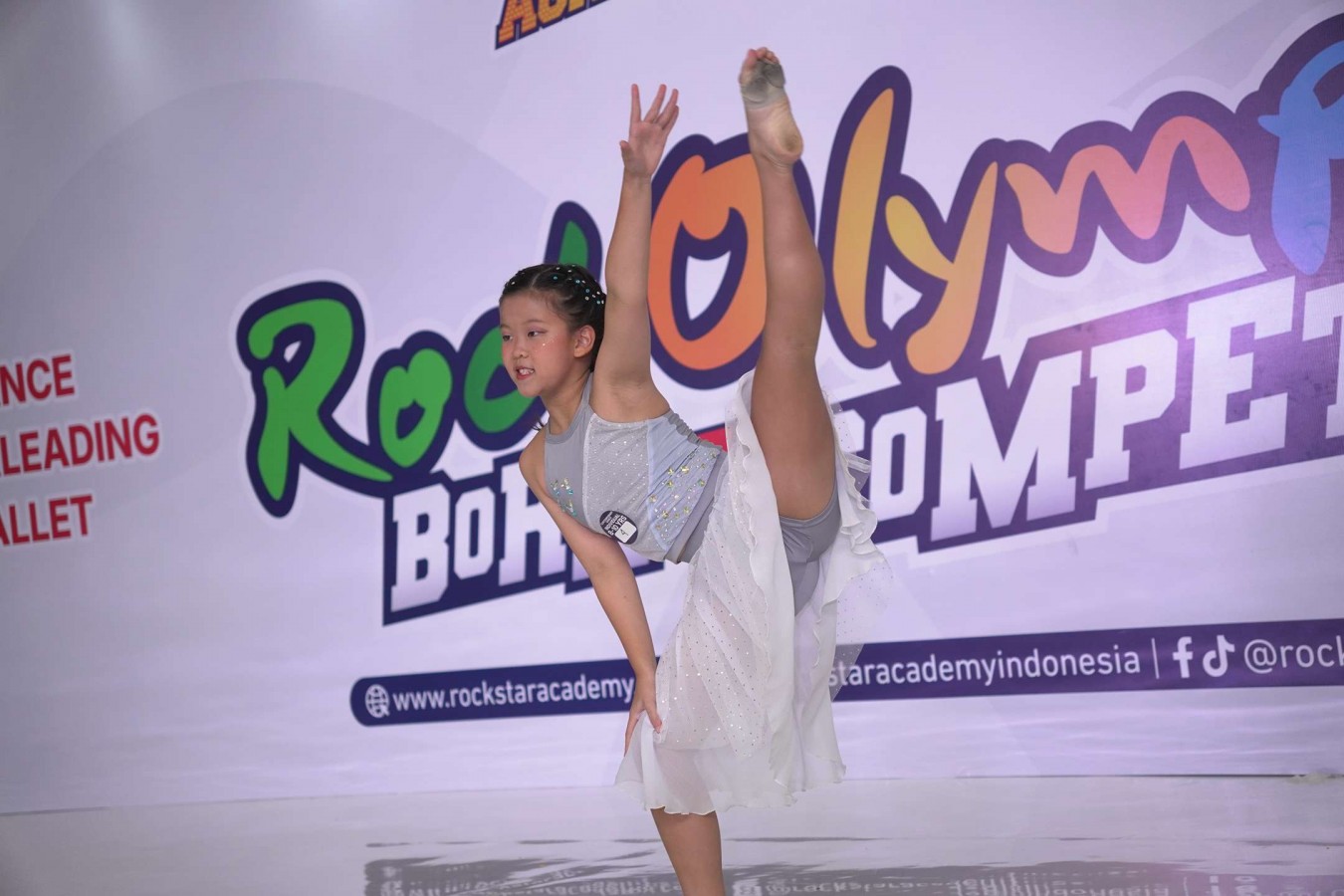
Graceful, precise, and timeless, ballet moves are known for their elegance such as pirouettes, arabesques, pliés, and pointe work that seem to defy gravity. Yet, as dance continues to evolve, a contrasting style has emerged: contemporary dance, which embraces freedom, emotion, and experimentation.
While both art forms share the beauty of movement and expression, they differ greatly in technique, style, and purpose. Let’s explore the fascinating differences between contemporary dance vs ballet.
What is Contemporary Dance vs Ballet?
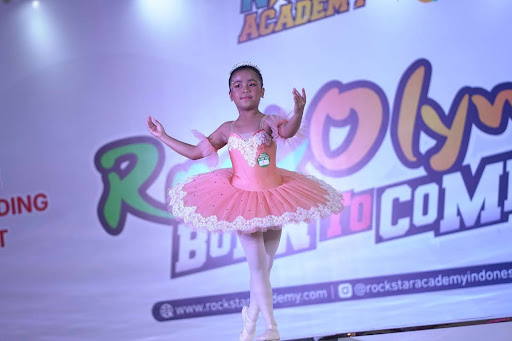
Ballet is a classical and highly structured dance form that began in the Italian Renaissance and flourished in France and Russia. It follows precise techniques with specific arm, leg, and foot positions, outward foot turnout, pointed toes, and clean body lines. Training often includes barre and centre work, leading to advanced moves like jumps, turns, and pointe work for women.
Ballet typically tells a story, as seen in Swan Lake or Sleeping Beauty, and features elegant costumes, tutus, pointe shoes, and classical music. The overall style is graceful, upright, and refined, giving the impression of lightness and control. In essence, ballet is technical, disciplined, and visually elegant.
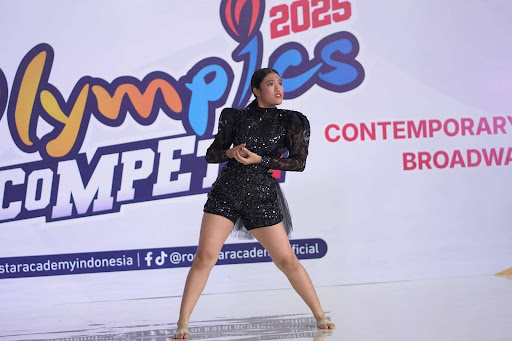
Contemporary dance, on the other hand, is a modern and expressive style that emerged in the 20th century, blending influences from ballet, jazz, and modern dance. It emphasizes freedom, creativity, and emotion, focusing more on exploring movement than following strict rules.
Dancers often use floor work, weight shifts, grounded movements, and improvisation. They may perform barefoot or in soft shoes, with simple or abstract costumes and staging. Music and storytelling are also more flexible, ranging from narrative to purely interpretive pieces. In short, contemporary dance is fluid, experimental, and expressive, allowing dancers to move and feel with greater freedom.
Differences Between Contemporary Dance vs Ballet
Now, let’s compare ballet and contemporary dance side by side in four key aspects: style, choreography, technique and performance.
1. Style
Ballet has clean lines, verticality, precise positions, pointed toes, high extensions. The movement often gives the sense of floating, lifting, and lightness. Storytelling is common, with defined character roles, costumes, sets.
While contemporary dance is more grounded, more use of weight and floor, more varied body shapes and transitions. Movements may be asymmetrical, off-balance, or unconventional. Emphasis on flow, breath, emotional content, improvisation or personal interpretation.
2. Choreography
Ballet choreography often follows traditional patterns: clear beginning-middle-end, storylines, roles of corps de ballet, solos, pas de deux (duets). Scenarios often drawn from myth, folklore, or classical literature.
Choreographers from contemporary dance may play with narrative or abandon it altogether. The work might be abstract, focus on mood rather than story, and incorporate improvisation or unusual movement. Set, costume, music may all be non-traditional.
3. Technique
Ballet is a highly structured and codified dance form known for its precision and discipline. Dancers train extensively in turnout, specific foot positions, and barre exercises before progressing to centre work and pointe work.
Every movement emphasizes clean muscle control, alignment, posture, line, and extension. These technical foundations are what give ballet its signature grace and elegance, allowing dancers to appear effortless while maintaining incredible strength and balance.
In contrast, contemporary dance is far less rigid and allows for greater personal expression. While a background in ballet can be helpful, contemporary dancers often use body weight in more fluid and grounded ways, exploring parallel feet instead of the traditional turnout.
The style includes floor work, contraction and release, shifting centers of gravity, and improvisation, encouraging dancers to experiment with how their bodies move and respond to emotion or music.
4. Performance
Ballet audiences expect formal costuming, scenery, narrative arc, classical music, and clear roles. The dancer’s technique and presentation are highly polished.
The presentation for contemporary dance might be more minimal, the costuming simpler or eclectic, the staging more abstract. Music may be non-classical or even ambient/no music. The focus may shift from “dancer performing set technique” to “dancer expressing self or exploring movement.”
Why Both Matter and How They Complement
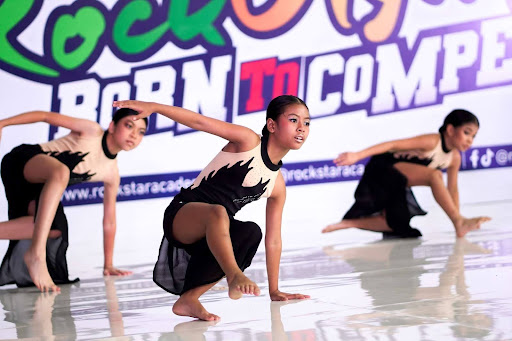
Though they differ, ballet and contemporary dance share important commonalities and can complement each other:
- Strong ballet training gives dancers excellent control, alignment, and technique that benefit contemporary work.
- Contemporary dance encourages creativity, adaptability, freedom of movement, which can bring fresh energy to traditional ballet.
- Many modern companies blend both styles, so a dancer trained only in one may be at a disadvantage without some knowledge of the other.
- From an audience perspective, understanding both styles enriches what you see on stage, and helps you appreciate the nuanced artistry behind movement.
Contemporary Dance Vs Ballet, Which One Do You Prefer?
Both ballet and contemporary dance offer dancers a unique path to express artistry, emotion, and discipline. Ballet builds the foundation of strength, posture, and precision, while contemporary dance expands that foundation into creativity, freedom, and emotional storytelling.
Rockstar Academy provides the perfect place to start for exploring sports and arts talents. Through its Sports & Performing Arts Academy, students can join expert-led programs that nurture both skill and passion in a supportive, world-class environment.
Ready to take the first step? Discover your rhythm and artistry by joining class for the Contemporary Dance Program or Ballet Program at Rockstar Academy today.
Additionally, our Ballet and Contemporary Dance Program not only focuses on technique and artistry but also gives students the chance to shine through real performances and competitions. Dancers can participate in exciting events such as RockOlympics, Elite Championships, CSTD Contemporary Dance Testing, and the Ballet & Contemporary Dance Recital, where they can showcase their talent and progress on stage.
These experiences help build confidence, stage presence, and a true performer’s spirit. Plus, we offer a free trial class, so your child can experience the joy of dancing and see what makes Rockstar Academy’s program truly special!
FAQ
Do I need to start with ballet before I learn contemporary dance?
Not necessarily, but it can help. Ballet provides a strong foundation of strength, alignment, body awareness, and technique, which can make the transition into contemporary smoother.
Can a ballet dancer switch to contemporary dance easily?
Yes, many ballet dancers move into contemporary, but it may require “unlearning” some habits: for example, relaxing some of the strict alignment, exploring floor work, working in parallel feet instead of exclusively turned-out, and embracing improvisation or new movement quality.
Do contemporary dance performances have to wear costumes and use pointe shoes like ballet?
No. In contemporary dance, dancers may use minimal or modern costumes, may perform barefoot or in soft shoes, and are not bound by the traditional pointe shoe or tutu requirement. In contrast, classical ballet often expects pointe shoes (for women) and tutus.