What is Contact Improvisation? A Guide to Its Philosophy and Techniques
Contact improvisation is a unique and expressive dance form that focuses on movement created through physical contact, shared weight, and spontaneous response. Unlike choreographed dances with fixed steps, contact improvisation encourages dancers to listen to their bodies, their partners, and the moment.
It feels more like a moving conversation than a performance, making it both playful and deeply connected. Here, we will break down what contact improvisation is in dance, take a look at its history, and explain the key principles and techniques that make this style so meaningful and exciting to practice. So, keep reading!
What Is Contact Improvisation in Dance?
Contact improvisation in dance is a movement practice that focuses on connection, awareness, and shared exploration. It is rooted in how the body naturally responds to gravity, balance, and momentum, rather than fixed steps or choreography.
Dancers stay in physical contact, using touch and weight sharing to move together in a playful and spontaneous way. This style encourages trust, presence, and deep listening, both to your own body and to your partner.
Through contact improvisation, dancers learn to embrace the unknown, respond in the moment, and communicate through movement instead of words.
History of Contact Improvisation
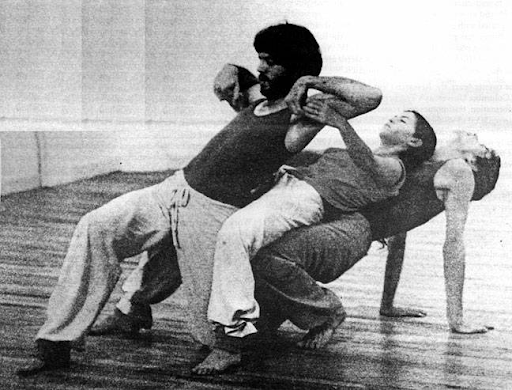
The history of contact improvisation began in 1972 with Steve Paxton, a dancer trained in modern dance and Aikido. Paxton was part of the Judson Dance Theater, a group in the 1960s that challenged traditional ideas about what dance should look like.
Instead of focusing on strict technique or polished performances, Paxton became interested in spontaneous movement, physical contact, shared weight, and how the body responds to gravity. These explorations became the foundation of contact improvisation, where dancers move together by listening and reacting to each other in real time.
Another key figure in the growth of contact improvisation is Nancy Stark Smith. As one of the earliest and most influential practitioners, she worked closely with Paxton for many years and played a huge role in shaping and spreading the practice.
She also co-founded Contact Quarterly, a journal dedicated to dance improvisation, which helped connect dancers and teachers around the world. Together, Paxton, Stark Smith, and their contemporaries helped establish contact improvisation as a dance form built on equality, exploration, trust, and meaningful movement between people.
Core Principles of Contact Improvisation
At the heart of contact improvisation are a set of core principles that guide how dancers move, connect, and respond to one another. These ideas help dancers stay safe, present, and creative while sharing space and weight.
Rather than rigid rules, these principles act like a common language, allowing movement to flow naturally between partners. Below are the key principles:
1. Rolls
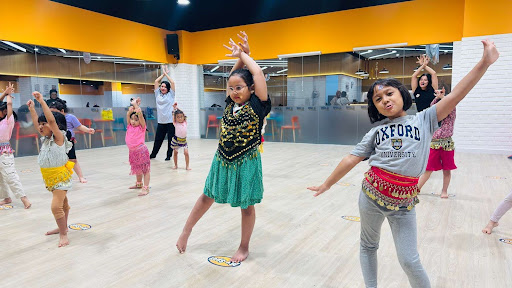
Rolls are smooth transitions where the body moves across the floor or over another person’s body. In contact improvisation, rolling helps maintain continuous contact and prevents sudden stops.
By allowing the body to curve and spiral, dancers can distribute weight evenly and move with less effort. Rolls also reduce impact, making movements feel softer and more fluid while keeping the dance connected.
2. Weight Sharing
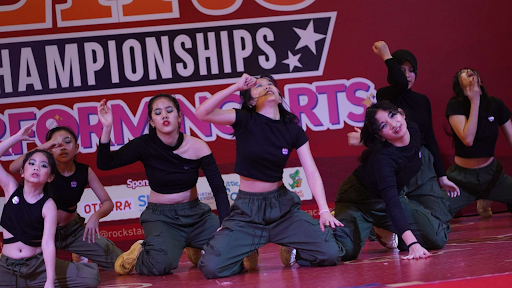
Weight sharing is one of the most important ideas in contact improvisation. Partners support and distribute each other’s weight instead of carrying it alone. This requires trust, awareness, and good listening skills.
When done correctly, weight sharing feels light and cooperative, not heavy or forced. It allows dancers of different sizes and strengths to move together safely and smoothly.
3. Point of Contact
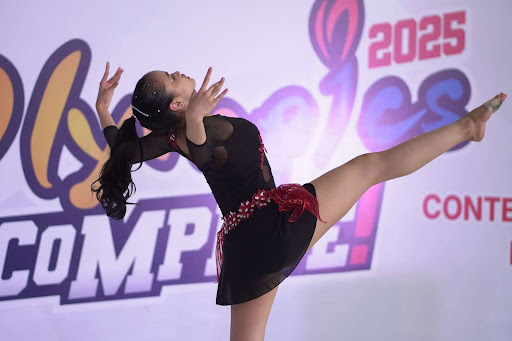
The point of contact is the exact place where two bodies touch, such as a shoulder, back, hip, or hand. This point becomes the main channel of communication between partners.
Dancers stay aware of this connection and respond to changes in pressure, direction, and energy. A clear point of contact helps maintain balance and keeps the movement conversation flowing.
4. Momentum
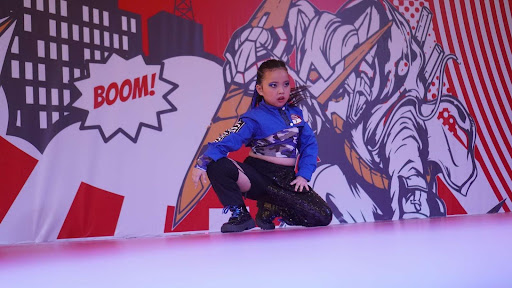
Momentum is the energy that carries movement forward. Instead of stopping and restarting, dancers in contact improvisation learn to use momentum to keep the dance alive.
This energy can come from falling, rolling, turning, or being pushed gently by a partner. Sharing momentum makes movements feel effortless and playful, allowing dancers to explore speed, suspension, and flow.
5. Lifts
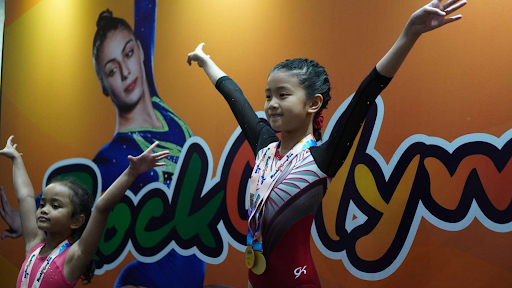
Lifts in contact improvisation are different from traditional dance lifts. They are not about strength or control, but about timing, balance, and shared weight. Often, lifts happen naturally as a result of momentum and alignment rather than planning.
Both dancers stay active and aware, making the lift feel cooperative and safe rather than forced or risky.
6. Fluid Floorwork
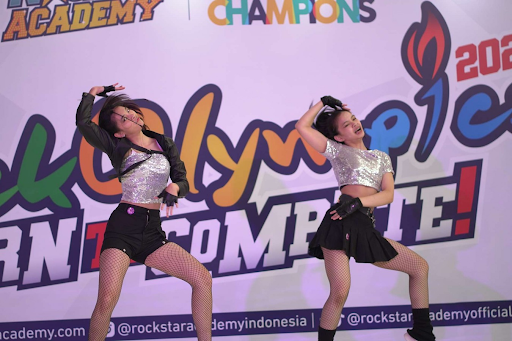
Fluid floorwork focuses on grounded movement close to or on the floor. Dancers use rolling, sliding, and spiraling actions to stay connected while moving low.
This principle encourages relaxation and efficiency, helping dancers transition smoothly between standing and floor-based movement. Floorwork also builds body awareness and confidence in navigating gravity.
7. Counterbalance
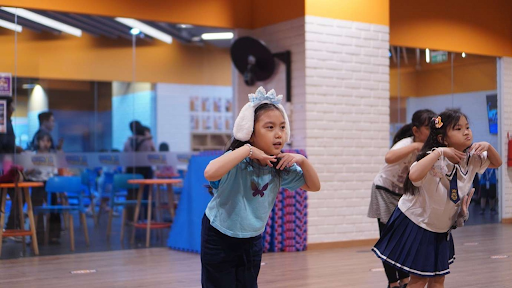
Counterbalance happens when two dancers lean away from each other while staying connected at a shared point. Each person’s weight balances the other, creating stability through opposing forces.
This principle teaches trust and clear communication, as both dancers must stay engaged to avoid falling. Counterbalance often leads to beautiful, suspended shapes and dynamic transitions.
8. Rolling Point

A rolling point is a point of contact that moves continuously across the body or between partners. Instead of staying fixed, the connection travels, allowing the dance to evolve smoothly.
This principle supports flow and adaptability, helping dancers stay responsive rather than rigid. Rolling points make the movement feel alive and interconnected.
Let the Dance Unfold Naturally!
Contact improvisation builds strength, flexibility, balance, and body awareness. Beyond physical benefits, it also develops trust, creativity, and emotional openness.
If you are looking to explore modern dance in a creative and supportive space, the dance class at Rockstar Academy is a perfect choice. As a leading Sports & Performing Arts Academy, Rockstar Academy blends strong technique with artistic freedom, helping dancers move with confidence, expression, and control.
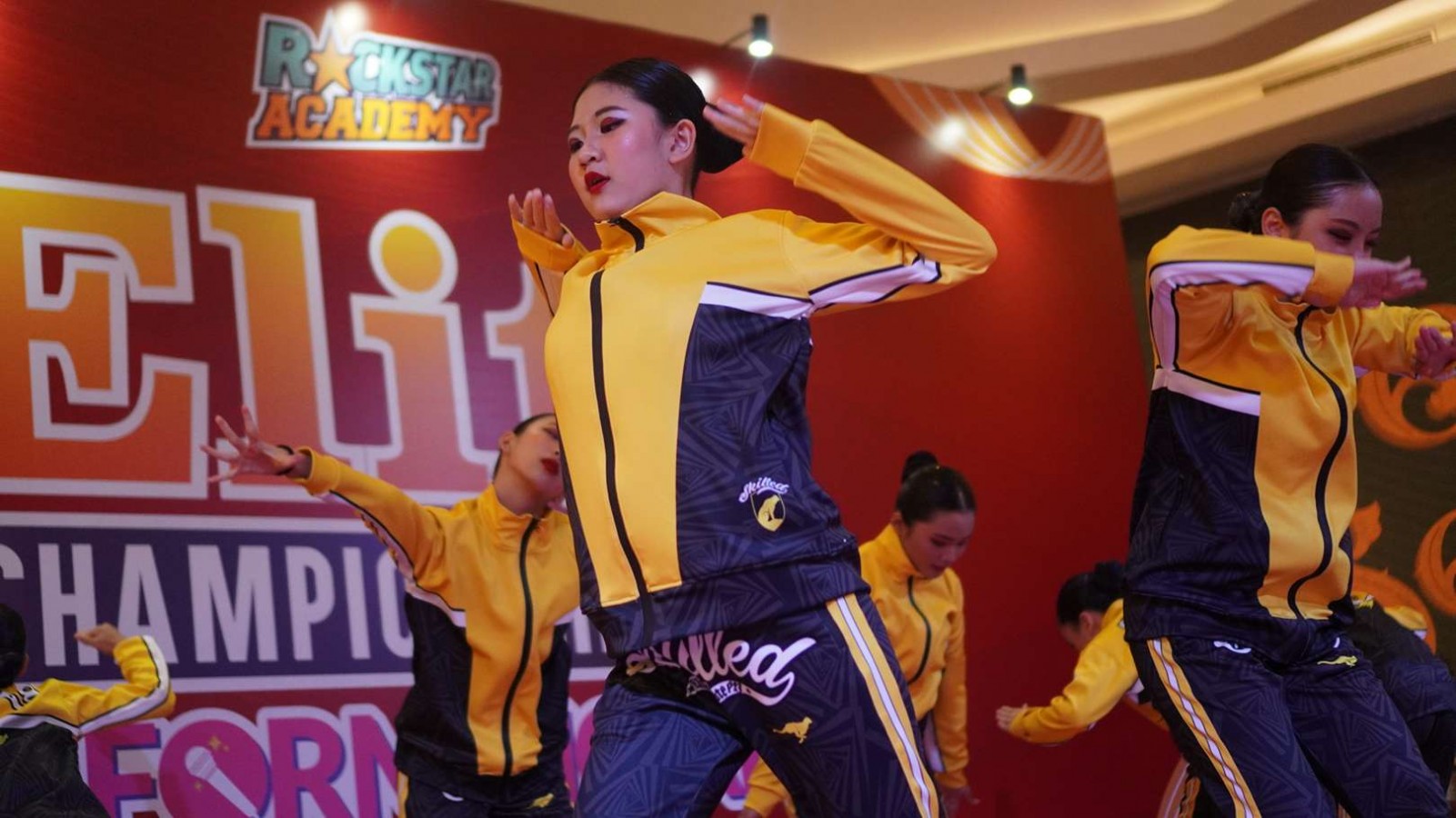
Our classes are designed for all levels, focusing on musicality, body awareness, and performance quality while encouraging each dancer to develop their own style. Students will also get the chance to showcase your growth in an exciting Dance Recital, Elite Championships and RockOlympics to turn practice into real stage experience.
To get started, Rockstar Academy offers a free trial class, so you can feel the energy and see if it is the right fit for you. Don’t miss out being the best dancer with Rockstar Academy!
FAQ
What is contact improvisation?
Contact improvisation is a dance form where dancers move together using touch, weight sharing, and spontaneous movement.
What is an example of contact body improvisation?
Two dancers rolling together on the floor while sharing balance and responding to each other’s movement in real time.