Mastering Freestyle Body Rotation: The Key to Efficient Swimming
If you’ve ever felt tired too quickly, struggled to breathe comfortably, or felt like you were “fighting” the water instead of flowing through it, chances are your body rotation freestyle swimming needs some attention. Don’t worry, today we’re going to break it down so you can swim smarter, not harder. Let’s dive in!
What Is Body Rotation Freestyle Swimming?
Think of freestyle rotation like your body gently rolling from side to side while you swim, just like a log floating and turning smoothly in the water.
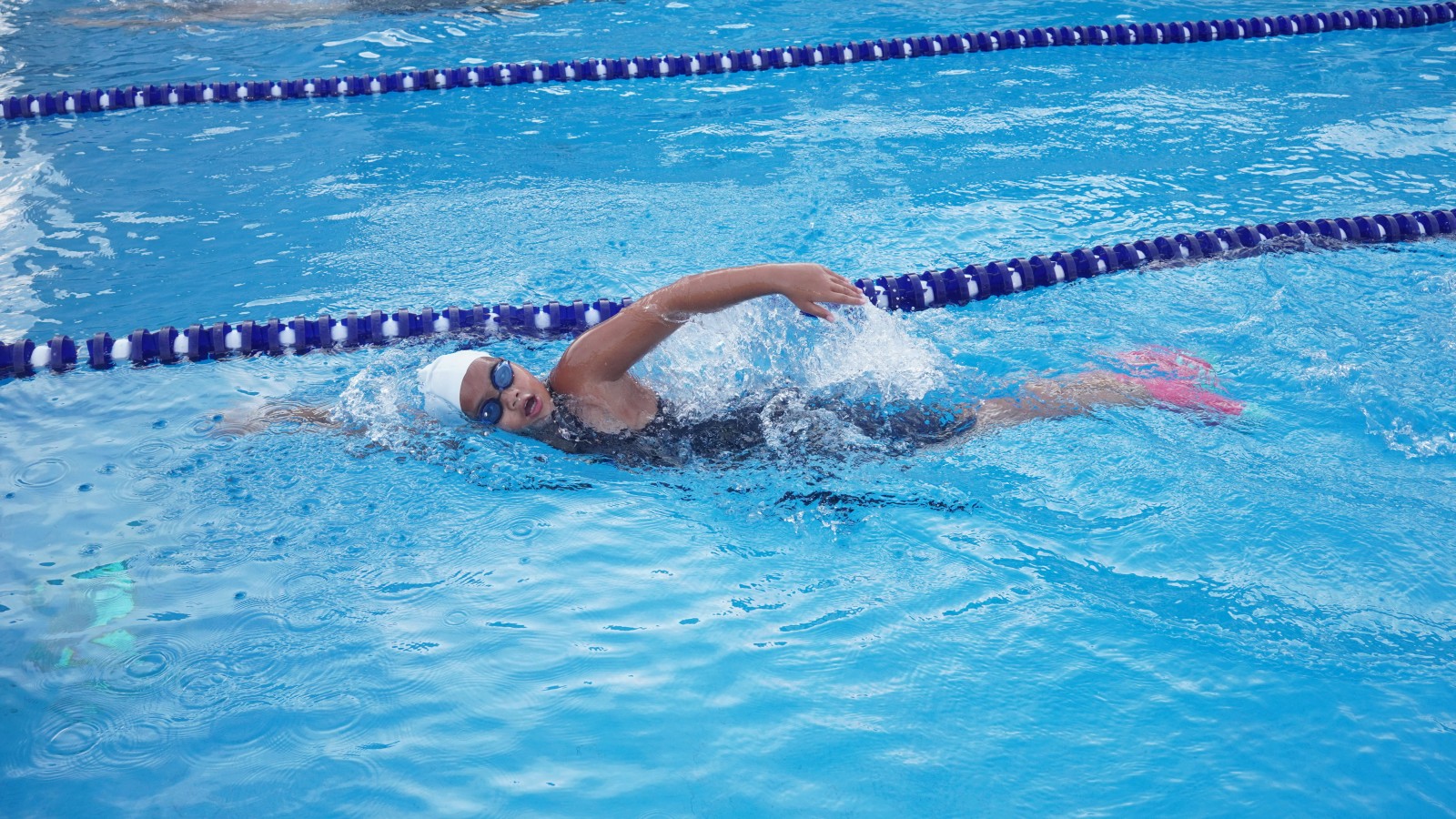
In freestyle swimming, rotation means turning your hips, torso, and shoulders together along the long line of your body. It’s not just your shoulders twisting or your hips wobbling on their own. Everything moves as one connected team. When one arm pulls, your whole body rotates slightly to that side in one smooth motion.
Why Is Body Rotation So Important in Freestyle?
If you look at most swimmers, you’ll notice something interesting: Very few rotate too much. The real problem? Most swimmers either don’t rotate enough or rotate unevenly, better on one side than the other.
Here are reasons why body rotation is important in freestyle swimming:
1. It Protects Your Shoulders (and Makes Arm Recovery Easier)
Imagine lying flat on the floor on your stomach. Now try to lift your arm up and swing it forward like you’re doing freestyle.
Feels tight, right? Awkward? Restricted?
That’s because when your body stays flat, your shoulder is forced into an uncomfortable position. It internally rotates, and your rotator cuff muscles (the small but important stabilizing muscles in your shoulder) get stressed.
When you rotate your body:
- Your shoulder stays in a more neutral, relaxed position.
- Your elbow can lead the recovery naturally.
- There’s less strain on the rotator cuff.
Swimming flat puts all the stress on your shoulders. Over time, that can lead to pain or injury. Rotating reduces that risk and makes the recovery phase of your stroke feel effortless instead of forced.
2. You Get a Longer, More Efficient Stroke
Here’s something cool: rotation gives you reach.
When you rotate properly, your body naturally stretches forward farther with each stroke. If you twist slightly, your arm can extend further than if you’re stiff and flat.
More rotation = More reach = Longer strokes
Rotation also helps you start your “catch” (the pulling phase) earlier and stronger. That means you grab more water and push yourself forward more effectively.
3. You Unlock the Power of Your Core and Back
This is where things get exciting. Freestyle is not just an arm workout. It’s a full-body movement.
When you rotate from side to side, you’re connecting arms, shoulders, core, back, and chest.
Your core and back muscles are much stronger than your shoulders alone. When you rotate properly, power transfers through your torso like a chain reaction.
Common Body Rotation Mistakes
Let’s look at some common errors swimmers make with body rotation and how they can quietly sabotage your freestyle technique.
1. Swimming Too Flat

This is the most common mistake in freestyle. Many swimmers keep their chest facing the bottom of the pool the entire time, with very little hip movement. When this happens, the arms end up doing almost all the work while the rest of the body stays stiff and flat.
The problem with swimming too flat is that it puts extra strain on your shoulders, especially during the recovery phase. It also makes breathing more difficult because you have to lift your head higher instead of rotating naturally.
On top of that, a flat position increases drag, which slows you down and makes swimming feel harder than it needs to be.
The fix is simple but powerful: focus on rolling your hips with every stroke. Your hips and shoulders should rotate together as one connected unit. Think of your body moving as a single piece, not separate parts twisting independently.
2. Over-Rotating

While not rotating enough is common, some swimmers go too far in the opposite direction. Over-rotating happens when you roll excessively onto your side, sometimes so much that your belly button almost faces the wall. This can make you feel unstable and cause you to swim in a slight zig-zag pattern instead of straight down the lane.
Over-rotation slows you down because it disrupts your rhythm and balance. It can also make it harder to set up a strong catch, which reduces the effectiveness of your pull.
3. Rotating Only the Shoulders

Another common mistake is twisting the shoulders while the hips remain flat. When the upper body rotates but the lower body doesn’t follow, the stroke becomes disconnected.
This breaks your body alignment and often causes your legs to sink. It also reduces power transfer because your core isn’t fully engaged. Instead of using your whole body to generate force, you end up relying mostly on your shoulders and arms.
To fix this, initiate rotation from your hips and core. Your shoulders and hips should move together, like they’re linked by a solid rod running through your body. When your hips lead, everything stays balanced and powerful.
4. Lifting the Head to Breathe

Breathing mistakes often tie directly to poor rotation. If you lift your head up instead of rotating your body, your hips will immediately drop. This creates drag and throws off your balance and rhythm.
Lifting your head also interrupts the natural flow of your stroke, making your swimming feel choppy instead of smooth.
The fix is to rotate your body and let your head turn slightly with it. Keep one goggle in the water when you breathe. This small adjustment keeps your body aligned, your hips high, and your stroke flowing without disruption.
How to Improve Your Freestyle Rotation
If you want better rotation, you need to feel it. The best way to do that is through freestyle drills that slow things down and help you focus on body movement and balance.
Here are two easy drills that can really improve your freestyle rotation.
Drill #1 – Streamline Kicking with One Arm Extended
This is one of the best drills for swimmers at any level. It helps you learn how to rotate your body properly without losing balance or good body position. It also teaches you how to breathe while staying long and streamlined, which can be tricky at first!
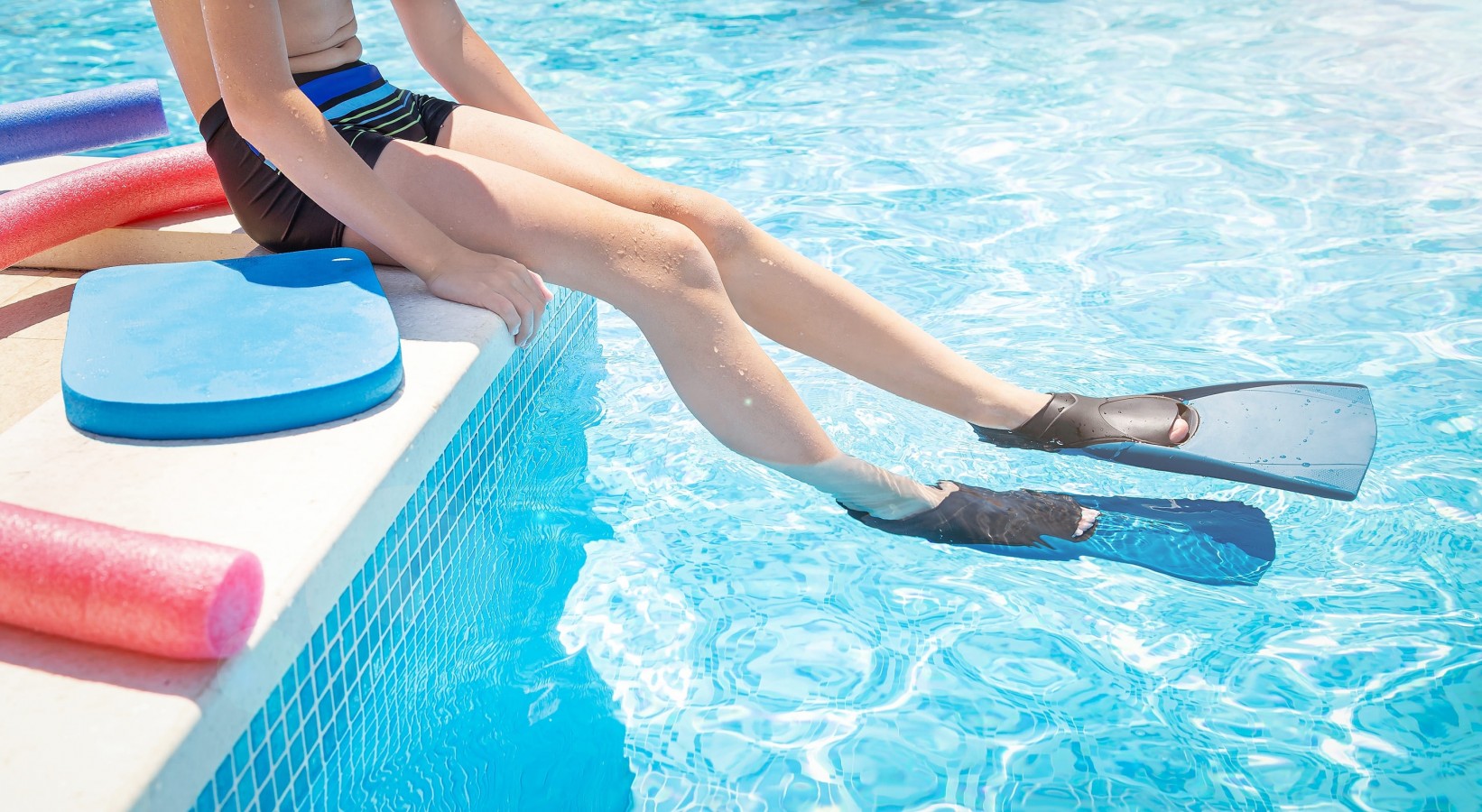
If you’re a beginner, you can use fins and hold a kickboard or pull buoy with your extended arm to make it easier.
How to do it:
- Push off the wall.
- Keep one arm extended straight in front of you.
- Keep the other arm relaxed by your side.
- Start a steady, continuous kick.
- Gently rotate your body onto your side and take a breath.
- Rotate back to a flat position.
- Keep kicking the whole time, don’t stop your legs!
Drill #2 – Full Body Rotation While Kicking
This drill is similar to the first one, but a little more challenging. Why? Because now your legs are doing all the work to keep you moving and balanced.
It helps you develop controlled rotation and practice breathing comfortably on both sides.
How to do it:
- Push off the wall.
- Keep both arms relaxed by your sides.
- Start a steady, strong kick while staying flat.
- Slowly rotate your whole body to one side to take a breath.
- Breathe in.
- Slowly rotate back to the middle.
- Exhale underwater.
- Repeat on the other side.
Since your arms aren’t helping you balance, your kick must stay strong and steady. That’s what keeps you stable.
If this drill feels difficult, focus on body tension. Lightly tighten your core (abs) and squeeze your glutes to stay firm and streamlined. Try to keep that body tension while rotating so you don’t wobble or sink.
Start Their Swimming Journey the Right Way
If you truly want to see your child grow and excel in the water, the next step starts with the right guidance. That’s why parents are encouraged to enroll their children in the swimming program at Rockstar Academy, the leading Sports & Performing Arts Academy offering a variety of high-quality physical activity programs designed to develop both skills and character.
With a structured curriculum and exciting opportunities like RockOlympics, students gain an unforgettable learning experience that helps them challenge themselves, build resilience, and discover their true potential.
For families who want even more focused development, Rockstar Academy also offers a Private Instruction Program that provides highly personalized, skills-based training tailored to each child’s individual needs and goals.
Students receive intensive one-on-one coaching, continuous instructor feedback and guidance, detailed progress reports complete with training videos, and even weekly at-home exercises to support consistent improvement.
And the best part? You can start with a free trial class and experience the difference firsthand. Give your child the opportunity to grow stronger, swim smarter, and shine brighter with Rockstar Academy!
FAQ
Is body rotation important for beginners?
Yes! In fact, learning proper rotation early prevents bad habits and reduces shoulder strain. It builds good technique from the start.
Can poor rotation cause shoulder pain?
Absolutely. Swimming flat forces your shoulders to do too much work. Proper rotation distributes effort across your whole body and reduces stress on the joints.