Ballet Pantomime: Defining the Dramatic Art and Practicing the Essential Expressions
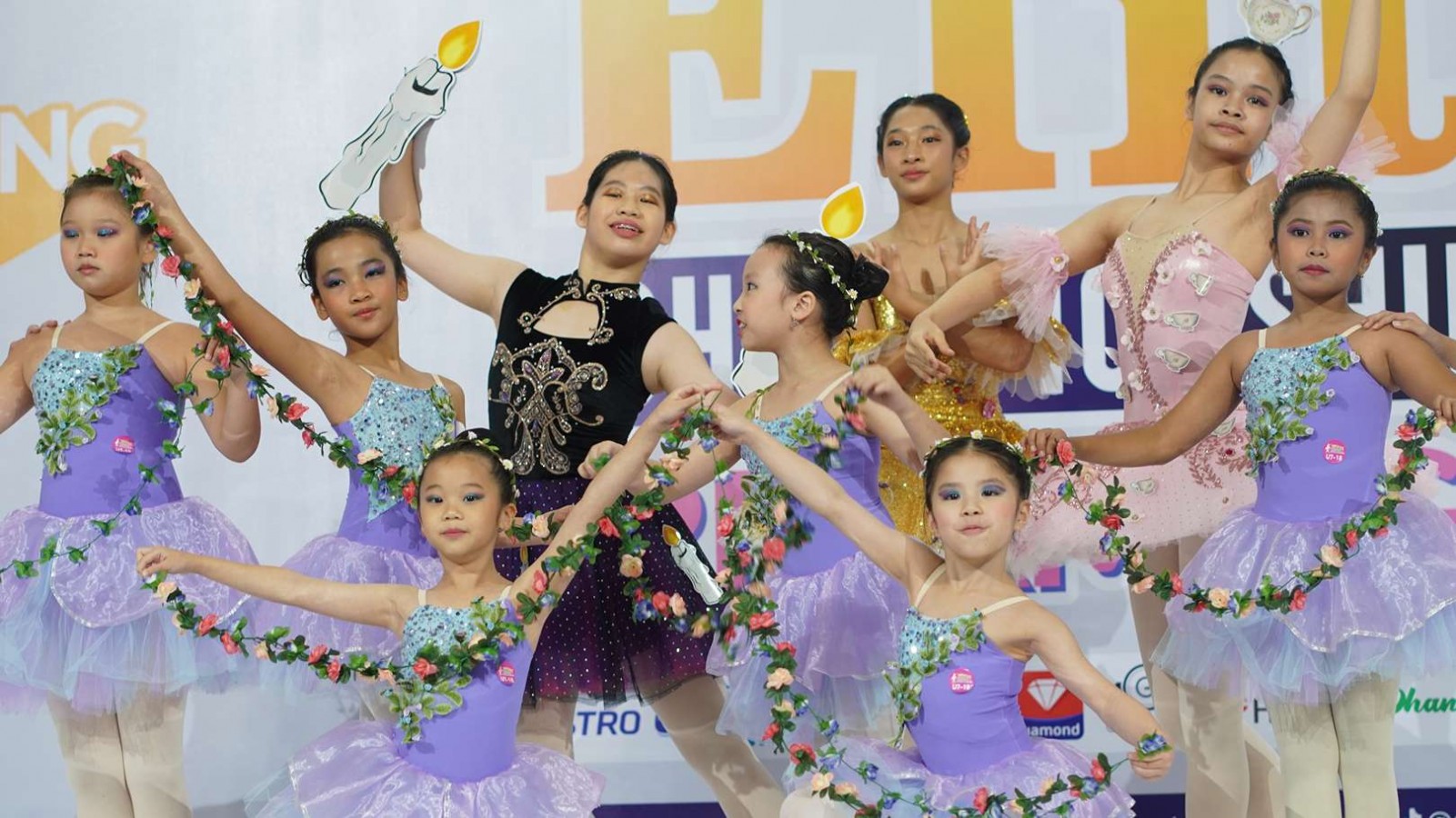
There’s something beautifully timeless about how ballet tells a story. At the heart of this storytelling is ballet pantomime, a technique where dancers use specific gestures and expressions to communicate emotions, intentions, and plot details.
It’s like a visual language that audiences instinctively understand. In this article, we’ll break down what pantomime in ballet really means, trace how it became such an important part of the art form, and look at the gestures that dancers still use today to bring characters and narratives to life.
What Is Ballet Pantomime?
Ballet pantomime is basically the storytelling side of ballet where dancers talk without using any words. Instead of speaking, they use clear hand gestures, facial expressions, and body movements to show emotions, explain the plot, or communicate with other characters onstage.
It works like a silent language. A hand to the heart can mean love, pointing to the ring finger can mean marriage, and reaching both hands out can show pleading or asking for help. These gestures help the audience understand what’s happening in the story, even during moments without dancing.
History of Pantomime in Ballet
Ballet pantomime has deep historical roots that stretch back to the very beginning of ballet itself. When ballet first appeared in the Italian Renaissance courts, movement and gesture were already used to entertain and communicate during grand celebrations.
As ballet moved to France under the support of Catherine de Medici and later King Louis XIV, it became more structured and expressive. By the 18th century, French ballet master Jean-Georges Noverre pushed the idea that ballet should tell a story through movement alone.
During the Romantic era in the 19th century, storytelling became even more emotional and magical, and pantomime helped bring characters and plots to life in ballets like Giselle and La Sylphide. Even as ballet evolved in the 20th century into more abstract and modern forms, pantomime remained a core element of narrative ballets.
Today, both traditional and contemporary ballet continue to use pantomime as a powerful storytelling tool, blending expressive gestures with beautiful technique to make dance more meaningful and engaging for audiences.
Common Ballet Pantomime Gestures
Before dancers step into full storytelling mode, ballet pantomime gestures help transform simple ballet moves into clear, expressive messages. These gestures act like a visual language. Here are some of the most common pantomime gestures and what they mean:
A. Queen, Prince, Princess Snow White
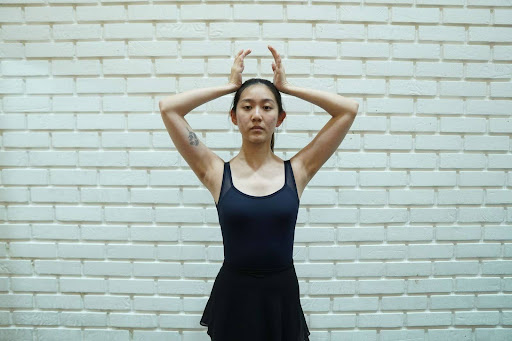
The Queen places both hands straight up beside her head to show a tall crown, the Prince mirrors this with his hands representing a crown as well, and Princess Snow White gently circles her face with one hand to show beauty before shaping the sides of a crown.
B. Fairest In All The Land
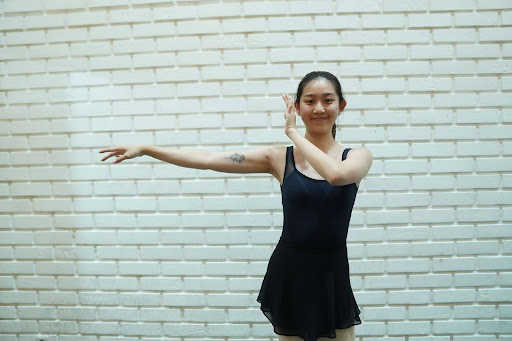
The dancer circles the face with one hand to show beauty and then makes a big arc overhead with the other hand before extending it outward to show “all the land.”
C. Please
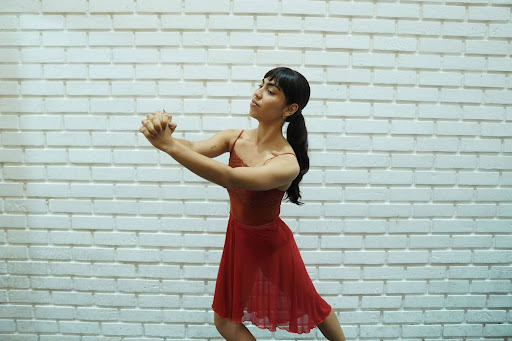
The dancer clasps their hands in front of the body to show pleading.
D. Sleep
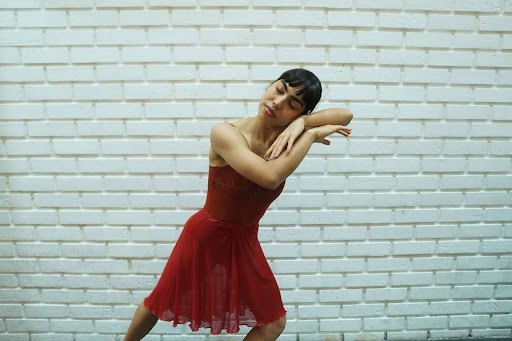
The dancer overlaps their arms while leaning to the side with closed eyes to show sleeping.
E. Would You Like to Dance?
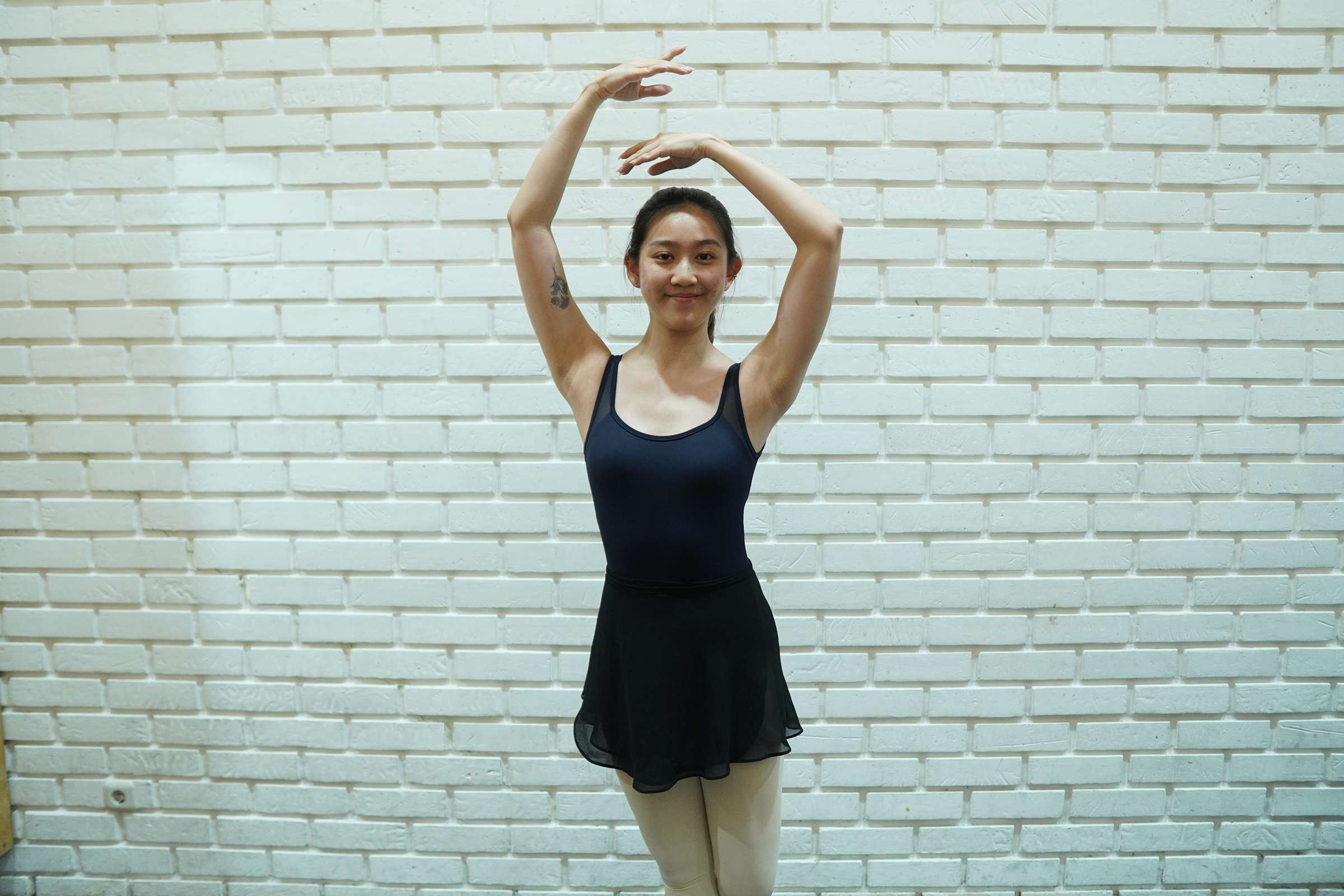
The arms lift above the head as the hands softly circle together, then the arms open outward to express an inviting gesture to dance.
F. Huntsman
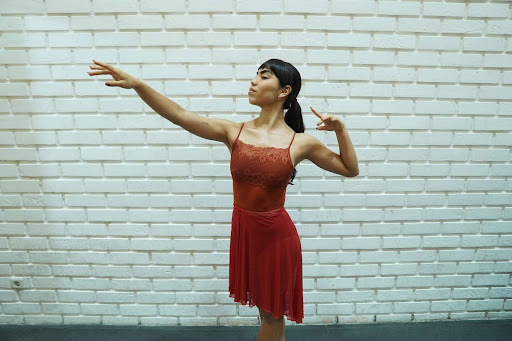
The dancer reaches both arms forward as if holding a bow and then pulls one arm back to mimic drawing a bowstring.
G. You Must Listen To Me
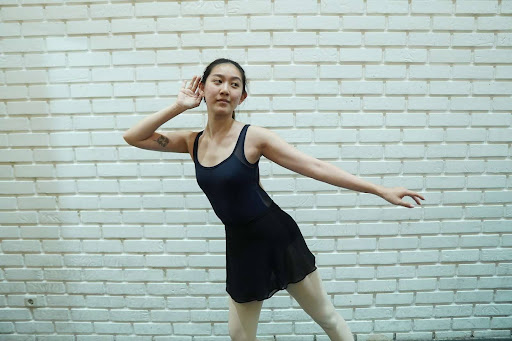
The dancer reaches toward someone to show “you,” brings a hand to the ear to show “listen,” and finally gestures toward themselves to show “me.”
H. Who Is? You Are
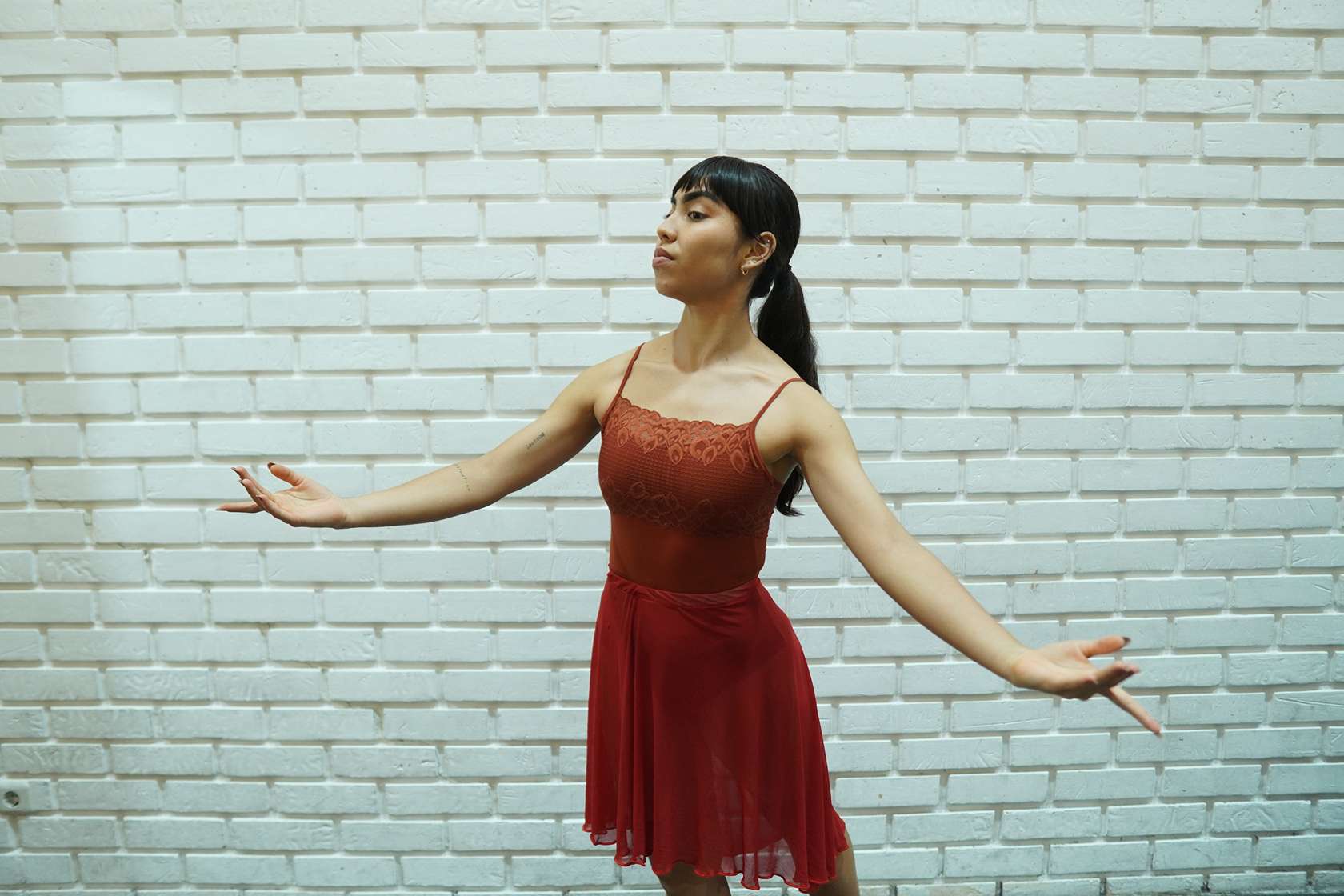
The wrists cross in front of the body before the arms open wide to show “who is,” followed by reaching the arms directly toward the person.
I. Not You
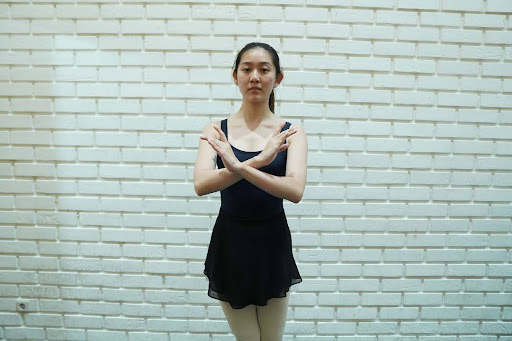
The dancer crosses the wrists with palms facing down in front of the body and then extends the arms outward to show a clear “not you.”
J. Death, Must Die, Will Die
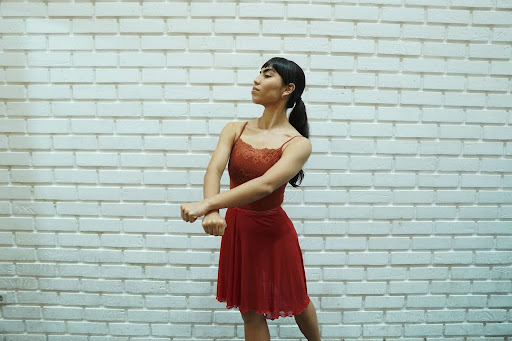
The dancer forms fists, brings the arms from overhead downward, and crosses the wrists in front of the body to show death or someone needing to die.
K. Must Go Away
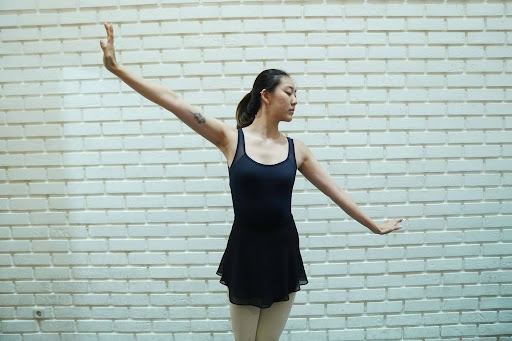
The arms start bent with palms facing out, then push forward to clearly show someone or something must go away.
L. Drink
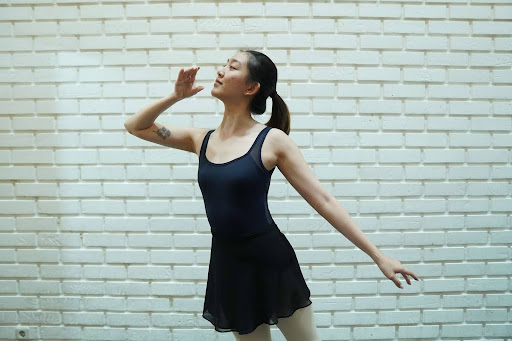
The dancer mimics lifting a cup to the mouth and drinking to show drink.
M. Heart
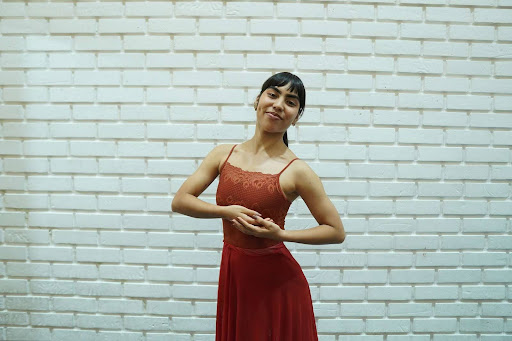
The dancer places a fist on the chest to represent the heart.
N. Scared Hide
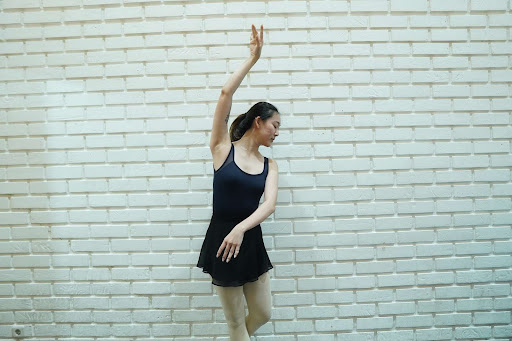
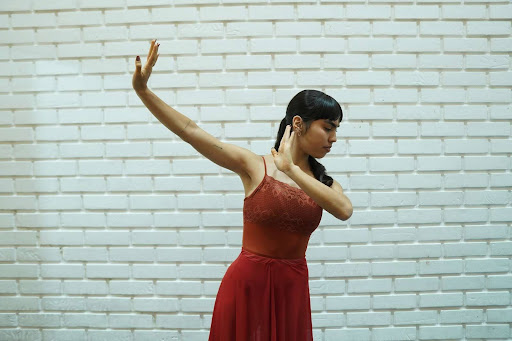
The dancer stretches the arms forward with flexed hands while looking away to show fear, then raises one arm overhead and curves the other in front of the torso while peeking underneath to show hiding.
O. Mother Love
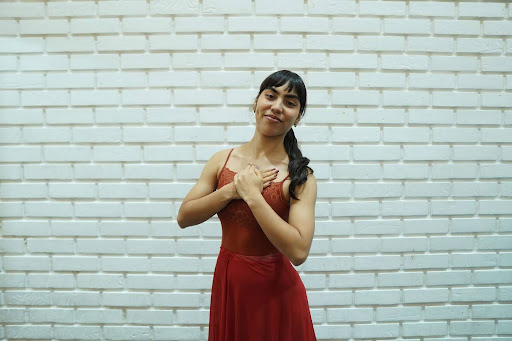
The dancer crosses their hands over the heart to show mother and then repeats the gesture with soft intention to show love.
P. Comfort
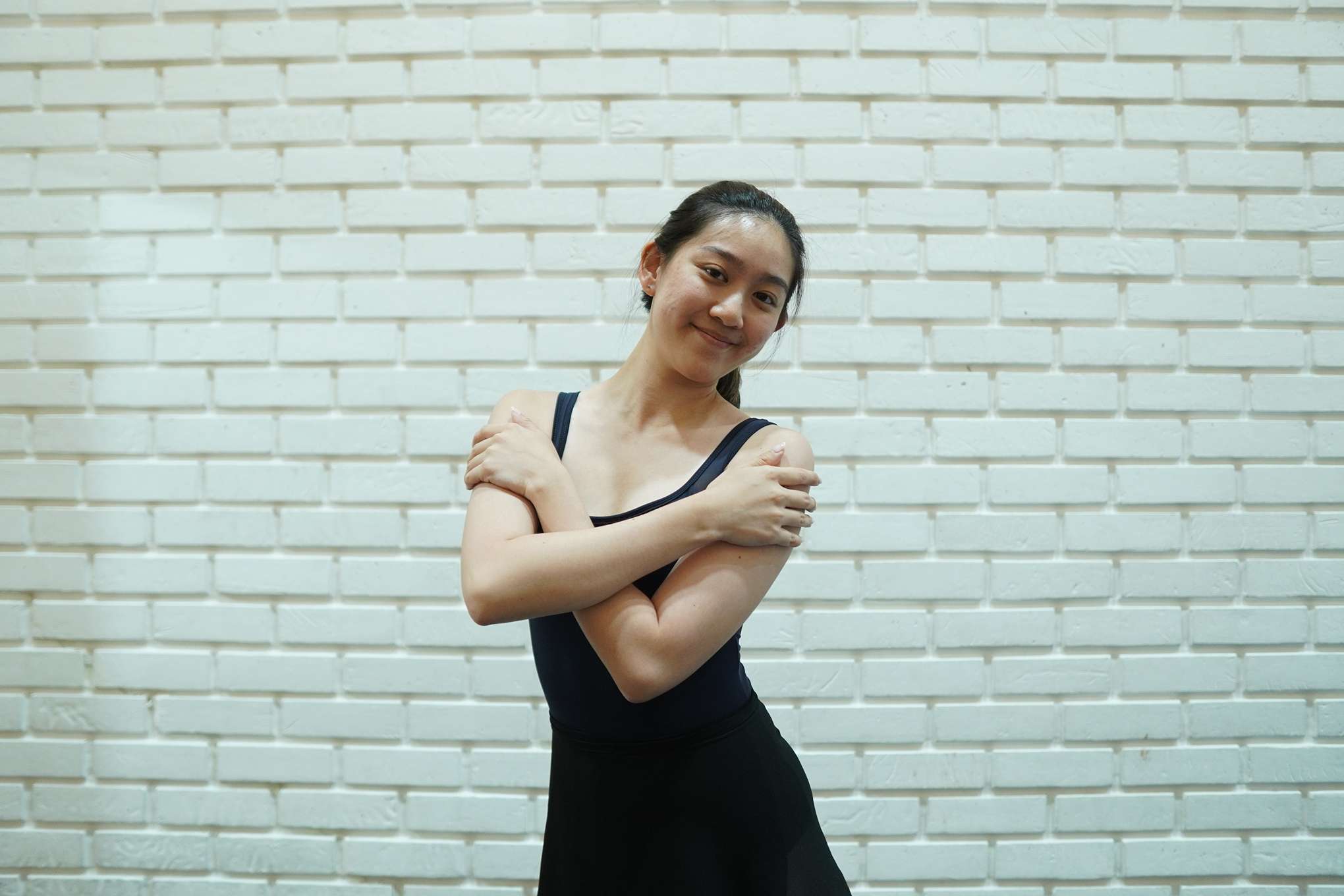
The dancer leans forward slightly and extends their arms to the side while softly patting the air as if comforting someone gently.
Q. Cry
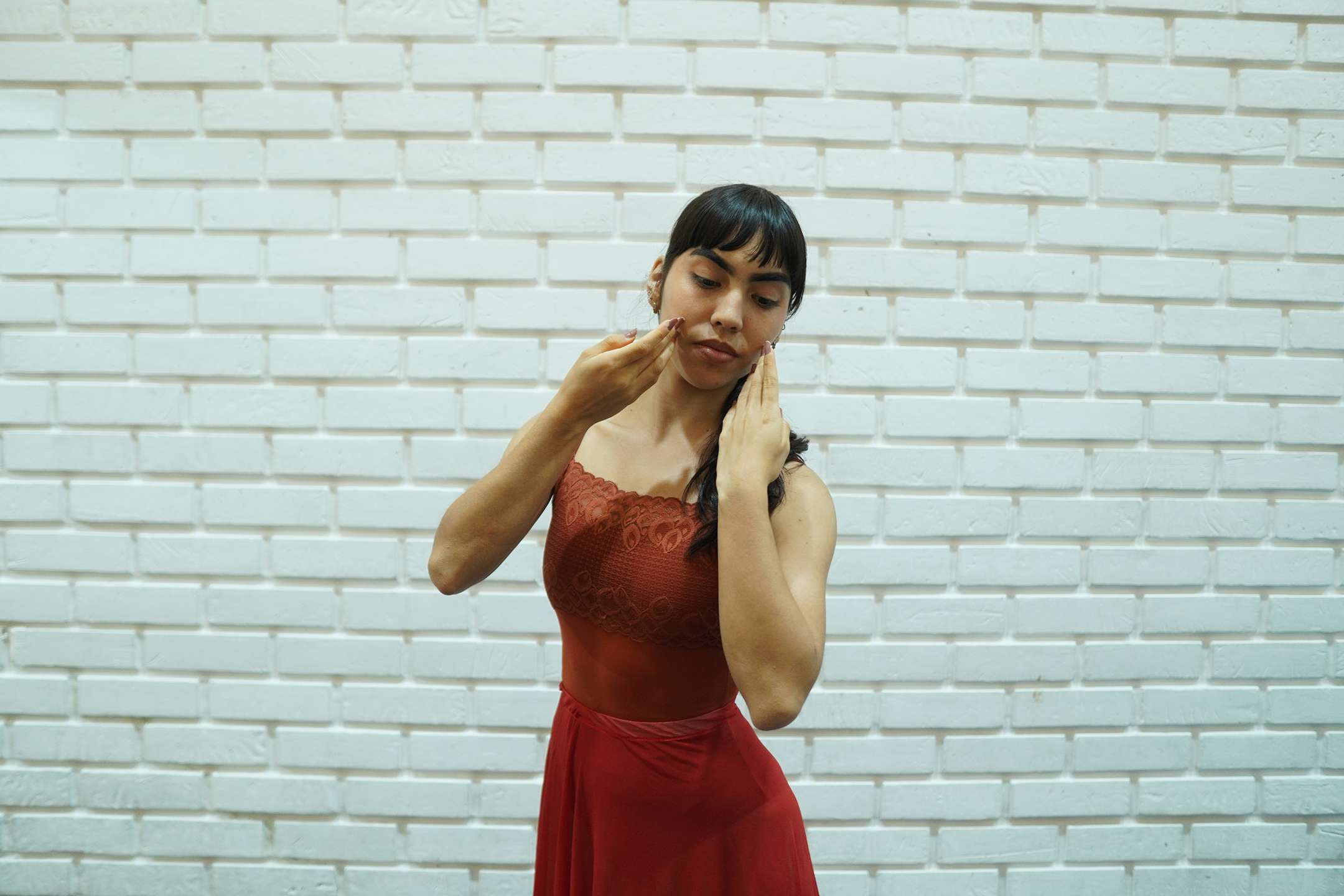
To show crying, the dancer places palms toward the face with middle fingers sliding down the cheeks.
R. Angry
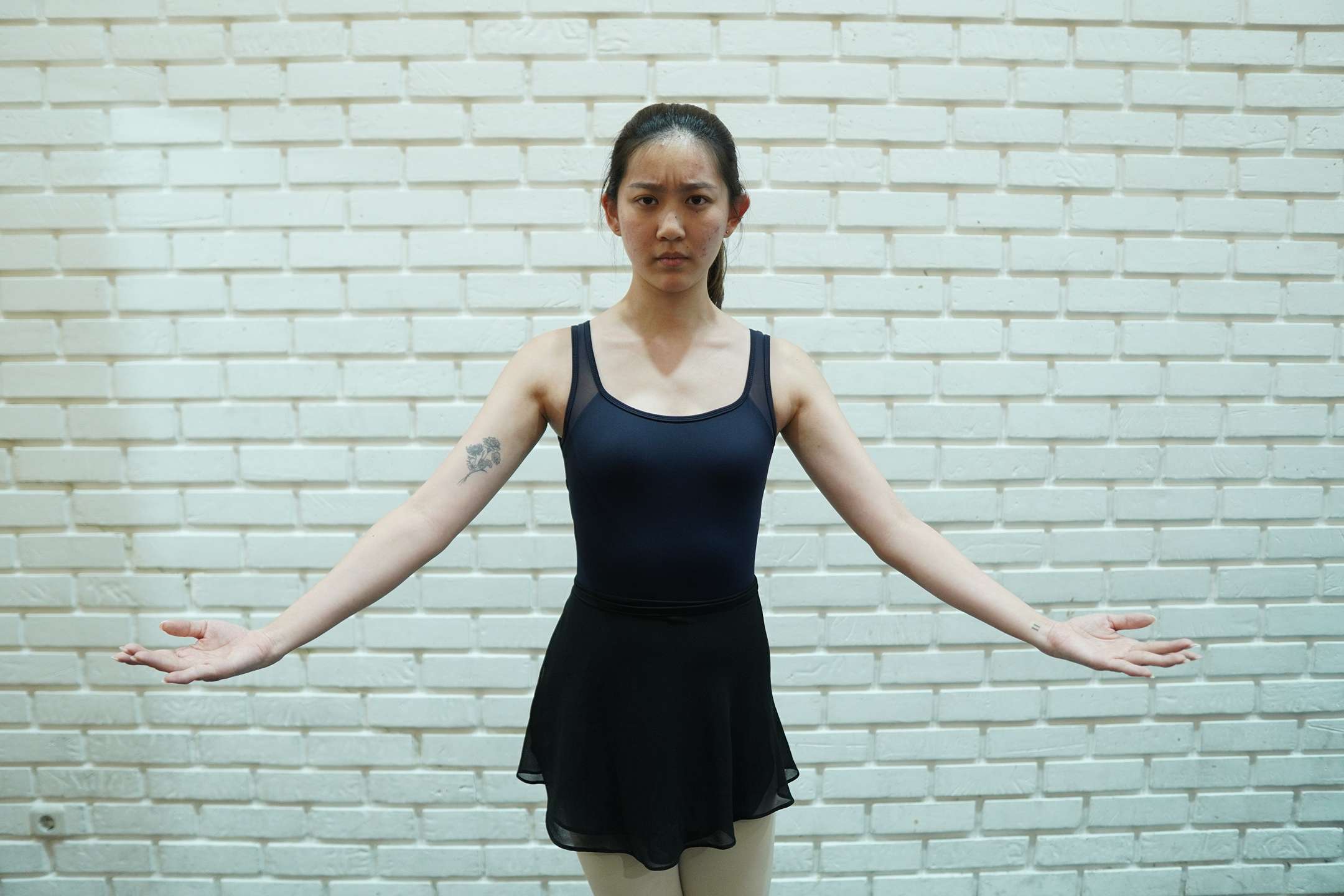
to show anger, dancer hands form fists with bent arms to express tension.
Want to Tell a Story on Stage with Confidence?
Ballet pantomime is what transforms steps into storytelling. As you continue to refine your craft, let pantomime be the tool that strengthens your artistry, elevates your expression, and makes every role feel vividly alive.
Experience a ballet class at Rockstar Academy where young dancers learn proper ballet moves with confidence, guided by expert instructors in a supportive Sports & Performing Arts Academy environment.
Every class is designed to build strong technique, musicality, and expression, while preparing students for internationally recognized RAD Ballet testing.
Our Ballet Program also gives every dancer the chance to shine and grow through real stage experiences. Students can take part in exciting events and competitions like the Ballet & Contemporary Dance Recital, Elite Championships, and RockOlympics, where they get to celebrate their hard work and perform with confidence.
These opportunities help students aim higher, stay active, build discipline, and develop true sportsmanship to handle both victories and setbacks with grace. Most importantly, each performance helps them grow into stronger, more resilient dancers who continue improving year after year.
Whether your child is just starting or already developing their skills, they’ll grow with structured training, fun learning methods, and personalized guidance. Want to see how much they can shine? Try a free trial class and experience the class firsthand!
FAQ
What is pantomime in ballet?
Pantomime in ballet is storytelling through gestures, expressions, and body movements without words.
What is the definition of a pantomime?
A pantomime is a performance using only physical movements and expressions to convey a story or emotion.