Ballet Hyperextension: Understanding the Technique, History, and Safety Protocols
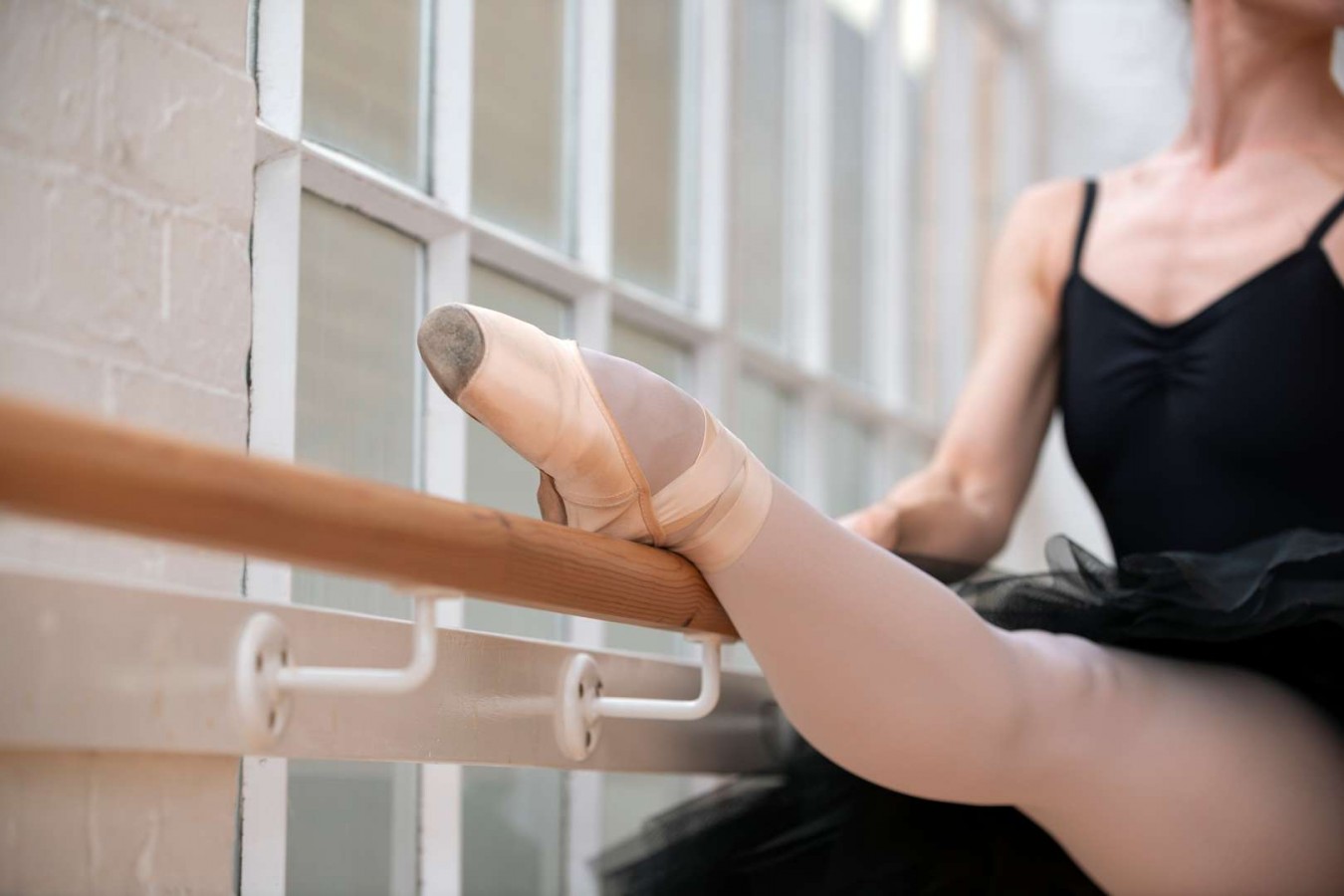
Flexibility is king and one of the most impressive skills a dancer can master is ballet hyperextension. This technique pushes the limits of your joints, especially the knees and back, allowing for breathtaking lines and graceful extensions that catch the eye of every audience.
But it’s not just about bending further, and you actually should understand the mechanics behind every movement. In this article, we’ll dive into what ballet hyperextension is, explore its history, and share tips on how to perform and improve it safely.
What Is Ballet Hyperextension?
Ballet hyperextension happens when a joint, most often the knee, extends beyond its typical straight position. Everyone’s joints have a natural range of motion, determined by muscles, bones, cartilage, and ligaments.
Some dancers are born with natural hyperextension, while others develop it through careful training.
In ballet, controlled hyperextension helps create those long, elegant lines that make movements look effortless and graceful, adding extra drama and finesse to jumps, balances, and extensions.
History of Ballet Hyperextension
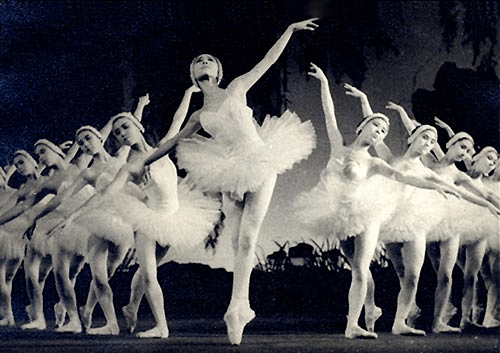
Although hyperextension is highly prized in modern ballet, it didn’t become widely popular until the late 18th century. Back then, costume and choreography reforms played a major role.
Dancers were previously restricted by the elaborate, heavy attire of the 17th century, which limited their range of motion and confined their movements mostly to intricate footwork.
The shift came with the introduction of lighter, more flexible costumes, like the Grecian tunic, which allowed dancers to move more freely. This opened up exciting possibilities for choreographers, who could now design movements that highlighted the flexibility and strength of a dancer’s body.
Hyperextension became a tool to create longer, more elegant lines on stage. By the time icons such as Sylvie Guillem took to the stage, hyperextension was not just a technical skill but a signature element that showcased both artistry and athleticism.
Dancers could lift their legs higher, achieve cleaner extensions, and add dramatic flair like grand jeté to their performances. This combination of freedom, strength, and grace cemented hyperextension as an essential feature in classical and contemporary ballet.
How to Perform Ballet Hyperextension
Hyperextension can make your legs look longer and your movements more graceful, but doing it the wrong way can cause strain or injury. Let’s break down the steps so you can master ballet hyperextension:
1. Warm Up Thoroughly
Always start with gentle stretches for your hamstrings, quads, calves, and hips. Warm muscles improve flexibility and reduce the risk of injury.
2. Engage Your Muscles
Activate your quadriceps, hamstrings, glutes, and core. Controlled muscle engagement supports the knee and helps maintain balance during hyperextension.
3. Align Your Hips and Knees
Keep your hips square and your knees tracking over your toes. Proper alignment ensures your extension looks clean and protects your joints.
4. Start with Small Extensions
Don’t force the leg straight immediately. Begin with a controlled range of motion and gradually increase as your strength and flexibility improve.
5. Use the Barre for Support
When practicing, hold the barre lightly to maintain balance and focus on the correct technique without putting unnecessary strain on the knees.
6. Control the Movement
Focus on smooth, deliberate motions. Avoid locking the knee or snapping it back; the goal is a clean, elongated line, not a forced bend.
7. Incorporate Strengthening Exercises
Add exercises like leg lifts, planks, and hamstring curls to strengthen the muscles supporting hyperextension, making the movement safer and more controlled.
8. Practice Regularly but Smartly
Consistency is key, but avoid overdoing it. Allow rest and recovery for your muscles and joints to adapt safely.
Tips to Improve Hyperextension Without Harming Your Knees
Ballet hyperextension can make your lines look stunning, but doing it incorrectly or forcing your knees too far can lead to pain or injury. Here are some detailed tips to help you train safely:
1. Seek Professional Guidance
If hyperextension causes pain or discomfort, it’s crucial to consult a healthcare professional.
A physician, physiotherapist, or experienced ballet teacher can assess your knees, identify any issues, and design a safe plan. Trying to fix it on your own may worsen the problem.
2. Orthotic Support for Advanced Cases
In the most advanced or severe cases, orthotic devices like splints may be recommended to correct knee alignment.
These tools help prevent excessive hyperextension during training or daily activities while still allowing controlled movement.
3. Re-Education and Proprioception
Learning to feel and control your knee’s range of motion is the key. Exercises that focus on knowing when to stop extending help retrain your muscles to support your knee safely.
This may involve both weight-bearing exercises (like controlled lunges) and non-weight-bearing exercises (like leg lifts on the floor).
4. Muscle Control and Co-Contraction
Your quadriceps and hamstrings should work together to stabilize the knee. Practicing co-contraction exercises strengthens both muscle groups so your knee can extend fully without going into harmful hyperextension.
5. Full Leg and Core Awareness
Safe hyperextension involves the entire leg and core. Exercises that target foot alignment, hip rotation, and trunk stability ensure that your legs and body are properly aligned. This reduces strain on your knees and improves overall control during extensions.
6. Maintain Alignment in Daily Life and Training
Awareness should extend beyond the studio. Practicing proper knee alignment during everyday activities, stretching, and dance drills helps reinforce safe habits.
Maintaining correct posture and alignment in all movements reduces the risk of accidental hyperextension and promotes long-term joint health.
Elevate Your Lines to the Next Level!
Ballet hyperextension is a stunning technique that adds elegance, length, and drama to any dancer’s performance. Its history shows how ballet evolved to prioritize beautiful, elongated lines, and today it’s a skill every serious dancer can work toward safely.
Looking to take your ballet skills to new heights? At Rockstar Academy, our ballet classes focus on building strength, flexibility, and precision in every move.
Our expert instructors guide you through each step with personalized attention, preparing you for challenges like RAD Ballet testing while making every class fun and inspiring.
Additionally, we also give students the chance to shine on stage and grow through real experiences. Dancers can participate in exciting events and competitions like the Ballet & Contemporary Dance Recital, Elite Championships, and RockOlympics, where they get to showcase their hard work and talent.
These opportunities help build discipline, confidence, and good sportsmanship while teaching them how to handle both winning and losing with grace. Most importantly, each performance helps students develop stronger character and become better dancers in the future.
Join our Sports & Performing Arts Academy family and experience the joy of dance firsthand—with a free trial class to get started!
FAQ
What is hyperextension in ballet?
Hyperextension in ballet is when a joint, usually the knee, extends beyond its normal straight position to create longer, elegant lines.
Why should hyperextension be avoided?
It should be avoided if uncontrolled, as it can strain or damage the knee and surrounding muscles.